Summer in Iceland is sort of surreal in a way that no travel blog fully prepares you for.
The sun barely sets.

Like, at all.
I’m talking golden hour that stretches for three hours and a sky that glows amber at midnight like the world just can’t be bothered to go to sleep.
When I first experienced it, I didn’t know whether to feel energized or deeply unsettled.
Honestly?
Both.
The landscape in summer is greener than you’d expect from a place called Iceland.
Rolling moss-covered lava fields, waterfalls absolutely raging with snowmelt, and lupine flowers in purple and pink spreading across entire hillsides.
It’s soft and wild at the same time.
You can hike almost everything without specialized gear.
The roads — including the famous Ring Road — are fully open and way more accessible than in winter.
If I had to describe summer Iceland in one feeling, it would be: freedom with a side of mild sleep deprivation.
Bring an eye mask.
Seriously, pack two.
What Iceland Actually Feels Like in Winter

Winter Iceland hits different.
And I mean that in the most visceral, chest-tightening way possible.
When I landed in Reykjavik in February, it was dark at 4 PM.
The air had this sharp, clean bite to it — the kind that wakes your whole face up the second you step outside.
The landscape was stripped back, dramatic, almost black and white.
Snow-dusted lava fields, frozen waterfalls, and skies that looked like they were performing for you.
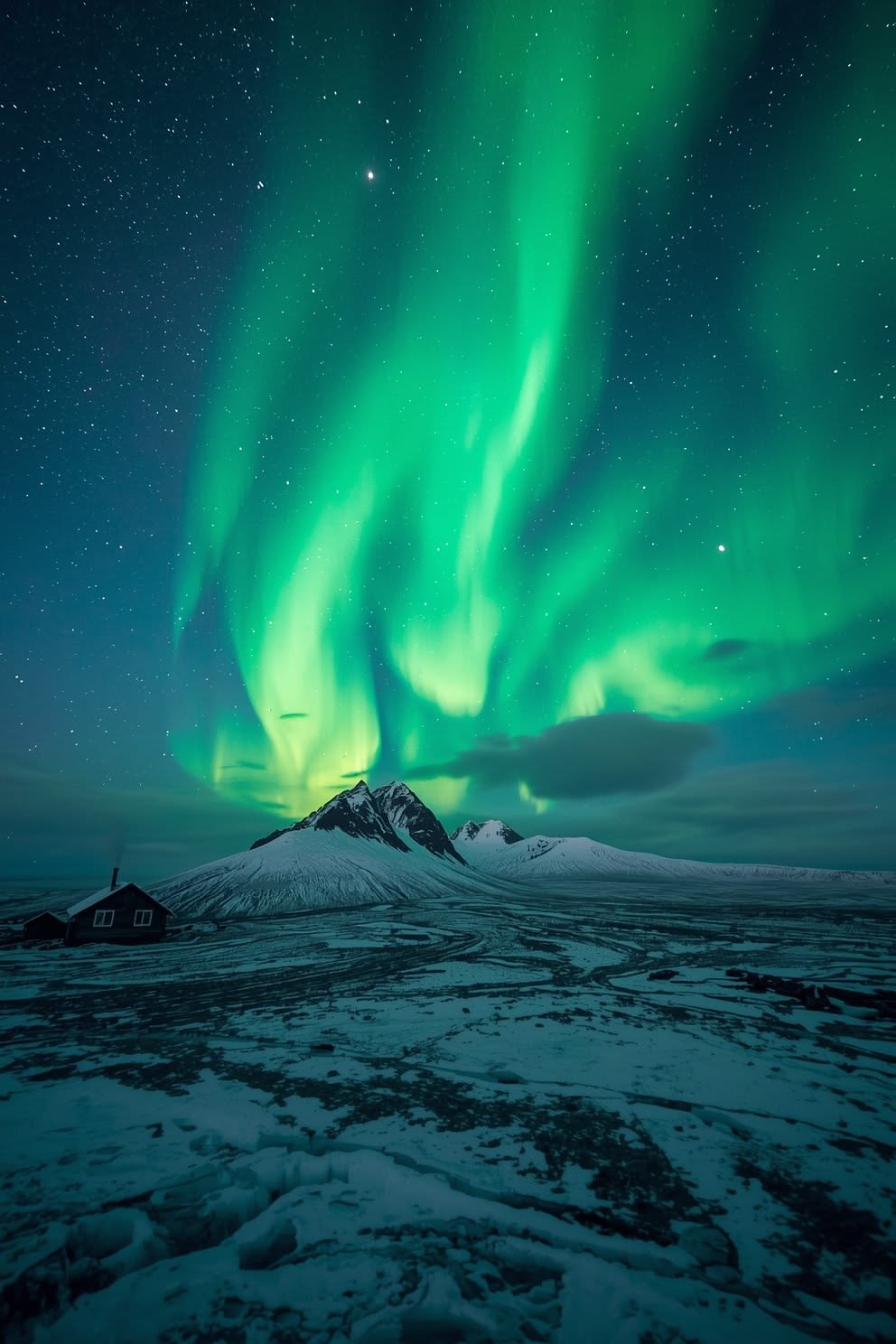
And then, on my third night, the Northern Lights showed up.
I was standing outside a small guesthouse near Vík, and suddenly this pale green ribbon just… unfolded across the sky.
It didn’t look real.
I stood there in silence for probably ten minutes before I even thought to reach for my phone.
That moment alone made the cold, the short days, and the slightly terrifying icy roads completely worth it.
Winter Iceland feels intimate and a little raw.
Like the country is showing you something it only shares with the people who bothered to show up.
The Northern Lights: What Nobody Tells You

Okay, let’s have an honest conversation about the Northern Lights, because there’s a lot of romanticized nonsense out there.
You cannot guarantee them.
Full stop.
I’ve talked to people who spent ten days in Iceland in winter and never saw them.
And I’ve talked to people who walked outside their hotel in Reykjavik on night one and caught a full display.
It’s cloud cover, solar activity, and a little bit of luck all tangled together.
What I’ll tell you from personal experience: get yourself away from city light pollution as fast as possible.
The further east or north you go, the better your odds.
Check the aurora forecast apps every single evening — they update frequently and they’re surprisingly accurate.
And dress for at least 30 minutes of standing completely still in freezing temperatures, because once those lights start moving, you’re not going anywhere.
My biggest tip?
Don’t just chase them on one night.
Build your whole itinerary around flexibility, so you can pivot and chase a clear sky whenever it appears.
Your Ultimate Caribbean Adventure Awaits!
Discover hidden coves, secret beaches, and the best rum punches in the islands. Your insider’s guide to Caribbean paradise.
Get Your Guide Now$15.99The Midnight Sun: Overhyped or Genuinely Magical?

I’ll be real with you — before I experienced it, I thought the midnight sun sounded mildly annoying.
A sun that won’t go down?
Cool, I guess?
But standing on top of a cliff at Dyrhólaey at 1 AM, watching warm orange light pour across the Atlantic Ocean, I completely changed my mind.
It’s genuinely magical.
The thing that gets you is the energy of it.
People in Iceland in summer are just… out.
Hiking at 10 PM.
Eating dinner at 9:30.
Laughing in outdoor cafes at midnight.
The whole country runs on a different clock and it’s kind of infectious.
For me personally, the midnight sun is best experienced on a long hike or a coastal drive.
Pull over whenever you feel like it.
There’s no rush because the light just stays.
The downside — and I won’t sugarcoat it — is that your sleep will get weird.
Your body genuinely doesn’t know when to shut down.
I’d suggest melatonin, blackout curtains in your accommodation, and accepting that your schedule is going to be beautifully chaotic.
Crowds, Costs, and Honest Logistics

Summer is peak season in Iceland.
That means more tourists on the main attractions, higher accommodation prices, and a slightly more produced feeling at famous spots like Seljalandsfoss or the Blue Lagoon.
I’m not saying it ruins anything — Iceland is big enough to absorb crowds better than, say, a tiny Italian village.
But you’ll feel the difference.
Winter is quieter.
Significantly quieter in some areas.
You’ll have viewpoints almost to yourself.
Prices tend to be lower for flights and hotels, especially if you travel mid-week.
The trade-off is that some highland roads are completely closed, a handful of smaller tourist attractions operate on reduced hours, and driving in icy conditions requires genuine attention.
Rent a 4×4.
I can’t stress that enough.
A regular compact car on a winter Icelandic road in fresh snow is a situation you do not want to be in.
Also budget for weather delays.
Flights get cancelled.
Excursions get called off.
Build in buffer days and you’ll thank yourself later.
Hiking and Outdoor Adventures: Summer Wins, But…

If hiking and outdoor exploration are your primary reasons for going, summer is your season.
Plain and simple.
Trails like Fimmvörðuháls, Landmannalaugar, and the highlands are only accessible in the warmer months.
They’re spectacular in a way that genuinely makes you feel small.
When I did a section of the Laugavegur trail in summer, I was surrounded by steaming geothermal vents, obsidian black sand, and neon-green moss — sometimes all within the same 20-minute stretch.
It was sensory overload in the best possible way.
But here’s the thing about winter hiking that people sleep on: glacier hiking is arguably better in winter.
The ice is more stable.
The tours are less crowded.
And walking across a massive glacier with a sky full of dramatic storm clouds overhead hits differently than doing it on a bright summer afternoon.
Ice cave tours also only run in winter, when the caves are stable enough to enter safely.
If you’ve ever seen photos of those electric blue ice caves inside Vatnajökull glacier — yeah, that’s winter-only.
And yes, they look exactly that stunning in person.
Caribbean Paradise Unlocked
From pristine beaches to vibrant local culture, discover the Caribbean’s best-kept secrets with my comprehensive travel guide.
- 120+ Hidden Beach Secrets
- Local Cuisine Guide
- Budget Travel Tips
- Island Hopping Routes
Food, Warmth, and the Cozy Factor

I have to talk about the cozy factor, because it’s seriously underrated in travel conversations about Iceland.
Winter in Iceland is deeply hygge.
Tiny restaurants with candles on every table.
Lamb soup that warms you from the inside out.
Geothermal pools steaming in the cold air while snow falls quietly around you.
That feeling of coming in from the cold and wrapping your hands around a hot drink — it hits different when it’s genuinely cold outside.
I spent one winter evening in a small guesthouse near Selfoss, eating slow-cooked lamb and listening to the wind batter the windows, and I genuinely felt like I was in Iceland in a way that’s hard to manufacture.
Summer has its own food culture though.
Fresh seafood, outdoor food trucks near the harbor in Reykjavik, and long dinners that stretch past midnight because the sun is still technically up.
Both seasons have their own kind of warmth.
One is literal.
One is glowy and golden and kind of unreal.
The Ring Road: Summer vs Winter

Driving the Ring Road — the roughly 800-mile highway that circles the entire island — is on most Iceland bucket lists, and honestly it should be.
In summer, it’s very doable in 7 to 10 days, roads are clear, and you can pull off pretty much anywhere you want without worrying about ice.
I did a loose 9-day loop and it remains one of my favorite road trips ever.
In winter, the Ring Road is mostly open, but you need to check road conditions daily.
Some sections, especially in the east and north, can close without much warning.
It’s slower, more cautious driving.
But — and this is a big but — the scenery is astonishing.
Snow-capped mountains plunging into black fjords.
Frozen rivers.
Empty stretches of road with not another car in sight.
It feels a little like driving through a different dimension.
My honest advice: if you’re doing the Ring Road in winter, give yourself at least 10 to 12 days and build in flexible days where you don’t have a fixed destination.
Let the weather tell you where to go.
Hot Springs and Geothermal Pools: A Year-Round Love Affair

Here’s one thing that doesn’t change between seasons: Iceland’s hot springs are always incredible.
Always.
But the experience of them changes completely depending on when you go.
In summer, soaking in a natural hot spring at midnight under a bright golden sky is one of those experiences that makes you feel like you’re in a dream.
Warm water, cool air, endless light.
It’s peaceful and a little trippy at the same time.
In winter, sliding into a steaming outdoor pool when it’s below freezing outside is its own specific kind of bliss.
Your body just… surrenders.
The contrast between the icy air on your face and the warm water on everything else is something I genuinely think about on bad days back home.
The famous Blue Lagoon is open year-round and is worth doing at least once, though I personally prefer the lesser-known natural pools for a more raw experience.
The Secret Lagoon near Flúðir is a favorite of mine — less polished, more authentic, and surrounded by bubbling geothermal vents.
Go at dusk in winter if you can.
You might just catch the Northern Lights from the water.
Your Ultimate Caribbean Adventure Awaits!
Discover hidden coves, secret beaches, and the best rum punches in the islands. Your insider’s guide to Caribbean paradise.
Get Your Guide Now$15.99Wildlife and Nature: What Each Season Offers

Summer brings puffins.
And if you’ve never seen a puffin up close, let me tell you — they are absolutely unhinged little birds and I love them completely.
Adorable, clumsy, and shockingly unbothered by humans.
You can get within a few feet of them on the cliffs at Látrabjarg or Borgarfjörður Eystri and they’ll just look at you like you’re mildly inconvenient.
Whale watching is also significantly better in summer, with humpbacks and minkes spotted regularly out of Húsavík.
Winter strips a lot of that back, but it gives you something else entirely.
Reindeer crossing snowy fields in the east.
Arctic foxes, more visible against the white landscape.
And seabirds still clinging to the cliffs in the north.
The landscape itself becomes the main character in winter.
There’s a starkness to it — volcanic rock against white snow against a pewter sky — that feels almost post-apocalyptic and deeply beautiful at the same time.
I took more landscape photos in my winter trip than my summer one, which surprised me completely.
Budget and Timing: My Honest Breakdown

Iceland is expensive.
I’m not going to pretend otherwise.
But there are real ways to manage it, and season matters.
Summer flights, especially into Reykjavik’s Keflavík Airport, spike significantly.
Booking early helps, but even then you’re paying a premium for July and August.
Accommodation during peak summer weeks can be double what you’d pay in, say, November or February.
Winter travel — outside of the Christmas/New Year window — is genuinely more affordable.
Some guesthouses and smaller hotels drop prices noticeably in January and February.
Shoulder seasons, meaning May and September to early October, are kind of the sweet spot for value.
You get decent weather, some lingering greenery or early snow, smaller crowds, and prices that haven’t fully spiked.
I did a September trip once that I haven’t fully recovered from — it felt like I had the whole country to myself.
Wherever you go, cook some of your own meals.
Grocery stores in Iceland are good.
Eating out every meal adds up fast, and there’s something satisfying about picking up local cheese, skyr, and bread and having a simple meal with a view you can’t believe is real.
Who Should Go in Summer vs Winter: My Honest Take
Okay, here’s where I just tell you straight.
Go in summer if you’re a hiker, a road tripper, someone who loves being outside for long stretches, traveling with kids, doing Iceland for the first time and want to see as much as possible, or if you get rattled by winter driving conditions.
Go in winter if you’re chasing the Northern Lights, you love dramatic moody landscapes, you’re comfortable driving in snow and ice, you want a more intimate and less tourist-heavy experience, or you’re the kind of person who finds beauty in bareness.
Go in shoulder season if you want a little of both and a slightly gentler price tag.
And here’s my genuinely honest personal take: my winter trip moved me more.
There was something about the vulnerability of it — the darkness, the cold, the unpredictability — that made every beautiful moment feel earned.
But my summer trip made me fall in love with Iceland first.
It showed me the country in full bloom, full light, full energy.
You need that foundation.
Both trips changed me a little.
And if you can ever swing doing Iceland twice, in different seasons — do it without hesitation.
You’ll meet two completely different versions of the same extraordinary place.