There’s a feeling you get in certain places where you realize the land doesn’t care that you’re there.
Not in a cold way.

In a humbling, almost spiritual way.
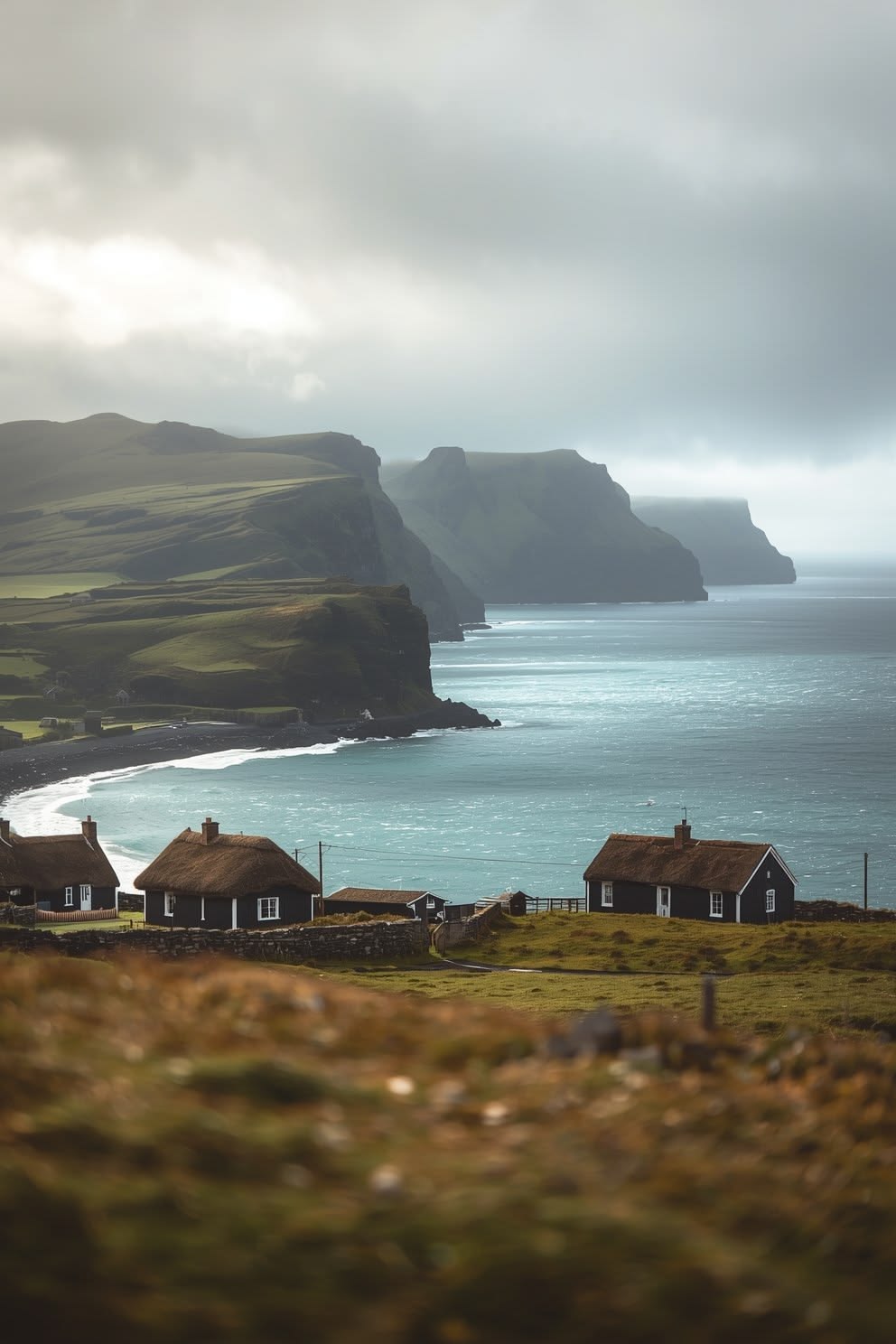
The Faroe Islands — this tiny archipelago of 18 islands sitting between Norway and Iceland — give you that feeling immediately.
The landscape is almost aggressively dramatic.
Vertical cliffs dropping into the North Atlantic.
Rolling green hills that look painted.
Villages with grass-roofed houses tucked into valleys like they’re hiding from the sky.
I’ve done Patagonia.
And I still wasn’t ready for how raw this place feels.
It’s not polished for tourists.
There are no giant resort hotels.
No souvenir shops on every corner.
Just this ancient, moody, insanely beautiful place that sort of tolerates your presence while blowing your mind.
That’s exactly why I fell for it.

Getting There — What I Wish I’d Known Before I Booked

Getting to the Faroes is part of the adventure, and also part of the mild chaos.
The main gateway is Vágar Airport, which is the only commercial airport on the islands.
Most travelers fly through Copenhagen or Reykjavík, and honestly, the routing through Copenhagen felt smoother to me.
Atlantic Airways is the national carrier and they run a solid operation — don’t sleep on them.
Here’s the thing nobody really warns you about: weather cancellations are genuinely common.
I’d build at least one buffer day into your arrival and departure plans.
The islands sit in some of the most unpredictable weather on the planet.
Fog rolls in fast.
Winds shift without warning.
My outbound flight got delayed by a day, and honestly?
I wasn’t even mad about it.
One more day in that place felt like a gift.
Also — book accommodations early.
The Faroes have limited beds island-wide, and the good spots fill up months in advance.
I’m not exaggerating when I say I almost missed out on a guesthouse in Gjógv because I waited too long.
Don’t be that guy.
When to Go — And Why I’d Pick the Shoulder Season Every Time

This is a real debate in the Faroe Islands travel community, and I have opinions.
Summer — roughly June through August — gives you the famous long days.
Like, “sun sets at midnight” long.
The green hills are at their most lush.
The waterfalls are running hard.
And you’ll share the most iconic spots with more people than you might expect.
It’s still not crowded by European or American standards, but you’ll notice.
I went in late May, right before peak season, and it was close to perfect.
The light was golden and dramatic almost all day.
The roads were mostly mine.
A few guesthouses were still doing soft-open pricing.
September is another strong option.
The crowds thin out, the colors shift to something moodier and more dramatic, and you get these thick, cinematic fog banks rolling through the valleys.
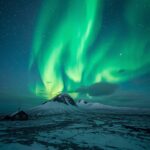
Winter is for the truly adventurous — or the northern lights chasers.
It’s cold, dark, and some roads close.
But the locals are warmer in winter, weirdly.
Less tourist energy, more real conversation.
My personal recommendation?
Late May or early September.
You get the beauty without the competition.
My Favorite Villages (And the One Most People Skip)

Tórshavn is the capital, and yes, you should spend time there.
It’s one of the smallest capitals in the world, and it genuinely charms you.
The old town — Tinganes — is all dark wooden buildings and narrow lanes hugging the harbor.
It’s cozy in a way that feels ancient.
But the village I keep thinking about is Gjógv.
It’s tucked into a gorge on the northeastern corner of Esvágoy island.
There are maybe 40 people who live there.
The houses are turf-roofed.
The natural harbor is just this dramatic crack in the cliff face where the ocean rushes in.
And there’s a guesthouse there — small, warm, run by local people — that served me the best lamb soup I’ve ever eaten.
I didn’t plan to love Gjógv.
I stopped there on a drive and ended up staying two extra nights.
That kind of spontaneous pivot?
That’s what the Faroes do to you.
Also worth visiting: Saksun, which looks like a painting and feels almost fictional.
And Kirkjubøur, one of the oldest settlements in the islands, where a family has been living in the same wooden farmhouse for over 900 years.
That one stopped me in my tracks.
🗼 I Wrote a Book About My Japan Travel Catastrophes!
Before I landed in Tokyo, I thought I was the “Final Boss” of international travel. Spoiler alert: I WASN’T. 😅
🚅 I boarded the wrong Shinkansen and ended up in THE WRONG CITY. I confused locals with my “expert” bowing that was more awkward than accurate. I accidentally stumbled into a high-stakes Kendo practice thinking it was a tourist show. Sound like something you’d do?
“Things I Wish I Knew Before Going to Japan” is your shortcut to avoiding ALL my cringe-worthy mistakes. ✨ Inside, you’ll find practical, LIFE-SAVING tips on etiquette, transport, money, and hidden gems that will save you time, money, and a whole lot of confusion.
The Hikes That I’m Still Thinking About

I want to be straight with you: the hiking here is not always easy, but it is always worth it.
The Faroes don’t have a ton of marked, manicured trail systems.
A lot of routes are unmarked or minimally signed.
You’re navigating by GPS, instinct, and the occasional cairn.
That’s part of what makes it feel like genuine exploration.
The hike up to Sørvágsvatn — the lake that appears to float above the ocean — is the most famous one, and it lives up to the hype.
The optical illusion you see in photos is even more mind-bending in person.
It’s about 3 miles round trip with some elevation, and the trail can get muddy and slippery.
Wear proper boots.
Kalsoy island’s hike to Kallur Lighthouse is another one I’d rank near the top of my all-time list.
You take a ferry to the island, hike along a narrow peninsula with ocean on both sides, and arrive at this tiny red lighthouse perched on a cliff edge.
The wind up there is something else.
It knocked me sideways twice.
And I loved every second of it.
If I had to pick just one hike, it’d be Kalsoy.
No question.
What to Eat — And Why Faroese Food Surprised Me Completely

I’ll be honest — I didn’t research the food before I went.
That turned out to be fine, because the food research would have taken me down a rabbit hole I wasn’t ready for.
Faroese cuisine is built around what the land and sea provide.
Which means a lot of lamb.
A lot of fish.
And this tradition called skerpikjøt — wind-dried mutton that’s been fermented for months.
It smells intense.
The first bite catches you off guard.
And then you kind of get it.
It’s funky and rich and unlike anything I’ve ever had.
The lamb here is genuinely world-class.
The sheep roam free on the hillsides eating grass and wild herbs.
You can taste that in every bite.
I had roasted lamb shoulder at a small restaurant in Tórshavn that I still think about.
The fish is impeccable — cod, salmon, wolffish.
Fresh doesn’t even begin to cover it.
For budget eating, the local bakeries are your best friends.
Warm pastries in the morning.
Thick slices of rye bread.
Strong coffee.
Simple and perfect.
Driving the Islands — A Personal Love Story

I rented a car at Vágar Airport and it was the single best decision I made.
The Faroes have an incredible road system — including underwater tunnels that connect the islands — and driving is genuinely the best way to experience them.
The main ring roads are well-maintained.
Some mountain roads get rough and narrow.
And yes, you will round a corner and suddenly stop breathing because the view hits you that hard.
The undersea tunnels are a trip unto themselves.
There are roundabouts inside them.
Underwater roundabouts.
You need to experience that to understand why I kept laughing.
One tunnel — between Vágar and Streymoy — passes under the ocean floor and connects islands that would otherwise require a ferry.
It still doesn’t feel entirely real to me.
If you’re nervous about driving on unfamiliar roads, don’t be.
Traffic is minimal.
People are patient.
I drove some genuinely sketchy mountain passes and felt safe the whole time.
Fuel up whenever you see a station, because they’re not always frequent outside the main towns.
And download an offline map before you go.
Signal is surprisingly good, but better safe than sorry in the mountains.
Packing for the Faroes — The Honest List

I’ve over-packed for trips before.
And I’ve under-packed.
For the Faroes, I under-packed slightly on layers, and I felt it.
Here’s what actually mattered on my trip:
A proper waterproof shell jacket — not a fashion rain jacket, a real one.
The wind here turns light rain into a horizontal assault.
Waterproof hiking boots with ankle support.
Non-negotiable, especially for the hikes.
Merino wool base layers.
They regulate temperature weirdly well and don’t get rank after a day of hiking.
A buff or neck gaiter.
Wind protection for your face on the exposed cliffs.
A small dry bag for your camera and electronics.
One thing I’d do differently: bring fewer “going out” clothes.
The vibe everywhere is casual and outdoorsy.
I packed dress shirts I never touched.
Camera gear matters here more than almost anywhere I’ve been.
The light shifts constantly — from golden to foggy to dramatic in the same hour.
If you shoot, bring extra memory cards.
You will fill them.
The People — What Nobody Tells You About Faroese Culture

The Faroese are reserved at first.
Not cold.
Just quiet.
There’s a difference, and I think a lot of American travelers misread it.
Give it a day or two, and the warmth comes out.
The woman who ran my guesthouse in Gjógv ended up sitting with me for two hours one evening, telling me about growing up on the island.
About the sheep count every summer.
About the winters when the ferry couldn’t run for weeks.
About how the younger generation is moving to the capital but keeps coming back for the feeling.
The Faroese take real pride in their culture.
The language, Faroese, is its own thing — not Icelandic, not Danish, even though the islands have political ties to Denmark.
Don’t confuse them.
The tradition of the Grindadráp — the whale drive — is something you might read about before you go.
It’s controversial internationally.
It’s deeply embedded culturally.
I’m not going to tell you how to feel about it, because I’m not sure how I feel about it myself.
What I will say is that talking to locals about it, genuinely and respectfully, led to some of the most interesting conversations of my trip.
The Photography Opportunities (And How I Almost Missed Them)

I’m a pretty serious amateur photographer.
And the Faroes tested me in the best possible way.
The light here is genuinely unlike anywhere I’ve shot.
Because the weather changes so fast, you get these dramatic, layered skies almost constantly.
Fog rolling in over a waterfall.
A patch of sun hitting a turf-roofed house while the rest of the valley is in shadow.
Rainbows over the ocean — multiple times in the same afternoon.
My personal tip: don’t wait for “good weather” to shoot.
The overcast, moody days produced some of my favorite images.
The texture of the clouds against the green hills.
The way the mist softens everything.
It’s cinematic in a way that hard, clear light just isn’t.
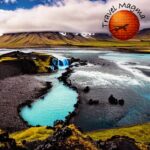
The lake at Sørvágsvatn is obviously iconic, but I found my best shot was actually on a random unmarked pull-off on the road to Saksun.
Just a small waterfall spilling down a cliff into the sea, with a boat floating below it.
Nobody else stopped there.
That’s sort of the Faroe Islands in a nutshell.
The best stuff is usually the thing you find when you weren’t looking for anything.
🗼 I Wrote a Book About My Japan Travel Catastrophes!
Before I landed in Tokyo, I thought I was the “Final Boss” of international travel. Spoiler alert: I WASN’T. 😅
🚅 I boarded the wrong Shinkansen and ended up in THE WRONG CITY. I confused locals with my “expert” bowing that was more awkward than accurate. I accidentally stumbled into a high-stakes Kendo practice thinking it was a tourist show. Sound like something you’d do?
“Things I Wish I Knew Before Going to Japan” is your shortcut to avoiding ALL my cringe-worthy mistakes. ✨ Inside, you’ll find practical, LIFE-SAVING tips on etiquette, transport, money, and hidden gems that will save you time, money, and a whole lot of confusion.
Budget Reality — What This Trip Actually Costs

I’ll be real with you: the Faroes aren’t cheap.
It’s a remote North Atlantic island chain.
Everything gets shipped in or produced locally.
That has a cost.
Accommodation ranges from small guesthouses — which I preferred — to a handful of higher-end hotels in Tórshavn.
Expect to pay more than you would in, say, Portugal or Croatia for the same quality of room.
Food in restaurants is solid but adds up.
I found that self-catering for breakfast and lunch — picking up groceries from the supermarket — kept my budget reasonable without sacrificing experience.
Dinner out every night felt worth it, because the restaurants are genuinely good and it’s part of the social fabric of the place.
Rental cars are moderately priced, and splitting one between two people makes the trip significantly more affordable.
Activities are mostly free — the hikes, the drives, the viewpoints.
You’re not paying entrance fees to stand on a cliff.
The honest budget floor for a week, including flights, accommodation, car, and food, is going to be real money.
But I’d rank it as one of the best dollar-for-experience trips I’ve ever taken.
The ROI on wonder is extremely high in the Faroe Islands.
One Thing I’d Tell My Past Self Before Going

Stop worrying about the weather.
This was my biggest pre-trip anxiety.
I read so many trip reports about canceled hikes, grounded flights, days lost to rain.
And yes, some of that happened to me.
One of my planned hikes got rained out.
A viewpoint I wanted to shoot was socked in with fog for a full day.
And every single time, something else appeared.
The foggy viewpoint became this surreal, dreamy scene I wouldn’t have planned for.
The rained-out hike led me to drive to Kirkjubøur on a whim, which ended up being one of the most moving experiences of the whole trip.
The Faroes have a way of redirecting you toward something better than what you planned.
I think that’s a metaphor for something, but I’m not sure what.
What I do know is that the travelers who love this place most are the ones who hold their plans loosely.
Who say yes to the unexpected detour.
Who don’t panic when the weather app shows clouds for the next five days.
Because behind those clouds is some of the most beautiful, raw, unforgettable landscape on the planet.
And it’s waiting for you whenever you’re ready to go get it.