
Rainy days and chilly afternoons don’t have to mean bored kids bouncing off the walls anymore.
These creative indoor adventures will transform your home into the most exciting playground your children have ever experienced, and you’ll be amazed at how simple household items can spark hours of pure joy and learning.
Transform Your Living Room Into an Epic Escape Room

Creating a DIY escape room right in your own home will have your kids talking about it for weeks.
Start by choosing a theme that excites your children, whether it’s pirates searching for treasure, secret agents on a mission, or explorers discovering ancient mysteries.
Hide clues around different rooms using riddles, puzzles, and physical challenges that match your kids’ ages and abilities.
You can create lock combinations using birthday dates, spell out words with magnetic letters on the fridge, or even hide puzzle pieces inside books.
Set up different “stations” where kids must complete tasks like building a tower with blocks to reach a hidden key, or solving math problems to unlock the next clue.
The beauty of a home escape room is that you can customize every detail to your children’s interests and skill levels.
Turn off most lights and use flashlights to add mystery and excitement to the atmosphere.
Create a backstory with props you already have around the house – old maps, magnifying glasses, costume jewelry, or even kitchen utensils can become important “artifacts.”
Time the adventure and offer small prizes or treats as rewards for successful completion.
Your kids will develop problem-solving skills, learn to work together as a team, and experience the thrill of discovery all while staying safely indoors.
The best part is that you can easily modify and reuse the same concept with different themes and challenges whenever you need an engaging activity.
This adventure costs practically nothing but delivers memories that will last a lifetime, and you’ll find yourself having just as much fun watching your kids work through each puzzle and challenge.
Create an Indoor Camping Adventure That Rivals the Great Outdoors

Indoor camping brings all the excitement of outdoor adventures right into your living room without any of the usual hassles.
Start by gathering every blanket, sheet, and pillow you can find to create the ultimate camping setup.
Use dining room chairs, couches, and coffee tables as anchor points to build elaborate tent structures that your kids can crawl through and explore.
String up fairy lights or use battery-operated lanterns to create that magical camping atmosphere that makes everything feel special and cozy.
Pack “camping meals” like sandwiches, trail mix, and juice boxes in small backpacks or picnic baskets to make the experience feel authentic.
Set up sleeping bags on the floor and encourage your kids to “sleep” in their indoor tent, even if it’s just for afternoon quiet time.
Create camping activities like indoor “fishing” using a cardboard box decorated as a pond and magnetic fishing rods made from sticks and magnets.
Tell ghost stories using flashlights to create spooky shadows on the walls, or read adventure books about wilderness explorers and brave campers.
Make s’mores using your kitchen stove or oven, letting kids safely participate in this classic camping tradition.
Play nature sound recordings from your phone or computer to simulate the peaceful sounds of the wilderness.
Organize a scavenger hunt where kids search for “wildlife” – stuffed animals you’ve hidden around the house.
Create binoculars from toilet paper rolls and encourage your children to be nature observers, spotting different “animals” throughout your home.
This indoor camping experience teaches kids about nature and outdoor skills while keeping them engaged for hours in creative play that doesn’t require any expensive equipment or perfect conditions outside.
Turn Your Kitchen Into a Bubbling Science Laboratory

Your kitchen contains everything needed to create fascinating science experiments that will amaze and educate your children simultaneously.
Start with classic volcano eruptions using baking soda, vinegar, food coloring, and dish soap to create dramatic fizzing reactions that never get old.
Mix different ratios of ingredients to show kids how changing measurements affects the intensity and duration of the chemical reactions.
Create rainbow milk experiments by adding drops of food coloring to milk and touching them with cotton swabs dipped in dish soap to watch colors dance and swirl magically.
Grow crystals using salt, sugar, or Epsom salts dissolved in hot water, then hang strings in the solution to watch beautiful formations develop over several days.
Make slime using glue, contact lens solution, and shaving cream to teach kids about polymers and chemical bonding in a hands-on way.
Demonstrate density with layered liquids like honey, corn syrup, dish soap, water, and oil to create colorful towers that show how different substances interact.
Create invisible ink using lemon juice and reveal secret messages by holding the paper near warm light bulbs.
Make bouncing balls from borax, glue, and water to explore elasticity and chemical reactions that create new materials with different properties.
Set up color-changing experiments using pH strips and household items like lemon juice, baking soda, and antacids to teach basic chemistry concepts.
Document each experiment in a special science notebook, encouraging kids to make predictions, observe results, and draw conclusions like real scientists.
These kitchen science adventures build curiosity about the natural world while teaching valuable lessons about observation, hypothesis testing, and following safety procedures during exciting hands-on learning experiences.

🗼 I Wrote a Book About My Japan Travel Catastrophes!
Before I landed in Tokyo, I thought I was the “Final Boss” of international travel. Spoiler alert: I WASN’T. 😅
🚅 I boarded the wrong Shinkansen and ended up in THE WRONG CITY. I confused locals with my “expert” bowing that was more awkward than accurate. I accidentally stumbled into a high-stakes Kendo practice thinking it was a tourist show. Sound like something you’d do?
“Things I Wish I Knew Before Going to Japan” is your shortcut to avoiding ALL my cringe-worthy mistakes. ✨ Inside, you’ll find practical, LIFE-SAVING tips on etiquette, transport, money, and hidden gems that will save you time, money, and a whole lot of confusion.
Host an Unforgettable Living Room Dance Party and Concert

Transform your living room into the hottest venue in town where your kids become the star performers of their own music festival.
Clear furniture to create a proper dance floor and use colored lights, disco balls, or even phone flashlights to create an authentic concert atmosphere.
Let each child choose their favorite songs and create a playlist that includes different genres to expose them to various types of music and rhythms.
Provide props like scarves, ribbons, maracas, or homemade instruments crafted from pots, pans, and wooden spoons to enhance their performances.
Set up a “stage area” using a sturdy coffee table or cleared space where kids can take turns being the featured performer while others cheer and dance along.
Create different dance challenges like freeze dance, limbo contests, or follow-the-leader movements that get everyone moving and laughing together.
Encourage kids to make up their own dance moves and teach them to siblings or friends, building confidence and creativity through physical expression.
Use a phone or camera to record short performance videos that kids can watch later and share with family members who couldn’t attend the concert.
Make concert tickets, programs, and backstage passes using construction paper and markers to add professional touches that make the experience feel official.
Organize dance-offs where different family members compete in friendly battles, with silly prizes like extra dessert or choosing the next movie for family night.
Teach simple line dances or traditional folk dances that help kids learn coordination while connecting them to cultural traditions and music history.
Create a “green room” area with snacks and drinks where performers can rest between sets and plan their next amazing performance.
This musical adventure develops rhythm, coordination, self-confidence, and appreciation for different types of music while providing excellent physical exercise and family bonding time.
Establish a Professional Art Gallery in Your Own Home

Creating a home art gallery elevates your children’s creativity while teaching them about artistic expression, presentation, and the value of their own work.
Designate specific wall spaces or use portable easels to display artwork, treating each piece with the same respect you’d find in professional museums.
Provide various art supplies including paints, colored pencils, markers, collage materials, and clay to let kids explore different artistic mediums and techniques.
Assign each child their own “exhibition space” where they can curate and arrange their artwork exactly how they want visitors to experience it.
Create official-looking labels for each artwork that include the title, artist name, date created, and a brief description of the inspiration behind the piece.
Organize themed art challenges like “paint your favorite memory,” “create an imaginary animal,” or “design your dream house” to spark creativity and storytelling.
Host formal gallery opening events where family members dress up, walk through the exhibitions, and discuss the artwork like professional art critics.
Encourage kids to explain their artistic choices, color selections, and creative processes to develop communication skills and artistic vocabulary.
Rotate exhibitions regularly so children stay motivated to create new works and experiment with different styles and techniques.
Take high-quality photos of artwork to create digital portfolios that preserve these creative memories even after physical pieces are recycled or stored.
Invite grandparents, neighbors, or friends to special viewing events where young artists can share their work with appreciative audiences.
Set up areas for collaborative projects where multiple children work together on large murals or group sculptures that teach cooperation and shared creative vision.
This artistic environment builds confidence, develops fine motor skills, encourages self-expression, and helps children understand that their creative efforts have real value and deserve recognition and respect.
Design an Elaborate Indoor Treasure Hunt Adventure

Indoor treasure hunts transform your entire house into an exciting adventure map where every room holds potential discoveries and challenges.
Start by creating a compelling storyline about pirates, explorers, or adventurers who hid valuable treasures throughout your home centuries ago.
Design age-appropriate clues that lead from room to room, incorporating reading, math, logic puzzles, and physical challenges that match your children’s abilities.
Hide small prizes or treats at various checkpoints to maintain excitement and momentum throughout the entire treasure hunting experience.
Use household items as “ancient artifacts” and “mysterious clues” – old keys, costume jewelry, maps drawn on brown paper, and handwritten notes in fancy cursive.
Create riddles that require kids to examine furniture, decorations, and everyday objects from new perspectives to discover hidden meanings and solutions.
Set up physical challenges like crawling under tables, hopping on one foot, or stacking pillows to reach high places where clues might be hidden.
Include family photos, personal memories, and inside jokes in your clues to make the hunt feel personalized and meaningful to your specific children.
Use technology creatively by having kids take photos of certain objects, record videos of themselves completing challenges, or use devices to decode secret messages.
Establish a “treasure hunter’s base camp” where kids can return to plan their next moves, examine clues more carefully, and celebrate their discoveries.
Create maps of your house that mark different locations with X’s, mysterious symbols, and pathways that guide adventurers through their quest.
The final treasure should be something special but doesn’t need to be expensive – perhaps a new book, art supplies, or a certificate declaring them official treasure hunters.
This adventure develops problem-solving skills, reading comprehension, spatial awareness, and persistence while creating lasting memories of excitement and accomplishment.
Construct an Epic Blanket Fort Empire

Blanket fort construction combines engineering, creativity, and cozy comfort into one incredible indoor adventure that transforms ordinary furniture into magical kingdoms.
Gather every blanket, sheet, pillow, and cushion in your house to create the building materials for elaborate architectural projects.
Use chairs, tables, couches, and other furniture as the structural foundation for multi-room complexes that kids can crawl through and explore.
Secure blankets with clothespins, binder clips, or even books to create stable walls and roofs that won’t collapse during active play.
Design different themed rooms within the fort empire – perhaps a royal throne room, a cozy reading nook, a secret planning chamber, or a restaurant area.
Add lighting with battery-operated fairy lights, lanterns, or flashlights to create magical ambiance that makes the fort feel like a special sanctuary.
Create “windows” by leaving gaps in blanket walls or using clear plastic wrap to let natural light filter through the structure.
Establish rules and traditions for the blanket fort kingdom, like special passwords for entry, quiet time periods, or ceremonial snack times.
Include storage areas where kids can keep special treasures, books, toys, or art supplies within easy reach of their fort activities.
Plan activities specifically designed for fort life like puppet shows, shadow games on blanket walls, or storytelling sessions in hushed, conspiratorial voices.
Document the construction process with photos and let kids draw maps or blueprints of their architectural creations to develop spatial planning skills.
Encourage collaborative building where multiple children work together to solve engineering challenges and negotiate design decisions as a team.
Leave the fort standing for several days if possible, allowing kids to return repeatedly and modify their creation as new ideas and improvements occur to them.
This construction adventure develops spatial reasoning, engineering concepts, cooperation skills, and provides a special retreat space where imagination can flourish without any outside distractions.
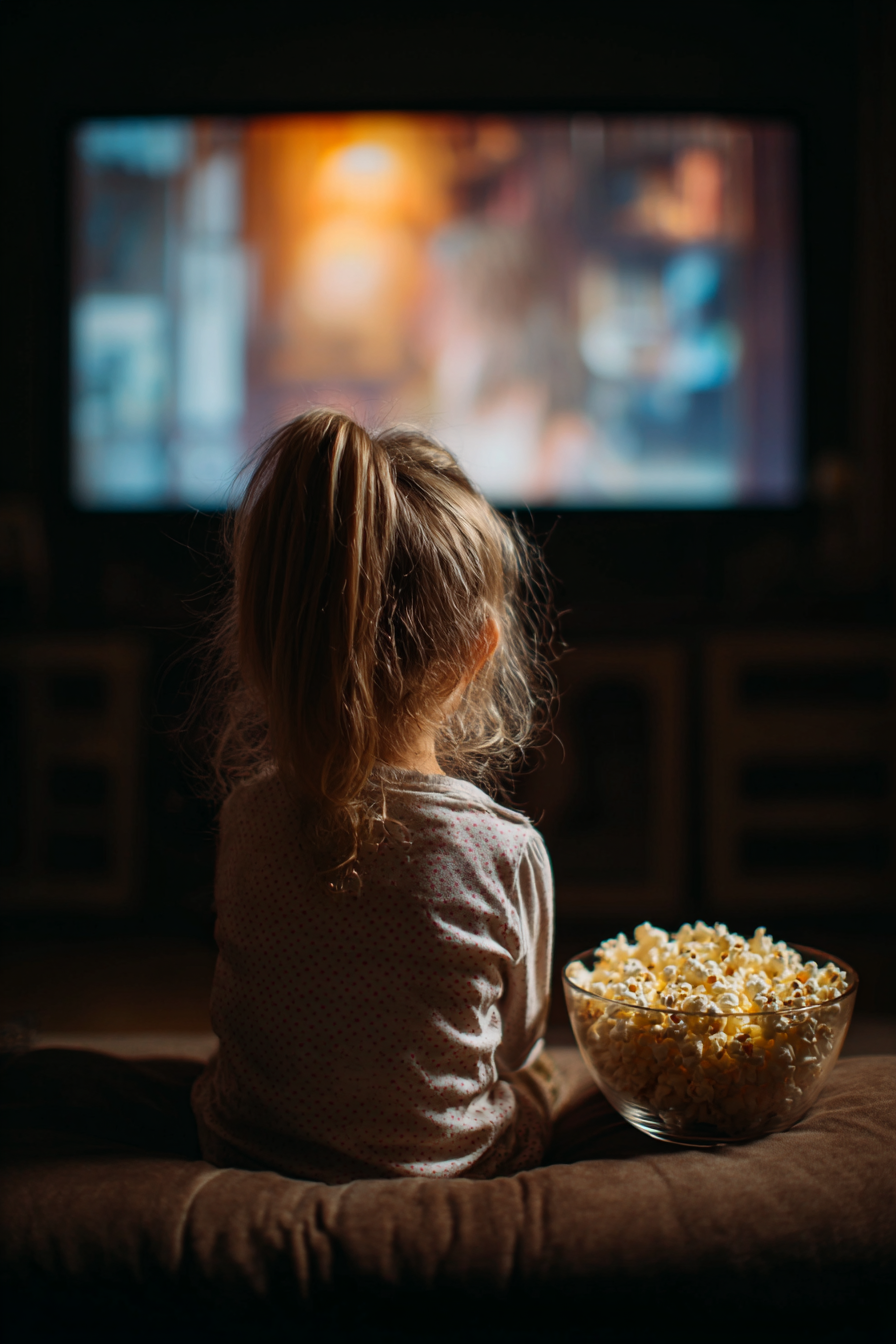
Create a Cinematic Home Theater Experience

Transform your living room into a premium movie theater that rivals any commercial cinema with personalized touches that make the experience uniquely special.
Start by rearranging furniture to create stadium-style seating using pillows, blankets, and cushions arranged at different heights for optimal viewing.
Dim all lights and use a projector if available, or simply make your TV screen the focal point by eliminating other light sources and distractions.
Create authentic movie theater snacks like popcorn with different seasonings, candy in small containers, and drinks served in special cups with lids and straws.
Design and print official movie tickets for each showing, complete with seat assignments, show times, and fancy graphics that make the experience feel professional.
Let kids take turns being movie critics who introduce films, discuss plots, and give star ratings after each viewing session.
Set up a concession stand using a small table covered with a tablecloth where kids can “purchase” snacks using play money or tickets.
Create movie-themed decorations like red carpet runners, Hollywood star cutouts, or posters advertising the featured films of the day.
Encourage kids to dress up according to movie themes – pajamas for family films, superhero costumes for action movies, or fancy clothes for special premiere events.
Plan intermissions with discussion time where family members share favorite scenes, predict what might happen next, or play games related to the movie.
Include short documentaries, animated shorts, or behind-the-scenes features to create a full entertainment program that educates as well as entertains.
Take photos of the movie theater setup and the audience enjoying their films to create lasting memories of these special family entertainment experiences.
This cinematic adventure develops appreciation for storytelling, visual arts, and different genres while creating cozy family bonding time that everyone will treasure.
Start an Indoor Garden Paradise

Indoor gardening brings the magic of growing plants and nurturing life right into your home, creating ongoing projects that teach responsibility and patience.
Begin with easy-to-grow options like herbs, sprouts, or small vegetables that germinate quickly and provide visible progress to keep kids engaged and excited.
Use various containers like mason jars, yogurt cups, or proper small pots to create a diverse garden setup that fits perfectly on windowsills or tables.
Plant seeds like beans, sunflowers, or radishes that grow rapidly and produce dramatic changes that kids can observe and measure daily.
Create a garden journal where children record planting dates, watering schedules, growth measurements, and drawings of their plants’ development over time.
Establish daily care routines that teach responsibility as kids learn to check soil moisture, provide adequate light, and monitor their plants’ health.
Experiment with different growing methods like hydroponics using clear containers so kids can observe root development and understand how plants absorb nutrients.
Include flowering plants like marigolds or zinnias that will eventually produce colorful blooms, providing long-term projects with beautiful, rewarding results.
Set up grow lights if natural light is limited, teaching kids about photosynthesis and the specific needs different plants have for healthy development.
Create plant identification cards and research the origin countries of different plants to incorporate geography and cultural learning into gardening activities.
Plan harvesting celebrations when herbs or vegetables are ready to eat, incorporating homegrown ingredients into special family meals or snacks.
Encourage kids to share seeds, cuttings, or small plants with friends and neighbors, spreading the joy of gardening while building community connections.
This growing adventure develops scientific observation skills, responsibility, patience, and environmental awareness while providing fresh herbs and vegetables for family meals.
🗼 I Wrote a Book About My Japan Travel Catastrophes!
Before I landed in Tokyo, I thought I was the “Final Boss” of international travel. Spoiler alert: I WASN’T. 😅
🚅 I boarded the wrong Shinkansen and ended up in THE WRONG CITY. I confused locals with my “expert” bowing that was more awkward than accurate. I accidentally stumbled into a high-stakes Kendo practice thinking it was a tourist show. Sound like something you’d do?
“Things I Wish I Knew Before Going to Japan” is your shortcut to avoiding ALL my cringe-worthy mistakes. ✨ Inside, you’ll find practical, LIFE-SAVING tips on etiquette, transport, money, and hidden gems that will save you time, money, and a whole lot of confusion.
Build Amazing Time Capsules for Future Discovery

Creating time capsules transforms ordinary moments into treasured memories while teaching kids about the passage of time and the value of preserving special experiences.
Start by selecting sturdy containers like plastic storage boxes, mason jars, or metal tins that can safely protect contents from moisture and damage over time.
Encourage each child to choose meaningful items that represent their current interests, achievements, and personality – favorite photos, drawings, small toys, or handwritten letters.
Include current newspapers, magazines, or printouts of news stories to provide historical context about what was happening in the world during the time capsule creation.
Write letters to future selves describing current hopes, dreams, favorite activities, friends, and predictions about what life might be like when the capsule is opened.
Document current physical statistics like height, weight, shoe size, and handprints to show how much kids will grow and change over the years.
Include lists of current favorite songs, movies, books, foods, and games to capture the specific cultural moments and personal preferences of this time period.
Add small samples of current trends like stickers, trading cards, or popular toy figures that represent what kids find exciting and important right now.
Create multiple time capsules with different opening dates – six months, one year, five years – to provide various timeline experiences and anticipation.
Involve extended family by having grandparents, aunts, uncles, or close friends contribute items or letters that add different perspectives to the collection.
Plan elaborate opening ceremonies when the designated time arrives, complete with special meals, photography, and discussions about how things have changed.
Store time capsules in secure locations and mark calendars with opening dates to ensure these special projects aren’t forgotten over time.
This preservation adventure develops understanding of time concepts, personal reflection skills, and appreciation for growth and change while creating meaningful family traditions.
These incredible indoor adventures prove that staying inside doesn’t mean staying bored.
Each activity transforms your home into an exciting destination where learning, creativity, and family bonding happen naturally, and you’ll discover that the most memorable experiences often come from the simplest ideas combined with imagination and enthusiasm.