
Yes, you can eat the fish out of Lake Okeechobee.
Even with a blue-green algae bloom on the water, fillets from healthy fish are safe to eat.
The October 23 alert from the Florida Department of Health’s Glades County office came after a water sample taken 2 days earlier, on October 21, turned up blue-green algae toxins.
Its fish advice matches the alerts before it: rinse the fillets with tap or bottled water, throw out the guts and cook the fish thoroughly.
So I wouldn’t skip the fish over the algae.
Mercury is the limit I’d watch, and for bass it’s tighter than you might guess.
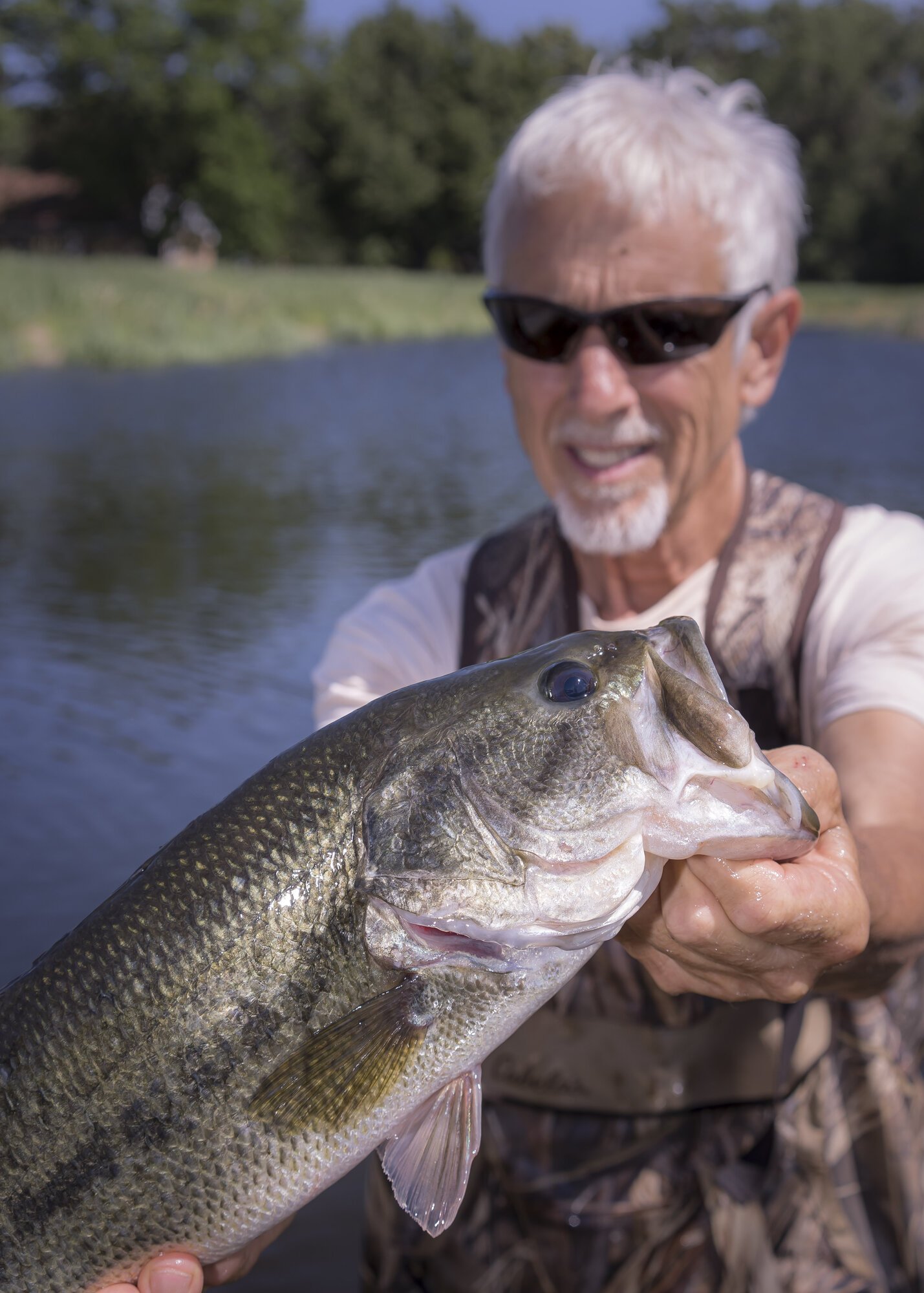
The department’s fish advisory puts largemouth bass from the lake at one meal a month for women of childbearing age and young children.
The line to remember: keep the fillets, toss the guts, and check the mercury list before bass goes on the menu.

What the 2026 Algae Alerts Say About the Fish

With alerts coming this often, I’d check for a fresh one before every trip.
Glades County put out alerts on September 9, October 8 and October 23.
Martin County’s came on September 18, for samples taken on September 15 at a spot labeled NES135.
Every one carries the same fish advice, and every one says to skip shellfish from water with a bloom.
Here’s why a fillet passes when the water doesn’t.
Fish from bloom water have been tested, and the toxins don’t build up significantly in the muscle, which is the fillet.
They can build up in other organs, and that’s why the guts go in the trash.
The advice is for healthy fish.
Dead, diseased or abnormally behaving fish or wildlife should be reported to the Florida Fish and Wildlife Conservation Commission (FWC), online or at 800-636-0511.
Honestly, if a fish looks off, I’d make the call and leave it out of the cooler.
It’s also advice about the fillet, with the guts thrown out.
Lake water is its own problem.
Don’t cook with water from a bloom or clean dishes in it, and don’t count on boiling it, because boiling won’t get rid of the toxins.
That’s why the rinse is tap or bottled water (not a bucket over the side of the boat).
I’d pack that water before heading out.
There’s no real off-season for this, either.
Blooms can show up any time of year, though they’re more frequent in summer and fall.
And you can’t always see one, since blue-green algae can be in the water without showing as a bloom.
Sensitive people get stricter advice.
Children, the elderly and anyone who’s immunocompromised should avoid any exposure, because even low concentrations may put them at risk.
If algae or discolored water that smells unpleasant gets on your skin or clothes, wash with soap and water.
Symptoms from exposure go to the Florida Poison Information Center at 800-222-1222, where you’ll speak to a poison specialist.
Want current toxin results before you go?
The Florida Department of Environmental Protection (DEP) and its partners sample reported blooms.
The results go up on Protecting Florida Together or on DEP’s Algal Bloom Dashboard.
Planning the trip around the weather?
Here’s which part of Florida has the best weather.
Mercury: The Limit That Actually Counts

Mercury is a different file.
The algae alerts cover the water.
How often you eat the fish gets set somewhere else: the health department’s fish advisory.
Its listing for Lake Okeechobee and Rim Canals covers Glades, Hendry, Martin, Okeechobee and Palm Beach counties, and every fish on it is listed for mercury.
A meal, in the department’s guide, is 6 oz of cooked fish.
In meals that size, this is what the advisory lists for the lake:
- Largemouth bass: one meal per month for women of childbearing age and young children. Everyone else, one per week.
- Black crappie, bluegill and white catfish: one per week for women of childbearing age and young children. Everyone else, two per week.
- Redear sunfish, channel catfish, brown bullhead catfish and Mayan cichlid: two per week for everyone.
Bass is the outlier, and it’s also one of the two fish the lake is known for nationally.
Bit of a twist, honestly.
If I wanted the most meals out of a trip, I’d stick to the two-a-week fish.
Developing fetuses and young children are more sensitive to mercury’s effects on the brain than other people, so women of childbearing age and young children get the lower limits.
For most people, the risk from eating fish exposed to mercury isn’t a health concern.
But the meals add up.
The amount from each water body gets added together to figure the monthly maximum, and fish from commercial, untested or unknown sources count toward that total too.
So yes, the restaurant fish sandwich goes on the same tab.
I’d keep a rough count.
Fishing a pond that isn’t in the advisory?
For fish caught by family or friends, check for an advisory first.
If there isn’t one, eat only one serving of that fish and no other fish that week.
That’s the FDA’s rule of thumb for anyone who is or might become pregnant, is breastfeeding or is feeding kids.
What People Catch on Lake Okeechobee

Start with the size.
The lake covers 730 square miles and averages only nine feet deep.
It’s Florida’s largest lake and the second largest body of fresh water in the contiguous United States.
For contrast, here’s the deepest freshwater lake in Florida.
And if you’re wondering, it’s fresh water all the way (more on whether Lake Okeechobee is saltwater or freshwater).
Nationally, the lake is known for its largemouth bass and its black crappie (also called speck).
There’s a commercial side too.
The commercial fishery is dominated by catfish.
It’s also nationally unique, because a limited-entry fishery of ten haul seine nets is permitted to harvest and sell bluegill and redear sunfish.
Then there are the big bass.
TrophyCatch is FWC’s program that rewards anglers for documenting and releasing trophy bass of 8 pounds or larger.
Its tracker counts 502 Lunker Club bass (8 to 9.9 pounds) and 70 Trophy Club bass (10 to 12.9 pounds) submitted from the lake.
The program is built on letting those fish go, which suits the mercury list fine.
If you’ve booked a guide to chase one, I’d count the photo as the prize.
Nutrients matter here, too.
Excess nutrients are among the things that contribute to blooms.
Control Structure S-191 controls water flow into the lake, and the S-191 basin is one of four priority basins in the lake’s watershed that contribute the highest phosphorus concentrations and loads, 35 percent of the total, to the lake.
More on how the lake works: whether Lake Okeechobee connects to the ocean, why there’s a berm around it and why it gets drained.

🗼 I Wrote a Book About My Japan Travel Catastrophes!
Before I landed in Tokyo, I thought I was the “Final Boss” of international travel. Spoiler alert: I WASN’T. 😅
🚅 I boarded the wrong Shinkansen and ended up in THE WRONG CITY. I confused locals with my “expert” bowing that was more awkward than accurate. I accidentally stumbled into a high-stakes Kendo practice thinking it was a tourist show. Sound like something you’d do?
“Things I Wish I Knew Before Going to Japan” is your shortcut to avoiding ALL my cringe-worthy mistakes. ✨ Inside, you’ll find practical, LIFE-SAVING tips on etiquette, transport, money, and hidden gems that will save you time, money, and a whole lot of confusion.
What You Can Keep From Lake O

License first.
Florida residents and visitors need a Florida hunting, freshwater fishing or saltwater fishing license when they’re fishing or hunting.
Youth under 16 are exempt.
So are resident seniors 65 or older with proof of age or residency, and anyone fishing fresh water on one of the free freshwater fishing days.
I’d check that list before leaving the license at home.
Planning to fish? The free Florida Fishing License Checker tells you whether you need a Florida license, which one and what it costs.
Now the daily limits, per angler.
Bass: five, and only one of them can be 16 inches or longer.
There’s no minimum length for Florida or largemouth bass, a statewide rule that replaced the lake’s old special bass regulation.
Black crappie under 10 inches go back on Lake O. The bag limit is 25.
Bluegill and redear sunfish (shellcracker) count as panfish: 50 a day, individually or in total.
There’s a possession cap on top of that.
You can’t have more than two days’ bag limit of freshwater game fish in your possession.
Watch the knife, too.
You can’t fillet a black bass, or take off its head or tail fin, until you’ve completed fishing for the day.
Black crappie and panfish fall under the same rule only in waters where minimum-length or slot-size limits apply to them.
Lake O has a minimum of 10 inches for black crappie.
Read together, those two rules mean your specks stay whole until you’re done.
I’d keep the knife in the tackle box until the last cast.
The bag limit is a ceiling, not a meal plan.
If you’re keeping fish to eat, the mercury list is the one I’d plan around.
Cleaning and Cooking a Lake O Fish

It comes down to three steps.
Rinse the fillets with tap or bottled water.
Throw out the guts.
Cook the fish thoroughly.
That’s it, really.
I’d write the three steps on the cooler lid.
The catch is the water.
Bloom water isn’t for cleaning, and boiling won’t fix it, so bring your own.
A jug of tap water in the truck handles the rinse and costs you next to nothing.
Bring some for the dog as well.
Water with an algae bloom isn’t safe for animals.
Pets and livestock should use an alternative source of water while a bloom is there, and they should be kept away from the area.
Shellfish from bloom water stay off the menu.
And if algae or smelly, discolored water gets on your skin or clothes, wash with soap and water.
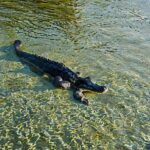
If gators are on your mind too, here’s the most alligator-infested lake in Florida, and whether any Florida lake has no alligators.
Lake Okeechobee Fish FAQs

Can you eat bass from Lake Okeechobee?
Yes, within the mercury advice.
The department’s Lake O listing says one meal per month for women of childbearing age and young children.
Everyone else gets one per week.
Only one of your five bass a day may be 16 inches or longer.
Is it safe to eat fish from Lake Okeechobee during an algae bloom?
Fillets from healthy fish caught in freshwater lakes with blooms are safe.
Rinse them with tap or bottled water, throw out the guts and cook them thoroughly.
Shellfish from bloom water are a no.
Can you eat catfish from Lake Okeechobee?
Yes.
Channel and brown bullhead catfish are two meals a week for everyone in the department’s listing.
White catfish is one a week for women of childbearing age and young children, and two for everyone else.
Can you swim in Lake Okeechobee?
Not where there’s a bloom, and I’d stay out of it.
Don’t drink the water, swim, wade, ride a personal watercraft or touch the water anywhere you can see a bloom.
For the full answer, read is it safe to swim in Lake Okeechobee.
Sources
Sources checked November 20, 2026.
- Florida Department of Health in Glades County: blue-green algae health alert, October 23, 2026
- Florida Department of Health in Glades County: alert, October 8, 2026
- Florida Department of Health in Martin County: alert, September 18, 2026
- Florida Department of Health in Glades County: alert, September 9, 2026
- Florida Department of Health: harmful algal blooms
- Florida Department of Health: fish advisory search
- Florida Department of Health: Your Guide to Eating Fish Caught in Florida (June 2021 edition)
- FWC: Lake Okeechobee fishing
- FWC: freshwater bag limits
- FWC: do I need a license (exemptions)
- South Florida Water Management District: Lake Okeechobee
- FDA: advice about eating fish