
Yosemite National Park isn’t just another pretty place on a postcard – it’s a playground where granite giants meet rushing waterfalls and adventure calls from every trail.
Before you pay at the gate, check the free national park pass calculator: the $80 pass often costs less.
If you’re craving heart-pounding thrills or soul-stirring moments in nature, this iconic park delivers experiences that’ll stick with you long after you’ve packed up your tent.
Scale the Legendary Half Dome

You’ll find yourself staring up at one of America’s most iconic rock formations, and yes, you can actually climb to the top of this granite beast.
The Half Dome adventure starts before dawn when you lace up your hiking boots in the darkness, knowing you’re about to tackle one of the most challenging day hikes in the country.
Your journey begins on the Mist Trail, where you’ll feel the spray of Vernal Fall cooling your face as you climb the granite steps carved into the mountainside.
The trail winds through forests of towering pines and opens up to reveal breathtaking views of the valley floor shrinking below you.
After hours of steady climbing, you’ll reach the Sub Dome, where the real adventure begins – those famous cables that lead to the summit.
You’ll grip the metal cables with gloved hands, pulling yourself up the steep granite face while your heart pounds with excitement and adrenaline.
The final push to the summit tests every muscle in your body, but when you finally stand on top of Half Dome, the 360-degree views will take whatever breath you have left.
From 8,842 feet above sea level, you’ll see the entire Yosemite Valley spread out like a living map, with waterfalls cascading down distant cliffs and granite domes rising all around you.
The sense of accomplishment you’ll feel standing on this legendary summit is unlike anything else – you’ve just conquered one of the most famous mountains in America.
You’ll spend precious moments on top taking photos, eating your well-earned lunch, and soaking in views that most people only see in magazines.
The descent brings its own challenges as you carefully navigate the cables again, but the memories you’ve created will fuel your steps all the way back to the valley floor.
Conquer El Capitan’s Vertical World

You’ll crane your neck back until it hurts, trying to see the top of this 3,000-foot granite wall that’s become the ultimate test for rock climbers worldwide.
El Capitan isn’t just a cliff – it’s a vertical city where climbers spend days living on the rock face, sleeping in hanging tents called portaledges thousands of feet above the ground.
Your climbing adventure might start with guided instruction on smaller walls, where experienced guides teach you the basics of big wall climbing techniques.
You’ll learn how to use specialized gear like jumars, aiders, and haul bags while developing the mental fortitude needed for multi-pitch climbing.
The rock itself tells a story millions of years in the making, with granite formations that challenge even the world’s best climbers on routes with names like “The Nose” and “Dawn Wall.”
As you progress up the wall, you’ll discover a unique ecosystem where plants somehow find footholds in tiny cracks, and birds nest on ledges that seem impossible to reach.
Each pitch brings new challenges and rewards, from technical crack climbing that requires precise hand and foot placement to sections where you’ll feel like you’re dancing up the granite face.
The exposure is incredible – looking down from hundreds of feet up, you’ll see cars in the valley that look like tiny toys and people who appear as moving dots.
Your hands will develop a intimate relationship with the granite, reading the rock’s texture and finding holds that aren’t visible from below.
The camping experience on El Capitan is unforgettable, with portaledge nights where you’ll fall asleep looking up at more stars than you’ve ever seen.
When you finally top out after days on the wall, you’ll join an exclusive club of climbers who’ve experienced one of the world’s most challenging and rewarding big wall adventures.

Your Ultimate Caribbean Adventure Awaits!
Discover hidden coves, secret beaches, and the best rum punches in the islands. Your insider’s guide to Caribbean paradise.
Get Your Guide Now$15.99Disappear Into Backcountry Wilderness

You’ll leave the crowded valley behind and step into a world where your footsteps might be the first human tracks seen in weeks.
The Yosemite wilderness covers over 750,000 acres of pristine backcountry, offering solitude that’s become increasingly rare in our connected world.
Your backcountry permit becomes your ticket to freedom, allowing you to explore remote lakes, climb unnamed peaks, and camp under skies unpolluted by city lights.
The silence in the wilderness is profound – no car engines, no crowds, just the sound of wind through pine trees and the distant call of mountain wildlife.
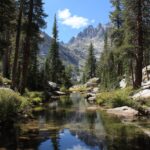
You’ll discover hidden lakes that reflect granite peaks so perfectly they create mirror images that blur the line between reality and reflection.
Your navigation skills will sharpen as you follow faint trails marked only by occasional stone cairns and your own map-reading abilities.
The wildlife encounters in the backcountry are magical – you might spot black bears foraging for berries, deer drinking from alpine streams, or golden eagles soaring overhead.
Each night you’ll set up camp in spots so beautiful they’ll make you question why anyone chooses to sleep indoors.
Your pack becomes your lifeline, carrying everything you need to survive and thrive in the wilderness for days or even weeks at a time.
The physical challenge of carrying a heavy pack over mountain passes and granite slabs will push your endurance to new limits.
You’ll learn to read the mountains like a book, understanding how storms move through the high country and where to find the best water sources.
The mental clarity that comes from days in the wilderness is profound – without digital distractions, you’ll reconnect with yourself and the natural world in ways that transform your perspective on life.
Capture Magic at Tunnel View

You’ll pull into the parking area at Tunnel View and immediately understand why this spot appears on millions of postcards, screensavers, and Instagram feeds.
The viewpoint offers the most famous perspective in Yosemite, with El Capitan standing guard on the left, Bridalveil Fall cascading on the right, and Half Dome presiding over the entire valley.
Your camera will work overtime as you try to capture the perfect shot, but no photograph can truly convey the scale and majesty of what you’re witnessing.
The lighting changes throughout the day, creating different moods and colors that transform the same view into completely different experiences.
Early morning brings soft golden light that kisses the granite faces, while sunset creates dramatic shadows and glowing peaks that photographers dream about.
You’ll join fellow adventurers from around the world, each trying to capture their own interpretation of this iconic view.
The seasons change the character of Tunnel View dramatically – spring brings rushing waterfalls, summer offers clear skies and dramatic clouds, fall adds colorful foliage, and winter creates a snow-covered wonderland.
Your patience will be rewarded as you wait for the perfect moment when clouds part to reveal Half Dome or when the light hits El Capitan just right.
The history of this viewpoint runs deep, as countless photographers including Ansel Adams have stood in this exact spot creating images that defined American landscape photography.
You’ll experiment with different perspectives, climbing on rocks or changing your position to find unique angles that make the familiar view feel fresh and personal.
The emotional impact of standing here is powerful – you’re witnessing one of the most beautiful landscapes on Earth from one of the most perfect vantage points ever discovered.
Your visit to Tunnel View becomes more than just a photo opportunity; it’s a moment of connection with the natural world that reminds you why places like Yosemite must be preserved for future generations.
Chase Waterfalls Like Never Before

You’ll hear Yosemite Falls thundering from miles away during peak snowmelt, when the tallest waterfall in North America transforms into a raging torrent of snowmelt and spring runoff.
The waterfall consists of three distinct sections – Upper Fall, Middle Cascades, and Lower Fall – creating a total drop of 2,425 feet that you can experience from multiple perspectives.
Your waterfall adventure begins at the easy paved trail to Lower Yosemite Fall, where you’ll feel the mist on your face and hear the tremendous roar of water crashing onto granite boulders.
The hike to the top of Upper Yosemite Fall challenges your endurance with switchbacks that climb relentlessly through oak woodlands and granite terrain.
You’ll discover that each waterfall in Yosemite has its own personality – Bridalveil Fall dances in the wind, Vernal Fall soaks hikers on the Mist Trail, and Nevada Fall creates rainbows in its spray.
The seasonal nature of Yosemite’s waterfalls means timing your visit becomes crucial for experiencing them at their most spectacular.
Your camera will capture the power and beauty of these natural wonders, but standing next to a 600-foot waterfall engages all your senses in ways photos can’t convey.
The pools at the base of many waterfalls offer opportunities for brave souls to take refreshing dips in glacier-fed water that’ll take your breath away.
You’ll learn to read the patterns in the falling water, watching how it changes with the light and creates ever-shifting curtains of mist and spray.
The geology behind the waterfalls tells the story of how glaciers carved these granite valleys, creating the hanging valleys that allow water to plunge in spectacular free falls.
Your adventures might include discovering lesser-known waterfalls like Ribbon Fall or Chilnualna Falls, where you’ll often have these natural wonders almost entirely to yourself.
The sound of rushing water becomes a constant companion on your waterfall tours, creating a natural soundtrack that drowns out the stress and noise of everyday life.
Caribbean Paradise Unlocked
From pristine beaches to vibrant local culture, discover the Caribbean’s best-kept secrets with my comprehensive travel guide.
- 120+ Hidden Beach Secrets
- Local Cuisine Guide
- Budget Travel Tips
- Island Hopping Routes
Sleep Under the Darkest Skies

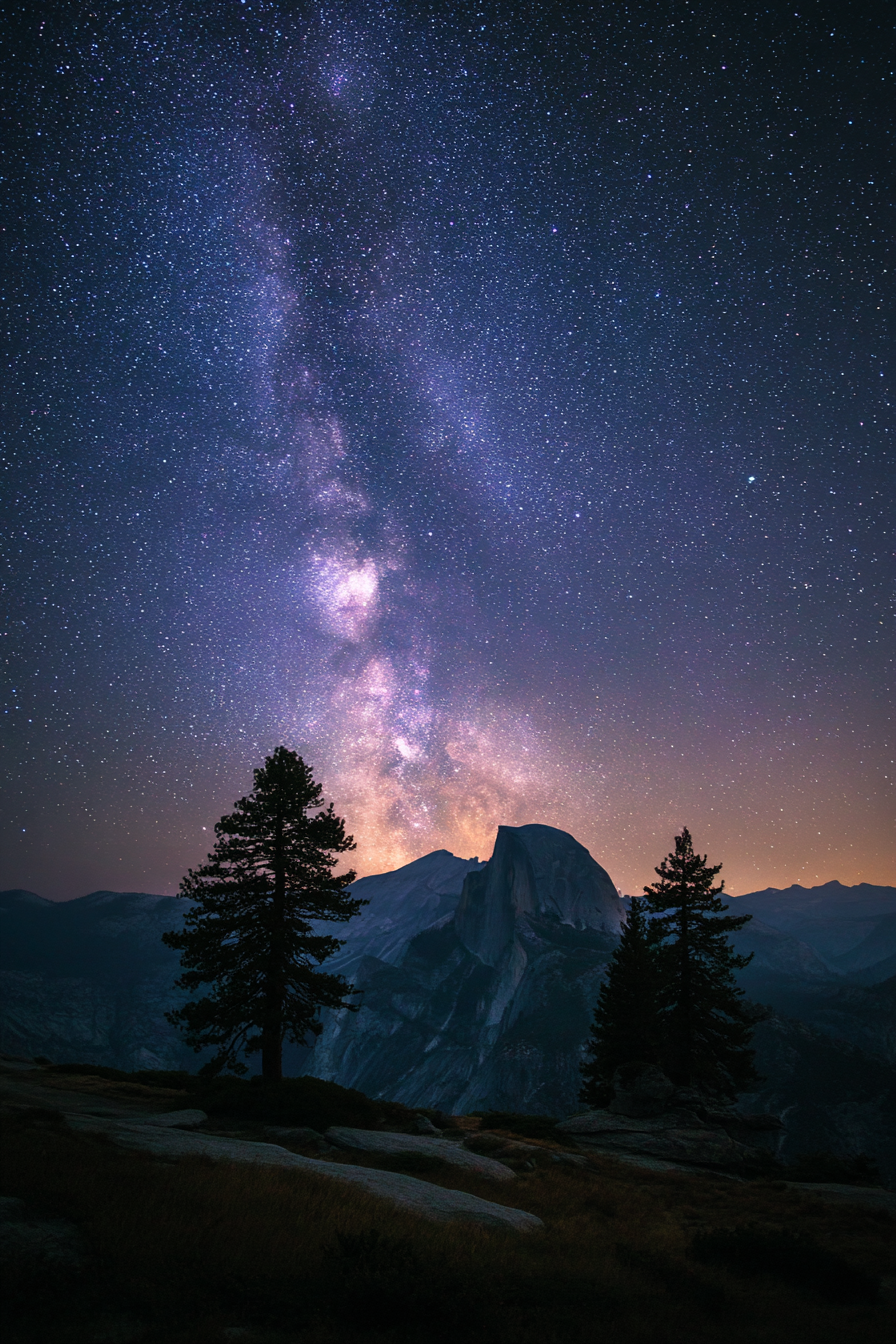
You’ll look up from your sleeping bag and see the Milky Way stretching across the sky in a brilliant display that city dwellers never get to witness.
Yosemite’s designation as a Dark Sky Park means you’re experiencing some of the darkest night skies in California, where light pollution hasn’t yet erased the stars.
Your night photography skills will develop rapidly as you learn to capture star trails, meteor showers, and the galaxy itself arcing over iconic granite formations.
The silence of a Yosemite night is broken only by the occasional hoot of a great horned owl or the distant splash of a beaver in a mountain lake.
You’ll discover that different seasons bring different celestial events – summer offers the brightest Milky Way, winter provides longer nights for stargazing, and fall brings meteor showers.
Your flashlight becomes a precious tool for navigating camp in the darkness, but you’ll learn to move around using only starlight after your eyes fully adjust.
The cold mountain air creates crystal-clear conditions that make planets and star clusters appear close enough to touch with your bare hands.
You’ll identify constellations that have guided travelers for thousands of years, connecting with the same stars that inspired ancient peoples and early explorers.
Your smartphone’s astronomy apps become invaluable tools for identifying satellites, planets, and deep-sky objects that pass overhead throughout the night.
The International Space Station occasionally makes appearances, tracking across the sky like a moving star that reminds you of humanity’s place in the cosmos.
You’ll experience the profound peace that comes from lying on granite slabs in total darkness, surrounded by towering peaks and covered by a canopy of countless stars.
Your camping experience transforms into something magical when the sun sets and Yosemite reveals its nocturnal personality, where every shadow holds mystery and every sound seems amplified in the stillness.
Glide Through Winter Wonderland

You’ll strap on snowshoes or cross-country skis and discover that Yosemite transforms into a completely different park when winter snow blankets the granite domes and pine forests.
The valley floor becomes a pristine white canvas where your tracks might be the first to mark the fresh powder, creating a sense of exploration and discovery.
Your winter adventure takes you through snow-laden meadows where the silence is so complete you can hear individual snowflakes landing on your jacket.
The waterfalls take on a magical quality in winter, with ice formations creating natural sculptures and frozen spray painting the surrounding cliffs in crystalline art.
You’ll bundle up in layers that would seem excessive in any other setting, but the mountain cold demands respect and proper preparation for safe winter exploration.
Your breath creates clouds of vapor that immediately freeze in the crisp air, while your face tingles with the sharp bite of mountain winter.
The shorter daylight hours mean you’ll experience both sunrise and sunset during a single winter day trip, with golden hour light that makes the snow-covered landscape glow.
You’ll discover that winter wildlife viewing offers unique opportunities, with animal tracks in the snow telling stories of nighttime visitors and winter survival strategies.
Your snowshoe or ski route might follow summer hiking trails that are completely transformed by snow, creating new perspectives on familiar landmarks.
The physical challenge of moving through deep snow provides an excellent workout while the beauty of the winter landscape rewards every step.
You’ll learn to read snow conditions for safety, understanding how temperature changes affect avalanche risk and how to recognize safe travel routes.
Your winter camping experience, if you’re brave enough to attempt it, offers solitude and beauty that few people ever experience, with crystalline nights and cozy sleeping systems that keep you warm in sub-freezing temperatures.
Conquer the Legendary Mist Trail

You’ll start your adventure at the Happy Isles trailhead, where the sound of rushing water immediately signals that you’re about to experience one of Yosemite’s most famous and challenging hikes.
The granite steps carved into the mountainside will test your leg muscles and cardiovascular fitness as you climb steadily toward Vernal Fall.
Your first reward comes at the Vernal Fall footbridge, where you’ll catch your breath while taking in views of the 317-foot waterfall and the granite amphitheater that surrounds it.
The mist that gives this trail its name becomes increasingly intense as you climb higher, and you’ll soon understand why waterproof gear is essential equipment.
You’ll grab the cables and handrails as you navigate wet granite steps that can be slippery and treacherous, especially when the spring snowmelt is at its peak.
Your determination will be tested as you push through the mist zone, where you’ll get completely soaked while the thundering waterfall drowns out all conversation.
The view from the top of Vernal Fall provides the perfect reward for your efforts, with pools of emerald water and granite formations that create a natural amphitheater.
You’ll have the option to continue to Nevada Fall, adding another 2 miles and 2,000 feet of elevation gain to create one of the most challenging day hikes in the park.
Your descent requires careful attention to foot placement, as wet granite can be treacherous and many hikers have learned this lesson the hard way.
The John Muir Trail offers an alternative route down that’s longer but less steep, giving your knees a break while providing different perspectives on the same spectacular scenery.
You’ll join the ranks of millions of hikers who’ve completed this iconic trail, carrying memories of physical challenge, natural beauty, and personal accomplishment.
Your Mist Trail adventure becomes a rite of passage for Yosemite visitors, combining physical challenge with some of the most spectacular waterfall views in North America.
Your Ultimate Caribbean Adventure Awaits!
Discover hidden coves, secret beaches, and the best rum punches in the islands. Your insider’s guide to Caribbean paradise.
Get Your Guide Now$15.99Cruise the Valley Floor

You’ll hop on a bike and discover that the flat valley floor offers a completely different perspective on Yosemite’s towering granite walls and rushing waterfalls.
The 12 miles of paved bike paths and roads allow you to cover more ground than hiking while still moving slowly enough to truly appreciate the incredible scenery surrounding you.
Your bike becomes the perfect vehicle for photography stops, allowing you to quickly reach multiple viewpoints and spend time at each location without the exhaustion of long hikes.
The morning hours offer the best biking conditions, with cool temperatures, perfect lighting, and fewer crowds sharing the valley floor with you.
You’ll glide past meadows where deer graze peacefully, seemingly unbothered by the cyclists who share their morning routine.
Your route can include stops at El Capitan Meadow, where you’ll crane your neck to watch climbers barely visible on the massive granite wall above.
The Mirror Lake loop provides a perfect family-friendly biking adventure, with relatively flat terrain and stunning reflections of the surrounding cliffs.
You’ll discover that biking allows you to experience the scale of Yosemite Valley in a way that’s impossible from a car window or hiking trail.
Your rental bike from the valley becomes your ticket to freedom, allowing you to explore at your own pace without worrying about parking or shuttle schedules.
The bike paths connect major attractions and viewpoints, creating efficient routes that maximize your sightseeing time while minimizing travel stress.
You’ll find that the gentle exercise of valley floor biking provides the perfect warm-up for more challenging adventures or the ideal cool-down after strenuous hikes.
Your biking adventure offers accessibility for visitors of all ages and fitness levels, making it possible for entire families to explore Yosemite together while creating shared memories.
Backpack to Cathedral Lakes

You’ll shoulder your overnight pack and leave the crowds behind as you head into the high country toward one of Yosemite’s most spectacular alpine destinations.
The Cathedral Lakes trail starts near Tuolumne Meadows and climbs gradually through subalpine meadows dotted with wildflowers and crossed by crystal-clear streams.
Your first glimpse of Cathedral Peak rising above the treeline will stop you in your tracks, as this granite spire seems to pierce the sky with its dramatic pointed summit.
The trail winds through diverse ecosystems, from dense forest to open granite slabs to alpine tundra, giving you a complete cross-section of Sierra Nevada environments.
You’ll cross John Muir’s beloved Tuolumne Meadows, where the famous naturalist spent countless hours studying and celebrating the high country’s unique beauty.
Your camping spot at Cathedral Lakes provides front-row seats to one of the most dramatic mountain amphitheaters in the Sierra Nevada.
The lakes themselves reflect the surrounding peaks so perfectly that you’ll struggle to determine where the mountains end and their reflections begin.
You’ll discover that the high country operates on different rules than the valley floor – afternoon thunderstorms build quickly, temperatures drop dramatically at night, and the thin air makes every breath precious.
Your evening campfire becomes a gathering point for sharing stories with fellow backpackers while the peaks around you glow with alpenglow.
The fishing in Cathedral Lakes offers opportunities to catch native brook trout while surrounded by some of the most beautiful scenery in the Sierra Nevada.
You’ll wake up to views that most people only see in calendars, with granite peaks catching the first rays of sunrise while the lakes remain mirror-calm in the morning stillness.
Your backpacking adventure to Cathedral Lakes provides the perfect introduction to Yosemite’s high country, combining manageable distances with spectacular rewards and unforgettable wilderness experiences.
These adventures represent just a taste of what Yosemite has to offer.
Each experience will challenge you in different ways while creating memories that’ll last a lifetime.
The park’s granite giants, rushing waterfalls, and pristine wilderness are waiting for you to discover them – so grab your gear and start planning your next great Yosemite adventure.