
California owns 840 miles of Pacific coastline that shape-shifts from rugged wilderness to sun-soaked paradise depending on which direction you’re driving.
You’ll find beaches studded with sea glass, cliffs that drop dramatically into turquoise waters, and coastal towns that look like movie sets because, well, they probably have been.
This isn’t your average beach list – these are the spots that’ll have you canceling your Hawaii plans and realizing the best coastline in America has been sitting in your backyard all along.
Glass Beach, Fort Bragg – Where Trash Became Treasure And Nature Won

Glass Beach proves that nature can turn humanity’s mistakes into something absolutely stunning, transforming decades of dumped garbage into a glittering shoreline of sea glass.
Back in the early 1900s, residents of Fort Bragg used this area as a dump, tossing everything from bottles to appliances straight into the ocean without a second thought.
The Pacific spent the next 50 years tumbling and polishing all that broken glass, smoothing sharp edges into rounded gems that now cover sections of the beach in a rainbow of colors.
You’ll find sea glass in shades of seafoam green, cobalt blue, amber brown, and if you’re incredibly lucky, rare colors like red or orange that came from old car taillights.
The beach sits within MacKerricher State Park, where three former dump sites have been transformed into what might be the most beautiful recycling project on Earth.
Walking across the beach creates a tinkling sound as glass pieces shift under your feet, like nature’s own wind chimes playing with every step.
Taking the glass home is technically discouraged now because decades of collectors have reduced the amount visible on the beach, though plenty of small pieces still peek out between the rocks.
The best time to hunt for sea glass is during low tide after winter storms, when waves churn up fresh pieces from deeper water and deposit them on the shore.
Bring a camera with a macro lens if you have one, because the way sunlight hits these translucent treasures creates photographs that glow with color.
Fort Bragg itself offers a charming downtown area with restaurants, breweries, and shops where you can buy ethically-sourced sea glass jewelry if you want a souvenir without depleting the beach.
The Skunk Train departs from Fort Bragg, offering scenic rail journeys through the redwood forests that make a perfect pairing with your beach visit.
You’ll need to scramble over some rocks to reach the best glass-covered areas, so wear sturdy shoes and watch your footing on the slippery surfaces.
Laguna Beach – Art Galleries, Hidden Coves, And Basketball Court Views

Laguna Beach manages to be simultaneously upscale and laid-back, where million-dollar homes perch on cliffs above coves that feel like private escapes.
The town built its reputation on art, with dozens of galleries lining the streets and the famous Pageant of the Masters bringing paintings to life each summer with real people recreating famous artworks.
But the real masterpieces here are the 30+ beaches and coves tucked between rocky outcroppings, each with its own personality and devoted local following.
Thousand Steps Beach earned its name from the long staircase down the bluff, though it’s actually only 230 steps – apparently, someone couldn’t count or wanted to discourage crowds.
Victoria Beach features a 60-foot tower built in 1926 that looks like something from a medieval castle, giving you serious Rapunzel vibes as waves crash against its base.
Treasure Island Beach hides between two rocky points, accessible through a tunnel carved right through the rock, making you feel like a pirate discovering hidden booty.
The basketball courts at Main Beach provide unexpected entertainment, where pickup games happen against a backdrop of palm trees and ocean that makes even a simple layup look Instagram-worthy.
Main Beach also hosts volleyball tournaments, art festivals, and enough people-watching opportunities to keep you entertained for hours without moving from your beach towel.
The tide pools at Crescent Bay Point Park teem with marine life during low tide, where you can spot sea anemones, crabs, and small fish darting between the rocks.
Forest Avenue and the Pacific Coast Highway intersection serves as the town’s heart, where you can grab acai bowls, fish tacos, or upscale farm-to-table meals depending on your budget and mood.
Parking in Laguna Beach requires patience and cash – lots feed on quarters and credit cards, with prices ranging from $2-3 per hour depending on proximity to the sand.
The Laguna Coast Wilderness Park offers hiking trails above the town, where you can earn panoramic views of the coastline stretching from Catalina Island to San Clemente.
Half Moon Bay – Pumpkin Patches Meet Monster Waves

Half Moon Bay pulls double duty as a charming agricultural town and a serious big-wave surfing destination where professionals risk their lives riding 50-foot monsters.
The Mavericks surf break sits about half a mile offshore, creating waves so massive and dangerous that only the world’s best big-wave surfers dare to paddle out when conditions align.
During winter months, you can watch these daredevils from Pillar Point Harbor, seeing tiny figures drop down wave faces that look more like moving mountains than rideable surf.
But Half Moon Bay offers plenty for those of us who prefer our ocean experiences less life-threatening, starting with the four miles of beaches that stretch along the coast.
Half Moon Bay State Beach actually comprises three separate beaches – Francis, Venice, and Dunes – each offering wide expanses of sand perfect for long walks and kite flying.
The beaches face west, making them prime sunset-watching territory where the sun melts into the Pacific while you bundle up against the cool coastal breeze.
Pillar Point Harbor hosts a fishing fleet and casual seafood restaurants where you can eat fresh-caught fish while watching sea lions beg for scraps from returning boats.
The Half Moon Bay Coastside Trail runs for five miles along the bluffs, connecting beaches and offering elevated views that showcase the dramatic meeting of land and sea.
Downtown Half Moon Bay maintains its historic Main Street charm, with antique shops, bakeries, and the famous Cunha’s Country Store that’s been serving the community since 1900.
Every October, the Half Moon Bay Art and Pumpkin Festival takes over the town, featuring giant pumpkin competitions where winning gourds can weigh over 2,000 pounds.
The nearby Fitzgerald Marine Reserve protects three miles of diverse marine habitats, where tide pooling reveals a universe of creatures that most people never know exist just offshore.
During summer, fog often blankets Half Moon Bay, creating moody atmospheric conditions that make the coastline feel mysterious and primordial, like you’ve traveled back thousands of years.

🗼 I Wrote a Book About My Japan Travel Catastrophes!
Before I landed in Tokyo, I thought I was the “Final Boss” of international travel. Spoiler alert: I WASN’T. 😅
🚅 I boarded the wrong Shinkansen and ended up in THE WRONG CITY. I confused locals with my “expert” bowing that was more awkward than accurate. I accidentally stumbled into a high-stakes Kendo practice thinking it was a tourist show. Sound like something you’d do?
“Things I Wish I Knew Before Going to Japan” is your shortcut to avoiding ALL my cringe-worthy mistakes. ✨ Inside, you’ll find practical, LIFE-SAVING tips on etiquette, transport, money, and hidden gems that will save you time, money, and a whole lot of confusion.
Torrey Pines State Beach – Sandstone Cliffs And Hang Gliders Overhead

Torrey Pines State Beach unfolds beneath 300-foot sandstone cliffs that have been carved by wind and water into shapes that look like something from a Dr.
Seuss book.
The rare Torrey Pine trees that give this place its name grow only here and on Santa Rosa Island, making them among the rarest pine species in the United States.
The beach stretches for miles of flat sand perfect for running, walking, or just staring at the layers of sedimentary rock that tell millions of years of geological history.
You’ll access the beach via steep trails that zigzag down the cliffs, with the Beach Trail being the most direct route that delivers you to the sand in about 10 minutes.
The Broken Hill Trail offers a longer descent with switchbacks that reduce the knee-punishing steepness, making the return climb slightly less brutal at the end of your beach day.
Above you, hang gliders and paragliders launch from the Gliderport, soaring on updrafts created by wind hitting the cliffs, adding colorful wings to the sky like human-sized butterflies.
The beach itself rarely gets crowded because that climb back up filters out anyone not committed, creating a more peaceful experience than the zoo atmosphere of nearby La Jolla.
Lifeguards patrol during summer months, though the surf can be rough with strong rip currents that demand respect and swimming skills beyond basic dog-paddling.
The sandstone cliffs glow in shades of gold, orange, and red during late afternoon, creating a natural light show that photographers time their visits around.
Black’s Beach lies just north of Torrey Pines, notorious for being San Diego’s clothing-optional beach and also home to some of the best surf breaks in the area.
The reserve above the beach offers eight miles of hiking trails through coastal sage scrub, where you’ll spot rabbits, lizards, and if you’re lucky, bobcats prowling the hillsides.
Parking at the main entrance costs $15-25 depending on the day, though you can park for free in the surrounding neighborhood if you don’t mind adding extra walking to your trip.
Monterey Bay – Aquarium, Otters, And Cannery Row History


Monterey Bay combines world-class marine biology with historic charm, creating a coastal destination that educates while it entertains.
The Monterey Bay Aquarium anchors the experience, showcasing the incredible biodiversity of the bay with exhibits featuring everything from mesmerizing jellyfish to playful sea otters.
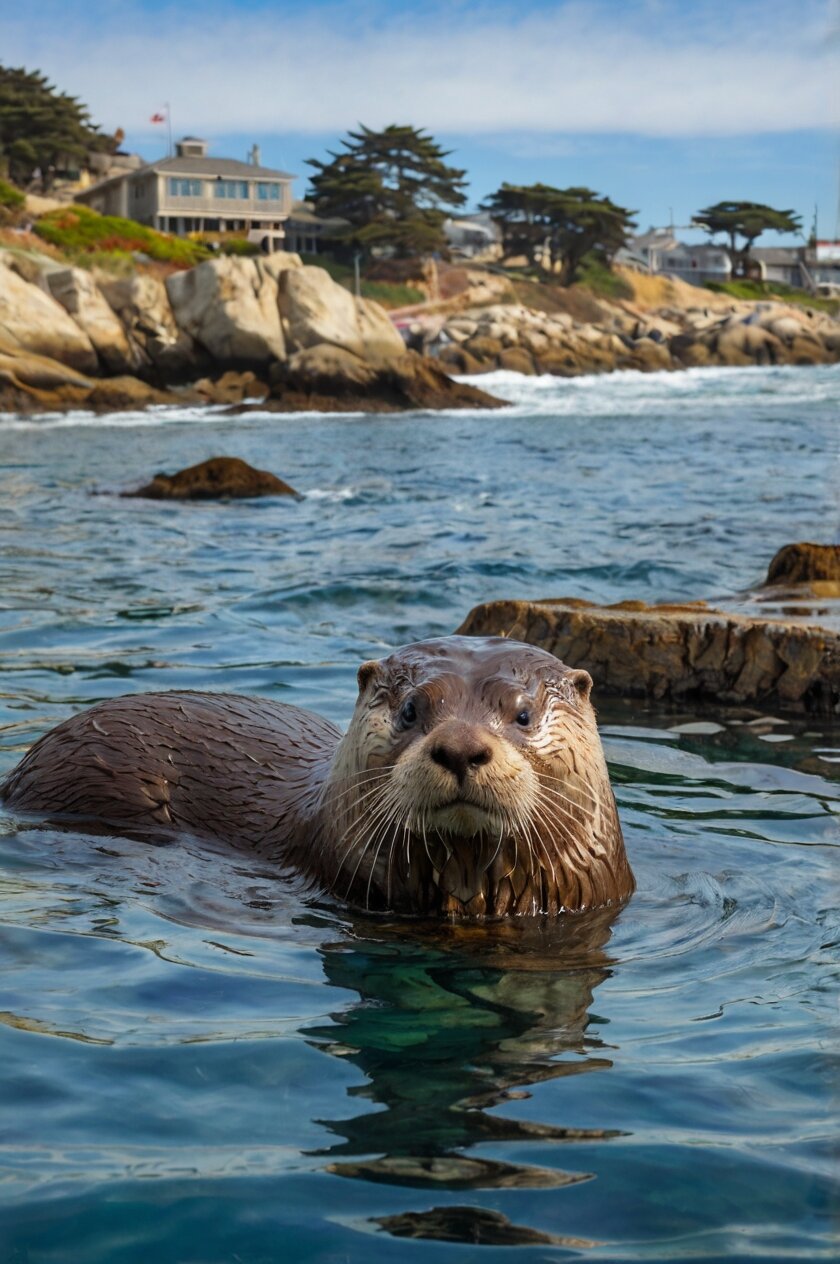
But you don’t need to pay admission to enjoy the bay’s wonders – just look out into the kelp forests and you’ll spot wild sea otters floating on their backs, cracking open shellfish with rocks.
These adorable marine mammals use the kelp as anchor points, wrapping themselves in the fronds to keep from drifting while they nap or eat their body weight in seafood daily.
Cannery Row, once a gritty industrial waterfront that processed sardines by the ton, has been transformed into a tourist destination packed with restaurants, shops, and hotels.
John Steinbeck immortalized the old Cannery Row in his novel of the same name, capturing the rough-and-tumble world of the sardine industry before it collapsed in the 1950s.
The Monterey Bay Coastal Recreation Trail stretches for 18 miles from Castroville to Pacific Grove, offering car-free cycling and walking along some of California’s most scenic coastline.
Kayaking in Monterey Bay puts you at eye level with the marine life, paddling through kelp forests where harbor seals pop up to investigate the strange humans invading their territory.
Whale watching tours depart year-round from Fisherman’s Wharf, with different species passing through depending on the season – gray whales, humpbacks, and blues all make appearances.
Lovers Point Park in nearby Pacific Grove offers a protected cove perfect for families, with calm water, picnic areas, and a small beach where kids can splash without battling big waves.
The bay sits at the edge of Monterey Canyon, an underwater chasm deeper than the Grand Canyon that brings nutrient-rich water upwelling from the depths, feeding the entire ecosystem.
Parking along Cannery Row fills up fast and costs accordingly, so arrive early or use the free trolley that circulates through Monterey, Pacific Grove, and surrounding areas during peak season.
Pismo Beach – Clam Digging, Dunes, And Classic Pier Life

Pismo Beach embodies that classic Central California beach town vibe, where the pace slows down and the biggest decision you’ll make is whether to surf or nap first.
The iconic Pismo Beach Pier extends 1,200 feet into the Pacific, offering free fishing that attracts anglers year-round who cast for perch, cabezon, and occasional halibut.
Walking the pier at sunset becomes a ritual, where you’ll join locals and tourists alike watching the sun sink into the horizon while waves roll beneath your feet.
The beach itself offers wide, flat sand perfect for driving – yes, you can actually drive your vehicle onto sections of Pismo Beach, creating a throwback experience to mid-century California.
The Oceano Dunes State Vehicular Recreation Area lets you take that beach driving to the extreme, where ATVs, dune buggies, and trucks carve through massive sand dunes like a desert playground by the sea.
Pismo Beach earned fame as the “Clam Capital of the World” back when Pismo clams were abundant enough that people could dig their limit in minutes.
These days, clam populations have declined significantly, and you’ll need a fishing license and lots of patience to find the legal-sized clams that live buried in the sand.
The classic California beach town downtown features surf shops, casual restaurants, and that distinctly relaxed atmosphere where flip-flops count as formal footwear.
Splash Cafe serves clam chowder that’s achieved cult status, with lines stretching out the door during peak times as people wait for bread bowls filled with thick, creamy chowder.
The Monarch Butterfly Grove in nearby Grover Beach hosts thousands of monarch butterflies during winter months, when they cluster in the eucalyptus trees in a fluttering mass of orange and black.
The Pismo Preserve offers hiking trails through coastal dunes and oak woodlands just minutes from the beach, where you can escape the crowds and spot wildlife in a quieter setting.
Hotels and motels line the waterfront with that retro beach motel aesthetic, many featuring direct beach access where you can stumble from your room to the sand in under a minute.
Stinson Beach – Marin County’s Surf-And-Turf Paradise

Stinson Beach stretches for three and a half miles of white sand just an hour north of San Francisco, making it the go-to escape for city dwellers craving ocean air.
The wide beach offers gentle waves perfect for families and beginning surfers, with lifeguards on duty during summer who keep watch over the crowds that descend on sunny weekends.
Mount Tamalpais looms behind the beach, creating a dramatic backdrop that reminds you this isn’t just about the ocean – the mountains and sea collaborate to create the magic here.
The water temperature hovers in the 50s even during summer, creating a bracing experience that’ll wake you up faster than any espresso, though wetsuits make extended surfing possible.
The small town of Stinson Beach offers just enough amenities without overdoing it – a market, a few restaurants, and the famous Parkside Cafe where brunches stretch into long, lazy afternoons.
The Parkside Snack Bar slings burgers and fish and chips to beachgoers who want something more substantial than the snacks they packed in their cooler.
Point Reyes National Seashore sits just up the coast, making Stinson Beach an ideal base camp for exploring the wider area’s incredible coastal wilderness.
The Mesa Trail starts in town and climbs into the hills above the beach, offering panoramic views that stretch from Point Reyes to San Francisco on clear days.
During summer weekends, parking becomes a competitive sport with spots filling up by 11 AM, leading to backups on Highway 1 as cars circle desperately looking for spaces.
Red tide occasionally closes the beach to swimming when harmful algae blooms make the water unsafe, so check current conditions before making the drive.
Great white sharks patrol these waters, attracted by the seal populations, though attacks remain extremely rare and lifeguards monitor conditions constantly.
The drive to Stinson Beach via Highway 1 ranks as one of the most scenic routes in California, winding along cliffs with hairpin turns that reveal new ocean vistas at every bend.
Capitola Beach – Rainbow Houses And Mediterranean Vibes

Capitola Beach feels more like a Mediterranean village than a California beach town, with colorful houses perched on the hillside and a compact beach that encourages community.
The Venetian Hotel’s brightly painted stucco units line the beachfront in shades of pink, yellow, and turquoise, creating one of the most photographed rows of beach houses in California.
These iconic structures date back to the 1920s when developers wanted to evoke the romantic architecture of Venice, and somehow the vision worked perfectly.
The beach itself is small and protected by a seawall, creating calmer water conditions than nearby Santa Cruz, making it ideal for paddleboarding and gentle swimming.
Soquel Creek flows into the ocean right at the beach, creating a shallow area where kids can splash around in the freshwater before braving the chillier Pacific.
The Capitola Wharf extends over the water, though it’s much shorter than the massive piers found at Santa Cruz or Huntington Beach, giving it a more intimate scale.
Zelda’s on the Beach serves food and drinks right on the sand, where you can sip margaritas with your toes in the sand and watch the sun set behind the pier.
The Esplanade runs along the beachfront, connecting restaurants, shops, and the historic Shadowbrook Restaurant, which you reach via cable car that descends through lush gardens.
Capitola hosts art and wine festivals, car shows, and beginner surfing competitions that bring the community together without the massive crowds that overwhelm bigger beach towns.
The village maintains a walkable scale where you can park once and stroll everywhere, from the beach to downtown shops to restaurants without ever getting back in your car.
Rispin Mansion, a Victorian beauty perched on the bluffs above the beach, serves as a private residence but adds to the storybook atmosphere that makes Capitola feel transported from another era.
During winter, big waves occasionally slam into the seawall and flood parts of the Esplanade, creating dramatic scenes that draw photographers but remind everyone that the ocean ultimately makes the rules here.
Black’s Beach – San Diego’s Clothing-Optional Adventure

Black’s Beach earned its reputation as one of America’s premier clothing-optional beaches, though that’s just one aspect of this spectacular two-mile stretch of sand.
The beach sits below the Torrey Pines cliffs, accessible only by steep trails that require a commitment level that keeps out casual tourists who aren’t prepared for the hike.
Two main access points exist – the Gliderport trail and the beach trail through Torrey Pines State Reserve – both require descending 300 feet of cliff face that’ll test your knees on the way down and your lungs on the climb back.
Once you make the descent, you’ll understand why surfers obsess over Black’s Beach, as the waves here create some of the best surf breaks in Southern California.
The clothing-optional section occupies the northern portion of the beach, clearly marked by signs, allowing you to choose your comfort level and beach experience.
The secluded nature and steep access mean you’ll find a more diverse, less self-conscious crowd here than at many California beaches, with everyone just enjoying the freedom and incredible setting.
University of California San Diego owns the land, and the beach has cycled between official clothing-optional status and unofficial nude beach designation depending on local politics.
The beach faces southwest, protecting it somewhat from winds while offering killer sunset views that light up the sandstone cliffs in shades of amber and gold.
Lifeguards do not patrol Black’s Beach, making this a swim-at-your-own-risk situation that requires honest assessment of your ocean skills and fitness level.
The surf can be powerful and unpredictable, with rip currents that have caught even experienced swimmers off guard, so stay alert and don’t swim alone.
Marine life is abundant here, with dolphins frequently cruising past the surf break and occasional whale sightings during migration seasons that bring these giants close to shore.
If you’re not up for the cliff descent, you can access the southern end of Black’s Beach by walking north from Torrey Pines State Beach during low tide when the passage isn’t blocked by water.
🗼 I Wrote a Book About My Japan Travel Catastrophes!
Before I landed in Tokyo, I thought I was the “Final Boss” of international travel. Spoiler alert: I WASN’T. 😅
🚅 I boarded the wrong Shinkansen and ended up in THE WRONG CITY. I confused locals with my “expert” bowing that was more awkward than accurate. I accidentally stumbled into a high-stakes Kendo practice thinking it was a tourist show. Sound like something you’d do?
“Things I Wish I Knew Before Going to Japan” is your shortcut to avoiding ALL my cringe-worthy mistakes. ✨ Inside, you’ll find practical, LIFE-SAVING tips on etiquette, transport, money, and hidden gems that will save you time, money, and a whole lot of confusion.
Bodega Bay – Hitchcock’s Playground Meets Seafood Heaven

Bodega Bay gained fame when Alfred Hitchcock chose this area to film “The Birds,” transforming a quiet fishing village into a cinematic landmark that still draws movie buffs decades later.
The Potter School House, where Tippi Hedren’s character gets attacked by homicidal crows and gulls, still stands on Bodega Lane, looking remarkably similar to how it appeared in the 1963 thriller.
But Bodega Bay offers so much more than movie history, starting with its status as one of California’s premier fishing ports that supplies restaurants with incredibly fresh Dungeness crab, salmon, and rockfish.
The Sandpiper Restaurant overlooks the bay, serving seafood so fresh it was probably swimming that morning, with views across the water toward the harbor and open Pacific beyond.
Bodega Head juts into the ocean, creating a peninsula where you can hike trails that circle the headland with 360-degree views of crashing waves and windswept grasslands.
During whale migration seasons, Bodega Head becomes a prime spotting location where you can watch gray whales breach and blow without needing to set foot on a boat.
The bay itself offers calmer waters protected from ocean swells, where kayakers paddle past fishing boats and harbor seals haul out on buoys to sun themselves.
Doran Regional Park provides a sandy beach along the bay with gentle waves perfect for kids, plus camping sites where you can fall asleep to the sound of waves and fog horns.
The fishing fleet moors at Spud Point Marina, where you can buy fresh crab directly from the boats during season or grab famous crab rolls from Spud Point Crab Company.
Nearby Salmon Creek Beach offers a completely different experience, with a lagoon formed by the creek meeting the ocean, creating habitat for shorebirds and a protected swimming area.
The Sonoma Coast State Park stretches for 17 miles north and south of Bodega Bay, with pocket beaches, tide pools, and dramatic headlands that reward exploration.
Fog rolls in thick and frequent along this stretch of coast, creating atmospheric conditions that make Bodega Bay feel mysterious and slightly melancholy, like the landscape holds secrets just beyond the mist.
These coastal gems represent just a fraction of what California’s 840-mile coastline delivers, but they’ll give you enough variety to fill summers worth of beach adventures.
Pack your beach bag, fuel up your car, and start ticking these spectacular spots off your bucket list, because life’s too short to sit at home when the Pacific Ocean is calling your name.