Nothing ruins a camping trip faster than forgetting that one crucial item that could have saved your entire adventure.
You’ve probably been there – standing in the wilderness, realizing you forgot something essential, and suddenly your dream getaway turns into a survival nightmare.
This guide will arm you with the must-have items that experienced campers swear by, ensuring your next outdoor adventure is memorable for all the right reasons.
Multi-Tool: Your Swiss Army Solution to Everything

Your multi-tool will become your best friend in the wilderness, handling tasks you never even thought you’d need to tackle.
This compact powerhouse combines pliers, knives, screwdrivers, scissors, and dozens of other tools into one pocket-sized device that weighs less than your smartphone.
You’ll find yourself reaching for it constantly – opening cans when your can opener breaks, tightening loose tent stakes, cutting rope, removing splinters, and even opening stubborn packaging on your camping supplies.
The knife blade alone will handle food prep, cutting kindling for fires, and emergency situations where you need to cut yourself free from tangled gear.
Quality matters tremendously with multi-tools, so invest in a reputable brand like Leatherman or Victorinox that offers lifetime warranties and replacement parts.
The pliers function becomes invaluable when you’re dealing with hot cooking equipment, removing fishhooks, or gripping objects that are too hot or sharp to handle with bare hands.
Many modern multi-tools include wire strippers, which prove surprisingly useful for repairing electronic devices or improvising solutions to broken camp equipment.
You’ll appreciate having scissors when you need to trim medical tape, cut fishing line, or modify gear on the fly.
The screwdriver attachments help with everything from tightening loose camp chair bolts to adjusting hiking boot bindings or fixing broken sunglasses.
Even the file and small saw attachments earn their keep – the file smooths rough edges on improvised tools, while the saw cuts through small branches for campfire kindling.
Some advanced models include rulers, magnifying glasses, and even small LED lights, transforming your multi-tool into a comprehensive problem-solving device.
The key is choosing one that feels comfortable in your hand and includes the specific tools you’re most likely to use based on your camping style and activities.
Portable Water Filtration System: Clean Water Anywhere

Clean drinking water can mean the difference between an amazing camping experience and a medical emergency that cuts your trip short.
You can’t always rely on finding clean water sources, and carrying enough bottled water for extended trips becomes impractical due to weight and space limitations.
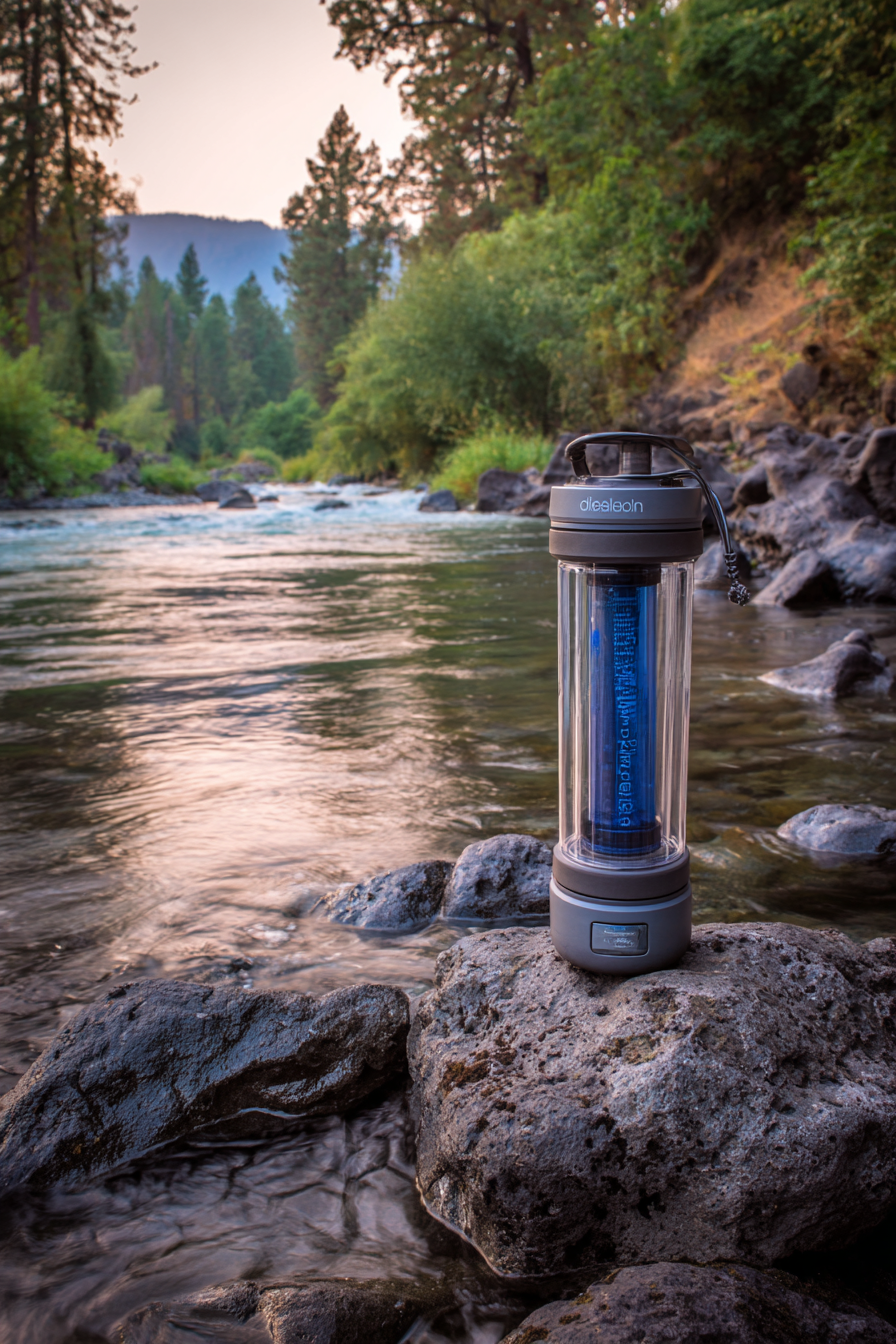
A quality portable water filter removes bacteria, parasites, and sediment from natural water sources, giving you access to safe drinking water virtually anywhere.
Modern filtration systems like LifeStraw or Sawyer Mini weigh less than three ounces but filter thousands of gallons before needing replacement.
These systems remove 99.9999% of waterborne bacteria and 99.9% of waterborne parasites, protecting you from giardia, cryptosporidium, E.
coli, and other dangerous microorganisms commonly found in untreated water.
You’ll save money by not buying bottled water, reduce plastic waste, and gain the freedom to camp in remote locations without worrying about water availability.
Pump-style filters work faster for filtering large quantities but weigh more, while straw-style filters are ultralight but slower for processing water.
Gravity-fed systems offer hands-free filtering – you fill a reservoir bag, hang it from a tree, and clean water drips into your containers while you set up camp or prepare meals.
UV sterilization devices like SteriPEN kill viruses, bacteria, and parasites using ultraviolet light, though they require batteries and don’t remove sediment or improve taste.
Water purification tablets serve as excellent backup options, weighing almost nothing but requiring wait times and sometimes leaving an unpleasant taste.
You should always carry backup purification methods since filters can clog or break, and electronic devices can malfunction when you need them most.
The investment in a quality water filtration system pays for itself quickly and provides peace of mind that transforms how confidently you explore the outdoors.
High-Quality Sleeping Bag: Your Portable Bedroom

Your sleeping bag literally determines whether you wake up refreshed and ready for adventure or miserable and exhausted from a night of shivering.
Temperature ratings aren’t just suggestions – they’re your lifeline when temperatures drop unexpectedly, and being caught in an inadequately rated bag can lead to hypothermia.
Down insulation offers the best warmth-to-weight ratio and compresses smaller than synthetic alternatives, making it ideal for backpacking where every ounce matters.
Synthetic insulation retains warmth even when wet, dries faster than down, and costs less, making it perfect for car camping or humid conditions where moisture is a concern.
Mummy-style bags maximize warmth efficiency by minimizing dead air space, while rectangular bags offer more room to move but sacrifice thermal efficiency.
The zipper quality matters enormously – you don’t want to struggle with a stuck zipper at 3 AM when you desperately need to get out, and YKK zippers are generally the most reliable.
Draft collars and draft tubes prevent warm air from escaping through the zipper, while hood designs keep your head warm since you lose significant body heat through your head and neck.
Sleeping bag liners add 5-15 degrees of warmth, protect your bag’s interior from body oils and dirt, and can be washed more easily than the entire sleeping bag.
You should test your sleeping bag at home before camping to ensure proper fit, learn the zipper operation, and identify any comfort issues while you can still exchange it.
Storage matters tremendously – never store your sleeping bag compressed in its stuff sack for extended periods, as this destroys loft and reduces insulation effectiveness.
Proper care extends your sleeping bag’s life dramatically – air it out after each trip, wash it according to manufacturer instructions, and store it loosely in a large mesh bag or hung up.
Quality sleeping bags represent long-term investments that improve your camping experience for decades when properly maintained and chosen appropriately for your camping style.

🗼 I Wrote a Book About My Japan Travel Catastrophes!
Before I landed in Tokyo, I thought I was the “Final Boss” of international travel. Spoiler alert: I WASN’T. 😅
🚅 I boarded the wrong Shinkansen and ended up in THE WRONG CITY. I confused locals with my “expert” bowing that was more awkward than accurate. I accidentally stumbled into a high-stakes Kendo practice thinking it was a tourist show. Sound like something you’d do?
“Things I Wish I Knew Before Going to Japan” is your shortcut to avoiding ALL my cringe-worthy mistakes. ✨ Inside, you’ll find practical, LIFE-SAVING tips on etiquette, transport, money, and hidden gems that will save you time, money, and a whole lot of confusion.
Portable Camp Stove: Reliable Hot Meals Anywhere

Your camp stove provides hot meals, boiled water for coffee, and emergency cooking capabilities when campfire restrictions or conditions make open flames impossible.
Canister stoves offer convenience and precise flame control but don’t work well in freezing temperatures and create ongoing fuel costs with disposable canisters.
Liquid fuel stoves burn hotter, work in extreme cold, and use refillable bottles, but they require more maintenance and can be messier to operate.
Wood-burning stoves use free fuel found in nature, create no ongoing costs, and work indefinitely, but they’re heavier and don’t work well in wet conditions or areas with fire restrictions.
Alcohol stoves weigh almost nothing and use cheap, widely available fuel, but they burn slowly and can’t simmer effectively for complex cooking tasks.
You need to match your stove choice to your camping style – car campers can use larger, more powerful stoves while backpackers need ultralight options that pack small.
Wind screens dramatically improve stove efficiency and reduce cooking times by protecting the flame from air currents that steal heat from your pots.
Fuel efficiency becomes crucial on extended trips where carrying extra fuel adds significant weight, making stove selection important for longer adventures.
Simmer control allows you to cook more complex meals beyond just boiling water – you can sauté vegetables, cook rice properly, and prepare foods that require gentle heating.
Ignition systems range from piezo electric starters to manual lighting, and you should always carry backup lighting methods since electronic starters can fail.
Pot compatibility matters – some stoves work only with specific cookware, while others accommodate any pot or pan you might want to use.
Maintenance requirements vary dramatically between stove types, with some needing regular cleaning and part replacement while others work reliably for years with minimal care.
Comprehensive First Aid Kit: Your Medical Safety Net

You’re miles from the nearest hospital, and even minor injuries can become serious problems without proper medical supplies and knowledge.
A well-stocked first aid kit handles everything from small cuts and splinters to sprains, burns, and allergic reactions that could otherwise end your trip.
Pre-made kits often lack essential items for camping-specific injuries, so building your own ensures you have supplies for the risks you’re most likely to encounter.
Bandages and gauze handle bleeding wounds, but you need various sizes from small adhesive strips for minor cuts to large trauma pads for serious injuries.
Medical tape secures dressings and improvised splints, while elastic bandages provide compression for sprains and support for injured joints.
Antiseptic wipes and antibiotic ointment prevent infections in wounds that would heal fine at home but can become serious problems in dirty outdoor environments.
Pain relievers like ibuprofen reduce inflammation and pain, while acetaminophen handles fever and general discomfort without stomach irritation.
Antihistamines combat allergic reactions to plants, insects, or foods, while hydrocortisone cream reduces itching and inflammation from rashes or bug bites.
Tweezers remove splinters, ticks, and debris from wounds, while small scissors cut tape, gauze, and clothing when necessary for wound treatment.
Instant cold packs reduce swelling and pain from sprains or impacts, while heat packs soothe muscle cramps and provide comfort in cold conditions.
Emergency medications like epinephrine auto-injectors can save lives for people with severe allergies, and aspirin can help during cardiac events while waiting for emergency services.
You should take a wilderness first aid course to learn how to use your supplies effectively, since having the right equipment means nothing without the knowledge to use it properly.
Headlamp with Extra Batteries: Hands-Free Illumination

Your headlamp becomes absolutely essential the moment the sun goes down, providing hands-free light for cooking, setting up camp, and navigating in darkness.
Flashlights require one hand to hold them, leaving you struggling to complete two-handed tasks like cooking, tent setup, or equipment repairs in the dark.
LED technology provides bright, long-lasting light while consuming minimal battery power, with many modern headlamps running 100+ hours on a single set of batteries.
Lumens measure brightness, but you don’t always need maximum output – lower settings preserve battery life and provide sufficient light for most camping tasks.
Red light modes preserve your night vision while providing enough illumination for map reading, camp navigation, and tasks that don’t require full brightness.
Adjustable beam patterns let you switch between wide flood lights for general area illumination and focused spot beams for distance lighting or detailed tasks.
Water resistance ratings protect your headlamp from rain and accidental drops in water, with IPX4 handling splashing and IPX7 surviving brief submersion.
Battery types affect performance and convenience – alkaline batteries are cheap and widely available, while lithium batteries last longer and work better in cold temperatures.
Rechargeable headlamps eliminate ongoing battery costs and reduce waste, but you need backup power sources for extended trips away from electricity.
Backup lighting is essential since headlamps can break, get lost, or run out of power when you need them most, leaving you stranded in dangerous darkness.
Comfort features like adjustable headbands, balanced weight distribution, and padded contact points become important during extended use or when wearing the headlamp for hours.
You should practice using your headlamp before camping to learn the button sequences for different modes, brightness levels, and features while you can see clearly.
Waterproof Tarp: Your Versatile Shelter Solution

Your tarp serves as emergency shelter, ground cover, rain protection, and gear storage space, making it one of the most versatile items in your camping arsenal.
Rain can turn a perfect campsite into a muddy mess, but a properly positioned tarp keeps your gear dry and creates comfortable outdoor living space.
Tarp materials range from lightweight silnylon for backpacking to heavy vinyl for car camping, with different materials offering trade-offs between weight, durability, and cost.
Grommets and reinforced edges prevent tearing under wind stress, while multiple attachment points give you flexibility for different setup configurations.
You can create lean-to shelters, A-frame configurations, or full ground coverage depending on conditions and needs, making tarps incredibly adaptable to different situations.
Emergency shelter capabilities can save your life when tents fail, storms intensify beyond expectations, or you need to provide protection for injured campers.
Ground tarps protect tent floors from rocks, sticks, and moisture while extending tent life by preventing abrasion and punctures from rough surfaces.
Gear storage becomes critical during storms when you need to protect equipment from rain but don’t want wet items inside your tent.
Paracord and lightweight rope enable countless tarp configurations, and learning basic knots like the taut-line hitch allows quick adjustments as wind and conditions change.
Size selection balances coverage with weight and packability – larger tarps provide more protection but weigh more and take up more pack space.
Color choices affect visibility and heat absorption, with bright colors helping others locate you in emergencies while earth tones blend into natural surroundings.
Multi-use applications include signaling for rescue, improvised stretchers, gear sorting areas, and even water collection during rainstorms when properly configured.
High-Performance Cooler: Fresh Food for Days

Your cooler determines whether you eat fresh, delicious meals or survive on non-perishable foods that drain the joy from camping cuisine.
Ice retention capabilities vary dramatically between cooler brands and models, with premium options keeping ice solid for a week while cheap coolers lose ice in a day.
Insulation thickness and quality create the primary difference in performance – rotomolded coolers with thick walls vastly outperform thin-walled alternatives.
Size selection balances food storage capacity with transportation practicality, since larger coolers become extremely heavy when fully loaded with ice and provisions.
You need to pre-chill your cooler and contents before packing to maximize ice retention, since asking your cooler to cool warm items wastes precious ice reserves.
Ice-to-food ratios significantly affect performance – you need roughly 2:1 ice to food by volume for optimal cooling, which reduces available storage space considerably.
Block ice lasts longer than cubed ice because it melts more slowly, while dry ice provides superior cooling but requires special handling precautions and ventilation.
Organization systems like dividers and baskets keep frequently accessed items easily reachable without opening the entire cooler and releasing cold air.
Drainage systems allow you to remove melted ice water without losing remaining ice, keeping your food dry and extending cooling performance.
Bear-resistant features become essential in areas with wildlife, protecting both your food and local animals from dangerous interactions.
Transportation features like wheels and sturdy handles make moving heavy, loaded coolers manageable, especially for elderly campers or those with physical limitations.
Maintenance includes regular cleaning, proper storage with the lid slightly open to prevent mold, and occasional deep cleaning to remove odors and stains.
Comfortable Camp Chairs: Your Outdoor Living Room

Your camp chairs transform any campsite into a comfortable outdoor living space where you can relax, eat meals, and enjoy conversations around the campfire.
Cheap chairs often break under normal use, leaving you sitting on logs or the ground for the remainder of your trip while dealing with a potentially dangerous collapsed chair.
Weight capacity ratings ensure your chair can safely support users, but you should choose chairs rated for more than your actual weight to account for stress and wear.
Fabric choices affect comfort, durability, and drying time – mesh provides ventilation but offers less support, while solid fabrics offer comfort but take longer to dry.
Frame materials determine chair longevity and weight, with aluminum offering the best strength-to-weight ratio while steel provides maximum durability at higher weight.
Folding mechanisms range from simple collapse designs to complex multi-joint systems, with simpler designs generally proving more reliable over time.
Cup holders and side pockets add convenience for drinks, snacks, and small items, though these features can increase weight and complexity.
Setup time matters when you’re tired after a long day – chairs that assemble quickly without fighting stubborn mechanisms make evening relaxation more enjoyable.
Packed size affects transportation and storage, especially for backpackers who need ultralight options that compress small but still provide reasonable comfort.
Ground clearance prevents the chair from sinking into soft soil or sand while providing better airflow around your body in hot conditions.
Recline features let you adjust comfort levels throughout the day, from upright eating positions to laid-back stargazing configurations.
Durability testing before camping helps identify weak points or assembly issues while you can still return or exchange defective products rather than discovering problems in the wilderness.
🗼 I Wrote a Book About My Japan Travel Catastrophes!
Before I landed in Tokyo, I thought I was the “Final Boss” of international travel. Spoiler alert: I WASN’T. 😅
🚅 I boarded the wrong Shinkansen and ended up in THE WRONG CITY. I confused locals with my “expert” bowing that was more awkward than accurate. I accidentally stumbled into a high-stakes Kendo practice thinking it was a tourist show. Sound like something you’d do?
“Things I Wish I Knew Before Going to Japan” is your shortcut to avoiding ALL my cringe-worthy mistakes. ✨ Inside, you’ll find practical, LIFE-SAVING tips on etiquette, transport, money, and hidden gems that will save you time, money, and a whole lot of confusion.
Emergency Communication and Signaling: Your Lifeline to Safety

Your emergency communication devices can literally save your life when injuries, severe conditions, or navigation errors put you in dangerous situations.
Cell phones work in many camping areas but can’t be relied upon since coverage is spotty, batteries die, and screens break under outdoor conditions.
Emergency whistles produce piercing sounds that carry much farther than your voice and require no batteries, making them essential for attracting attention during emergencies.
Personal locator beacons connect directly to satellite rescue networks, sending your exact GPS coordinates to emergency responders even in areas with no cell coverage.
Two-way radios enable communication with your camping group over several miles and can monitor emergency frequencies for important safety information.
Signal mirrors reflect sunlight to create flashing signals visible for dozens of miles to aircraft and distant observers on clear days.
Bright colored fabric or emergency tape can mark your location for rescue aircraft while also serving as trail markers if you need to leave your campsite.
Backup power sources like solar chargers or power banks keep your electronic devices functioning when access to electricity is impossible for extended periods.
Emergency contact information should be written on waterproof paper and stored separately from your electronic devices in case technology fails when needed most.
GPS devices provide precise location information for emergency responders and help you navigate safely even when visibility is poor or landmarks are absent.
Emergency frequencies on radios connect you to local authorities, park services, and other campers who might provide assistance during crisis situations.
You’re now equipped with the essential items that separate successful camping adventures from survival situations gone wrong.
These must-have items form the foundation of any well-planned camping trip, ensuring you can handle challenges, stay comfortable, and focus on creating amazing outdoor memories instead of worrying about basic survival needs