I wasn’t supposed to fall for Belgrade.
Honestly, I’d thrown it on my Balkans itinerary as a layover city—a quick stopover before heading to the “real” destinations.
But here’s what happened: I walked out of my hostel that first evening, heard live music pouring from a cobblestone alley, followed the sound to a tiny restaurant where strangers were clinking glasses of rakija, and suddenly I got it.
Belgrade isn’t trying to impress you with picture-perfect squares or Instagram walls.
It’s raw, real, and ridiculously fun.
And before I knew it, my two-day stop turned into two weeks.
If you’re looking for a city that feels alive—where history collides with nightlife, where brutalist towers stand next to ancient fortresses—you’ve found it.
Wander Through Kalemegdan Fortress Like A Local

The Kalemegdan fortress is probably the biggest highlight of Belgrade and it is popular for a reason—this is one of the best places in the city to relax and enjoy beautiful vistas.
I showed up here on my first morning in the city, coffee in hand, zero expectations.
The fortress sits at the confluence of the Danube and Sava rivers, with first fortifications built here already in Celtic times.
What you see today is massive—layers of history stacked on top of each other.
I spent hours just wandering the stone pathways, checking out old cannons, and watching chess players face off under the trees.
On a warm day the fortress is the best place in the city to spend an afternoon.
There are no laws prohibiting the public consumption of alcohol in Belgrade, so grab a couple of beers and enjoy the area as the locals do.
Trust me on this—sunset at the fortress hits different.
The light turns golden, the rivers shimmer below, and you can see the entire city stretched out in front of you.
My favorite part of the Kalemegdan fortress is Ružica Church, located on the northeast side of the fortress—it is the oldest church in the city and the whole area looks like it’s from a fairy tale.
Inside, you’ll find chandeliers made by WWI Serbian soldiers from spent bullet casings.
Bring good walking shoes, a sense of curiosity, and maybe a picnic.
Tap to Explore These Beauties
See my ideas in action 👇 Tap any image to explore full details.
Get Lost In Skadarlija’s Bohemian Vibes

Skadarlija is a small neighborhood in Belgrade Old Town that has been a popular hotspot for artists and intellectuals for the last century—this bohemian quarter with cobbled streets has also become a major tourist attraction and is sometimes referred to as Serbian Montmartre.
When I first walked down Skadarska Street, I felt like I’d stepped into another era.
Cobblestones everywhere (seriously, wear flats), ivy creeping up old brick walls, and the smell of grilled meat drifting from restaurant doorways.
All the restaurants there have live music and traditional Serbian food.
I ate at Tri Šešira one night—the name means “Three Hats”—and the whole vibe was incredible.
Big tables filled with locals laughing, live bands playing, that easy warmth you only get in places that’ve been around forever.
Despite the development of the nightlife in modern sense, Skadarlija remains the second most visited attraction in Belgrade after the Belgrade Fortress.
If you go, don’t rush it.
Order the ćevapi, sip some Serbian wine, soak it all in.
Also, there’s a speakeasy in this neighborhood called Riddle Bar where there’s no menu—you just tell the bartender what you like and they make you a custom cocktail.
Mine was perfect on the first try.
Your Ultimate Caribbean Adventure Awaits!
Discover hidden coves, secret beaches, and the best rum punches in the islands. Your insider’s guide to Caribbean paradise.
Get Your Guide Now$15.99Explore Knez Mihailova Street For Shopping And People-Watching

Before shopping malls came to Belgrade this was the main shopping street—to this day locals love shopping here, strolling from Republic square to the Belgrade fortress, and having coffee with friends in cafés along the way..
This pedestrian boulevard is the beating heart of the city.
I walked it at least three times during my stay, and every time it felt different.
Morning?
Quiet, with coffee shops just opening up.
Afternoon?
Packed with tourists and locals browsing stores.
Evening?
Street performers everywhere, couples holding hands, that electric pre-dinner energy.
You will find brands like Zara, H&M, Gap, and similar.
But honestly, the real fun is just wandering.
Grab an ice cream, check out the buskers, maybe duck into one of the side streets to see where it leads.
The pedestrianized Knez Mihailova is a must-see in Belgrade.
Pro tip: there’s a Starbucks here if you need a familiar fix, but I’d skip it and hit one of the local coffee spots instead—Serbian coffee culture is no joke.
Pay Your Respects At The Temple Of Saint Sava

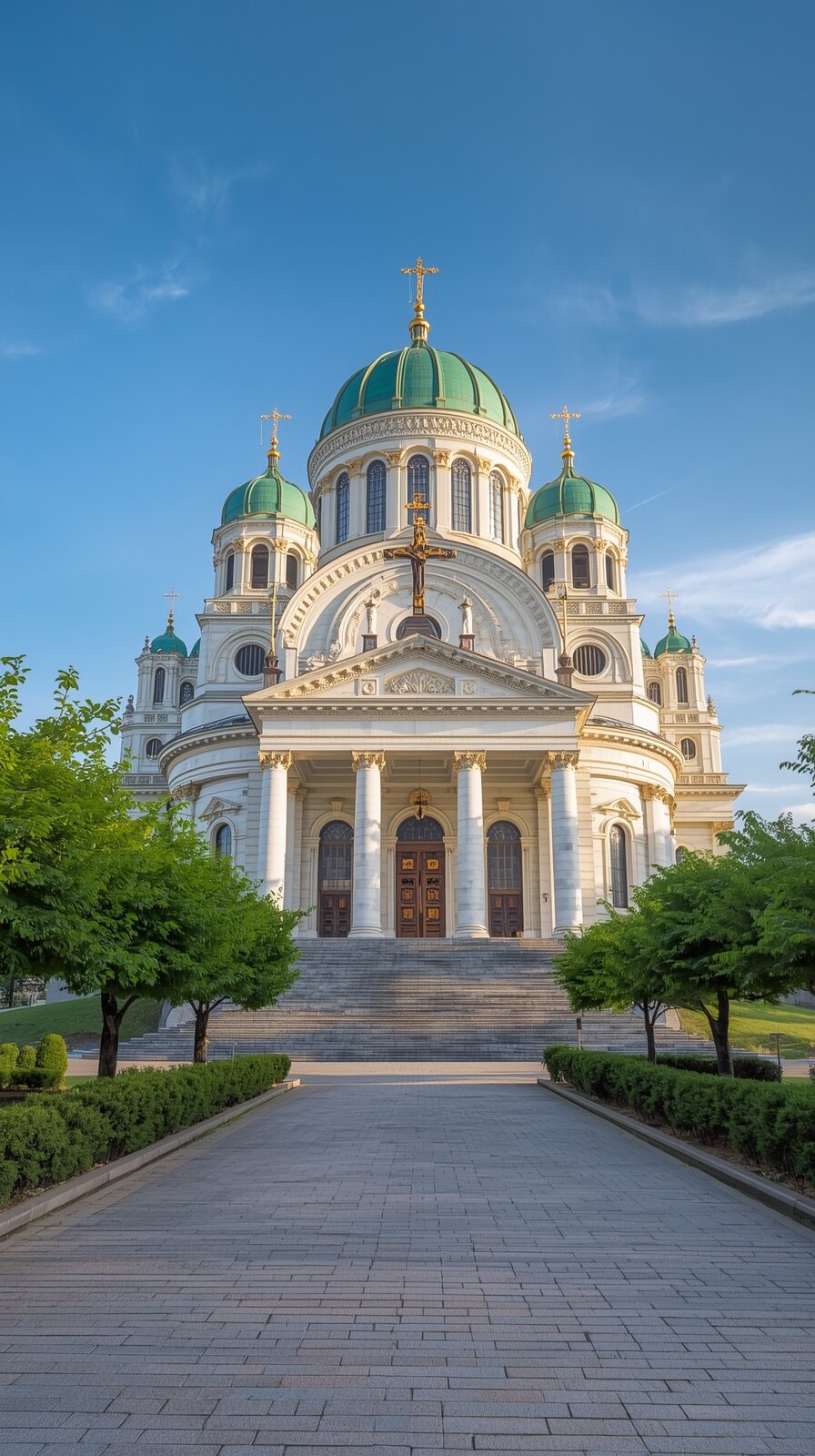
At the top of any list of things to do in Belgrade, the Temple of Saint Sava is a must-see sight—dedicated to St.
Sava, the founder of the Serbian Orthodox Church, the massive temple is one of the largest churches in the world.
The first time I saw it, I was on a bus heading across town, and it just appeared—this enormous white dome rising above everything else.
I literally got off two stops early just to get closer.
Construction started in 1935, but due to conflicts, it was never completed—building resumed in 1985 and in 1989 the central dome was successfully added—today, the exterior is finally complete, but the interior remains unfinished.
Even unfinished, it’s breathtaking.
The mosaics that are done?
Insane.
Gold everywhere, intricate details, light pouring through the dome.
I’m not religious, but standing inside made me feel something.
It’s free to enter, just dress modestly (covered shoulders and knees).
And if you visit at night when it’s all lit up?
Pure magic.
Discover The Museum Of Yugoslavia And Tito’s Legacy

This must-visit museum houses an invaluable collection of more than 200,000 artefacts representing the fascinating, tumultuous history of Yugoslavia.
I’ll be honest—I didn’t know much about Tito or Yugoslavia before visiting Belgrade.
But spending a couple hours at this museum changed that.
An entire room is dedicated to his funeral, and he’s even buried onsite in the House of Flowers—entry costs 400 Dinar (€3.40) so it’s an affordable attraction.
The exhibits walk you through the rise and fall of Yugoslavia, Tito’s role in it all, and what life was like for everyday people during that era.
There are gifts from world leaders, photos, propaganda posters—it’s fascinating.
And kindda sad too, when you think about how it all ended.
From downtown Belgrade, catch bus 44 or 41.
It’s a bit outside the center, but totally worth the trip if you want to understand the soul of this city.
Caribbean Paradise Unlocked
From pristine beaches to vibrant local culture, discover the Caribbean’s best-kept secrets with my comprehensive travel guide.
- 120+ Hidden Beach Secrets
- Local Cuisine Guide
- Budget Travel Tips
- Island Hopping Routes
Party On Belgrade’s Famous Splavovi (River Clubs)

Serbia’s capital may well be the greatest place to party in all of Europe and there is nightlife on offer to suit any personality—the most famous late-night venues of Belgrade would definitely be its splavlovi, barges turned nightclubs moored to the banks of the Danube and Sava.
This was my favorite discovery in Belgrade.
Picture this: floating clubs, right on the water, with DJs spinning until sunrise, cocktails flowing, and a crowd that’s there to actually have fun—not just pose for photos.
Belgrade offers one of the best nightlife experiences in Europe—vibrant, wild, and surprisingly affordable—unlike cities like Berlin or Ibiza, Belgrade is still relatively untouristy and budget-friendly—whether it’s a Monday or a Saturday, the party never stops.
I hit up Lasta and Money during my stay.
20/44 is a local favorite if you’re into electronic music, while Lasta is known for its pop, funk and R&B nights.
The vibe is just… easy.
No pretentious bouncers, no crazy dress codes, no hassle.
Just good music, good people, and river views.
Fair warning though—pace yourself.
These places don’t close until the sun comes up.
Take A Day Trip To Zemun For Small-Town Charm

Start your day in Zemun, a pretty neighborhood right on the bank of the Danube River—once a border town between the Ottoman and Austrian Empires, this only officially became part of Belgrade in 1934, so it has a real independent spirit.
Zemun feels like a completely different city, even though it’s technically part of Belgrade.
I took a bus there one morning (super easy, like 20 minutes), and spent the whole day just wandering.
The streets are narrow and colorful, with little cafés tucked into every corner.
The view from the top of the Millennium tower lets you see all of Belgrade—more popularly known as the Millennium tower, this is the best spot to experience the classic Zemun views.
I climbed it, and yeah, my legs hated me, but the panorama was insane.
Grab lunch at one of the fish restaurants along the waterfront—Zemun is famous for its fresh river fish.
Then just stroll, get lost, enjoy the slower pace.
It’s the perfect counterbalance to Belgrade’s intensity.
Experience A Serbian Football Match

A lot of football fans from different countries travel just to witness one of these derby matches—it’s one of the more popular Belgrade tourist attractions among football lovers.
I’m not even a huge soccer guy, but my hostel mates dragged me to a Red Star Belgrade match, and holy hell.
The energy was unreal.
The die hard Partizan fans (black and white jerseys) will always be sitting in the South stand while their rivals, Red Star (red and white jerseys) sit in the North stand—so if you’re getting seats, book East or West!
Flares, chants, drums, passion—it’s not just a game, it’s a full experience.
Even if you don’t care about the score, you’ll feed off the crowd’s energy.
Tickets are cheap, the beer is cheaper, and you’ll have stories for days.
Just respect the local customs, don’t wear the wrong colors, and prepare for intensity.
Your Ultimate Caribbean Adventure Awaits!
Discover hidden coves, secret beaches, and the best rum punches in the islands. Your insider’s guide to Caribbean paradise.
Get Your Guide Now$15.99Check Out The National Museum For Culture And Art

Lack of funding for renovations kept Serbia’s National Museum mostly shuttered for 15 years, but its much ballyhooed 2018 reopening has been a great success.
I spent a rainy afternoon here, and it was the perfect way to dive deeper into Serbian culture.
The National Museum is another one of the Belgrade top attractions—the collection is inclusive of masterpiece paintings, ancient coins, an Egyptian mummy and Serbian relics—a ticket is required, except on Sundays when it is free to visit.
So yeah, if you can swing it, go on a Sunday.
The exhibits cover everything from ancient history to modern art.
I loved the medieval section—there are these beautiful illuminated manuscripts and religious icons that are just stunning.
It’s not massive, so you won’t need the whole day.
A couple hours is plenty.
And it’s right in Republic Square, so you can grab coffee or lunch nearby afterward.
Climb Avala Tower For Panoramic Views

The tallest tower in the Balkans, one of the finest examples of Brutalist architecture in Belgrade, looks like a big tripod—the original version was destroyed by NATO bombardment, the new one was opened only in 2010—Avala Tower stands on the namesake mountain, so you can get breathtaking views even from the ground level, let alone from the observation deck.
This was a bit of a trek to get to—you’ll need to take a taxi or rent a car—but man, it was worth it.
The tower itself is imposing and kind of eerie, this massive concrete structure rising out of a forested hilltop.
Like many notable attractions in Belgrade, it was bombed in the 1990s, but has since been restored with an added bar (adventurously named Panorama) at the top.
The views from the observation deck are killer.
You can see for miles in every direction—Belgrade sprawling out below, rivers cutting through the landscape, green hills rolling into the distance.
Go on a clear day if you can.
And grab a drink at that bar while you’re up there.
Indulge In Traditional Serbian Cuisine

Let me tell you something: Serbian food is criminally underrated.
I ate so well in Belgrade that I basically rolled out of the city.
All the restaurants in Skadarlija have live music and traditional Serbian food.
Start with ćevapi—little grilled meat sausages served with flatbread, onions, and a red pepper spread called ajvar.
Then there’s pljeskavica, which is basically a massive Serbian burger patty stuffed with cheese.
And sarma—cabbage rolls with meat and rice.
Oh, and you have to try rakija, the traditional Serbian brandy.
It’s strong, it’s smooth, and locals drink it before meals as a digestif.
I went to a place that had over 100 varieties.
My favorite spots?
Tri Šešira for the full traditional experience, and any of the little kafanas tucked into side streets.
Don’t be shy—ask locals for recommendations.
They’ll steer you right.
Caribbean Paradise Unlocked
From pristine beaches to vibrant local culture, discover the Caribbean’s best-kept secrets with my comprehensive travel guide.
- 120+ Hidden Beach Secrets
- Local Cuisine Guide
- Budget Travel Tips
- Island Hopping Routes
Explore Republic Square And Watch The City Move

Republic square is the main city square in Belgrade and a great place for people watching—it is also home to some important landmarks such as the National Theatre, the National Museum, and the monument of Prince Mihailo on his horse.
This square is where everything converges.
I came here on my first night just to get my bearings, and ended up sitting on the steps for an hour, watching life unfold.
Street performers doing tricks, couples meeting up, tourists snapping photos of the big bronze statue in the center.
The top things to see in Belgrade’s Square of the Republic are the previously mentioned National Museum and the National Theater—the extravagant Belgrade National Theater dates to the year 1868.
It’s also a great meeting point if you’re trying to coordinate with friends.
Everyone knows where it is, and it’s easy to find.
Grab a spot at one of the nearby cafés, order a coffee (Serbians take their coffee seriously), and just soak in the energy.