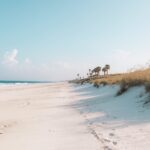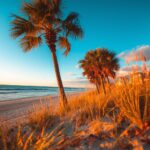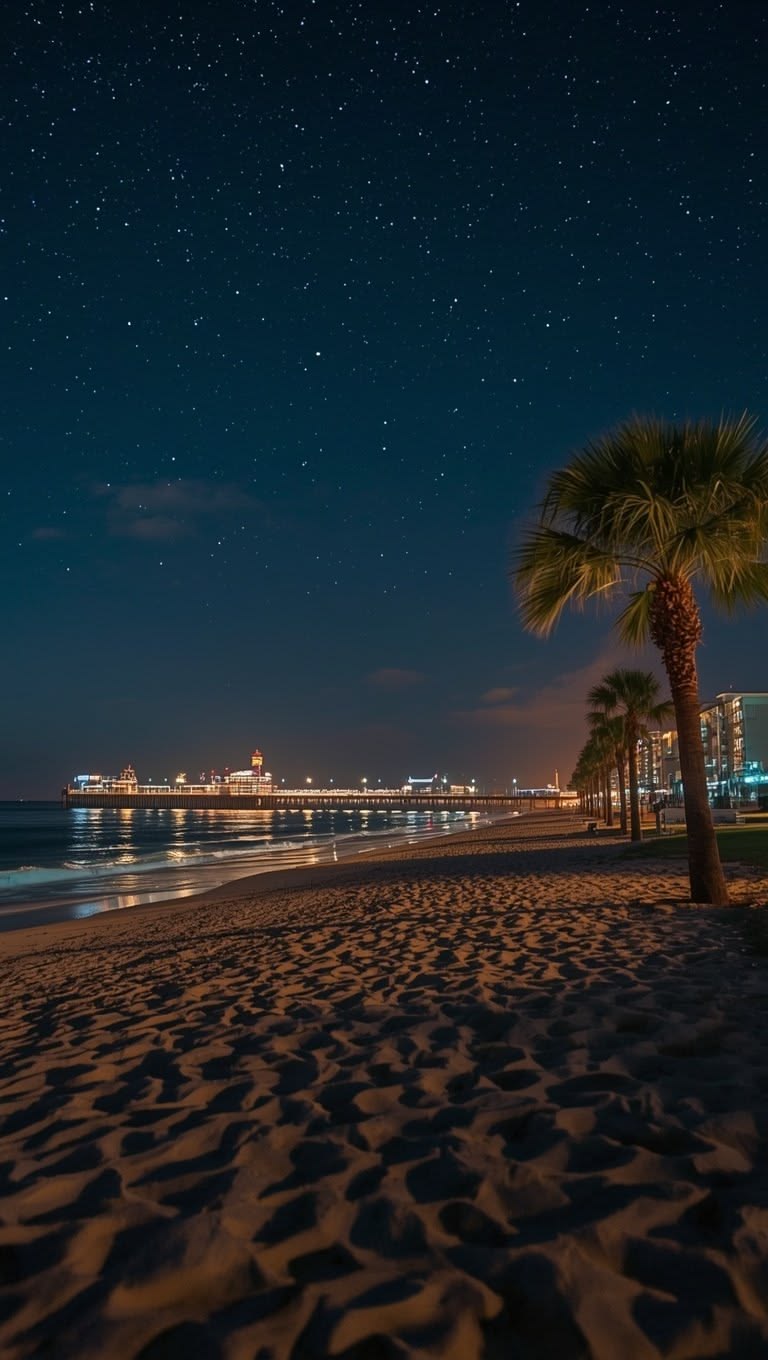

I remember standing barefoot on Pensacola Beach for the first time, looking down at sand so white it almost hurt my eyes.
Not the yellowish, rough kind you find at most beaches.

This was the real deal — soft, cool even in the heat, the kind that squeaks a little under your feet.
I’d driven over from Alabama on a whim, figured I’d check it out, maybe grab some food, head back.
That was three days ago in my head.
I ended up staying a whole week.
Something about that place just gets under your skin in the best possible way.
And honestly?
I’ve been recommending it to everyone since.
So let me break it all down for you.

What Makes Pensacola Beach Actually Different

Let me be real with you for a second.
Florida beach towns can start to blur together after a while.
You get the same strip of chain restaurants, the same packed parking lots, the same overpriced frozen drinks.
Pensacola Beach isn’t totally immune to that, but it has something the others don’t — a laid-back soul that still feels authentic.
It’s not trying too hard.
The vibe is relaxed, a little outdoorsy, part beach town and part military history hub, which gives it this interesting depth you don’t usually get from a pure tourist trap.
The water here is Gulf of Mexico water, which means it’s warmer, calmer, and that insane shade of emerald green that makes you question if the photos are filtered.
They’re not.
It genuinely looks like that.
And the sand — I keep coming back to the sand — is made of quartz crystal washed down from the Appalachian Mountains over thousands of years.
That’s why it’s white.
That’s why it stays cool even in the middle of summer.
It’s not a marketing line.
It’s actual geology doing its thing.
Getting There — My Honest Breakdown

So here’s the thing nobody really tells you about getting to Pensacola Beach.
You’re not just driving to a beach.
You’re crossing a bridge over the Santa Rosa Sound, and that moment — that bridge crossing — is sort of a whole experience on its own.
The water opens up on both sides of you, the Gulf shimmers in the distance, and something in your shoulders just… drops.
The Pensacola International Airport is surprisingly manageable.
It’s small enough to feel human, not a nightmare to navigate.
If you’re driving, I-10 is your main artery into Pensacola proper.
From there, you take US-98 south toward the beach.
The whole drive from downtown Pensacola takes maybe 20-25 minutes depending on traffic.
Summer weekends can get congested on the bridge, so I always suggest going early morning or after dinner when the flow is lighter.
If you’re coming from Mobile or New Orleans, this is genuinely one of the most doable road trip stops you can make.
A few hours of driving for that water?
Absolutely worth it.
Pro tip from me: gas up before you cross the bridge because prices tick up once you’re on the island.
Small thing.
Saves a few bucks.
Where To Stay And What I Actually Recommend

I’ve stayed in a few different spots on Pensacola Beach, so let me give you my real take.
The beachfront condo rentals along Fort Pickens Road and Ariola Drive are honestly the move if you’re going with a group or a family.
You get a full kitchen, you can cook breakfast before hitting the sand, and the value compared to hotel pricing is usually much better.
The hotel options range from budget-friendly spots near the main drag on Quietwater Beach to full resort-style properties right on the Gulf.
If you want to wake up and step directly onto the sand, book Gulf-side.
It costs more, but watching the sun rise over the water from a balcony with a cup of coffee in your hand?
That’s not a luxury — that’s the whole point.
For a solo trip or a couple’s getaway, I personally lean toward a smaller boutique rental where you feel like you actually live there for a few days.
There’s a difference between visiting a beach and inhabiting it, even briefly.
One more thing — book early if you’re planning a summer trip.
The good spots fill up fast, and I’ve been burned by waiting before.
Shoulder seasons like May or October are genuinely my favorite time to go anyway.

🗼 I Wrote a Book About My Japan Travel Catastrophes!
Before I landed in Tokyo, I thought I was the “Final Boss” of international travel. Spoiler alert: I WASN’T. 😅
🚅 I boarded the wrong Shinkansen and ended up in THE WRONG CITY. I confused locals with my “expert” bowing that was more awkward than accurate. I accidentally stumbled into a high-stakes Kendo practice thinking it was a tourist show. Sound like something you’d do?
“Things I Wish I Knew Before Going to Japan” is your shortcut to avoiding ALL my cringe-worthy mistakes. ✨ Inside, you’ll find practical, LIFE-SAVING tips on etiquette, transport, money, and hidden gems that will save you time, money, and a whole lot of confusion.
The Beach Itself — What Nobody Prepares You For

You think you know what to expect.
Then you actually get there and you realize you were only half right.
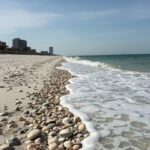
The stretch of public beach along Casino Beach is where most people set up, and it’s well-maintained — lifeguards, restrooms, the whole setup.
But what I love is walking east toward Fort Pickens, where the crowds thin out dramatically and you start to feel like you have miles of coastline basically to yourself.
The water is shallow for a good distance out, which makes it fantastic if you’re going with kids or just want to wade around without waves knocking you over.
The Gulf here is gentle compared to Atlantic-facing beaches.
More of a soft roll than a crash.
I’ve been in that water at sunset when it turned this kind of copper-gold color and I legitimately stood there for twenty minutes doing nothing.
Just standing.
Sometimes that’s what a beach is for.
One thing to know: sea oats are everywhere along the dunes, and they’re protected.
Don’t mess with them, don’t trample them.
They’re part of what keeps the dunes healthy and the beach looking like it does.
Respect the oats.
That’s my whole policy.
My Favorite Places To Eat On The Island

Alright, food.
This is where I have strong opinions.
The first place I always go when I land in Pensacola Beach is Peg Leg Pete’s.
It’s casual, it’s right on Pensacola Bay, and the seafood is the kind that makes you annoyed at every other seafood restaurant you’ve ever been to.
The oysters are the real flex here.
Order them.
Don’t skip them.
For something a little more relaxed and beachy, I love grabbing a table at one of the spots along the main Quietwater Beach boardwalk area.
The atmosphere on a warm evening, with the water visible and a cold drink in your hand, makes even average food taste better.
But the food here isn’t average.
If you’re self-catering from a condo, the local grocery options in the area are decent, but I also suggest hitting a seafood market and picking up fresh Gulf shrimp to cook yourself.
Boiled or grilled with some butter and Old Bay — that’s one of my favorite meals anywhere, and it costs a fraction of what you’d pay at a restaurant.
And there’s something deeply satisfying about eating shrimp you prepped yourself while sitting on a balcony looking at the Gulf.
That’s the life, man.
Things To Do Beyond Just The Beach

Here’s where Pensacola Beach actually surprises people.
Because it’s not just a sit-on-sand destination.
Fort Pickens is non-negotiable for me.
It’s a massive brick Civil War-era fort at the western tip of the island, sitting inside Gulf Islands National Seashore.
Walking through it feels like something out of a history documentary, but you’re actually there, touching the walls.
The drive out to Fort Pickens along the park road is also stunning — undeveloped dunes and emerald water on both sides.
Pensacola Beach is actually one of the top snorkeling spots in Florida because of the artificial reef system nearby.
The clarity of the water makes it accessible even for beginners.
I rented gear one afternoon and just floated around for a couple hours.
Completely worth it.
The downtown Pensacola area — just across the bridge — has a great arts and music scene, a solid historic district called Seville Quarter, and the National Naval Aviation Museum, which is legitimately one of the best free museums in the country.
Even if you’re not an aviation nerd, you’ll walk out impressed.
Pensacola Beach rewards you for being a little curious.
The Nightlife And Evening Vibe

I’ll be honest — Pensacola Beach isn’t Miami.
It’s not trying to be.
And that’s kind of the whole charm of the evening scene here.
It’s lively without being overwhelming.
The main action centers around the Quietwater Beach area, where you’ll find bars and restaurants with live music most nights during the warmer months.
It’s the kind of nightlife where you can have a great time but also have an actual conversation without screaming over a DJ.
Flounder’s Chowder House is a legendary spot for evening drinks and live music right on the water.
The deck situation there is excellent.
Seville Quarter back in downtown Pensacola is worth the short drive if you want a more proper night out — it’s a complex of different bars all under one roof, ranging from a honky-tonk to a proper dance floor.
Super fun on a Friday or Saturday.
For me personally, my favorite evening on Pensacola Beach doesn’t involve a bar at all.
It’s grabbing a local craft beer, walking out to the water after sunset, and just sitting there while the sky does its thing.
You’d be surprised how much that recharges you.
Watersports and Outdoor Adventures

If you like being active on vacation — and I really do — Pensacola Beach delivers.
Paddleboarding on the calmer bay side is one of my top recommendations for beginners.
The water is flat, the views back toward the bridge are beautiful, and rentals are easy to find along the waterfront.
Kayaking is equally great and lets you explore the quieter coves and inlets you can’t get to on foot.
Deep sea fishing charters run out of Pensacola and are world-class.
The Gulf here is incredibly productive, and if you want to catch something serious — amberjack, grouper, mahi — the guides know where to take you.
Parasailing is available and honestly gives you a perspective of the white sand coastline that you just can’t get any other way.
I went up on a tandem run and didn’t want to come down.
Dolphin tours are also popular, and the Gulf here has a healthy dolphin population that tends to show up reliably.
If you’ve got kids, that’s going to be the highlight of their whole trip.
For the cycling crowd, the multi-use trail running through Gulf Islands National Seashore is smooth, well-maintained, and goes through some genuinely beautiful scenery.
Rent a bike on the island and use it.
Don’t just look at the path from your car.
The Spots Locals Actually Go

Every tourist destination has its public face and its real face.
Let me share a few things I’ve picked up from actually spending time here and talking to locals.
The stretch of beach accessible through Gulf Islands National Seashore — particularly past the Fort Pickens gate — is dramatically less crowded than the main public beach areas.
You pay a small park fee, but you get acres of undisturbed shoreline in exchange.
That’s an insane trade.
Navarre Beach is technically a separate barrier island community just east of Pensacola Beach, and it’s even quieter.
It’s a short drive and feels like a completely different, more local scene.
Worth the detour if you have a car and an afternoon to spare.
For breakfast, skip the obvious spots on the main drag and look for smaller local diners in the area.
There’s something deeply satisfying about sitting at a counter somewhere unpretentious with a plate of eggs and listening to locals talk about their morning.
The Pensacola Fishing Pier, over in Pensacola Beach proper, is a classic spot that a lot of visitors walk past without stopping.
Even if you’re not fishing, walking to the end of it and looking back at the coastline gives you one of the best views on the island.
Free to walk out.
Completely worth doing.
🗼 I Wrote a Book About My Japan Travel Catastrophes!
Before I landed in Tokyo, I thought I was the “Final Boss” of international travel. Spoiler alert: I WASN’T. 😅
🚅 I boarded the wrong Shinkansen and ended up in THE WRONG CITY. I confused locals with my “expert” bowing that was more awkward than accurate. I accidentally stumbled into a high-stakes Kendo practice thinking it was a tourist show. Sound like something you’d do?
“Things I Wish I Knew Before Going to Japan” is your shortcut to avoiding ALL my cringe-worthy mistakes. ✨ Inside, you’ll find practical, LIFE-SAVING tips on etiquette, transport, money, and hidden gems that will save you time, money, and a whole lot of confusion.
Best Time To Go And What To Actually Expect

Let me be straight with you here because the answer depends entirely on what you want.
Summer — June, July, August — is peak season.
The water is warm, the days are long, and the energy is high.
It’s also the most crowded and the most expensive.
If you love a buzzing, active beach scene and you’re fine with sharing the sand, summer is genuinely great.
My personal sweet spot is May or October.
The water is still warm enough to swim comfortably, the crowds are meaningfully thinner, prices drop, and the light in the morning and evening is this incredible warm gold.
Everything feels more relaxed.
Fall can bring some tropical weather, so keep an eye on forecasts if you’re going in September or October.
Nothing ruins a beach trip like a persistent storm.
Spring break season — March into early April — brings crowds, especially college crowds.
Fun if that’s your scene.
Not fun if you’re looking for quiet.
Winter is mild by most standards but too cool for swimming.
You can still visit — the National Seashore and history sites are all year round — but manage your expectations about beach days.
For me, shoulder season is always the answer.
Less of everything bad, more of everything good.
What To Pack — My Actual List

I’ve over-packed for beach trips and I’ve under-packed for beach trips.
Here’s what I’ve landed on after trial and error.
A good dry bag is something I never leave home without now.
If you’re doing any water activities or even just sitting near the surf, keeping your phone and wallet dry is not optional.
Water shoes are more useful than people expect here.
The areas around the pier and some of the rocky sections near the fort can be rough on bare feet.
Reef-safe sunscreen only.
The Gulf ecosystem here is worth protecting, and most of the National Seashore areas specifically ask for it.
A portable beach chair with a carry strap is better than a heavy umbrella setup if you’re walking any distance.
Lightweight, packable, and your back will thank you.
Bring a reusable water bottle and fill it constantly.
Dehydration at the beach sneaks up on you fast, especially in summer heat.
A small soft cooler for drinks and snacks means you’re not making trips back to the car every hour.
Binoculars are surprisingly useful for spotting dolphins, especially if you’re hanging near the water for extended periods.
And honestly?
A real book.
Something about Pensacola Beach makes me want to actually sit still and read.
Don’t fight it.
The Things I Wish Someone Had Told Me Before My First Trip

Every destination has its learning curve.
Mine with Pensacola Beach had a few bumps I could have avoided.
Parking at Casino Beach fills up fast on summer mornings.
Get there before 9am or you’ll be circling.
The sun here is intense even with cloud cover.
I got burned on a cloudy day because I assumed I was fine without reapplication.
I was not fine.
Reapply every two hours.
Set a timer if you have to.
The water is calm but the Gulf has currents that shift.
Pay attention to the flag system at the beach.
Blue flag means jellyfish in the water — and yes, that happens.
Not a reason to panic but a reason to be aware.
If you’re planning to visit Fort Pickens, check if the road is open before you go.
After major storms, sections can temporarily close and it’s frustrating to drive out there and hit a gate.
Mosquitoes come out in full force in the evening in some of the more wooded or marshy areas.
A small bottle of repellent in your bag is the move.
Tipping your fishing charter captain well is just the culture here.
They work hard, they know the water, and they make or break your experience.
Take care of them and they’ll take care of you.