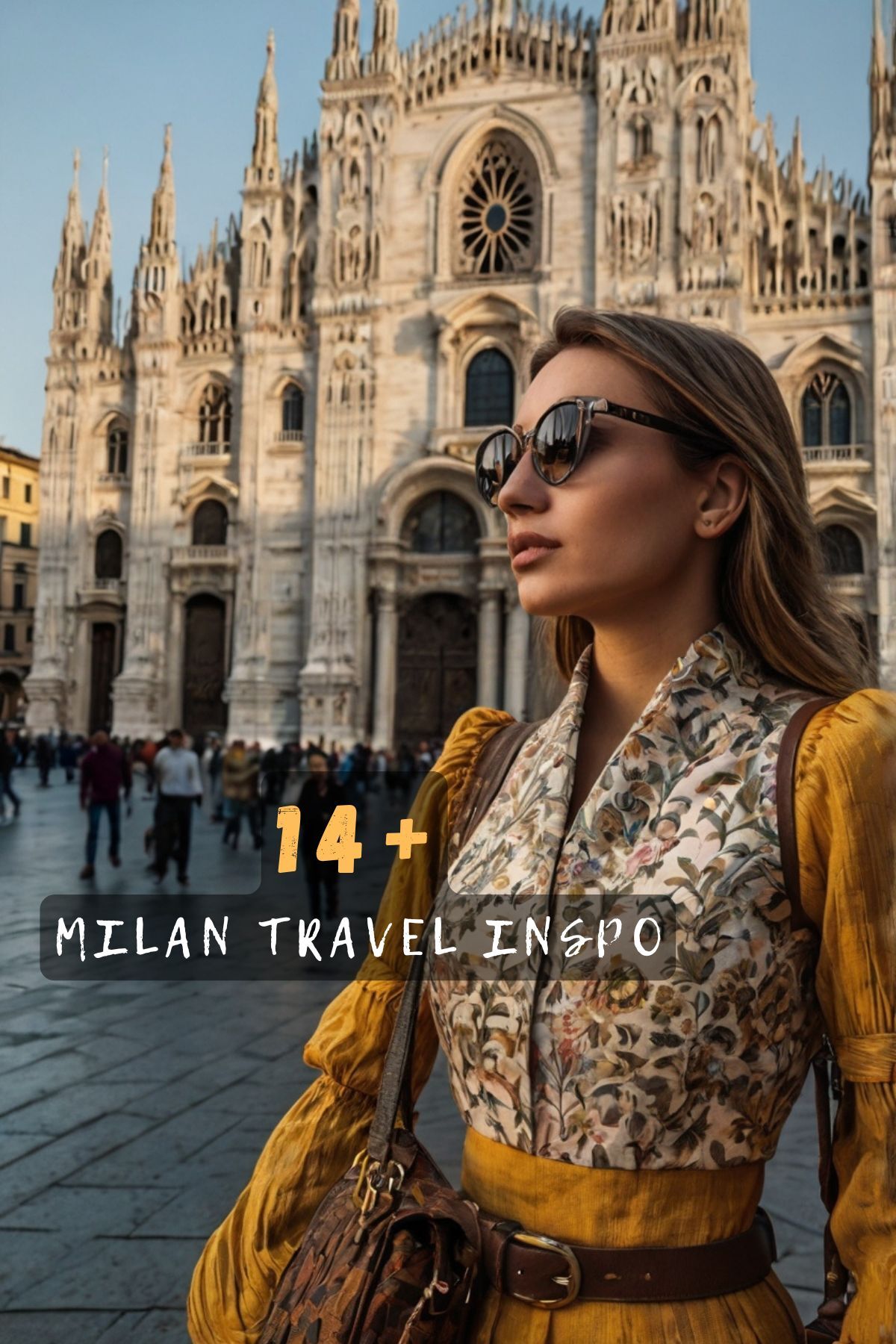

Milan isn’t just about the Duomo and designer shopping bags.
While everyone else is elbowing through crowds at the main attractions, you could be sipping wine in hidden courtyards, exploring underground bunkers, and eating at trattorias where nonnas still make pasta by hand.
These are the spots Milanese locals actually go to—the ones they’ll only tell you about after a few glasses of Aperol.

Drink Coffee in the Secret Garden at Bar Basso

Bar Basso isn’t on any tourist map, yet it’s where the Negroni Sbagliato was accidentally invented in 1972.
The real magic happens when you walk past the main bar area and discover the lush garden courtyard hidden behind it.
You’ll find local artists, fashion industry insiders, and neighborhood regulars sprawled across vintage chairs surrounded by climbing vines and string lights.
The bartenders here don’t just make drinks—they create liquid art with a side of attitude.
Order the famous Negroni Sbagliato and watch them mix Campari, sweet vermouth, and prosecco with the precision of a surgeon.
The garden stays open until late, transforming from a quiet afternoon hideaway into a buzzing evening scene where conversations flow as freely as the cocktails.
Unlike the tourist-packed bars near the Duomo, nobody here is rushing you to finish your drink and free up a table.
The walls are covered in vintage posters and photographs documenting decades of Milanese nightlife history.
You’ll spot fashion week regulars who’ve been coming here since before Instagram made everything a photo op.
The music selection ranges from classic Italian crooners to contemporary jazz, carefully curated to match the mood of the evening.
Locals know to arrive around 6 PM for aperitivo when the garden is bathed in golden light.
The bar snacks aren’t the sad chips and olives you’ll find at tourist traps—think homemade focaccia, local cheeses, and marinated vegetables.
During summer months, the garden becomes an almost magical space where the city noise fades into the background.
You might end up chatting with a Milanese architect or a fashion designer who works for one of the big houses.
This is where real Milan reveals itself—unpretentious, welcoming, and refreshingly authentic.
The address is Via Plinio 39, tucked away in a residential neighborhood that most visitors never explore.
Explore the Abandoned Railway Turned Urban Garden

The Rampone Park sits on what used to be a working railway line connecting Milan’s industrial districts.
Now it’s a long, narrow park where locals jog, walk dogs, and escape the concrete jungle without leaving the city.
You’ll find vegetable gardens maintained by neighborhood volunteers, each plot bursting with tomatoes, herbs, and flowers.
The old railway tracks still peek through in places, creating an industrial-meets-nature aesthetic that photographers love.
Unlike the manicured gardens tourists flock to, this space feels wild and authentic.
Graffiti artists have turned concrete walls into rotating galleries featuring everything from political statements to abstract masterpieces.
Local kids play soccer on the former tracks while their parents catch up over improvised picnics on blankets.
The park stretches for nearly a kilometer, giving you a genuine glimpse into residential Milan away from the glitzy center.
You’ll pass community gardens where elderly Italians tend their plots with the same dedication they’d give to a newborn grandchild.
Street vendors occasionally set up small stands selling fresh produce from local farms outside the city.
The atmosphere here is completely different from tourist-heavy areas—nobody’s trying to sell you anything or rush you along.
Benches scattered throughout the park become prime people-watching spots where you can observe daily Milanese life.
During spring, the cherry trees bloom into a tunnel of pink blossoms that rivals any postcard-perfect scene.
Locals bring their morning espresso here, sitting in the sun before heading to work.
You might stumble upon impromptu gatherings—a group playing music, friends sharing wine, or kids painting on the pavement.
The park connects several residential neighborhoods, making it a genuine part of the local daily routine rather than a destination.
Discover Leonardo’s Vineyard That Time Forgot

Tucked behind Casa degli Atellani sits Leonardo da Vinci’s actual vineyard, gifted to him in 1498 by the Duke of Milan.
For centuries, this half-acre of grapevines disappeared under urban development until historians rediscovered and replanted it using DNA from the original vines.
You’ll walk through the same garden where Leonardo probably pondered his inventions while taking breaks from painting The Last Supper.
The Renaissance house and vineyard are hidden in plain sight, surrounded by modern buildings in the Corso Magenta area.
Most tourists walk right past the unmarked entrance while rushing between major attractions.
Inside, the perfectly restored house features period furniture, frescoed walls, and windows overlooking the reconstructed vineyard.
The Malvasia di Candia grape vines grow in neat rows, the same variety Leonardo himself would have harvested.
You can book tours that include wine tasting made from these historic grapes, connecting you directly to Renaissance Milan.
The intimate garden courtyard feels like stepping through a portal into the 15th century.
Local historians occasionally give talks here about Leonardo’s lesser-known agricultural interests and his Milan years.
The combination of art history, viticulture, and architecture makes this spot uniquely Milanese.
Unlike crowded museums, you’ll often have the space nearly to yourself, especially during weekday visits.
The guides share fascinating details about Leonardo’s daily life that you won’t find in standard art history books.
You’ll learn how the Duke compensated Leonardo for painting The Last Supper with this land rather than cash.
The vineyard produces limited bottles each year, making it one of the most exclusive wines you can taste in Milan.
Sitting in the garden with a glass of this wine while surrounded by 500-year-old history creates an unforgettable moment.

🗼 I Wrote a Book About My Japan Travel Catastrophes!
Before I landed in Tokyo, I thought I was the “Final Boss” of international travel. Spoiler alert: I WASN’T. 😅
🚅 I boarded the wrong Shinkansen and ended up in THE WRONG CITY. I confused locals with my “expert” bowing that was more awkward than accurate. I accidentally stumbled into a high-stakes Kendo practice thinking it was a tourist show. Sound like something you’d do?
“Things I Wish I Knew Before Going to Japan” is your shortcut to avoiding ALL my cringe-worthy mistakes. ✨ Inside, you’ll find practical, LIFE-SAVING tips on etiquette, transport, money, and hidden gems that will save you time, money, and a whole lot of confusion.
Hunt for Vintage Gold at Mercato Papiniano

Every Tuesday and Saturday morning, Papiniano market transforms several blocks into a treasure hunter’s paradise.
This is where Milanese fashionistas actually shop, not the overpriced vintage boutiques in trendy neighborhoods.
You’ll find everything from genuine 1970s Fendi bags to handmade lace tablecloths from someone’s great-grandmother’s collection.
The market stretches along Viale Papiniano, with hundreds of stalls selling clothes, accessories, fabrics, and household goods.
Locals arrive early—around 8 AM—to snag the best vintage designer pieces before they disappear.
Unlike tourist markets, prices here are negotiable, and vendors expect you to haggle respectfully.
You might spot a Milanese nonna selling her vintage Hermès scarves alongside a young vendor specializing in 1990s streetwear.
The fabric stalls overflow with Italian textiles—silks, wools, and linens sold by the meter at prices that make fashion students weep with joy.
You’ll see local tailors and designers carefully selecting materials for their next collections.
The food section offers fresh produce, cheeses, and cured meats at a fraction of tourist-area prices.
This is where actual Milanese families do their weekly shopping, squeezing tomatoes and arguing about the best price for artichokes.
The atmosphere buzzes with rapid-fire Italian, the smell of roasted porchetta, and the energy of serious shoppers on missions.
You might find a vintage Versace jacket for €30, though you’ll need a good eye and patience to separate treasures from junk.
Local fashion students treat this market like a classroom, studying vintage construction techniques and gathering inspiration.
The vendors know their regulars by name, setting aside special pieces they think specific customers will love.
Bringing cash is essential since many vendors don’t accept cards, keeping the market refreshingly old-school.
Sip Aperitivo in the Secret Garden of 10 Corso Como

Everyone knows 10 Corso Como as a concept store, but most visitors miss the hidden garden restaurant tucked behind it.
The entrance requires you to walk through the boutique and out the back door into what feels like a secret fairy tale.
You’ll find yourself in a tree-shaded courtyard where fashion insiders, local artists, and neighborhood regulars gather for aperitivo.
The tables nestle between climbing roses, ivy-covered walls, and contemporary art installations that change seasonally.
Unlike the main restaurant, the garden bar operates on a more casual, drop-in basis that locals prefer.
You can order classic Milanese aperitivo with an elevated twist—think truffle-laced focaccia and artisanal cocktails.
The crowd here skews toward creative professionals who live or work in the Corso Como area.
You’ll overhear conversations in Italian about upcoming gallery openings, fashion collections, and the latest design trends.
The garden creates a microclimate that stays cool even during summer heatwaves, thanks to the mature trees providing natural shade.
Local photographers love this spot for the quality of natural light filtering through the leaves during golden hour.
The staff recognizes regulars and somehow always finds them their favorite corner table without reservations.
During Milan Fashion Week, the garden becomes an unofficial meeting spot for buyers, editors, and designers between shows.
You might end up sitting next to someone who just walked in the latest Prada show or designed the furniture for a famous hotel.
The bookstore section inside offers carefully curated art and design books you won’t find anywhere else.
Locals know to grab a book, bring it to the garden, and spend the afternoon reading while sipping Aperol.
This spot perfectly captures Milan’s blend of commerce, culture, and la dolce vita without feeling touristy or manufactured.
Uncover Hidden Frescoes in Abandoned Palazzos

Milan’s historic center hides dozens of Renaissance-era courtyards with crumbling frescoes that most tourists never see.
Via Rugabella, Via Cappuccio, and Via Torino contain doorways that open into time capsules of Milanese aristocratic life.
You’ll find palazzo courtyards where families have lived for generations, maintaining private gardens surrounded by faded 16th-century paintings.
The trick is walking confidently through open doorways during daytime hours when buildings are accessible.
Most Milanese locals know these courtyards are semi-public spaces during the day, offering glimpses into authentic architectural history.
You might discover a courtyard with a centuries-old well, original stone columns, and frescoes depicting mythological scenes.
The paint may be fading and plaster cracking, but that’s precisely what makes these spaces feel genuine rather than museum-perfect.
Unlike restored tourist sites, these courtyards show the real passage of time and how Milanese families actually live with their history.
You’ll often find bicycles parked against Renaissance columns and laundry hanging in front of 400-year-old artwork.
The courtyards typically feature a central garden or well, surrounded by multiple levels of apartments with elaborate balconies.
Local architecture students sketch here, studying original Renaissance details that haven’t been altered by modern renovations.
You might encounter a resident who’ll share stories about the building’s history passed down through family generations.
Via Morigi features several exceptional examples, including one courtyard with near-complete frescoed walls depicting garden scenes.
The etiquette is simple—stay quiet, respect the space, take photos discreetly, and leave nothing behind.
These aren’t official tourist sites, so you won’t find information plaques or guided explanations.
The mystery and discovery make exploring these hidden courtyards feel like you’re uncovering Milan’s secrets yourself.
Take the Secret Tram to a Hidden Castle

Tram line 1 takes you from the city center to Castello Sforzesco, but locals ride line 7 to reach hidden parks and neighborhoods.
This tram route winds through residential areas where you’ll see how Milanese people actually live beyond the tourist bubble.
You’ll pass neighborhood bakeries with lines of locals, tiny parks where elderly men play bocce, and authentic cafés without English menus.
The tram itself is often a vintage model, creaking and rattling charmingly through narrow streets.
Locals use this line for their daily commutes, creating a perfect people-watching opportunity to observe genuine Milan.
You can ride it to QT8, a neighborhood built for the 1946 design exhibition that tourists rarely visit.
The area features experimental modernist architecture, tree-lined streets, and locals sitting outside enjoying morning coffee.
Another option is riding to Piazza Piola, where university students gather at affordable bars and trattorias.
The tram passes through areas where rent is still reasonable, where families have lived for generations, and where Italian is the only language spoken.
You’ll see real neighborhood dynamics—the butcher chatting with customers, kids walking home from school, elderly women carrying shopping bags.
Unlike metro lines, the tram moves slowly enough to actually see and absorb the neighborhoods you’re passing through.
Local commuters often strike up conversations, especially if you’re obviously exploring beyond typical tourist routes.
You might receive recommendations for the best pizza in the area or which gelateria uses real ingredients.
The tram tickets cost the same as any public transport, making this an affordable way to see authentic Milan.
Riding at different times of day reveals different aspects of neighborhood life—morning market rush, afternoon quiet, evening aperitivo buzz.
This is how you discover the Milan that exists beyond Instagram photos and guidebook recommendations.
Eat at Family Trattorias in NoLo

The NoLo neighborhood—North of Loreto—was once considered too working-class for tourists but has become locals’ favorite secret.
You’ll find third-generation family trattorias serving Milanese classics exactly as they’ve been made for decades.
Trattoria Madonnina serves osso buco and risotto alla milanese that makes grandmothers nod in approval.
The dining rooms feel like someone’s living room, with mismatched chairs, family photos on walls, and zero pretension.
Unlike trendy restaurants in central Milan, these spots don’t accept reservations—you show up and wait for a table.
The menus are handwritten in Italian, sometimes without translations because they’re cooking for neighbors, not tourists.
You’ll sit next to local families celebrating birthdays, colleagues having business lunches, and neighborhood regulars who eat here weekly.
The portions are generous, prices are reasonable, and the food tastes like someone’s nonna made it because someone’s nonna probably did.
Locals know to arrive around 12:30 PM for lunch or 8 PM for dinner to snag tables before the rush.
The waiters remember regular customers’ preferences, greeting them by name and sometimes bringing dishes without being asked.
You won’t find trendy fusion cuisine or deconstructed anything—just honest, delicious Milanese cooking using quality ingredients.
The wine lists feature regional options, often house wines served in simple carafes at prices that seem impossible in Milan.
After your meal, you’ll be offered grappa or limoncello on the house while the staff chats with longtime customers.
The NoLo area also features vintage shops, local bakeries, and immigrant-run grocery stores creating a genuinely diverse neighborhood.
Walking through these streets feels completely different from tourist-heavy areas—this is Milan as a living city, not a museum.
You’ll leave understanding why locals fiercely protect these neighborhood treasures from becoming Instagram-famous and overrun.
Find Secret Rooftop Views Without the Crowds

Milanese locals don’t wait in line for Duomo rooftop access—they know better vantage points with zero tourists.
The Martini Terrace at Teatro alla Scala offers stunning city views while you sip cocktails where opera legends have partied.
You’ll need to book ahead, but unlike public viewing platforms, you get comfortable seating and drinks with your panorama.
Another local secret is the rooftop terrace at La Rinascente department store, which offers Duomo views from across the piazza.
The top floor restaurant has a terrace where you can grab coffee or aperitivo while staring directly at the cathedral’s spires.
Locals pop up here for a quick espresso with a view, treating it like their personal living room rather than a tourist attraction.
The Torre Branca in Parco Sempione opens irregularly, which keeps tourist crowds minimal when it does operate.
This 1930s steel tower offers 360-degree views of Milan, and you can ride the elevator to the top for a few euros.
The surrounding park fills with locals jogging, having picnics, and playing music rather than tourists rushing between attractions.
From the tower, you’ll see Milan spreading in all directions—the Alps visible on clear days to the north.
Another insider spot is the rooftop at Ceresio 7, a pool and restaurant where Milanese beautiful people gather for sunset aperitivo.
You’ll need to dress well and arrive with confidence, but the terrace offers incredible city views alongside perfectly mixed cocktails.
The crowd here is exclusively locals and expats who know about this design-forward space in the Porta Garibaldi area.
During summer, the rooftop pools become the backdrop for seeing Milan’s skyline while surrounded by stylish Milanese professionals unwinding after work.
These spots offer something tourist platforms can’t—authentic atmosphere where you’re enjoying views alongside people who actually live in the city.
You’ll leave with better photos and better stories than standing in crowds at obvious tourist viewing spots.
Milan rewards those who dig deeper than guidebook recommendations.
These local secrets transform your visit from checking off famous sites to actually experiencing how Milanese people live, eat, and find beauty in their city.
The next time someone says Milan is just fashion and the Duomo, you’ll know they never discovered the real city hiding in plain sight.