I’ll be straight with you.
When I first booked my ticket to Hungary, I wasn’t exactly bursting with excitement.
It felt like one of those places people visit because it’s cheap, not because it’s incredible.
But man, was I wrong.
From the moment I stepped into a ruin bar in Budapest with a beer in hand, watching the sunset paint the Danube gold, I knew this wasn’t just another European city break.
Hungary hit different.
It’s got this raw, unpolished energy that makes you feel like you’re discovering something before everyone else ruins it.
And yeah, it’s affordable—but that’s just the bonus.
The real reason I keep going back?
It’s got soul.
Budapest Alone Is Worth the Flight

Let’s start with the obvious.
Budapest is one of the most stunning cities in Europe, and I’m not exaggerating.
The architecture is insane—think grand, crumbling palaces mixed with quirky communist-era buildings and sleek modern spots.
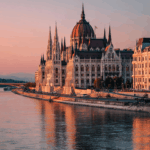
I remember standing on the Chain Bridge at night, looking at the Parliament building all lit up, and thinking, “How is this not more famous?”
The city is split by the Danube River into Buda and Pest, and each side has its own vibe.
Buda is hilly and historic with castles and views.
Pest is flat, bustling, full of nightlife and energy.
You can spend days just wandering, popping into thermal baths, grabbing langos from a street vendor, and stumbling into ruin bars that look like post-apocalyptic art installations.
If Budapest was the only thing Hungary had, it’d still be worth the trip.
Tap to Explore These Beauties
See my ideas in action 👇 Tap any image to explore full details.
The Thermal Baths Are Next-Level Relaxation

Okay, so this might sound random, but Hungary is sitting on some serious geothermal action.
There are over 1,000 natural hot springs across the country.
In Budapest alone, you’ve got legendary spots like Széchenyi and Gellért Baths.
I went to Széchenyi on a freezing November morning, and it was one of the best decisions I’ve made.
Imagine soaking in 38°C outdoor pools while steam rises around you and locals play chess on floating boards.
It’s surreal.
And it’s not touristy in a bad way—actual Hungarians go there to relax.
The baths are also super affordable compared to spas in Western Europe.
You pay like 20 bucks and can spend the whole day rotating between hot pools, saunas, and cold plunges.
My tip: Go early or late to avoid crowds, and bring flip-flops because the floors get slippery.
Ruin Bars Are Unlike Anything Else

If you like nightlife, you need to experience a ruin bar.
These places are built inside abandoned buildings and courtyards, decorated with random junk, vintage furniture, graffiti, and string lights.
Szimpla Kert is the most famous one, and yeah, it’s packed with tourists, but it’s still awesome.
I also loved Instant-Fogas, which is massive and has different rooms with different vibes—one minute you’re in a disco, the next you’re in a chill lounge.
What makes ruin bars special is the atmosphere.
They’re grungy but welcoming, cheap but creative.
You grab a beer for like three bucks, sit on a mismatched couch, and just vibe.
They’re open late, too—some go until 4 or 5 a.m.
And the crowd is usually a mix of backpackers, locals, and expats, so it feels international without being pretentious.
🗼 I Wrote a Book About My Japan Travel Catastrophes!
Before I landed in Tokyo, I thought I was the “Final Boss” of international travel. Spoiler alert: I WASN’T. 😅
🚅 I boarded the wrong Shinkansen and ended up in THE WRONG CITY. I confused locals with my “expert” bowing that was more awkward than accurate. I accidentally stumbled into a high-stakes Kendo practice thinking it was a tourist show. Sound like something you’d do?
“Things I Wish I Knew Before Going to Japan” is your shortcut to avoiding ALL my cringe-worthy mistakes. ✨ Inside, you’ll find practical, LIFE-SAVING tips on etiquette, transport, money, and hidden gems that will save you time, money, and a whole lot of confusion.
Hungarian Food Is Comfort on a Plate

Let me tell you about the food.
Hungarian cuisine is hearty, meaty, and incredibly satisfying.
If you’re into bold flavors and generous portions, you’ll love it here.
Goulash is the national dish—basically a thick, paprika-spiced beef stew that warms you from the inside out.
I had the best bowl of my life at a tiny restaurant near the Great Market Hall.
Then there’s langos, which is fried dough topped with sour cream and cheese.
It’s greasy, it’s messy, it’s perfect.
Don’t skip chimney cake either—it’s a sweet, spiral pastry coated in cinnamon sugar and sold on street corners.
For sit-down meals, try chicken paprikash or stuffed cabbage rolls.
And if you’re feeling adventurous, order a shot of pálinka, the local fruit brandy that’ll knock your socks off.
The food scene in Budapest is also evolving—there are trendy bistros and Michelin-starred spots popping up if you want something more elevated.
Beyond Budapest: The Countryside Surprised Me

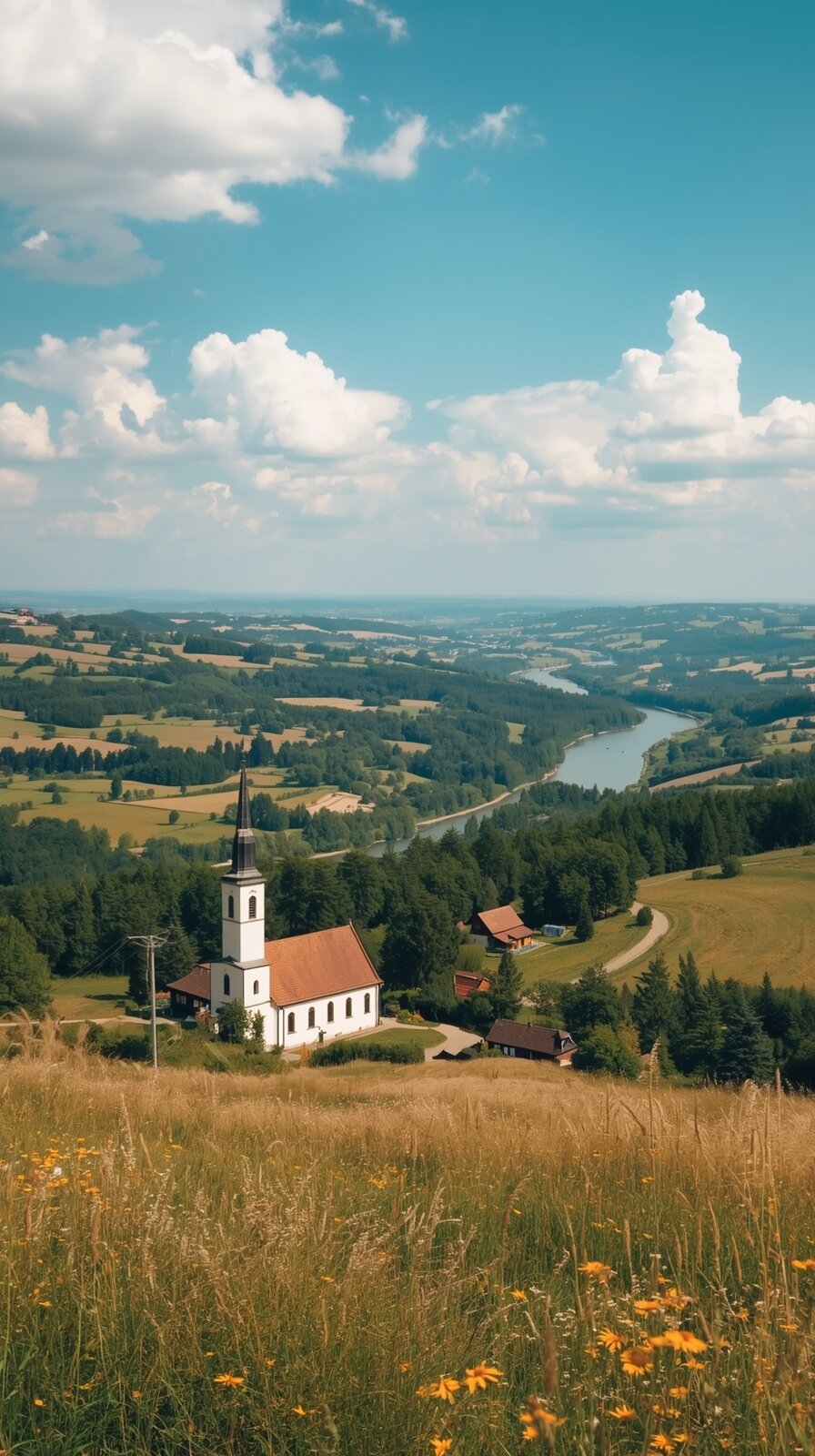
Budapest gets all the hype, but Hungary’s countryside is seriously underrated.
I took a day trip to Eger, a small town about two hours northeast, and it blew me away.
It’s famous for wine—specifically Egri Bikavér, or “Bull’s Blood,” a red blend that’s smooth and delicious.
You can tour the Valley of Beautiful Women, which sounds romantic but is actually just a cluster of wine cellars where you taste your way through the afternoon.
I also visited Lake Balaton, Central Europe’s largest freshwater lake.
It’s kind of like Hungary’s version of a beach vacation—people come here in summer to swim, sail, and relax.
The towns around the lake, like Balatonfüred and Tihany, are charming and way less crowded than the coast in Croatia or Greece.
If you have time, get out of Budapest for a day or two.
You’ll see a different side of the country.
The History Runs Deep (and Dark)

Hungary has a complicated past, and you feel it everywhere.
From the Mongol invasions to Ottoman rule to Soviet occupation, this country has been through a lot.
Walking through Budapest, you’ll see bullet holes in buildings from World War II and the 1956 Revolution.
The House of Terror museum is intense but worth visiting—it covers both Nazi and Communist regimes.
There’s also the Shoes on the Danube Bank memorial, which honors Jews who were killed by fascist militias during the war.
It’s a row of bronze shoes on the riverbank, simple but haunting.
Learning about Hungary’s history gave me a deeper appreciation for its resilience.
The people here are proud and tough, and you can sense that in the way they’ve rebuilt and moved forward.
It’s not all dark though—there’s also rich cultural history in music, art, and architecture that makes the country feel vibrant and alive.
The People Are Real and Friendly (Once You Break the Ice)

Hungarians have a reputation for being a bit reserved, and I’ll admit, they’re not as outwardly bubbly as, say, Italians or Spaniards.
But once you engage with them, they’re warm and genuine.
I had a cab driver in Budapest who spent 20 minutes telling me about the best places to eat off the tourist trail.
At a small bar in Eger, the owner poured me free shots of pálinka and shared stories about his grandfather’s vineyard.
Hungarians appreciate when you make an effort—even just saying “köszönöm” (thank you) goes a long way.
They’re also brutally honest, which I kinda respect.
No fake smiles or over-the-top customer service—just straightforward interactions.
If you approach people with curiosity and respect, you’ll find they’re more than happy to help or chat.
It’s Not Overrun by Tourists (Yet)

One of my favorite things about Hungary is that it doesn’t feel overrun.
Yeah, Budapest gets busy, especially in summer, but it’s nothing compared to Paris or Barcelona.
You can still find quiet corners, authentic local spots, and experiences that don’t feel packaged for Instagram.
Outside Budapest, tourism drops off even more.
In places like Pécs or Debrecen, you might be the only foreigner around.
That’s part of the charm—you get to experience Hungary as it actually is, not some sanitized, tourist-friendly version.
It feels like you’re ahead of the curve, visiting before everyone else catches on.
And honestly?
I hope it stays that way for a while.
Getting Around Is Easy

Hungary is super accessible, whether you’re flying in or traveling overland.
Budapest has a major international airport with direct flights from most European cities and some long-haul routes.
Once you’re in the country, the train system is solid.
I took trains to Eger and Lake Balaton, and they were cheap, comfortable, and on time.
Within Budapest, public transport is excellent—metros, trams, buses, and even a funicular up to the castle.
Everything is connected and runs frequently.
If you want to explore rural areas, renting a car is easy and affordable.
The roads are in good shape, and driving through the countryside is actually pretty scenic.
Hungary is also centrally located, so it’s a great base for hopping to Vienna, Bratislava, or even Zagreb if you’re doing a multi-country trip.
🗼 I Wrote a Book About My Japan Travel Catastrophes!
Before I landed in Tokyo, I thought I was the “Final Boss” of international travel. Spoiler alert: I WASN’T. 😅
🚅 I boarded the wrong Shinkansen and ended up in THE WRONG CITY. I confused locals with my “expert” bowing that was more awkward than accurate. I accidentally stumbled into a high-stakes Kendo practice thinking it was a tourist show. Sound like something you’d do?
“Things I Wish I Knew Before Going to Japan” is your shortcut to avoiding ALL my cringe-worthy mistakes. ✨ Inside, you’ll find practical, LIFE-SAVING tips on etiquette, transport, money, and hidden gems that will save you time, money, and a whole lot of confusion.
The Wine Scene Is Legit

I already mentioned Eger, but Hungary’s wine culture deserves its own section.
The country has been making wine for over a thousand years, and it’s home to Tokaji, one of the world’s greatest dessert wines.
Tokaji Aszú is sweet, complex, and has this incredible honeyed flavor.
Louis XIV of France supposedly called it “the wine of kings and the king of wines.”
You can visit the Tokaj region in the northeast and tour centuries-old cellars carved into volcanic rock.
It’s a wine nerd’s dream.
But even if you’re not a wine expert, you’ll appreciate how accessible and affordable Hungarian wine is.
You can get a bottle of quality stuff for like 10 bucks at a supermarket.
Pair it with some cheese and salami, and you’ve got yourself a perfect evening.
It’s Safe and Easy for Solo Travelers

I’ve traveled solo in Hungary multiple times, and I’ve always felt safe.
Budapest is well-lit, police are visible, and violent crime is rare.
Obviously, use common sense—don’t flash cash, watch your belongings in crowded spots, and avoid sketchy areas late at night.
But overall, it’s one of the safer cities in Europe.
The countryside is even more chill.
Hungary is also solo-traveler-friendly in terms of infrastructure.
There are tons of hostels with social vibes if you want to meet people, or you can stay in a quiet guesthouse if you prefer your own space.
English is widely spoken in Budapest, especially among younger people, so communication isn’t a problem.
If you’re on the fence about traveling alone, Hungary is a solid choice.
So, is Hungary worth visiting?
Hell yeah it is.
It’s got the history, the food, the nightlife, the natural beauty, and the affordability that make it a no-brainer.
Whether you’re into soaking in thermal baths, exploring castles, bar-hopping through ruin pubs, or sipping wine in the countryside, there’s something here for you.
And the best part?
It still feels undiscovered compared to other European hotspots.
Go before everyone else figures it out.