
Rocky Mountain National Park isn’t just another pretty face in Colorado’s crown of natural wonders – it’s a playground where adventure meets breathtaking beauty at every turn.
Visiting more than two parks this year?
The free national park pass calculator shows whether the annual pass beats the gate fees.
With over 350 miles of trails, towering peaks that scrape the sky, and wildlife that’ll make your Instagram followers green with envy, this park delivers experiences that’ll stick with you long after you’ve packed up your hiking boots.
Watch the Sun Paint the Mountains Gold at Bear Lake

Bear Lake at sunrise isn’t just a photo opportunity – it’s a spiritual experience that’ll have you questioning why you ever thought sleeping in was a good idea.
The 0.6-mile paved trail around the lake makes this accessible for pretty much everyone, from your adventure-loving grandparents to your smartphone-obsessed teenager.
You’ll want to arrive at least 30 minutes before sunrise to snag the perfect spot and watch the magic unfold in real time.
The lake reflects the surrounding peaks like a giant mirror, creating those double-mountain shots that’ll make your social media followers think you hired a professional photographer.
During summer months, wildflowers carpet the surrounding meadows in brilliant purples, yellows, and reds that look like someone spilled a paint palette across the landscape.
The best part about this early morning adventure is that you’ll practically have the place to yourself – most visitors haven’t even had their first cup of coffee yet.
Don’t forget to bring layers because mountain mornings can be surprisingly chilly, even in the middle of summer.
The changing light creates a constantly evolving show, with colors shifting from deep purples and blues to warm oranges and golds as the sun climbs higher.
After the sunrise show, you can extend your adventure by hiking to nearby Nymph Lake or Dream Lake, both offering their own unique perspectives on the surrounding alpine scenery.
The entire experience typically takes about two hours, leaving you plenty of time to grab breakfast in Estes Park and plan the rest of your mountain adventure.
Spot Elk, Bighorn Sheep, and More in Moraine Park

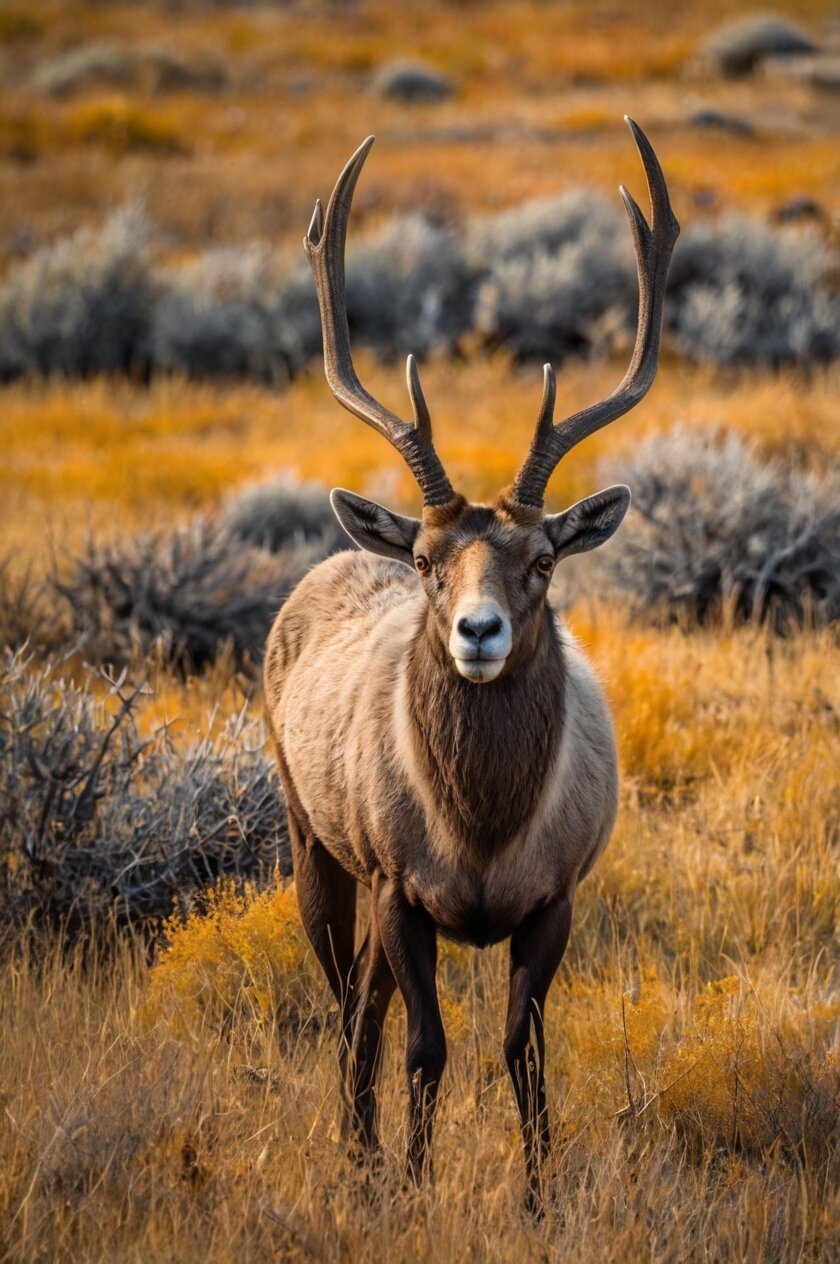
Moraine Park transforms into nature’s ultimate wildlife theater, where massive elk bugle their haunting calls across meadows that stretch as far as your eyes can see.
This expansive valley serves as the park’s premier wildlife viewing destination, offering front-row seats to some of the most incredible animal encounters you’ll ever witness.
During autumn, bull elk gather harems of females and engage in spectacular battles that sound like something straight out of a nature documentary.
The park’s shuttle system makes accessing prime viewing spots incredibly easy, allowing you to hop off at strategic locations without worrying about parking nightmares.
Early morning and late afternoon provide the best opportunities for wildlife sightings, when animals emerge from their daytime hiding spots to graze and socialize.
You’ll spot massive elk herds numbering in the hundreds, their antlers creating an impressive forest of bone that catches the light at golden hour.
Bighorn sheep navigate the rocky outcroppings with an agility that’ll make you question everything you thought you knew about mountain climbing.
Black bears occasionally make appearances, usually focused on foraging for berries and completely unbothered by the paparazzi of visitors capturing their every move.
Mule deer bound through the meadows with a grace that makes professional dancers look clumsy, their oversized ears constantly rotating like satellite dishes.
The meadows themselves tell an incredible geological story, shaped by ancient glaciers that carved this valley into the perfect wildlife habitat.
Bring binoculars to catch details you’d miss with the naked eye, like the intricate patterns on a bighorn sheep’s coat or the impressive size of an elk’s antlers.
Professional wildlife photographers flock to this area for good reason – the combination of dramatic mountain backdrops and diverse animal life creates once-in-a-lifetime shots.

Your Ultimate Caribbean Adventure Awaits!
Discover hidden coves, secret beaches, and the best rum punches in the islands. Your insider’s guide to Caribbean paradise.
Get Your Guide Now$15.99Hike the Emerald Lake Trail for Triple Lake Views

The Emerald Lake Trail delivers not one, not two, but three stunning alpine lakes that’ll have you wondering if you accidentally wandered into a fairy tale.
This 3.2-mile round-trip hike starts at Bear Lake and takes you on a journey through increasingly dramatic scenery that gets better with every step.
Your first stop is Nymph Lake, a peaceful shallow lake surrounded by lily pads that create perfect reflections of the towering peaks above.
The trail then winds upward through dense forests of aspen and pine, with glimpses of granite cliffs that hint at the grandeur waiting ahead.
Dream Lake appears next like something straight out of a postcard, with its turquoise waters perfectly framed by the dramatic face of Hallett Peak.
The final destination, Emerald Lake, sits nestled in a glacial cirque that feels like nature’s own private amphitheater carved from solid granite.
Each lake offers its own unique character and photographic opportunities, from the intimate charm of Nymph Lake to the dramatic alpine setting of Emerald Lake.
The elevation gain totals about 650 feet, making this hike challenging enough to feel accomplished without requiring mountaineering skills.
Wildflowers line the trail during summer months, creating a colorful carpet that changes with elevation and season.
You’ll encounter fellow hikers from around the world, all drawn by the promise of some of Colorado’s most accessible alpine beauty.
The trail can get crowded during peak summer months, so starting early gives you the best chance at those perfect reflection shots without photobombing tourists.
Winter transforms this hike into a completely different adventure, with snowshoes or microspikes required to navigate the frozen landscape safely.
Scale the Granite Walls at Lumpy Ridge

Lumpy Ridge offers world-class rock climbing that’ll challenge everyone from weekend warriors to seasoned professionals looking for their next epic adventure.
The granite formations here provide some of the most diverse and high-quality climbing in all of Colorado, with routes ranging from beginner-friendly slabs to terrifying overhangs that’ll test your limits.
You’ll find traditional climbing routes that require placing your own protection, as well as some bolted sport routes for those who prefer clipping into pre-placed anchors.
The approach hikes vary from short 10-minute walks to longer adventures that take you deep into the backcountry for more remote climbing experiences.
Classic routes like “The Bookmark” and “Twin Owls” have become legendary among climbers, offering perfect granite texture and incredible exposure that’ll get your adrenaline pumping.
The views from the top of these formations stretch across the entire Front Range, providing panoramic vistas that make the challenging climbs absolutely worth every muscle-burning move.
You’ll need to bring your own gear or arrange rentals in nearby Estes Park, since the park doesn’t provide climbing equipment for obvious safety reasons.
Spring and fall offer the best climbing conditions, with cooler temperatures that make those strenuous moves more manageable and rock that’s less likely to be wet from afternoon thunderstorms.
The granite here provides excellent friction for your climbing shoes, allowing for delicate face climbing that feels more like dancing on rock than brute-force athletics.
Multi-pitch routes let you spend entire days on the wall, with belay stations offering perfect spots to rest and take in the incredible alpine scenery.
Even if you’re not a climber yourself, watching skilled athletes navigate these vertical puzzles provides entertainment that’s better than any sporting event you’ll find on television.
The climbing community here is incredibly welcoming, with experienced climbers often happy to share beta (route information) and safety tips with newcomers to the area.
Marvel at the Milky Way from High Elevation

Rocky Mountain National Park transforms into an astronomer’s paradise after dark, offering some of the darkest skies you’ll find anywhere in the continental United States.
The high elevation and minimal light pollution create perfect conditions for stargazing that’ll make you question why you ever thought city lights were impressive.
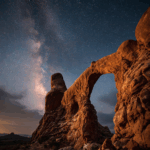
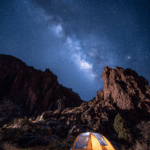
You can literally see the Milky Way stretching across the sky like a cosmic highway, with individual stars so bright and numerous they’ll overwhelm your senses.
The park’s elevation puts you above much of the atmospheric interference that plagues lower-altitude stargazing, resulting in incredibly crisp and clear celestial views.
Sprague Lake and Bear Lake both offer excellent stargazing spots with minimal tree cover and convenient parking areas for nighttime visits.
During new moon phases, the darkness becomes so complete that you’ll need a red flashlight to navigate without destroying your night vision.
Summer brings warm nights perfect for lying on blankets and scanning the sky for shooting stars, satellites, and the occasional International Space Station flyover.
The park occasionally hosts astronomy programs led by rangers who know exactly where to point their telescopes for the best planetary and deep-space viewing.
You’ll spot constellations that are completely invisible from most populated areas, learning star patterns that have guided travelers for thousands of years.
Bring warm layers even during summer, since mountain temperatures can drop dramatically after sunset, turning a comfortable evening into a teeth-chattering experience.
The silence at night amplifies the experience, with only the distant calls of owls and the occasional rustle of nocturnal wildlife breaking the cosmic stillness.
Photography enthusiasts can capture incredible long-exposure shots of star trails and the Milky Way, creating images that’ll make your friends think you hired a professional astrophotographer.
Caribbean Paradise Unlocked
From pristine beaches to vibrant local culture, discover the Caribbean’s best-kept secrets with my comprehensive travel guide.
- 120+ Hidden Beach Secrets
- Local Cuisine Guide
- Budget Travel Tips
- Island Hopping Routes
Experience True Wilderness with Backcountry Camping

Backcountry camping in Rocky Mountain National Park offers the chance to disconnect from civilization and experience wilderness exactly as nature intended.
You’ll need permits and advance planning, but the reward is having pristine alpine meadows, crystal-clear streams, and towering peaks completely to yourself.
The park’s backcountry zones range from relatively accessible overnight spots to remote wilderness areas that require serious hiking skills and multi-day commitments.
You’ll carry everything you need on your back, from your tent and sleeping bag to all your food and cooking equipment, making this a true test of self-sufficiency.
Designated camping sites protect the fragile alpine environment while still allowing you to experience the raw beauty of sleeping under a canopy of stars.
The silence in the backcountry is profound, broken only by the sounds of wind through pine trees, bubbling streams, and the occasional call of wildlife.
You’ll encounter challenges like afternoon thunderstorms, temperature swings, and the physical demands of hiking with a full pack, but these obstacles make the experience more rewarding.
Wildlife sightings become more frequent and intimate when you’re spending extended time in their habitat, offering opportunities to observe natural behaviors without crowds of tourists.
The sense of accomplishment from successfully completing a backcountry adventure creates memories that’ll last far longer than any hotel stay or guided tour.
You’ll develop skills like reading topographic maps, using a compass, filtering water from natural sources, and setting up camp in challenging terrain.
The night sky from remote backcountry locations offers even more spectacular stargazing than the park’s accessible areas, with zero light pollution to interfere with celestial viewing.
Morning coffee tastes better when you’re brewing it at 11,000 feet elevation while watching sunrise paint nearby peaks in shades of gold and pink.
Capture Perfect Reflections at Sprague Lake

Sprague Lake serves as Rocky Mountain National Park’s premier photography destination, offering mirror-like reflections that’ll make your camera weep with joy.
This accessible lake sits just a quarter-mile from the parking area via a flat, paved trail that accommodates wheelchairs and anyone who prefers their wilderness accessible.
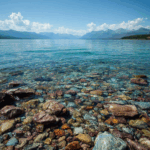
The lake’s calm waters create perfect reflections of the surrounding peaks, doubling the visual impact and creating those symmetrical shots that photography magazines love to feature.
Professional photographers arrive before dawn to capture the golden hour lighting that transforms the entire scene into something resembling a Thomas Kincaid painting come to life.
You’ll find lily pads floating on the surface during summer months, adding foreground interest and natural framing elements to your compositions.
The surrounding peaks provide a dramatic backdrop that changes throughout the day as light and shadows shift across the granite faces.
This spot works equally well for smartphone photography and professional camera equipment, proving that great shots depend more on timing and composition than expensive gear.
Autumn brings special magic when aspen trees surrounding the lake turn brilliant gold, creating color combinations that seem almost too vibrant to be real.
The short hike makes this perfect for families with small children or anyone who wants stunning mountain photography without committing to a full day of hiking.
Early morning visits often reward you with wildlife sightings, as deer and elk frequently come to drink from the lake before human visitors arrive.
The peaceful atmosphere makes this an ideal spot for meditation or simply sitting quietly and absorbing the incredible natural beauty that surrounds you.
Winter transforms the scene completely, with snow-covered peaks and frozen lake edges creating a monochromatic landscape that’s equally stunning but completely different from summer visits.
Drive the Scenic Trail Ridge Road to the Sky

Trail Ridge Road earns its reputation as one of America’s most spectacular scenic drives, climbing to over 12,000 feet elevation and offering views that’ll ruin you for all other mountain roads.
This engineering marvel spans 48 miles and crosses the Continental Divide, taking you through multiple climate zones that represent everything from montane forests to alpine tundra.
You’ll drive above the treeline for 11 miles, experiencing landscapes that usually require serious mountaineering skills to access on foot.
The road typically opens fully between late May and mid-October, with exact dates depending on snow conditions that can close sections without warning.
Wildlife viewing opportunities abound, with elk, bighorn sheep, and marmots frequently spotted from the comfort of your vehicle.
You can stop at numerous pullouts and viewpoints, each offering different perspectives on the surrounding peaks and valleys that stretch to the horizon.
The Alpine Visitor Center sits at 11,796 feet elevation, making it one of the highest visitor centers in the National Park System and a perfect spot for high-altitude selfies.
The drive includes dramatic switchbacks and steep grades that’ll test your vehicle’s performance while providing passengers with heart-stopping views around every curve.
You’ll experience rapid elevation changes that might affect sensitive individuals, but the incredible scenery makes any temporary discomfort absolutely worthwhile.
The road provides access to trailheads that lead to some of the park’s most remote and spectacular hiking destinations, opening up adventure possibilities beyond just the drive itself.
Weather can change rapidly at high elevation, with afternoon thunderstorms capable of creating dangerous conditions even on perfectly clear mornings.
This drive offers the unique opportunity to experience true alpine tundra without the physical demands of high-altitude hiking, making extreme elevation accessible to almost everyone.
Your Ultimate Caribbean Adventure Awaits!
Discover hidden coves, secret beaches, and the best rum punches in the islands. Your insider’s guide to Caribbean paradise.
Get Your Guide Now$15.99Join Ranger-Led Programs for Expert Insights

Ranger-led programs unlock hidden secrets of Rocky Mountain National Park that you’d never discover wandering around on your own with just a trail map and good intentions.
These expert-guided experiences range from evening campfire talks to challenging backcountry hikes led by naturalists who know every plant, animal, and geological formation in intimate detail.
You’ll learn fascinating stories about the park’s human history, from Native American tribes who hunted these mountains for thousands of years to early European explorers who mapped the region.
Wildlife programs teach you how to spot animal signs, understand behavioral patterns, and identify species that most visitors walk right past without noticing.
Geology walks reveal the incredible forces that shaped these mountains over millions of years, helping you understand the dramatic landscapes you’re experiencing.
Night sky programs combine astronomy education with some of the darkest skies in North America, offering telescope viewing and constellation identification that’ll change how you see the night sky forever.
Junior Ranger programs engage kids with hands-on activities that make learning about nature feel like play rather than education, creating future conservationists and outdoor enthusiasts.
Photography workshops led by professional rangers help you capture better images while learning about composition, lighting, and the ethics of wildlife photography.
Seasonal programs highlight specific phenomena like elk bugling in autumn, wildflower identification in summer, or snowshoe techniques during winter months.
The rangers’ passion for their work becomes infectious, transforming casual park visitors into dedicated advocates for wilderness preservation and environmental protection.
These programs fill up quickly during peak season, so booking in advance through the park’s website ensures you won’t miss out on these invaluable learning experiences.
Even experienced outdoor enthusiasts discover new perspectives and information during ranger programs, proving that expert knowledge always enhances wilderness experiences.
Explore Winter Wonderland on Snowshoes

Winter transforms Rocky Mountain National Park into a pristine wonderland where snowshoes become your passport to accessing frozen landscapes that few visitors ever experience.
The park remains open year-round, but snow covers most trails from November through April, creating entirely different hiking experiences that require special equipment and techniques.
You can rent snowshoes in nearby Estes Park or bring your own, but either way you’ll need basic instruction on proper technique to avoid exhausting yourself within the first mile.
Popular summer hiking destinations like Bear Lake and Emerald Lake become magical winter adventures, with frozen waterfalls and snow-laden trees creating scenes straight from a winter fairy tale.
The silence in winter amplifies every sound, from the crunch of snow under your snowshoes to the distant calls of birds adapted to surviving harsh mountain conditions.
You’ll encounter far fewer visitors during winter months, often having entire trail systems to yourself and experiencing solitude that’s impossible during summer peak season.
Wildlife tracking becomes easier in snow, with animal prints telling stories about nocturnal activities and migration patterns that remain invisible during other seasons.
The physical demands of snowshoeing provide excellent winter exercise while allowing you to maintain your hiking fitness during months when most trails are inaccessible.
Proper layering becomes crucial for winter adventures, with temperatures that can fluctuate dramatically between sunny slopes and shaded valley floors throughout a single day.
You’ll develop skills like reading snow conditions, recognizing avalanche danger signs, and understanding how winter storms affect mountain travel and safety.
The stark beauty of snow-covered peaks against brilliant blue skies creates photographic opportunities that capture the park’s dramatic winter personality.
Many winter visitors discover they prefer the peaceful, challenging nature of cold-season adventures to the crowds and heat of summer hiking.
Rocky Mountain National Park delivers adventure experiences that’ll satisfy everyone from casual nature lovers to hardcore outdoor athletes seeking their next epic challenge.
These activities represent just the beginning of what this incredible park offers – each visit reveals new trails to explore, wildlife to observe, and natural wonders to discover that’ll keep you coming back for years.