
Nobody warns you about the motorbikes.
Not really.
You read about them, sure — but nothing prepares you for the moment you step onto a Hanoi street and realize the traffic doesn’t stop.
It just… flows around you like water around a rock.
And in that one moment of standing there, half terrified, half laughing at yourself — Vietnam introduces itself.
That’s kind of how the whole country works.
It doesn’t ease you in.
It pulls you into the current and trusts you to figure out the rhythm.
Three weeks traveling this country from the misty streets of Hanoi down to the electric chaos of Ho Chi Minh City taught me more about how to actually travel than any trip before it.
Not tourist travel.
Real, slow-down, eat-what-she’s-cooking, get-lost-on-purpose travel.
If you’re planning your first time here and you don’t know where to start — pull up a chair.
I’ve got you.
Start in Hanoi — And Give It More Time Than You Think


Most first-timers land in Hanoi and spend two nights before rushing south.
I made that mistake too, the first time around.
Hanoi needs at least three to four days to actually breathe it in.
The Old Quarter is dense and loud and sort of overwhelming — but in the best way.
Wander the streets around Hoan Kiem Lake in the early morning before the city wakes up fully.
That golden, hazy light over the water at 6am is something I still think about.
Pick a tiny plastic-stool café, order a ca phe trung — that’s egg coffee — and just sit with it.
It sounds simple.
But that single morning ritual will tell you more about Hanoi’s soul than any tour ever could.
Don’t over-schedule this city.
The best parts of Hanoi happen when you put the map down.
Ha Long Bay Is Worth the Hype — But Choose Your Cruise Carefully


Yes, it’s touristy.
Yes, you’ve seen the photos a thousand times.
And yes, you still need to go.
Ha Long Bay is one of those places where the real thing actually beats the image.
Limestone karsts rising out of green water, mist sitting low in the morning — it’s genuinely surreal.
But here’s the thing I learned the hard way: not all cruises are created equal.
If I had to do it again, I’d skip the cheapest overnight option and stretch the budget just a little for a mid-range junk boat with smaller group sizes.
Two nights on the water is better than one — you get to see the bay shift moods from day to night to foggy morning.
Kayaking through the caves alone is worth the whole trip.
And if you can time a sunrise on the top deck with hot coffee in hand — do it.
Don’t skip this one just because it feels like the obvious tourist move.
Sometimes the obvious choice is obvious for a reason.
The Train Ride South: One of the Greatest Journeys I’ve Ever Taken

I’m going to say something that might surprise you.
The journey between cities in Vietnam is just as good as the destinations themselves.
The Reunification Express — the train that runs the full length of the country — is something special.
I took it from Hanoi down to Hue, and I spent most of the ride just staring out the window with headphones in.
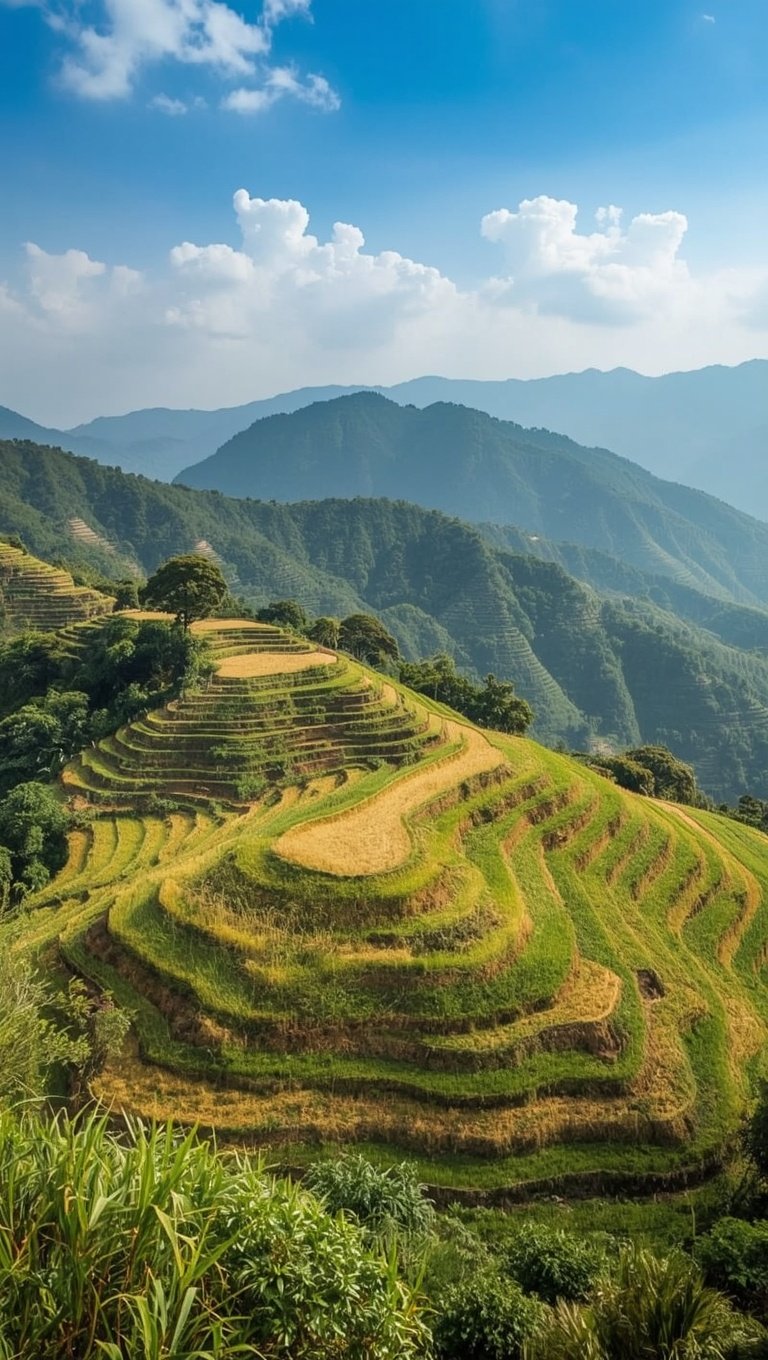
Rice paddies, mountains, tiny villages, the coast appearing out of nowhere — it plays out like a slow movie.
Book a soft sleeper berth if you’re doing an overnight leg.
It’s comfortable, a little romantic in a rugged kind of way, and genuinely one of the coolest travel experiences I’ve had anywhere in the world.
The stretch between Da Nang and Hue runs along the ocean on a clifftop — look it up, it’s called the Hai Van Pass section.
That view alone would make grown men emotional.
Seriously, do not fly every segment of this trip.
You’ll miss the whole point.
🗼 I Wrote a Book About My Japan Travel Catastrophes!
Before I landed in Tokyo, I thought I was the “Final Boss” of international travel. Spoiler alert: I WASN’T. 😅
🚅 I boarded the wrong Shinkansen and ended up in THE WRONG CITY. I confused locals with my “expert” bowing that was more awkward than accurate. I accidentally stumbled into a high-stakes Kendo practice thinking it was a tourist show. Sound like something you’d do?
“Things I Wish I Knew Before Going to Japan” is your shortcut to avoiding ALL my cringe-worthy mistakes. ✨ Inside, you’ll find practical, LIFE-SAVING tips on etiquette, transport, money, and hidden gems that will save you time, money, and a whole lot of confusion.
Hue: The City That Feels Like a Secret


Most travelers rush through Hue on the way to Hoi An.
That’s a mistake I see people make over and over.
Hue is a former imperial capital, and it carries that weight in a really beautiful, quiet way.
The Citadel, the royal tombs, the Perfume River drifting slow and brown through the city center.
It has this melancholy, layered kind of atmosphere that I found sort of addictive.
Food-wise, Hue might be my favorite eating city in all of Vietnam.
Bun bo Hue — a spicy beef noodle soup — for breakfast changed my life a little.
I’m not being dramatic.
It’s rich and lemongrass-forward and has this deep, complex broth that makes pho feel like a rough draft.
Give Hue two full days.
Rent a motorbike or hire a driver and go slow.
This isn’t a place you should rush.
Hoi An: Yes, It’s That Beautiful — Here’s How to Enjoy It Without Losing Your Mind


Hoi An is one of the most photographed towns in Southeast Asia, and when you walk through the Ancient Town at dusk with the lanterns lit up over the river — you’ll completely understand why.
It is genuinely that stunning.
But it also gets crowded.
My honest tip: be in the Ancient Town before 8am and after 8pm.
Those are your golden windows.
Midday is wall-to-wall tour groups and it can feel sort of overwhelming.
Get a tailor-made shirt or jacket while you’re here — it’s fast, affordable, and the quality is real.
I had a linen shirt made in about 36 hours and I still wear it constantly.
Rent a bicycle and ride out to An Bang Beach — it’s about 10 minutes from the old town and has this laid-back, local-ish energy that Hoi An’s center sometimes lacks.
Sit at a beachside spot, order a cold Bia Hoi, and let the afternoon go.
That’s Hoi An at its best.
Da Nang: Your Base, Not Just a Stopover

A lot of people treat Da Nang like a transit hub between Hoi An and Hue.
And I get it — it doesn’t have the same obvious charm.
But Da Nang earned a real spot on my itinerary once I gave it a proper chance.
The city has this modern, breezy coastal energy that feels different from anywhere else in Vietnam.
My Dragon Bridge is genuinely wild — it breathes fire and water on weekend nights, and watching it draw a crowd of locals having a blast is kind of wholesome.
The beach is long, clean, and way less crowded than you’d expect.
Da Nang also has some of the best seafood I’ve eaten anywhere, full stop.
Head to the waterfront streets near the Han River and just wander until something smells right.
That’s my actual strategy.
If you’re traveling with someone who needs a rest day — Da Nang is the perfect place for it.
Good coffee, a beach walk, fresh food.
Sometimes simple is the move.
The Central Highlands: The Part of Vietnam Most First-Timers Miss


If you have an extra few days and you’re craving something off the beaten path — the Central Highlands will deliver.
Da Lat specifically.
It sits at altitude, so the temperature drops and the whole vibe shifts dramatically from coastal Vietnam.
Pine trees, waterfalls, French colonial architecture, strawberry farms — I know that sounds like I’m making it up.
I’m not.
Da Lat has this dreamy, slightly eccentric personality that feels totally unique.
The Crazy House — a guesthouse that looks like something out of a Gaudi fever dream — is genuinely one of the strangest and coolest things I’ve seen in Southeast Asia.
The coffee culture here is serious too.
Vietnam is already one of the world’s great coffee producers, and Da Lat is where a lot of the best stuff comes from.
Sit in any small local café and order a Vietnamese iced coffee and just savor it.
It’s strong and sweet and creamy and absolutely worth every sip.
Nha Trang: Beach Days Done Right

Nha Trang gets a mixed reputation among travelers, and I’ll be honest — it’s because parts of it have been over-developed and cater heavily to package tourism.
But here’s the thing.
The actual beach is beautiful.
Long, wide, blue water, palm-lined promenade — if you go in with the right expectations, it delivers.
I’d recommend spending two nights max here.
Use it as a decompression point between the cultural intensity of the center and the buzzing energy of Ho Chi Minh City to the south.
Snorkeling day trips to the outer islands are genuinely fun and worth booking.
The underwater visibility is solid and the reef life is colorful.
Stay north of the main tourist strip for a slightly more relaxed atmosphere.
And eat the fresh seafood by weight at the local market restaurants — it’s a whole experience.
You point at what you want, they weigh it, they cook it.
Simple and absolutely delicious.
Ho Chi Minh City: Loud, Fast, and Completely Alive
Landing in Ho Chi Minh City after weeks of traveling north to south feels like walking into a completely different country.

The energy here is relentless in the best possible way.
It’s louder, faster, more modern, and buzzing with this entrepreneurial ambition that you can literally feel on the street.
District 1 is where most visitors base themselves, and it works well for convenience.
But I’d push you to explore District 3 and Binh Thanh for a more local texture.
The War Remnants Museum is essential — it’s intense and sobering and important, and you should go.
The Cu Chi Tunnels outside the city are one of the most fascinating historical experiences I’ve had anywhere.
Crawling through narrow tunnels used during the war is a real thing you can do, and it reframes everything.
At night, hit Bui Vien Street for exactly one drink to say you did it.
Then find a rooftop bar in a quieter neighborhood and watch the city buzz below you.
That contrast is very Ho Chi Minh City.
🗼 I Wrote a Book About My Japan Travel Catastrophes!
Before I landed in Tokyo, I thought I was the “Final Boss” of international travel. Spoiler alert: I WASN’T. 😅
🚅 I boarded the wrong Shinkansen and ended up in THE WRONG CITY. I confused locals with my “expert” bowing that was more awkward than accurate. I accidentally stumbled into a high-stakes Kendo practice thinking it was a tourist show. Sound like something you’d do?
“Things I Wish I Knew Before Going to Japan” is your shortcut to avoiding ALL my cringe-worthy mistakes. ✨ Inside, you’ll find practical, LIFE-SAVING tips on etiquette, transport, money, and hidden gems that will save you time, money, and a whole lot of confusion.
Vietnamese Food: The Real Reason to Come Back

I want to be straight with you about something.
The food in Vietnam might be the best argument for visiting that exists.
Not “good for Southeast Asia” — genuinely world-class, top-tier, life-altering food.
Pho for breakfast in Hanoi.
Bun bo Hue in the central region.
Cao lau in Hoi An — this thick noodle dish made with local water that you literally cannot replicate anywhere else in the world.
Banh mi from a street cart in Ho Chi Minh City, eaten walking.
Grilled pork skewers with cold rice paper and herbs in Da Nang.
Each region has its own culinary identity, and following that thread north to south is its own kind of journey.
My personal rule: never eat at a restaurant with a laminated photo menu and an English-speaking tout standing outside.
Walk half a block further.
Find the place with plastic stools and a handwritten sign and a grandmother cooking.
That’s where the magic is.
Practical Things I Wish I’d Known Before I Went

Let me give you the unsexy but useful stuff.
Get a local SIM card the moment you land — it’s cheap and data is fast.
Download offline maps before leaving your accommodation each day.
Traffic in Vietnamese cities does not follow logic as you know it.
Crossing the street requires you to just walk slow and steady and trust that the motorbikes will flow around you.
It sounds insane.
It works.
Bargaining is expected in markets but not in restaurants or shops with fixed prices — read the room.
Learn five words in Vietnamese: xin chào (hello), cảm ơn (thank you), ngon (delicious), bao nhiêu (how much), and không (no).
People light up when you try.
Budget: Vietnam is genuinely affordable, but budget creep is real if you’re eating at tourist restaurants every meal.
Tipping is not mandatory but appreciated, especially at smaller family spots.
Book overnight trains and popular cruises in advance — they fill up faster than you’d think.
How Long You Actually Need

This is the question everyone asks me.
And the honest answer is: longer than you think.
A north-to-south trip done properly needs a minimum of three weeks.
Two weeks is doable but you’ll be moving fast and you’ll leave feeling like you missed things.
Four weeks is the sweet spot if you can swing it.
That gives you room to slow down in places you love, take detours, sleep in without guilt, and actually absorb the country.
Vietnam rewards the traveler who isn’t in a rush.
The best moments I had there weren’t on any itinerary — they happened because I had time to let them.
A random conversation with a local over bia hoi.
Getting completely lost in a back alley and finding a tiny temple.
Sitting on a train watching the coast roll by with no plan for the afternoon.
Those moments don’t happen on a packed two-week schedule.
Give yourself time.
You’ll thank yourself every single day.
The One Thing Vietnam Will Do to You

I’ll leave you with this.
Vietnam will mess with your sense of normal — in a way that sticks.
The pace of life there, the warmth of the people, the quality of the food, the sheer visual richness of the landscape from north to south — it recalibrates something.
I came back home and my regular coffee tasted kind of sad for a week.
The traffic seemed quiet.
Everything felt a little slower and a little less alive.
That’s not a complaint.
That’s what a great trip does.
It changes the baseline.
And for me, Vietnam set a baseline that I’m still chasing on every trip I take after it.