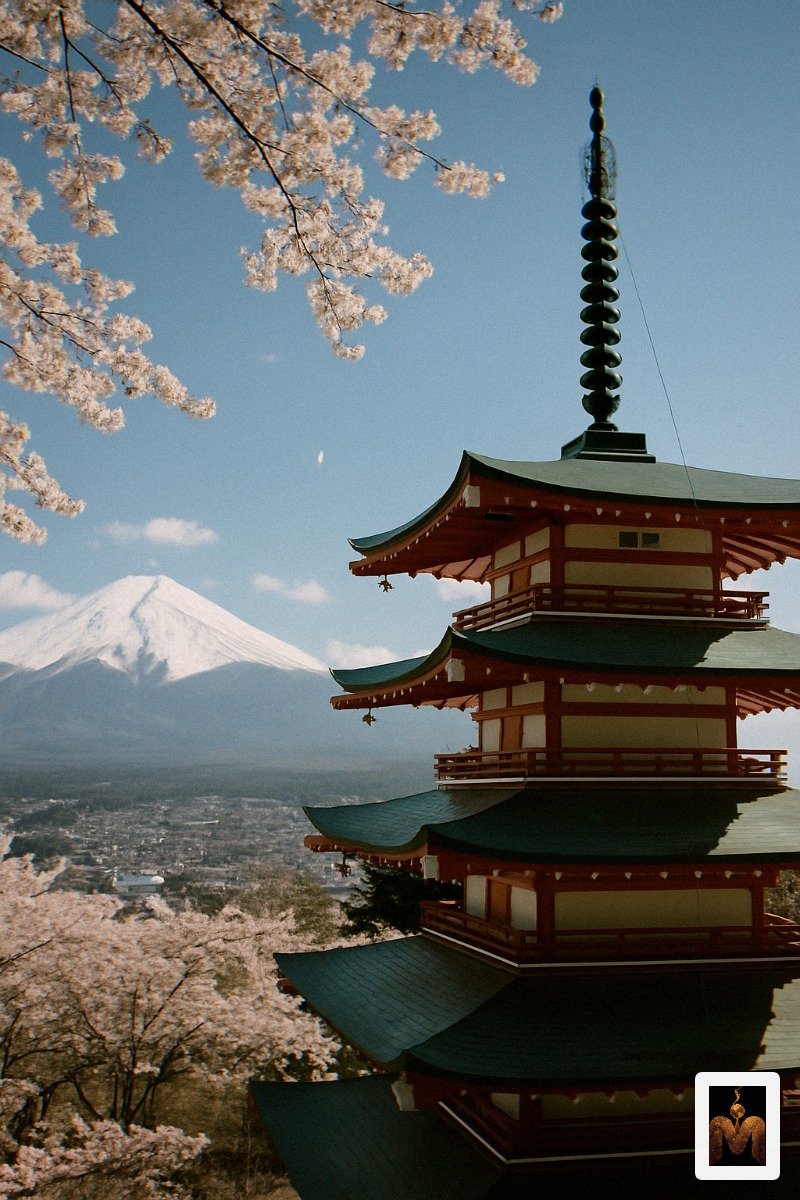

Mount Fuji Is Visible Only 80 Days a Year — Here Is What That Means for Your Trip
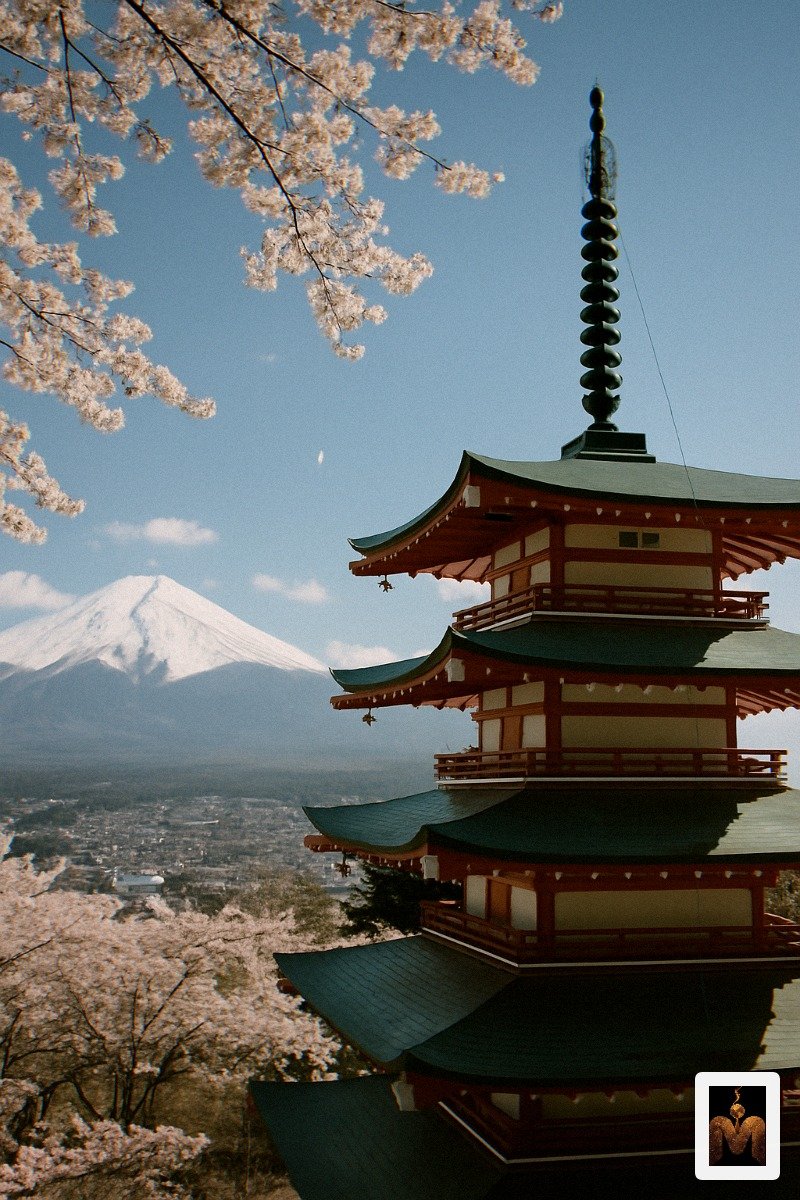
Most people spend four days chasing a mountain they never clearly see because every blog sent them to the same parking lot at the wrong hour.
I did exactly this my first time through.
Stood at Kawaguchiko in late March, stared at a wall of gray, and flew home with zero usable shots.
Checked my weather app obsessively.
Felt cheated.
The mountain was right there, theoretically.
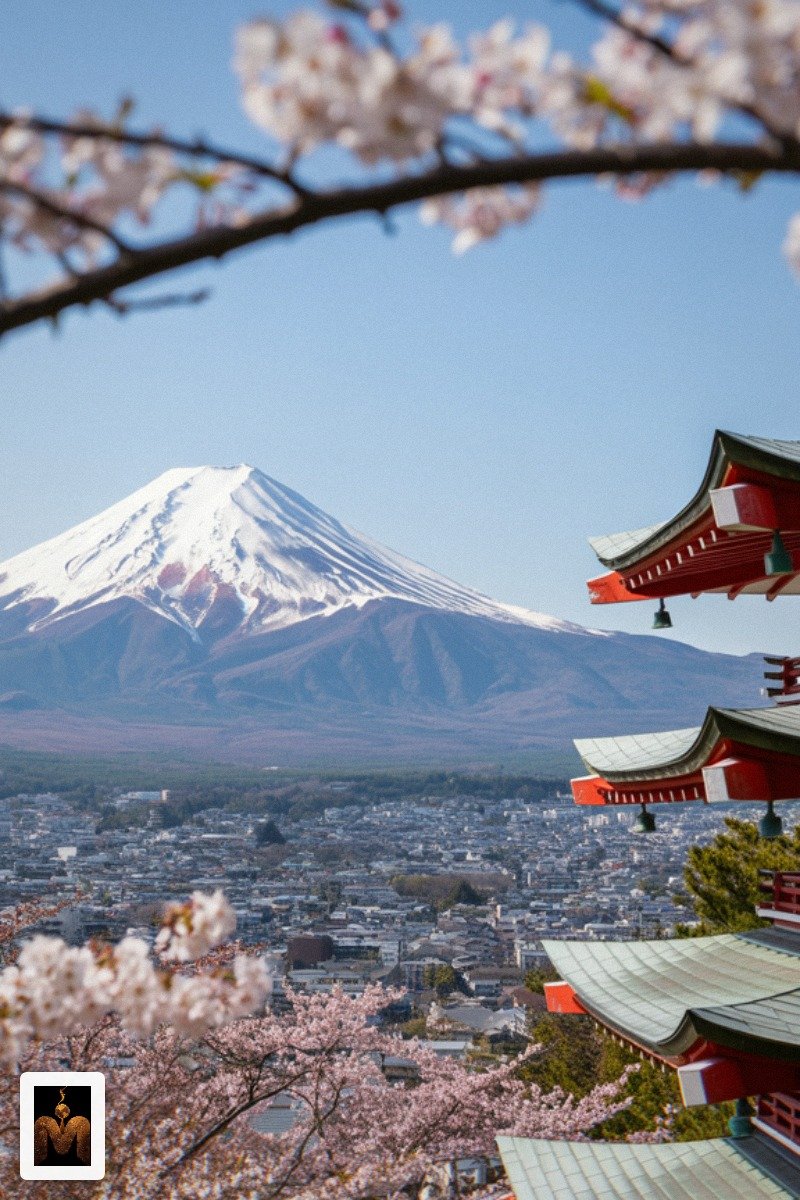
Here’s the number nobody puts in the headline: Fuji is cloud-covered roughly 285 days a year.
That’s not a rough estimate — that’s from Kawaguchiko weather station data — and it averages out to about 80 clear-view days annually.
December through February accounts for roughly 60% of those clear days.
Summer, June through August, peak tourist season, drops to under 20% visibility odds.
You are more likely to see nothing than something if you show up in July.
Cherry blossom season deserves a specific warning.
Late March through April is genuinely stunning if you want pink flowers.
It’s a poor bet if you want to see Fuji.
Those Instagram shots are real.
They’re also the product of maybe four or five cooperative mornings spread across a three-week window, shot by people who were there for ten days and got lucky once.
Booking a fixed long weekend in late April without a flexible itinerary is a gamble most people lose.
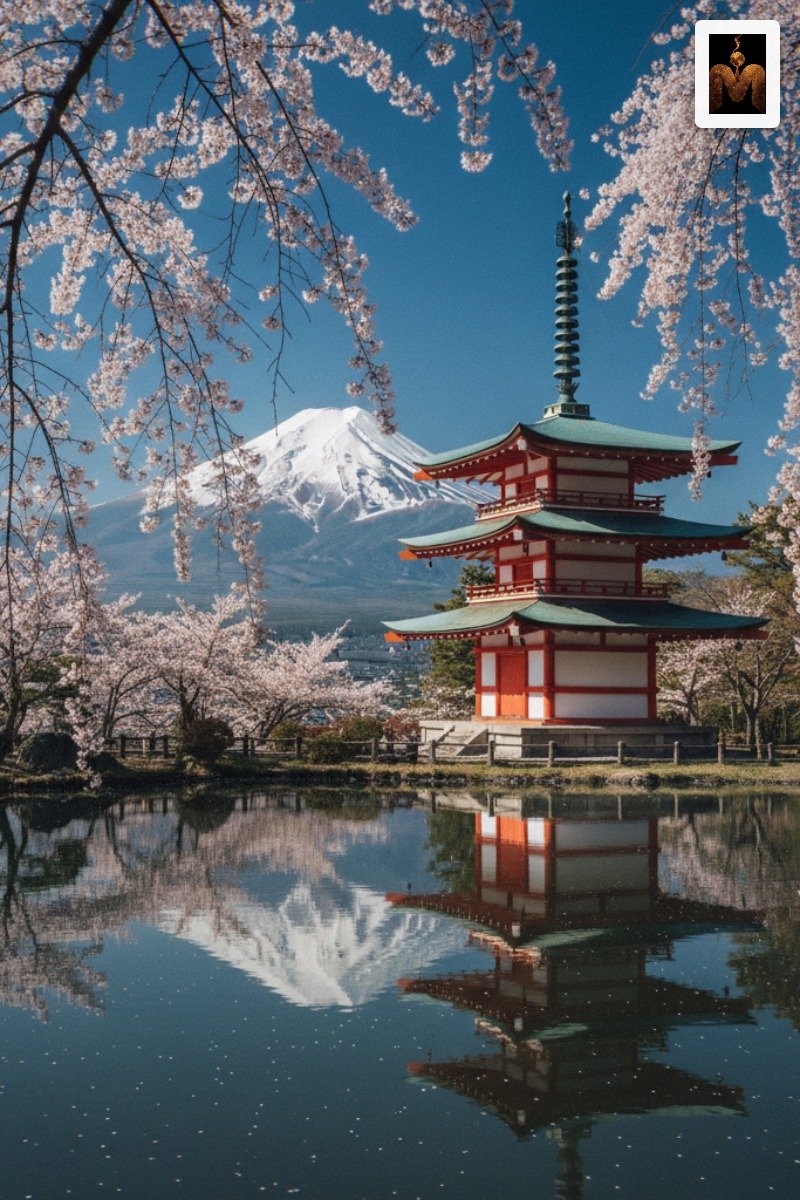
Spring is the best season for cherry blossoms.
That is not the same thing as the best season for Fuji views.
Those are two different trips and almost no blog tells you that plainly.
Chureito Pagoda: Why Everyone Goes and Why Half Leave Disappointed
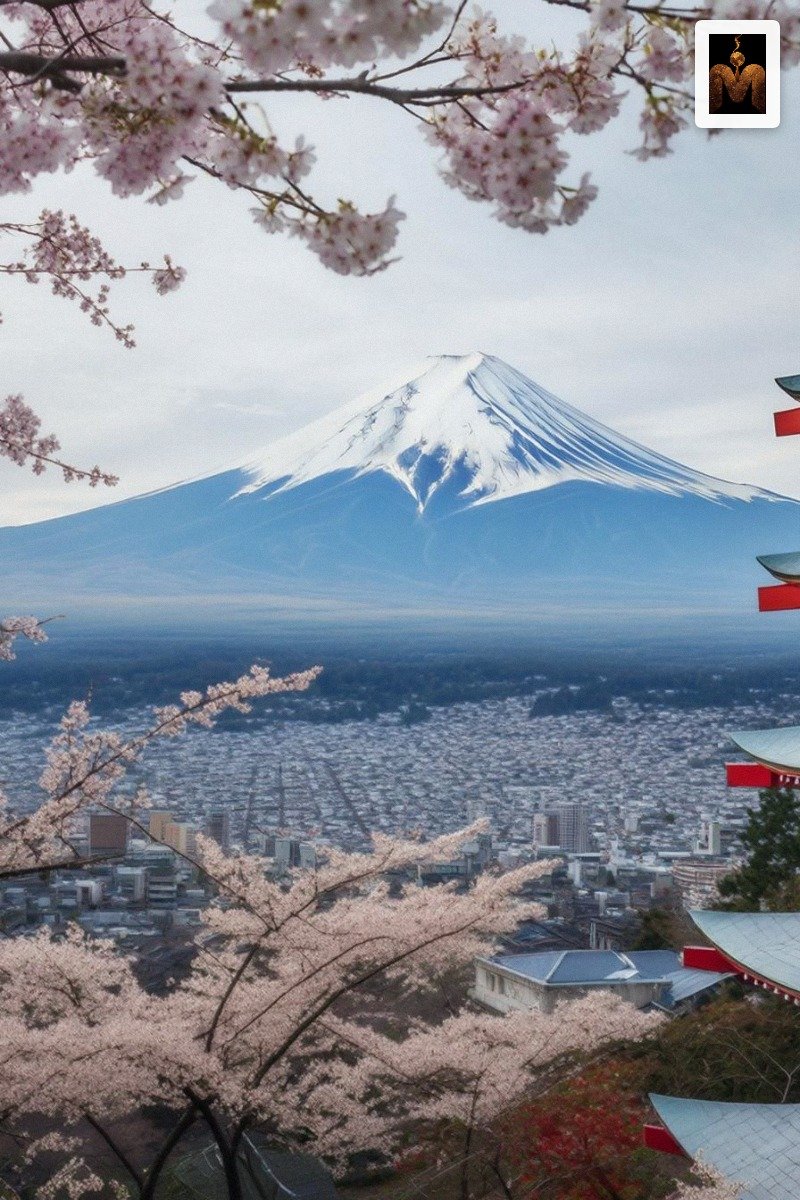
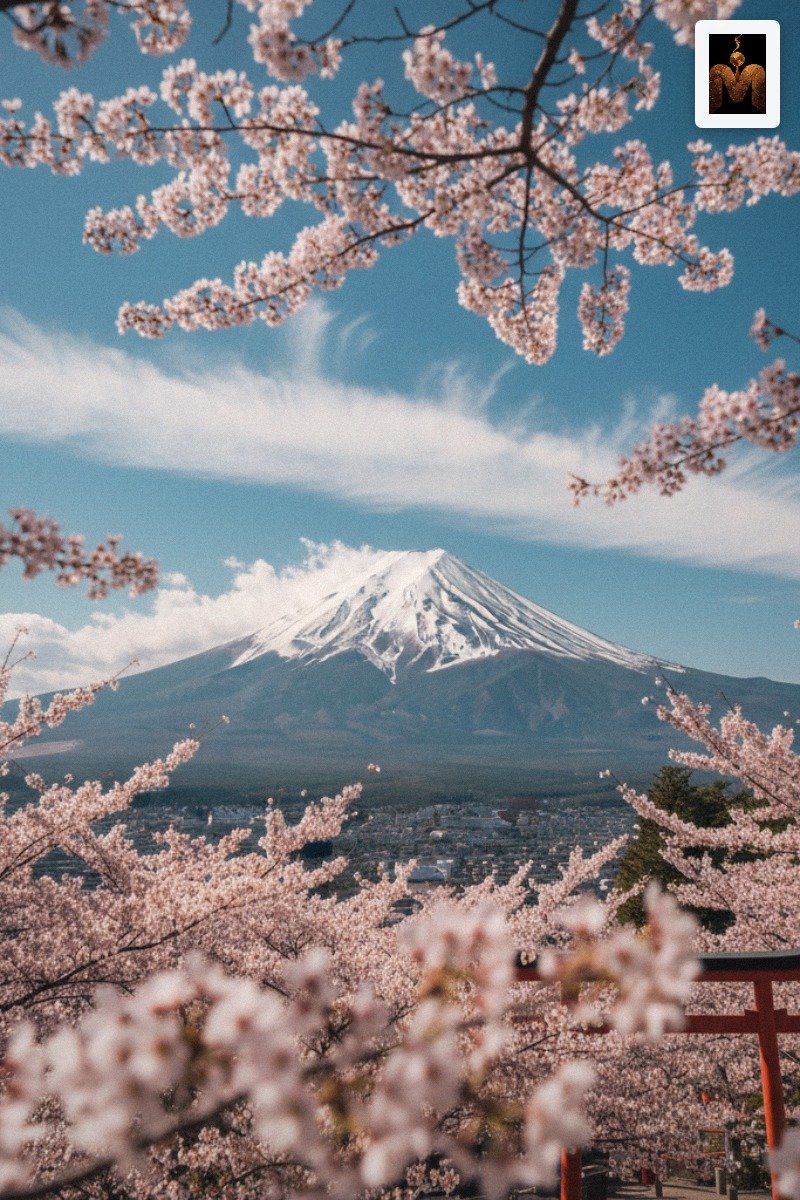
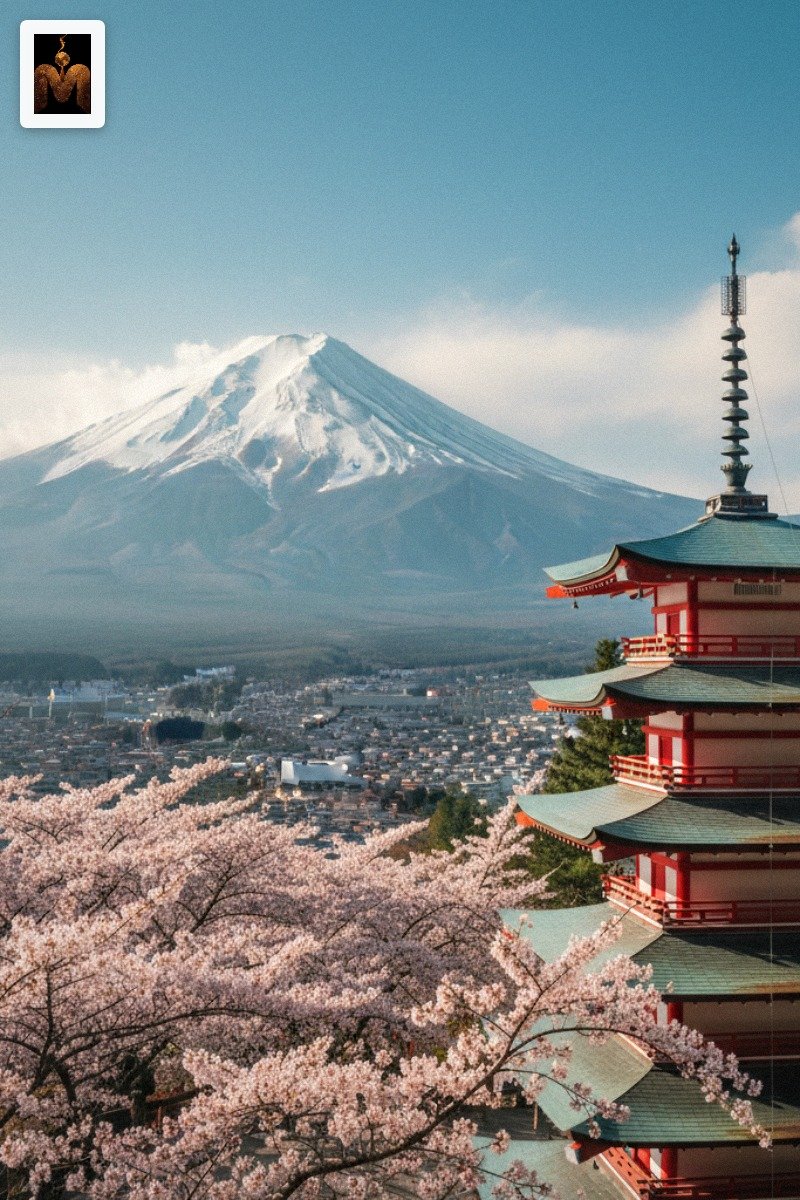
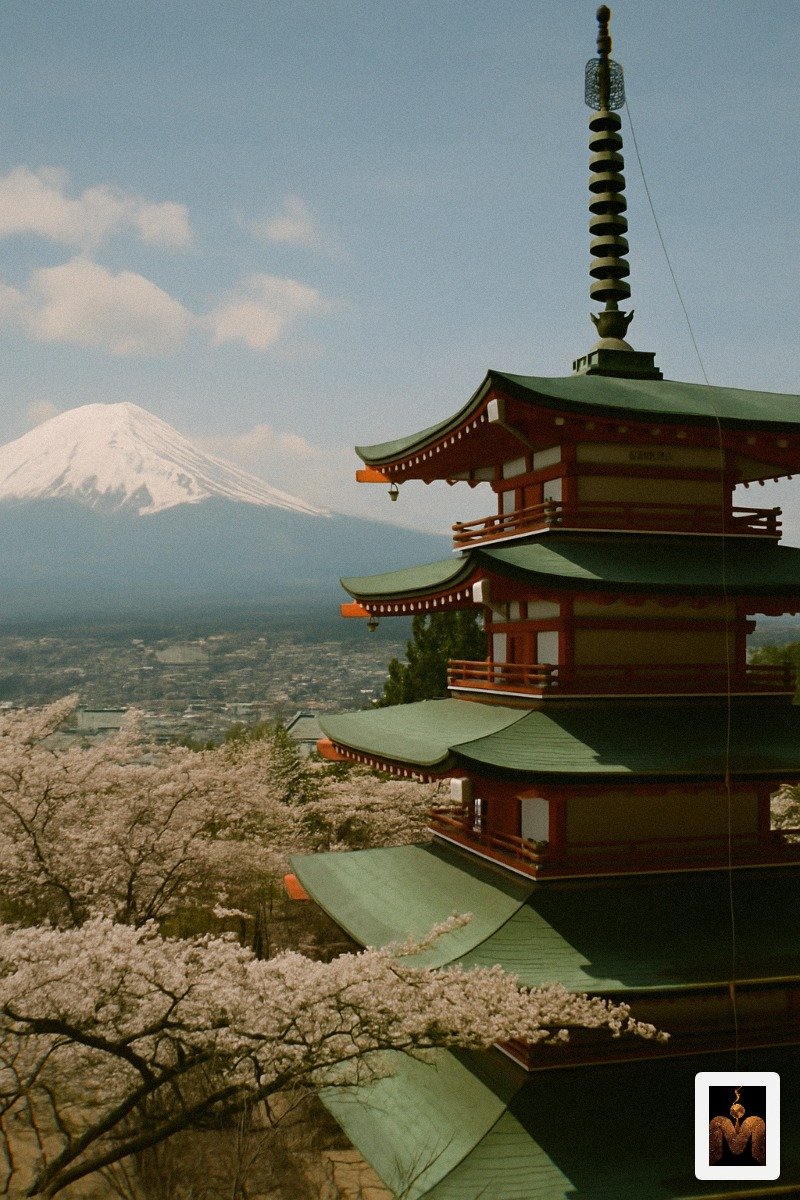
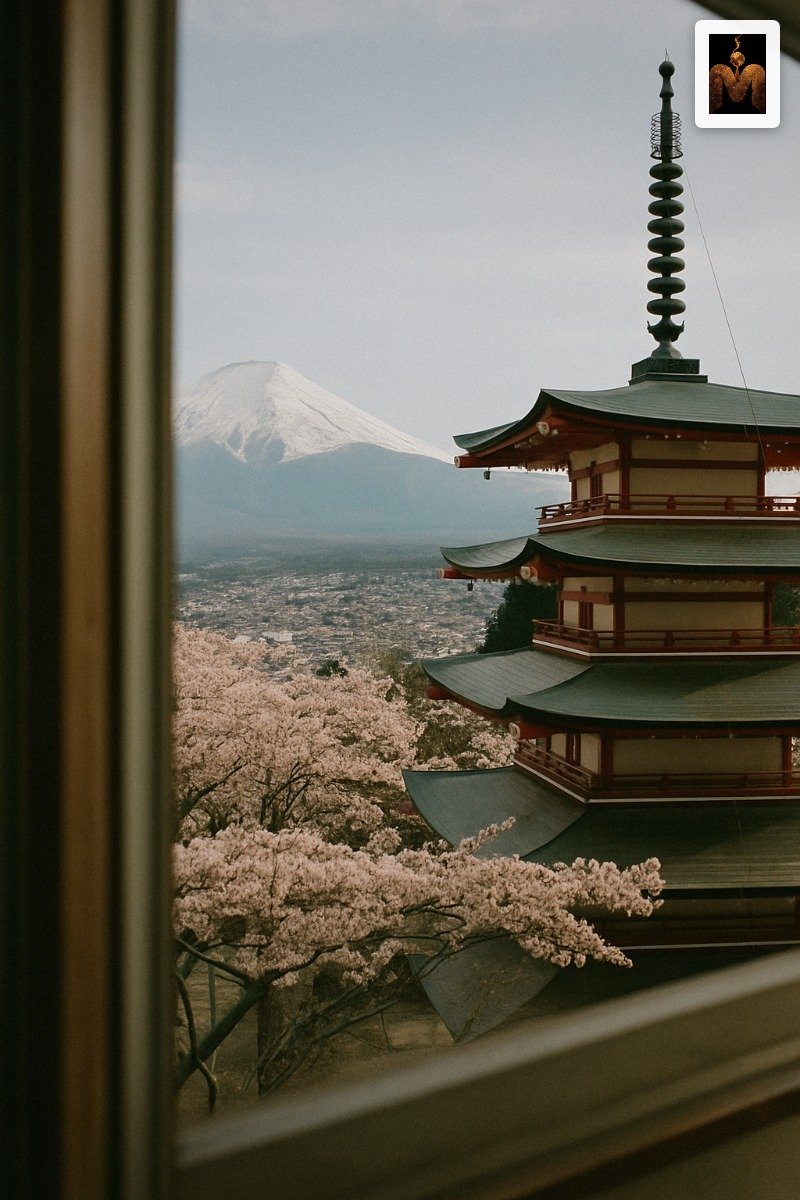
Chureito earns its reputation exactly once: dawn in late April, clear skies, fresh blossoms on the trees below the pagoda.
That shot is real and it’s genuinely worth it.
Every other visit is a mixed bag at best.
The 397 steps from Fujiyoshida Sengen Shrine up to the pagoda are no joke, especially before sunrise in January cold.
And the shooting window is narrow.
Best light runs from about 6:00 to 8:00 a.m., facing northeast, before the sun angle blows out the sky behind the pagoda.
By 9 a.m. you’re shooting into harsh backlight and standing behind 200 to 400 other tourists on a staircase that was not designed for this.
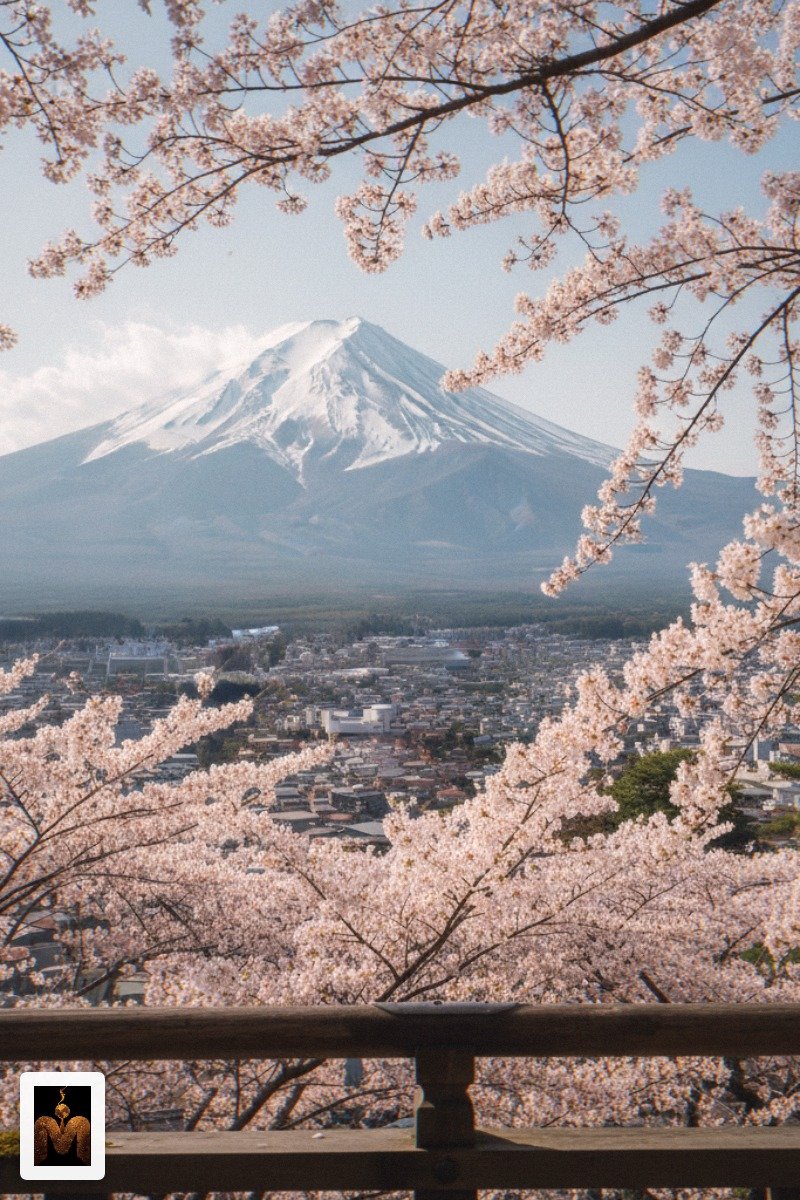
On peak cherry blossom weekends the line starts forming by 8 a.m. I’ve watched people set up tripods at 5:30 a.m. to claim a two-foot strip of railing.
Show up mid-morning expecting the postcard and you’ll be confused and annoyed.
The angle is blown out, the crowd is dense, and the foreground you came for is somebody else’s camera bag.
Chureito is a dawn-only location with a one-season sweet spot.
Treat it that way or skip it.
Kawaguchiko vs. Yamanakako: Settling the Best Fuji Five Lakes Debate
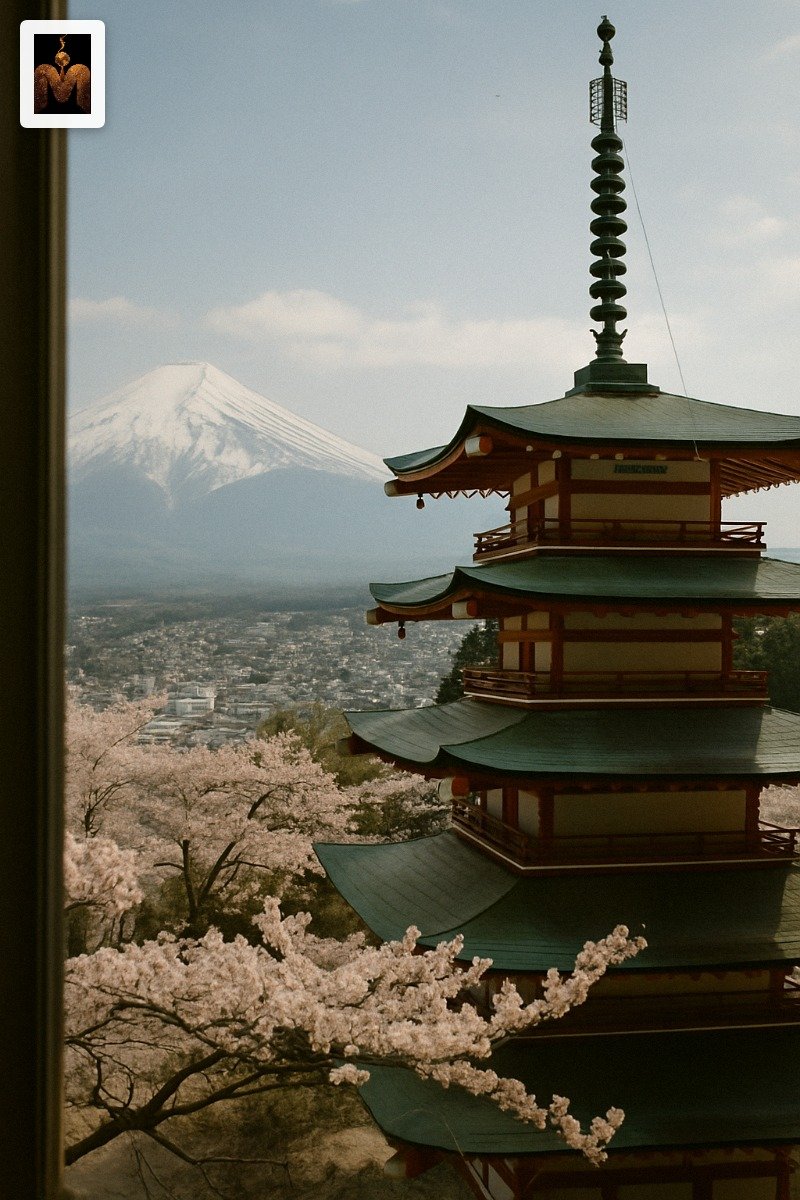
People treat the Fuji Five Lakes like they’re interchangeable, which drives me a little crazy.
Each lake faces the mountain at a different angle and sits at a different altitude.
The composition you get from one is genuinely different from what you get from another.
This isn’t splitting hairs.
It’s the difference between a wide, clean silhouette and a cramped, partially-obstructed one.
Yamanakako is the largest of the five at 6.57 sq km, and its north shore gives you a wider, less obstructed view of Fuji’s full silhouette.
The lake itself anchors the foreground — pair it with the treeline on the near shore and you get a composition that makes the mountain look enormous.
It’s the better photographer’s lake.
Full stop.
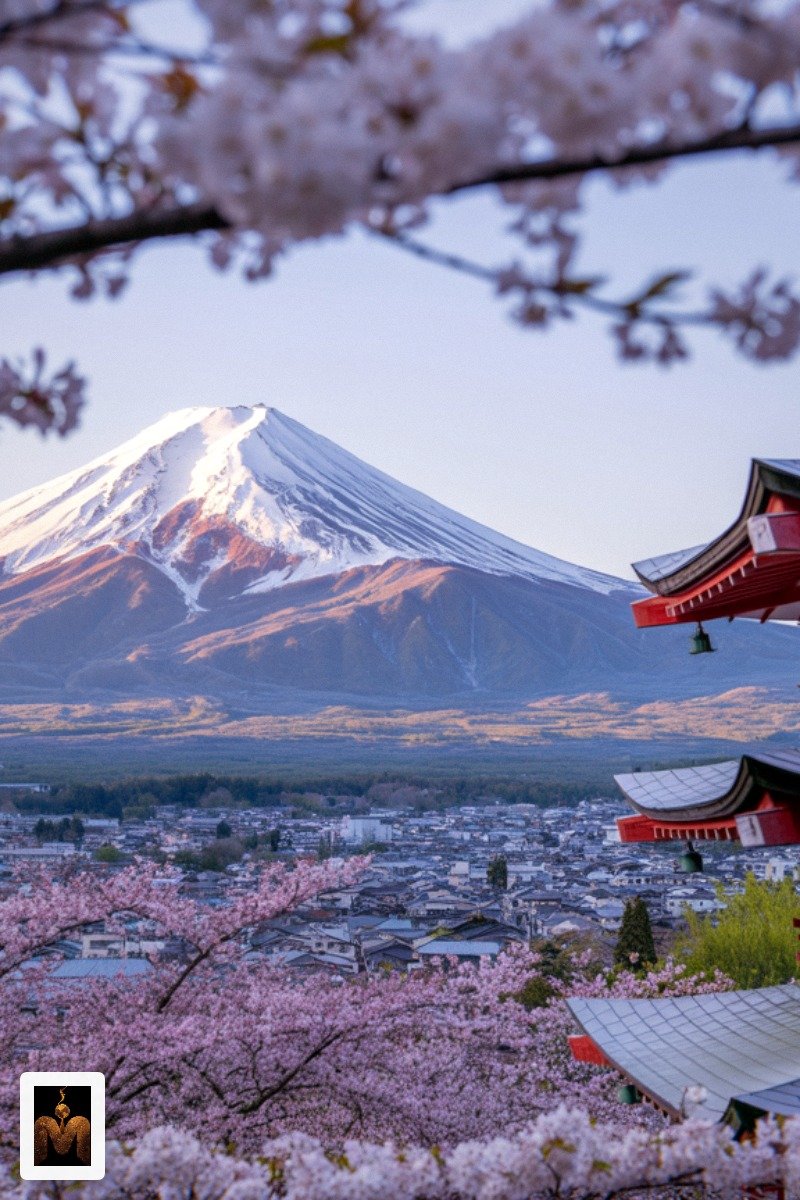
Kawaguchiko wins on everything else.
There are roughly three times as many accommodation options, you can get there on a direct highway bus from Shinjuku for ¥1,750, and it has better restaurants, convenience stores near the shore, and more foot traffic if you’re traveling solo and want that energy.
The view itself is inferior — more foreground clutter, slightly compressed angle — but the logistics are so much easier that most tourists will have a better overall trip there.
Plan the arrival with the free flight time calculator: it does the time zones and the date line for you.
Pick based on your priorities.
If you’re there primarily to photograph Fuji, Yamanakako’s north shore.
If you’re doing the whole tourist thing and the view is one part of the trip, Kawaguchiko.
Just don’t assume they’re the same.
🗼 I Wrote a Book About My Japan Travel Catastrophes!
Before I landed in Tokyo, I thought I was the “Final Boss” of international travel. Spoiler alert: I WASN’T. 😅
🚅 I boarded the wrong Shinkansen and ended up in THE WRONG CITY. I confused locals with my “expert” bowing that was more awkward than accurate. I accidentally stumbled into a high-stakes Kendo practice thinking it was a tourist show. Sound like something you’d do?
“Things I Wish I Knew Before Going to Japan” is your shortcut to avoiding ALL my cringe-worthy mistakes. ✨ Inside, you’ll find practical, LIFE-SAVING tips on etiquette, transport, money, and hidden gems that will save you time, money, and a whole lot of confusion.
Shinkansen Window Seat, Aisle 14D: Japan’s Most Underrated Free Fuji View
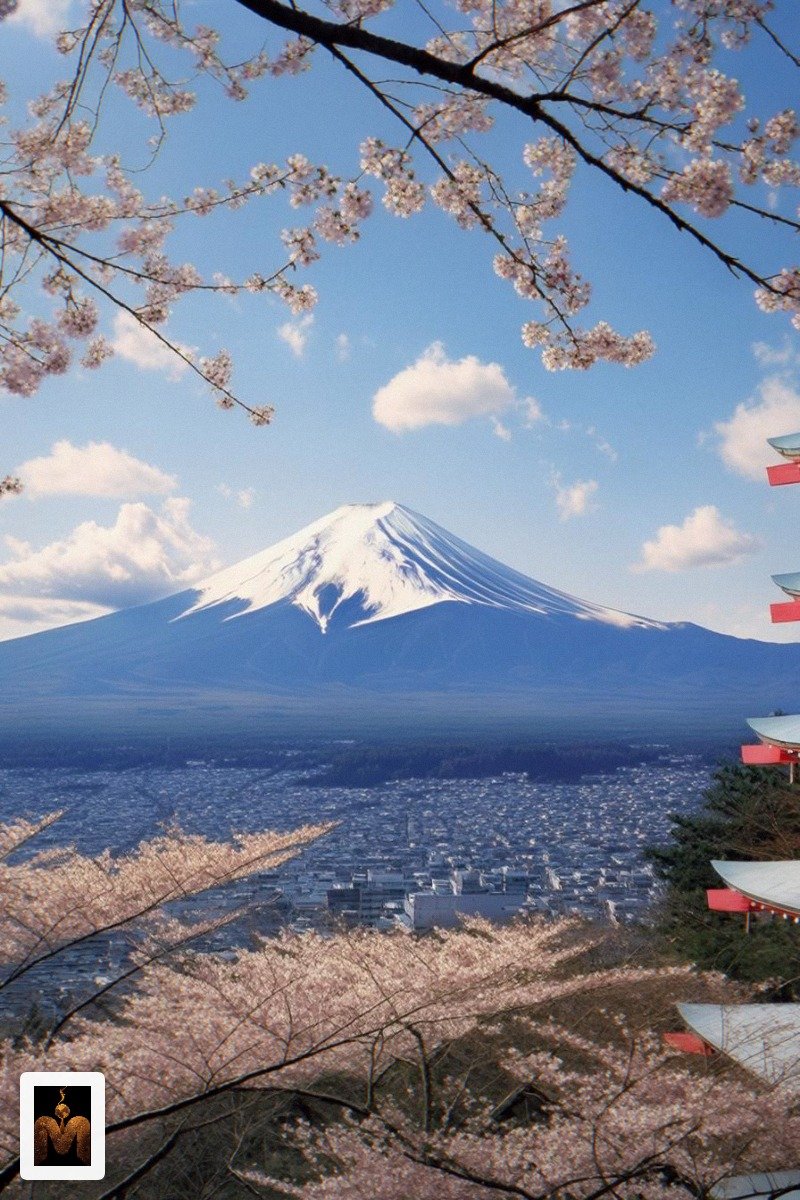
I’ll be honest: on a clear winter morning, the view of Fuji from the Tokaido Shinkansen beats Kawaguchiko.
Not in duration.
In sheer drama.
The mountain appears suddenly out of nowhere, enormous and white, and then it’s gone.
Approximately 30 to 45 seconds between Shin-Fuji and Mishima stations at 285 km/h. You will not get a clean photograph.
You will remember it for years.
The logistics are simple.
Traveling southbound toward Tokyo, you want seat D on the right side.
Northbound toward Osaka, seat E. The Kodama and Hikari run slightly slower than the Nozomi, which gives you marginally more time and slightly less blur if you’re shooting through the glass.
You’re already on the train.
It costs nothing extra.
There is genuinely no effort-to-reward ratio better than this in Japan.
The mistake I see constantly: people book the Nozomi for speed, end up in the wrong seat staring at their phone, and miss it entirely.
You miss it in a blink even when you’re ready.
Be in your seat, facing the window, about five minutes before Shin-Fuji station.
That’s it.
Hakone Ropeway Reality Check: What the Brochure Does Not Show You
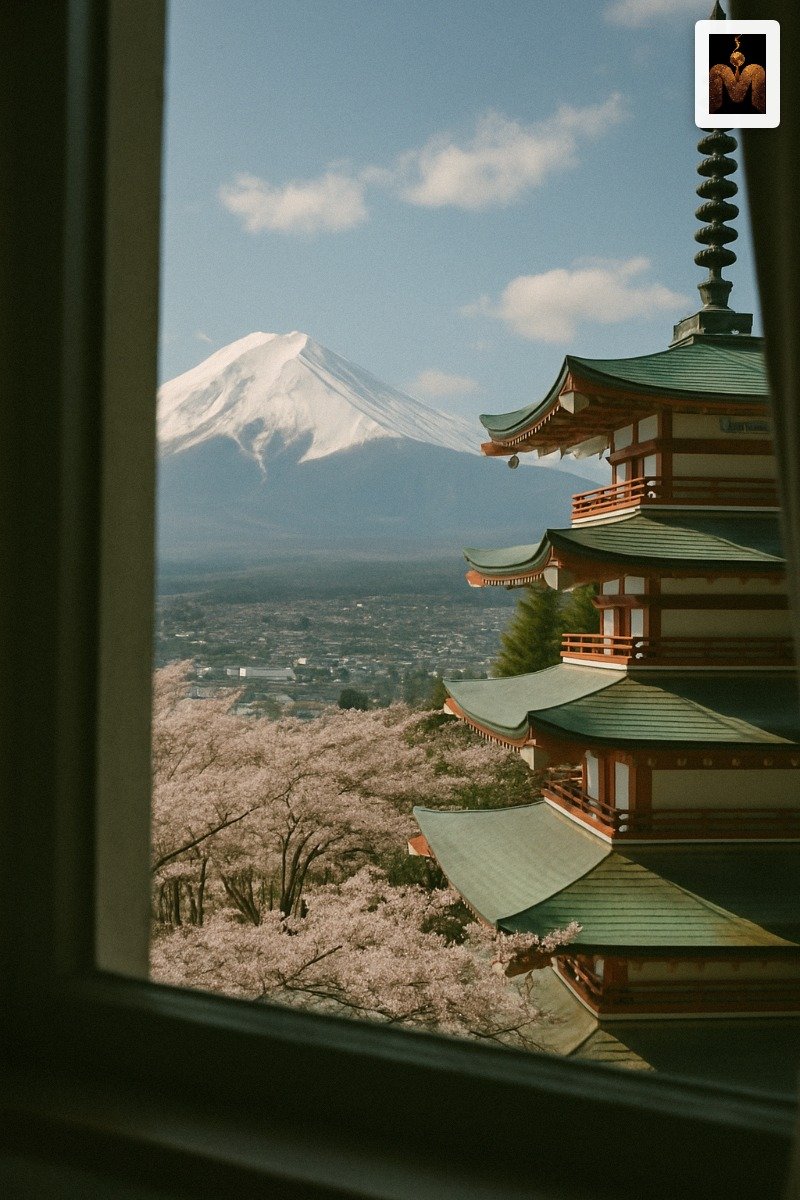
The Hakone Ropeway is a great experience.
The sulfur fields at Owakudani smell genuinely terrible in the best way, the gondola ride is scenic, the black eggs are a fun bit.
I don’t want to talk anyone out of doing it.
As a Fuji viewpoint, though, it’s a mediocre detour sold as a highlight.
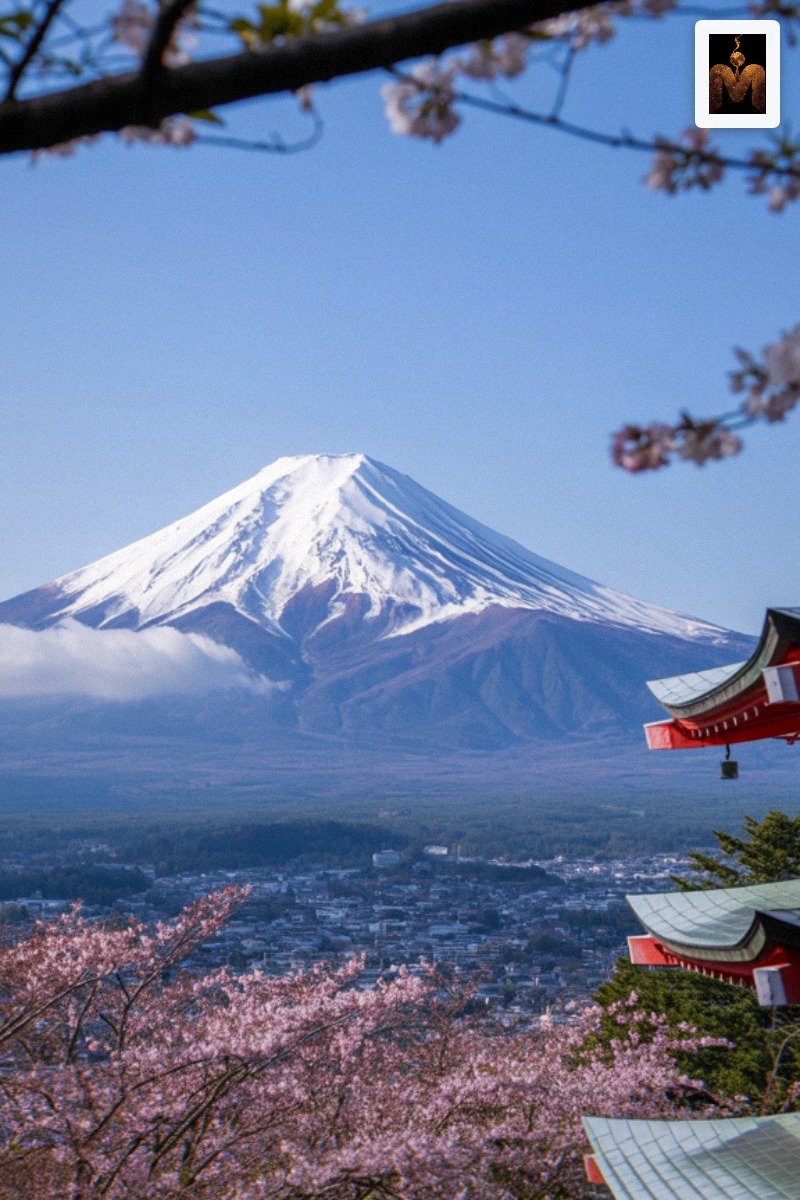
Owakudani station sits at 1,044 meters elevation, which sounds impressive until you realize it actually works against you photographically.
You’ve gone up, but your viewing angle has risen with you — the apparent height difference between your eye level and the summit shrinks, and the mountain looks less dramatic for it.
Lower lakeside shots, with water or treeline anchoring the foreground, produce more imposing compositions.
I changed my mind on this after visiting twice and comparing shots side by side back at my capsule hotel that night.
Higher is not better here.
Add to that: the ropeway closes when wind speeds exceed about 15 m/s, which happens frequently in winter (exactly when visibility is best), and the round-trip ticket runs ¥2,800 as of 2024.
It’s not cheap for a view that underperforms a free lakeside spot.
If you’re going to Hakone, go for Hakone.
Just don’t go primarily for a Fuji photograph.
Fujisan Hongu Sengen Taisha: A Ground-Level View Almost Nobody Plans For
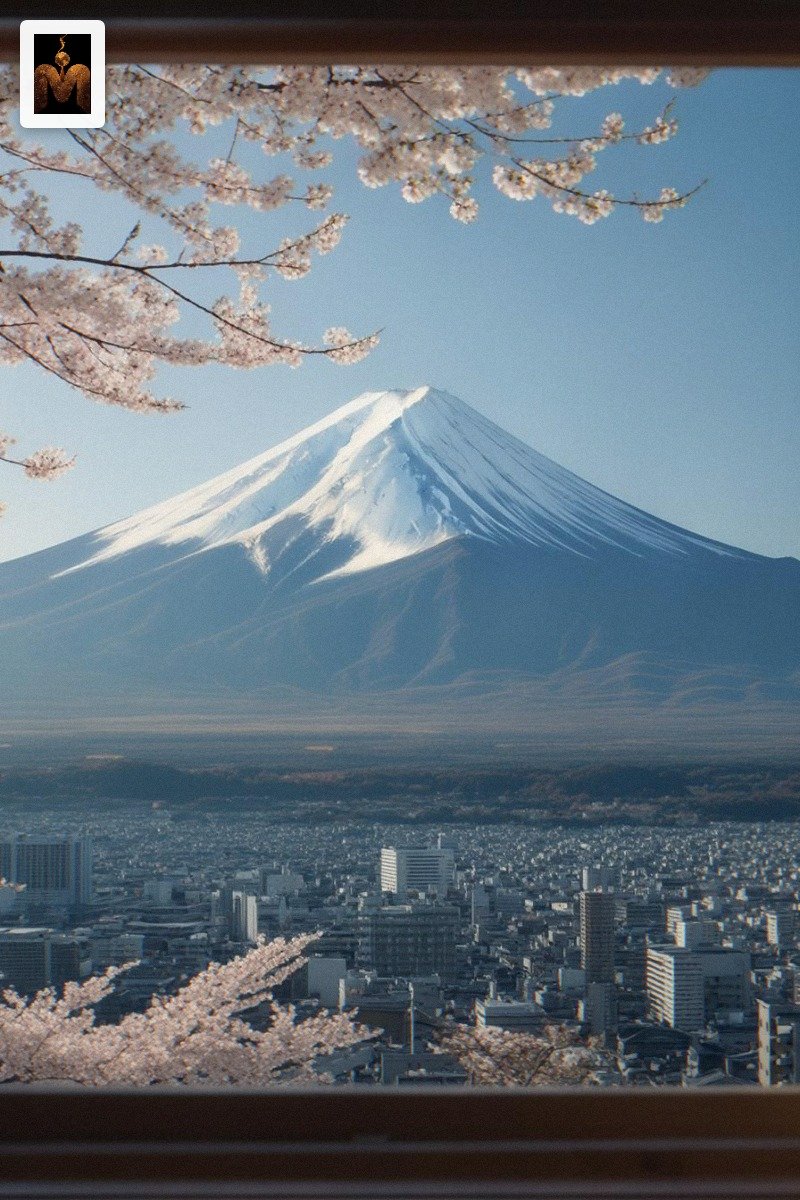
This shrine sits 3 km from Fujinomiya Station — the bus takes you most of the way, or it’s a 40-minute walk — and it’s the only viewpoint on this list where you feel the actual scale of the mountain.
You’re standing at the base of Fuji’s official climbing trail, in old-growth forest, looking up.
The mountain doesn’t look like a postcard here.
It looks enormous and slightly threatening in a way that’s hard to describe.
Entry to the shrine grounds is free.
The inner sanctum charges ¥500.
Autumn foliage peaks here in mid-to-late November, about two weeks after Tokyo hits peak, and the forested foreground in orange and red with snow beginning on the summit is one of the best compositions I’ve shot near Fuji.
Crowds are light compared to the Kawaguchiko circus.
Most itineraries skip this entirely because it doesn’t photograph the way the internet expects Fuji to look.
No reflection, no pagoda, no lake.
That’s exactly why it’s worth going.
Diamond Fuji: Two Weeks a Year When the Sunrise Sits on the Summit
Diamond Fuji gets roughly one-tenth the blog coverage of Chureito, which is absurd.
It’s the most spectacular Fuji phenomenon you can witness from ground level.
The sun rises and sits perfectly on the summit for two to three minutes, flaring out in both directions, and the mountain glows.
It’s not subtle.
This is not a lucky accident.
It’s a predictable astronomical event with published dates and dedicated crowds who know exactly when to show up.
At Lake Yamanaka, it occurs around October 20 and again around February 20.
At Tagonoura in Shizuoka, winter Diamond Fuji runs roughly December 26 through January 16.
There are Japanese photographers who plan their entire year around these windows and treat the viewing spots like reserved seating.
If your travel dates overlap with any of these windows, reorganize your trip around it.
Nothing else you’ll photograph near Fuji comes close.
Planning a 3-Day Fuji View Itinerary Ranked by Clear-Sky Probability
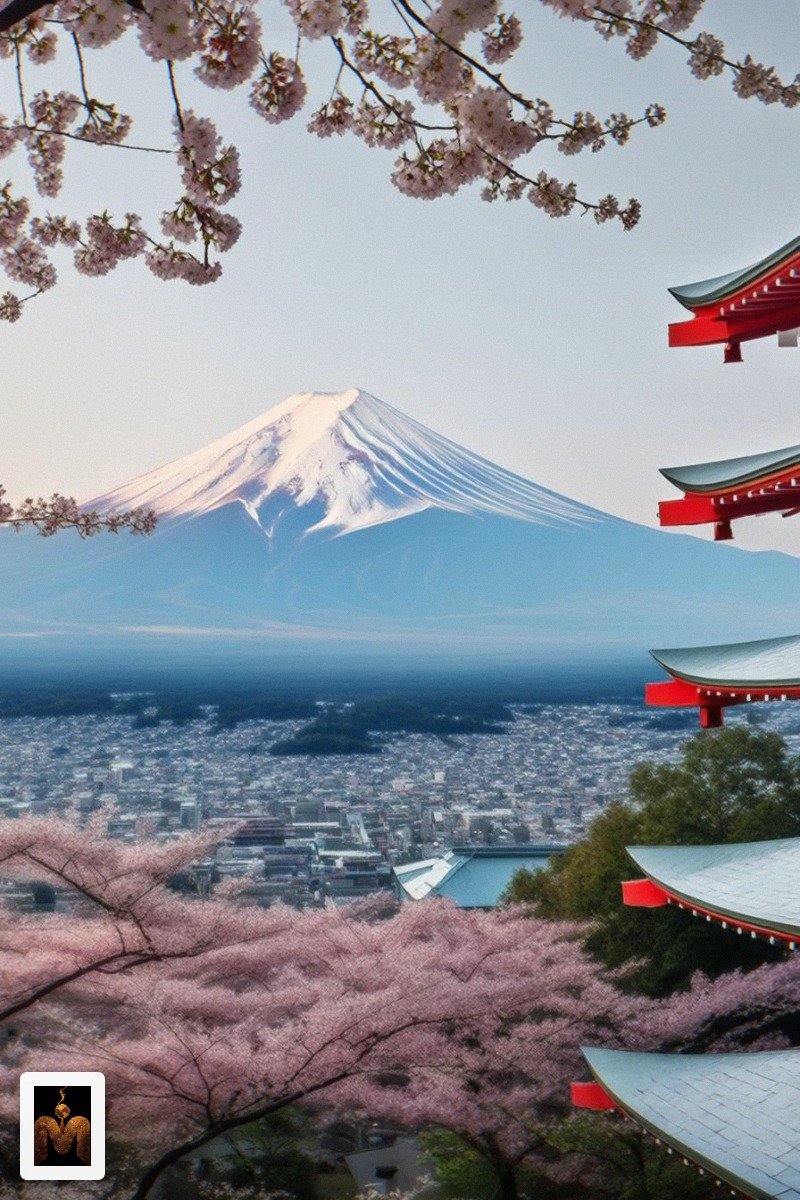
Any itinerary that doesn’t build in a weather-contingency day is designed around Instagram, not around actually seeing the mountain.
Here’s what actually works.
Day 1, start at Yamanakako north shore by 5:45 a.m. for sunrise.
This is your highest-probability composition and you front-load it because your first morning statistically has the freshest weather window.
Day 2 allocates Chureito for dawn if skies are clear — non-negotiable 6:00 a.m. arrival — and redirects to Fujisan Hongu Sengen Taisha if clouds are sitting low.
That’s a four-hour bus-and-train detour that’s worth it.
Day 3 is your flex day: chase whatever the forecast says.
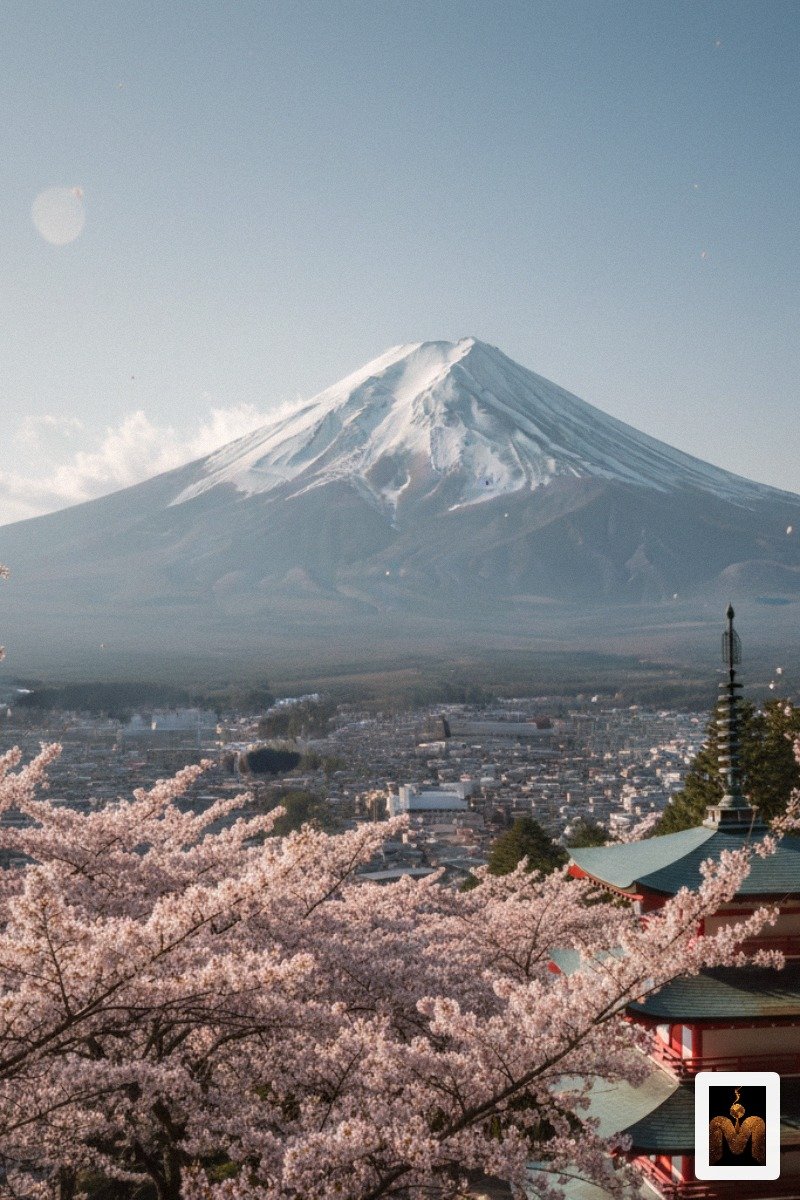
For the forecast itself, the Windy Fuji app is free, updates every three hours, and is used by climbing guides who need actual accuracy.
I’ve checked it obsessively from a Fujiyoshida capsule hotel at 4 a.m. more times than I want to admit.
Booking non-refundable accommodation for three fixed nights in one location is how you guarantee you can’t chase the clear window when it opens on the wrong side of the mountain.
Leave room to move.
Seasonal Breakdown: Which Month Wins on Visibility, Crowds, and Color
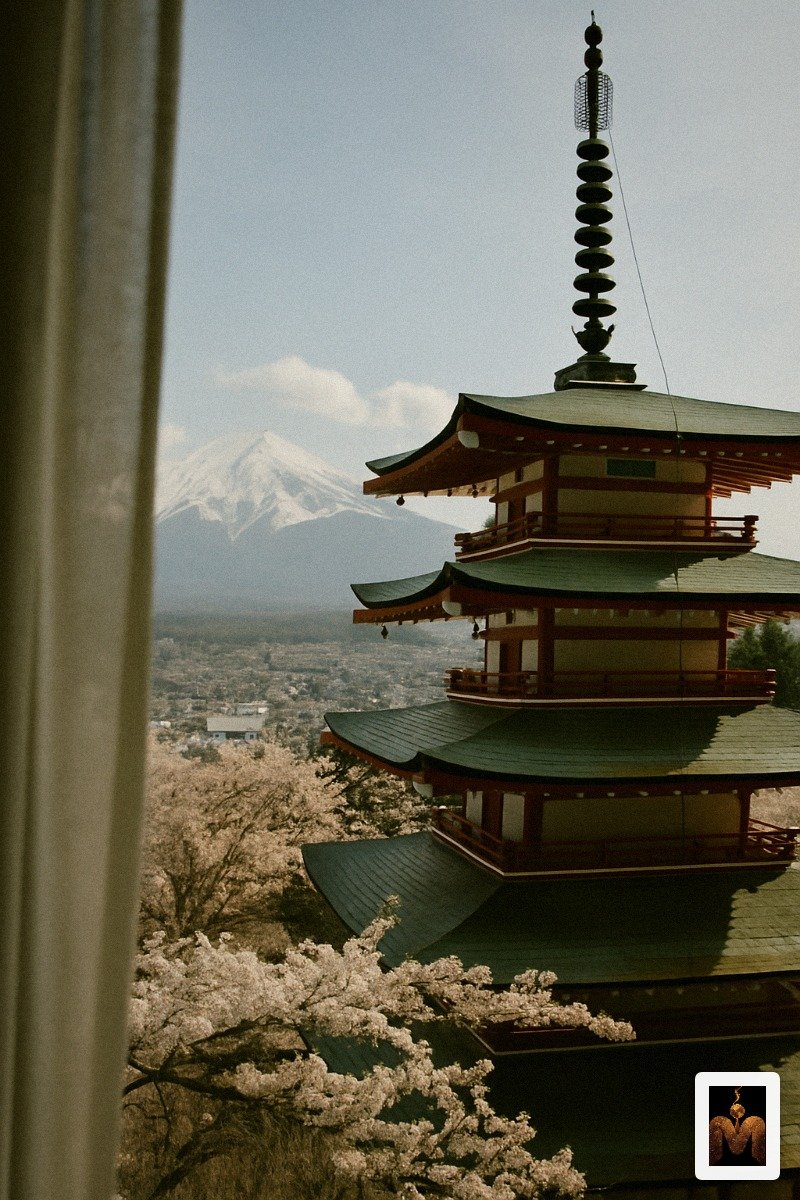
January.
That’s the answer.
January has the highest snow cap definition and averages 18 clear days in the month.
Cold-weather tourism stigma is genuinely costing photographers the best shots.
Everyone avoids it and the crowds thin out dramatically.
Off-season here means you’re not shuffling along a lake path behind a thousand other people — you’re basically alone at 6 a.m. with a mountain that’s actually visible.
Compare that to August, when Kawaguchiko sees roughly one million visitors in a single month.
A million.
The lake path is a slow shuffle, accommodation is triple the price, and Fuji’s snow cap has fully melted sometime between late July and mid-October, so the mountain looks completely different from the postcard image.
This surprises a lot of first-time visitors who book August and show up expecting the iconic white-capped silhouette.
It won’t be there.
November is the underrated shoulder pick: autumn foliage, some early snow returning to the summit, smaller crowds than spring, and visibility odds climbing back up toward winter levels.
If you can’t do January, November is second.
🗼 I Wrote a Book About My Japan Travel Catastrophes!
Before I landed in Tokyo, I thought I was the “Final Boss” of international travel. Spoiler alert: I WASN’T. 😅
🚅 I boarded the wrong Shinkansen and ended up in THE WRONG CITY. I confused locals with my “expert” bowing that was more awkward than accurate. I accidentally stumbled into a high-stakes Kendo practice thinking it was a tourist show. Sound like something you’d do?
“Things I Wish I Knew Before Going to Japan” is your shortcut to avoiding ALL my cringe-worthy mistakes. ✨ Inside, you’ll find practical, LIFE-SAVING tips on etiquette, transport, money, and hidden gems that will save you time, money, and a whole lot of confusion.
Capsule Hotel at Fuji Yoshida vs. Ryokan at Kawaguchiko: Where to Actually Sleep
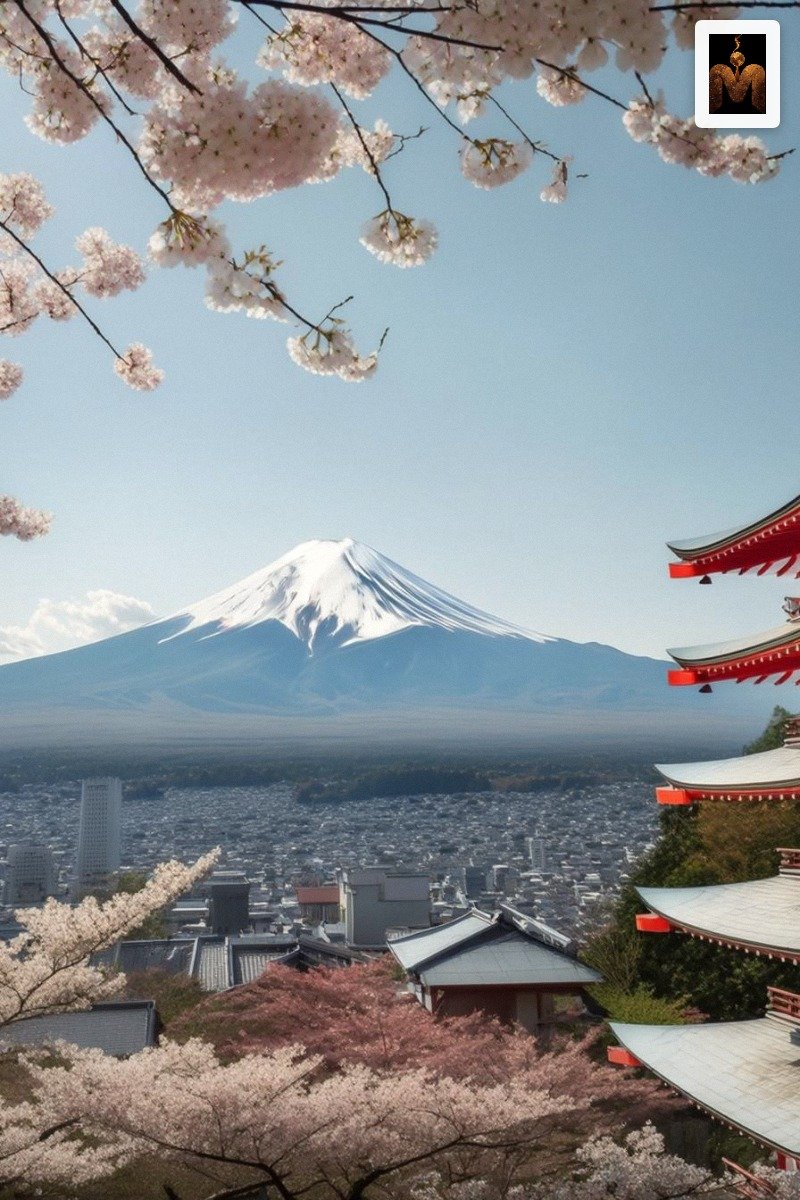
Budget capsule options in Fujiyoshida start at ¥3,500 a night and put you within walking distance of the Chureito trailhead.
Lakefront ryokan at Kawaguchiko average ¥18,000 to ¥35,000 per person per night including dinner and breakfast.
That’s a real number.
A nice dinner and breakfast, sure.
But you’re paying 5x to 10x more and sleeping further from the best dawn viewpoints.
Fuji Yoshida to Yamanakako north shore is a 20-minute drive.
From Kawaguchiko it’s 45 minutes.
When you’re leaving at 5:15 a.m. to beat other photographers to a north shore spot, that 25-minute difference matters more than you’d think.
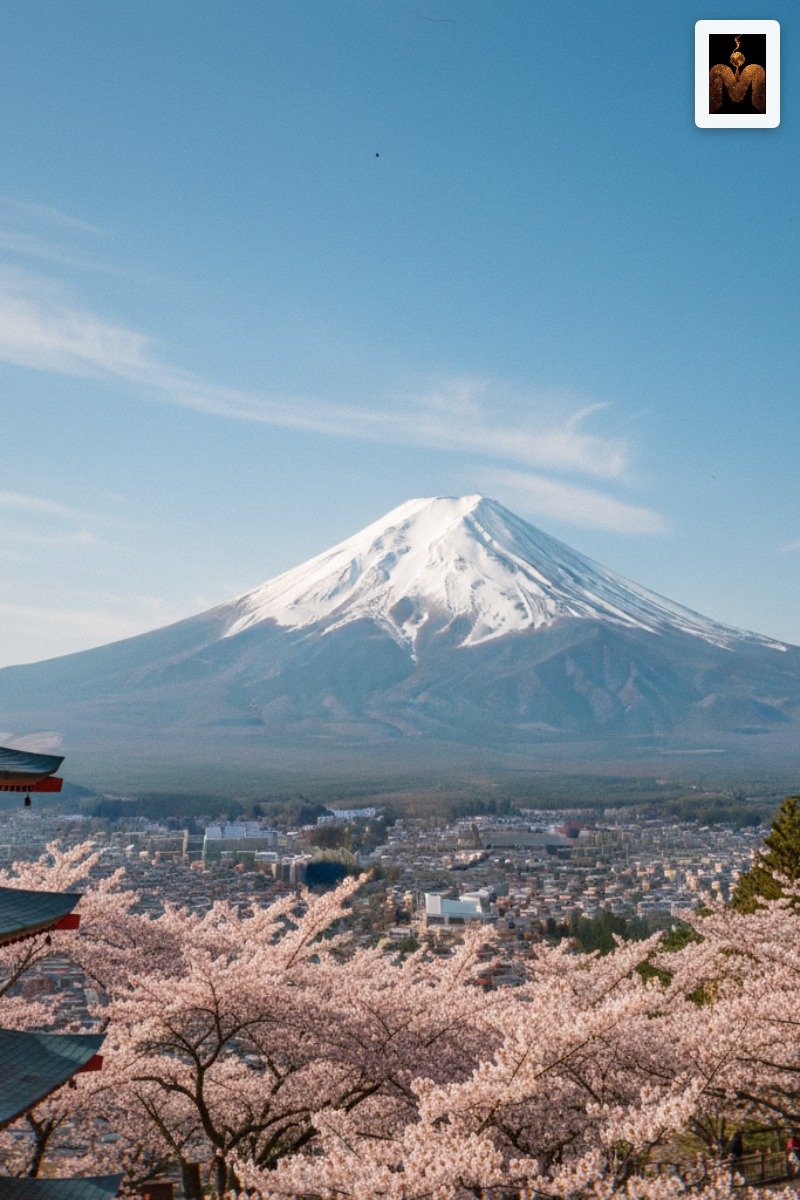
The ryokan premium is buying comfort, a hot bath, and a beautiful dinner.
None of that improves your photographs.
Stay in Fujiyoshida, spend the savings on an extra night for weather flexibility, and eat convenience store onigiri at 5 a.m. like the rest of us.
Photographing Fuji Without a Drone: The Gear Decisions That Actually Matter
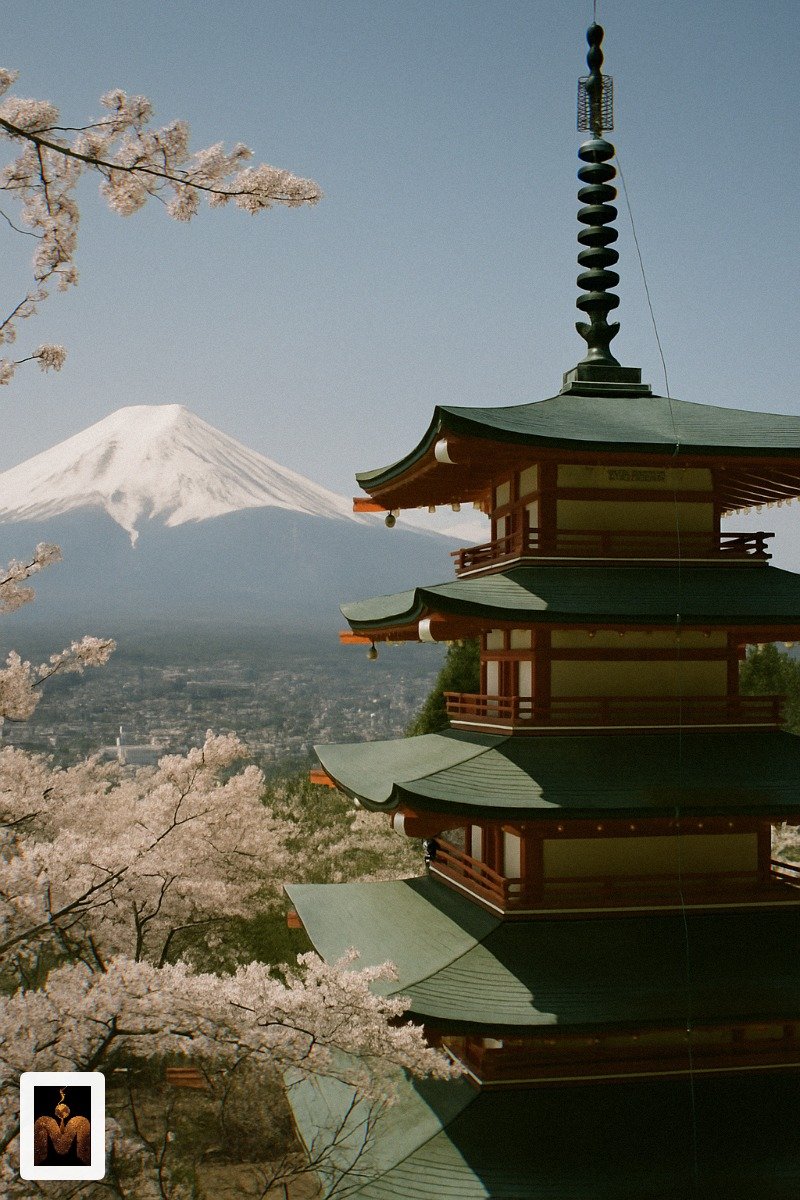
The single biggest photographic mistake at Fuji is shooting too wide.
At 24mm, Fuji looks small and the parking lot looks large.
That is the opposite of what you want.
A 70–200mm lens compresses atmosphere and makes the mountain appear enormous relative to whatever’s in the foreground — trees, a pagoda, the lake surface.
This is not advanced technique.
It’s just focal length choice and most beginners don’t make it.
For lake reflections in dawn light, a 6-stop ND filter lets you run a 30-second exposure that smooths the water into a mirror.
Without it you’re fighting ripples and wind texture.
Worth the ¥4,000 or so it costs.
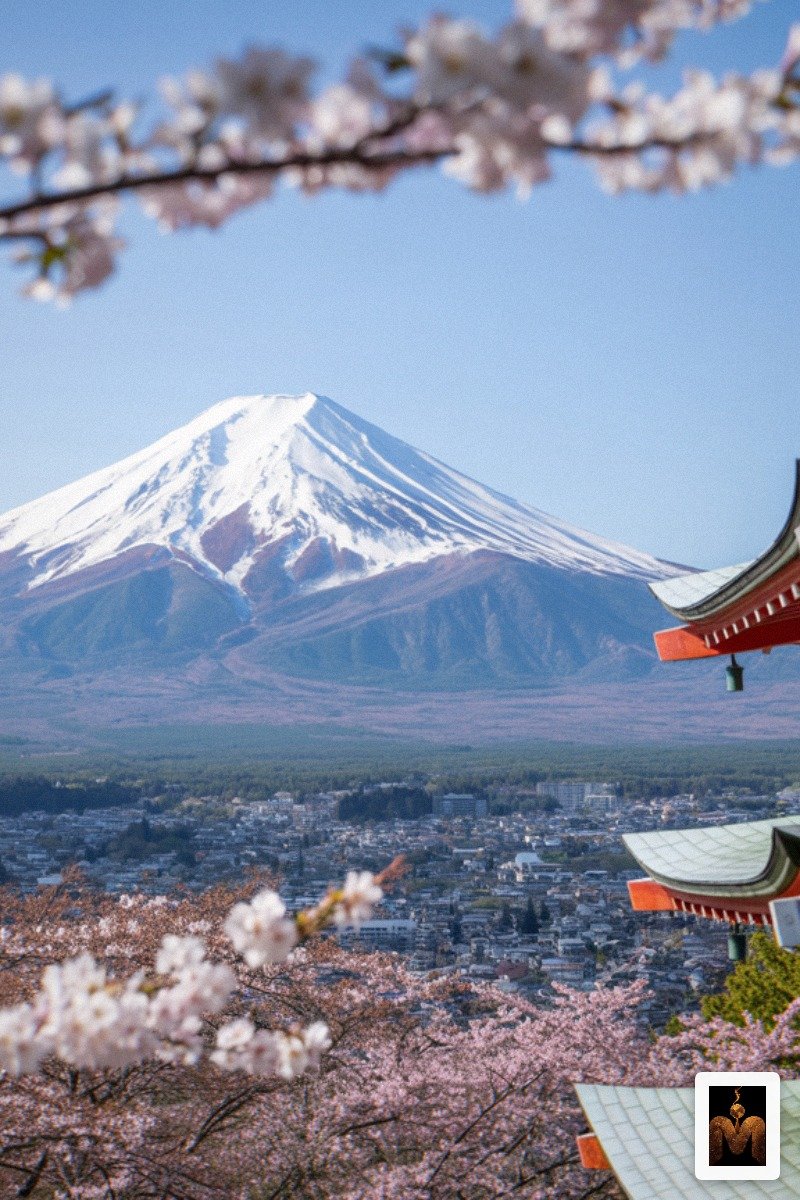
One practical note: Kawaguchiko in January drops to around -8°C. Battery life falls roughly 40% in that cold.
Carry two batteries minimum, keep a spare in an inside jacket pocket, and don’t find this out the hard way at 6 a.m. like I did (twice, somehow).
I had my whole kit in my carry-on coming over and still forgot a second battery the first morning.
Cost me the best light of the trip.
And check drone regulations before you even pack one.
The Fuji Five Lakes area has designated no-fly zones around the shorelines and they’re actively enforced.
Showing up with a DJI and a plan will get you stopped.
Red Flags That Tell You a Fuji View Blog Is Recycled
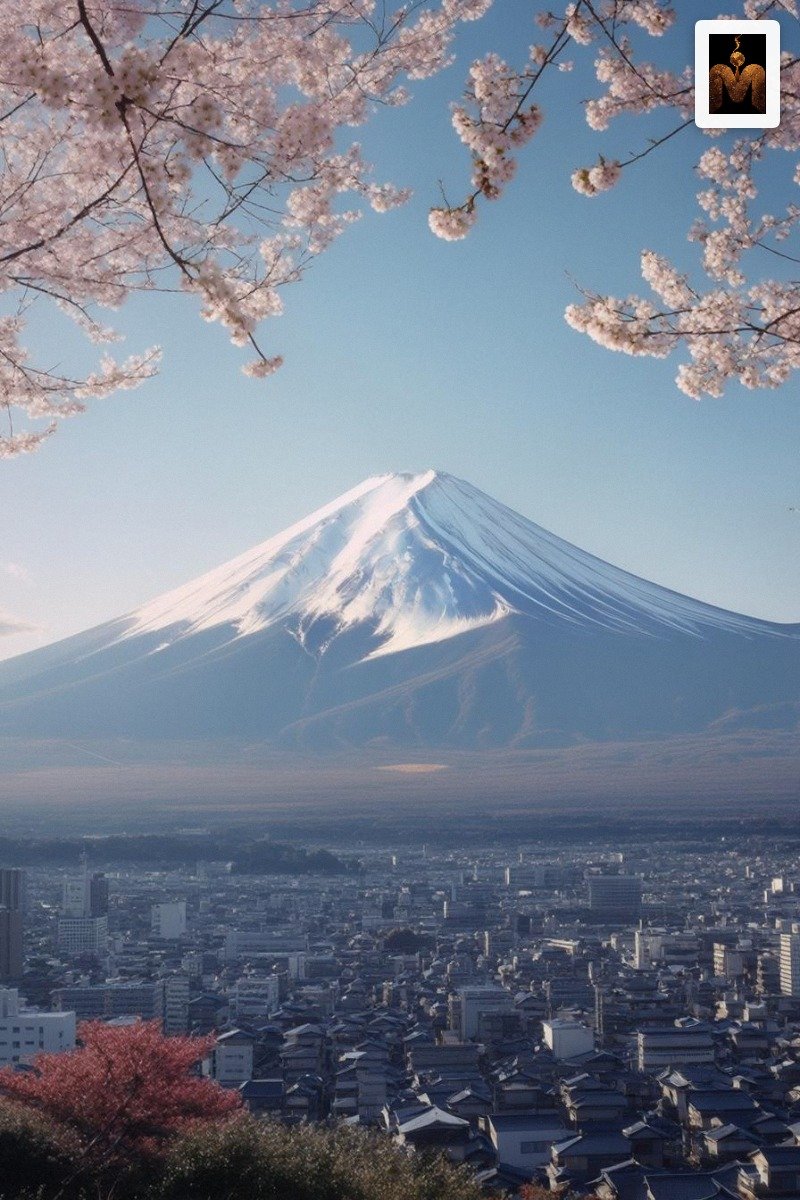
The Fuji view content ecosystem is almost entirely circular.
Most posts cite each other.
None of them cite weather data, which is the only data that actually matters for planning a trip around a mountain that’s invisible 285 days a year.
Specific tells: any blog listing ropeway ticket prices below ¥2,500 is citing pre-2023 numbers and hasn’t been updated.
Any post recommending “sunrise at Kawaguchiko” without specifying which shore is useless — it’s a 20 km lake with meaningfully different compositions on different sides.
Any list that doesn’t mention seasonal snow cap loss is at least three years out of date on its core advice.
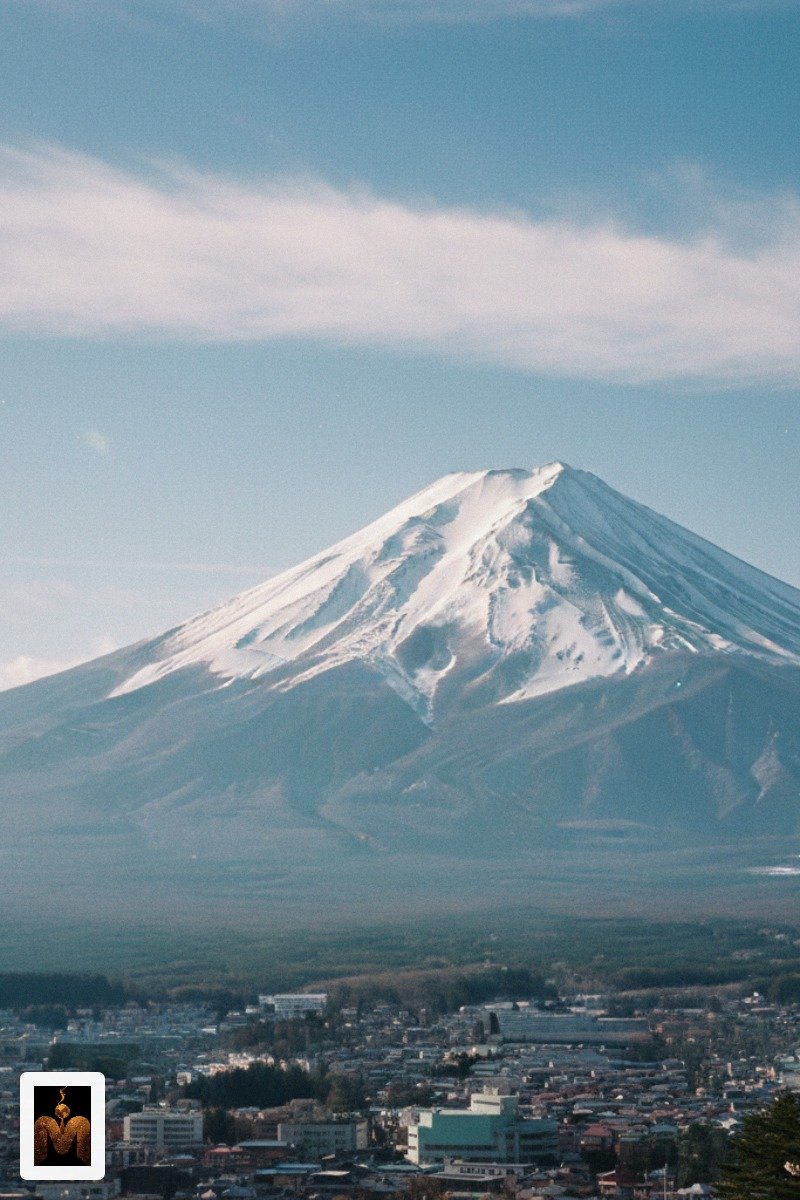
The deeper problem is the “best time to visit” question, which has three completely separate answers depending on whether you want crowds, cherry blossoms, or actual Fuji visibility.
Most blogs give one answer that conflates all three.
When you see that, close the tab.
Before You Book: Three Questions That Will Save You a Wasted Trip
A two-night Fuji trip is a coin flip disguised as a vacation.
Four nights is the minimum stay that gives weather odds in your favor.
Statistically, you’ll get one to two clear mornings in winter with that buffer.
Most people book a fixed weekend, see clouds both days, blame luck.
It wasn’t luck.
Before you finalize anything: pull the Japan Meteorological Agency’s 10-day Fujisan forecast and actually look at it.
Check Fujiyoshida City’s live summit webcam — it updates every 10 minutes — to confirm the snow cap is present if that’s part of the shot you’re after.
And make sure at least one accommodation booking is cancellable so you can shift your base if the clear window opens from the Shizuoka side instead of the Yamanashi side.
None of this is complicated.
It’s just the planning most people skip because the blogs they read made it sound like you show up and the mountain is there waiting for you.
Sometimes it is.
More often it isn’t.
Related read: Things I Wish I Knew Before Going to Japan — Instant PDF + Kindle download. Secure checkout by Stripe