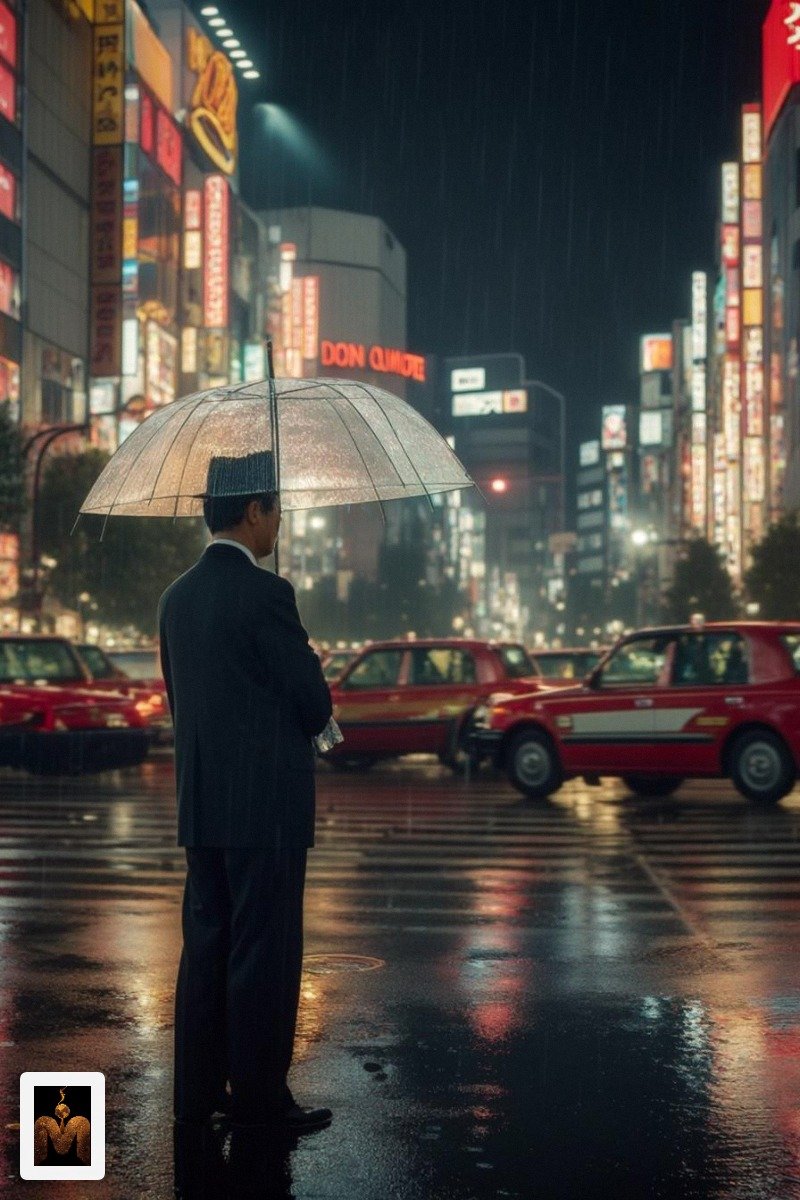

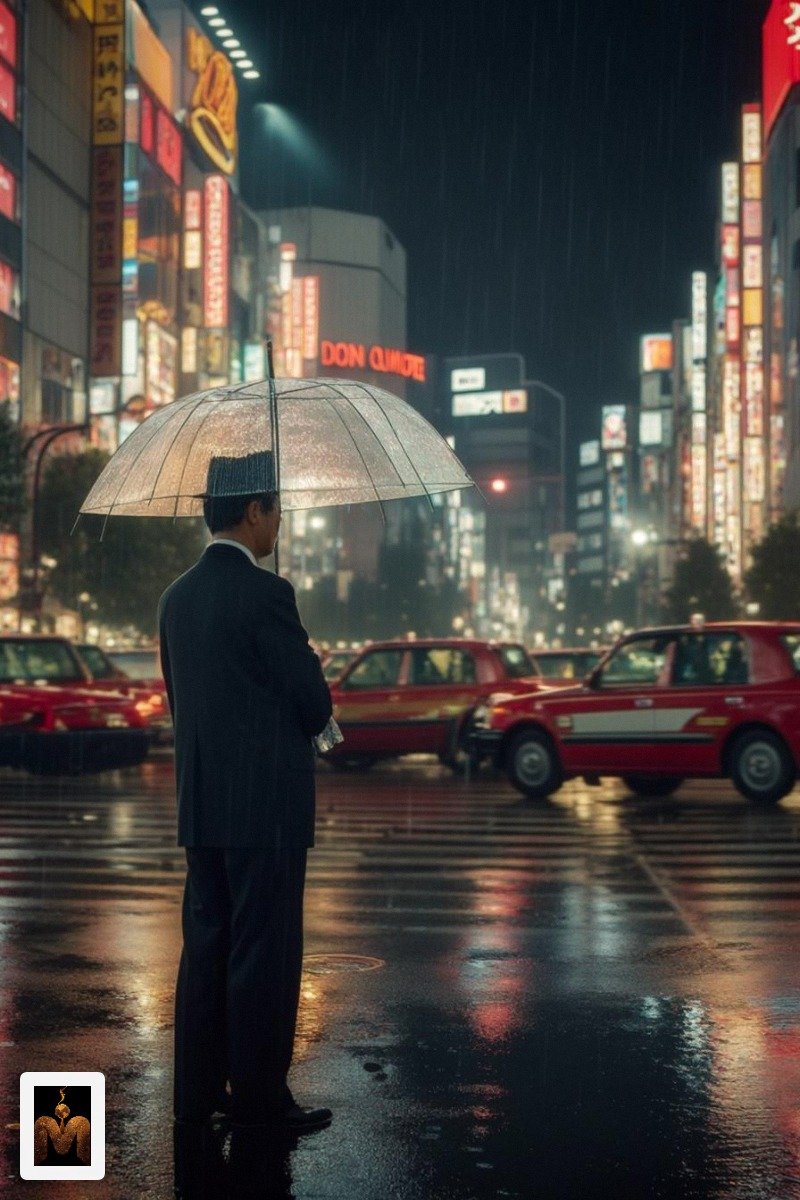
A salaryman handed me an unlabeled cup of something warm on a dead-end alley off Yurakucho at 1 a.m. and I have never felt more like I understood a city.
No words exchanged.
He just held it out, I took it, and we both stood there watching cigarette smoke drift up toward the train tracks overhead.
That’s the whole argument, right there.
Yurakucho’s Underpass Alley Is the Most Underrated Drinking Street in Asia
Every guide files Yurakucho under “business district” and moves on.
That’s wrong, and it costs you.
Running roughly 400 meters beneath the Yamanote Line tracks is a yakitori alley that’s been operating since the 1950s. Low ceiling clearance, maybe 2.1 meters, smoke everywhere, salarymen shoulder to shoulder at 6 p.m. sharp.
Skewers start at ¥120.
Most stalls are open 5 p.m. to midnight.
The alley connects Hibiya to Ginza and everyone who uses it is going somewhere after work, not posing for anything.
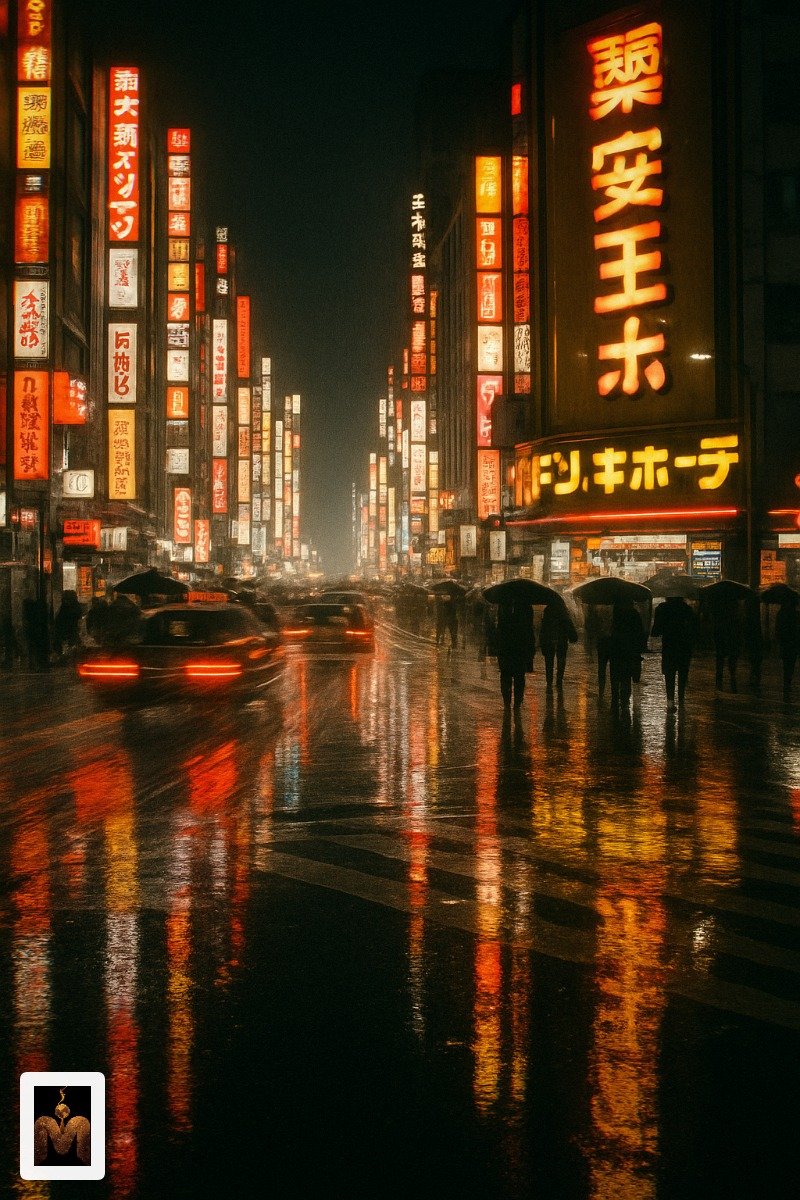
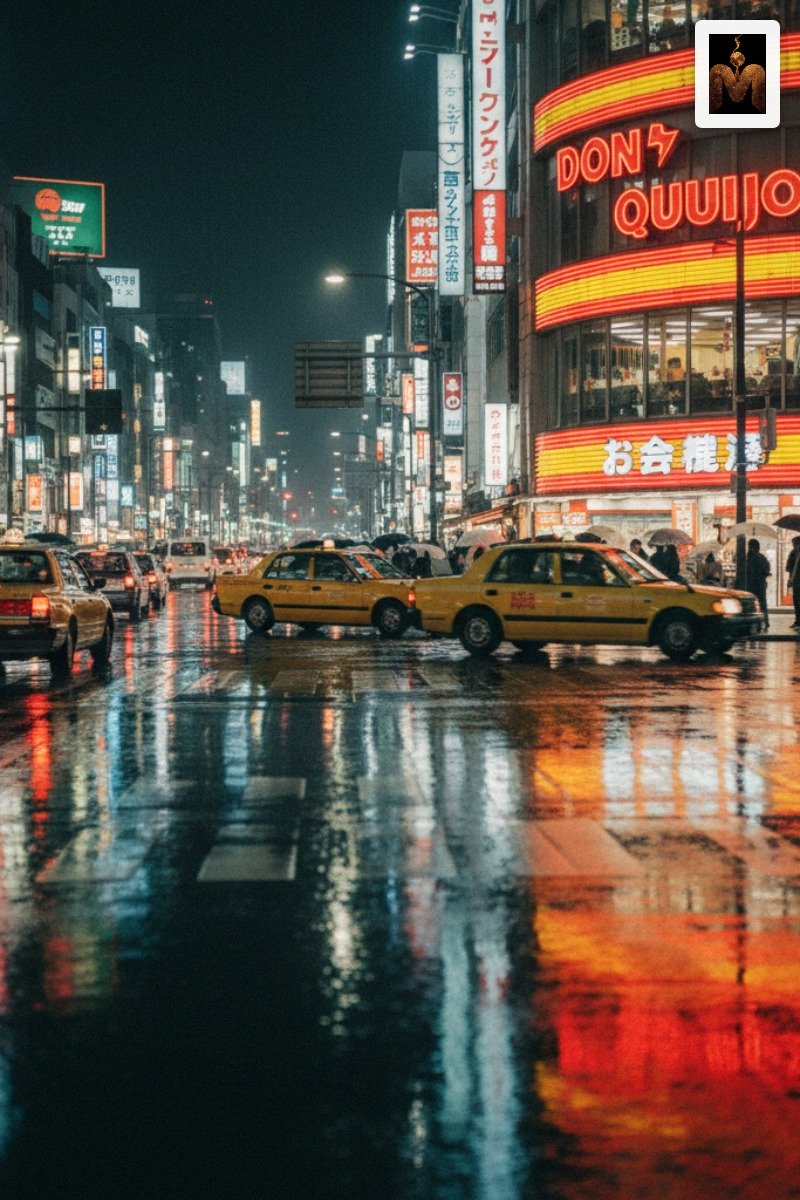
Honestly, this stretch delivers more actual late-night Tokyo atmosphere than all of Golden Gai combined, at roughly half the cost.
Nobody writes about it because it photographs badly and doesn’t have a good origin story.
Which is exactly why you should go.
Golden Gai Is Overpriced and Worth It Anyway — But Not for the Reason You Think
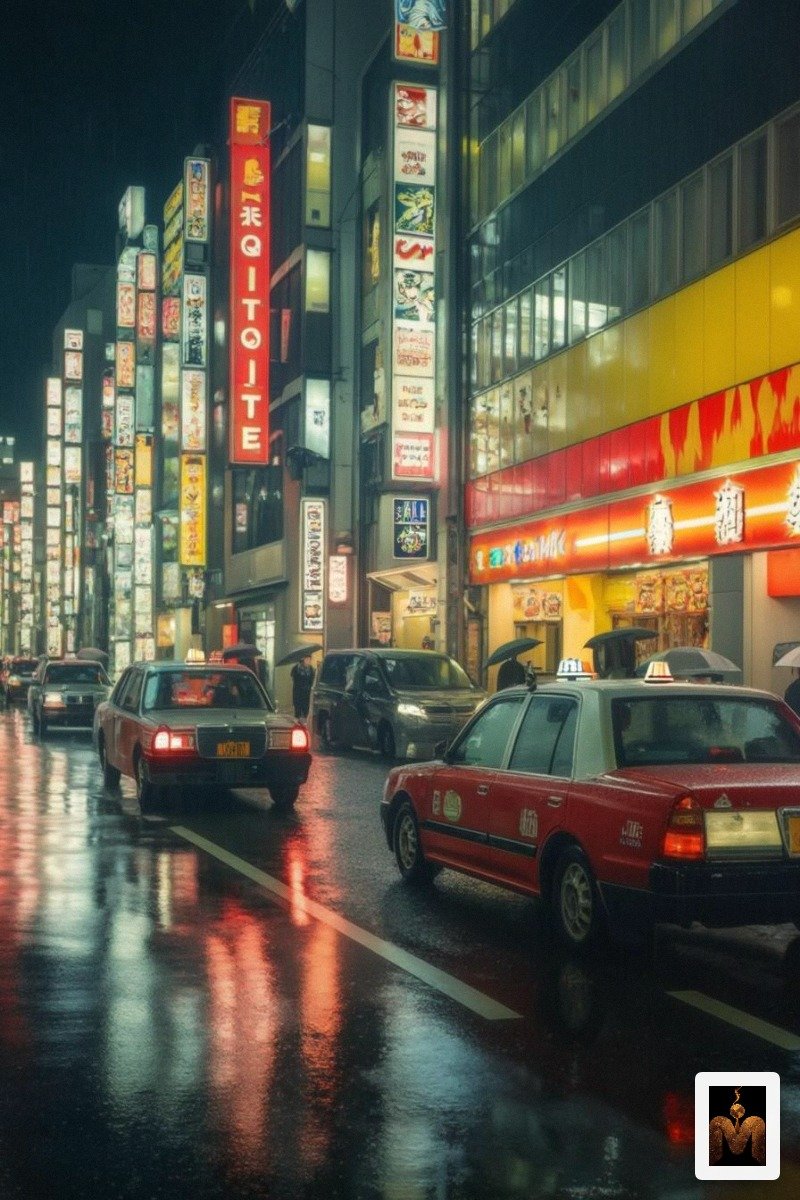
Golden Gai looks divey.
It is not cheap.
That’s the single most important thing to know before you walk in.
About 200 bars packed into roughly 0.02 square kilometers, six narrow alleys, 8 to 12 seats per bar, and a table charge at most places between ¥500 and ¥1500 per person before you’ve ordered anything.
First drink plus cover and you’re at ¥2000 before you’ve sat down.
So why go?
Because it’s a genuinely strange sociological artifact.
Six bars stacked in one building, each with its own owner, its own playlist, its own regulars.
You’re not drinking, you’re observing something.
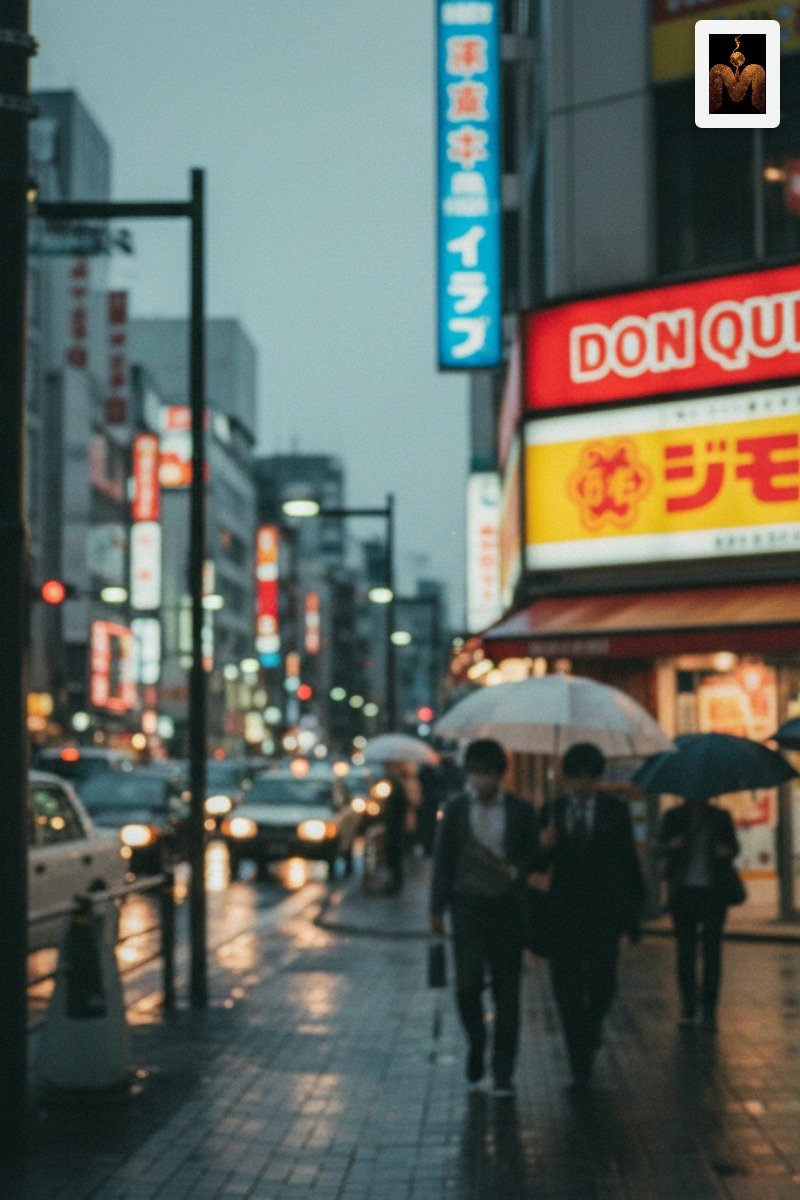
Visit once.
Sit in the smallest bar you can find.
Talk to whoever’s behind the counter.
Then leave and don’t go back a second night chasing whatever feeling you had.
It won’t be there.
The first night is the experience.
The second night is tourism.
Kabukicho’s Real Nightlife Happens One Block East of Where Every Map Points
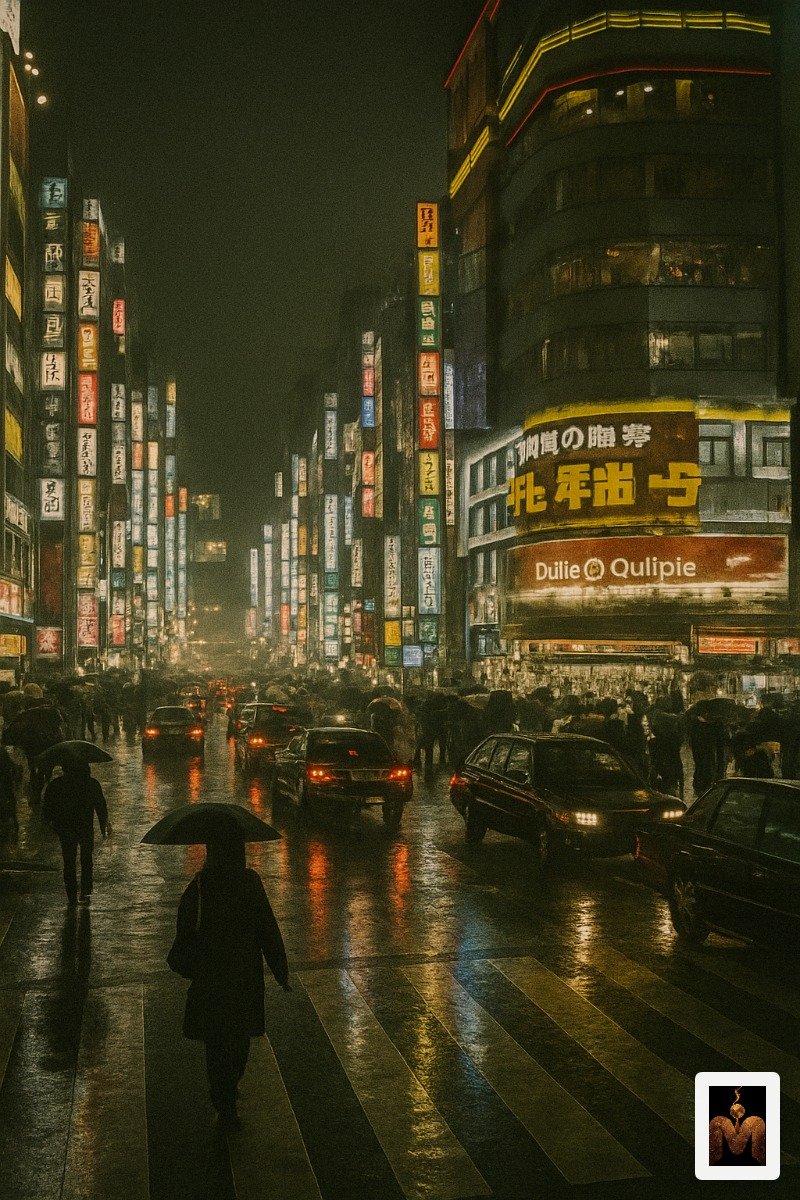
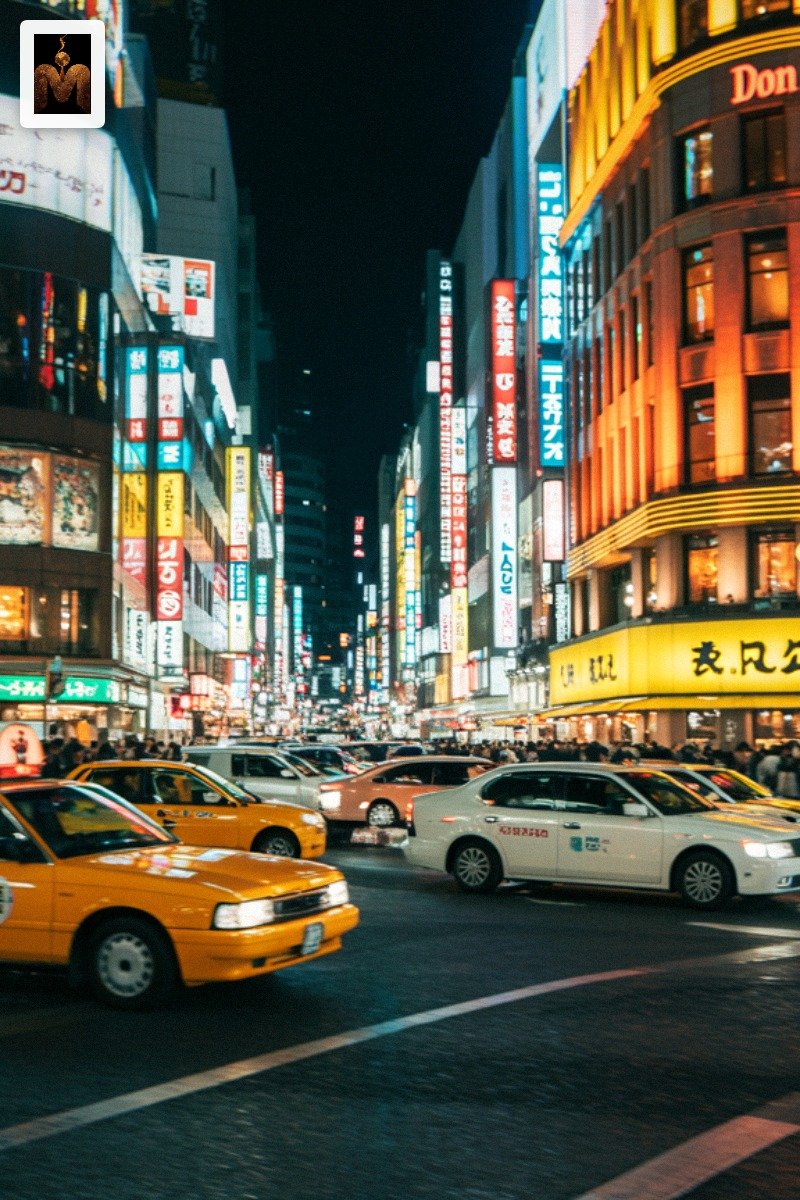
Main Kabukicho boulevard is loud, aggressive, and expensive.
Drinks on the main drag run ¥1500 and up.
Touts are working you from both sides.
Not dangerous, exactly, but exhausting in a way that has nothing to do with having fun.
Take Higashi-Shinjuku Station exit 2 instead.
Walk roughly 200 meters east.
The area between Okubo-dori and Hanazono Shrine is a different register entirely: smaller bars, fewer touts, actual conversations possible if you sit at the counter.
Drinks average ¥700 to ¥900.
Kabukicho isn’t one thing.
It has distinct micro-zones with radically different price points and social temperatures, and tourist maps show you only the most exhausting version.
Value is always one block away from wherever the crowd is thickest.
That’s true everywhere in Tokyo, but it’s most true here.
🗼 I Wrote a Book About My Japan Travel Catastrophes!
Before I landed in Tokyo, I thought I was the “Final Boss” of international travel. Spoiler alert: I WASN’T. 😅
🚅 I boarded the wrong Shinkansen and ended up in THE WRONG CITY. I confused locals with my “expert” bowing that was more awkward than accurate. I accidentally stumbled into a high-stakes Kendo practice thinking it was a tourist show. Sound like something you’d do?
“Things I Wish I Knew Before Going to Japan” is your shortcut to avoiding ALL my cringe-worthy mistakes. ✨ Inside, you’ll find practical, LIFE-SAVING tips on etiquette, transport, money, and hidden gems that will save you time, money, and a whole lot of confusion.
Nakameguro After 11 p.m. Is a Different City Than the One on Instagram
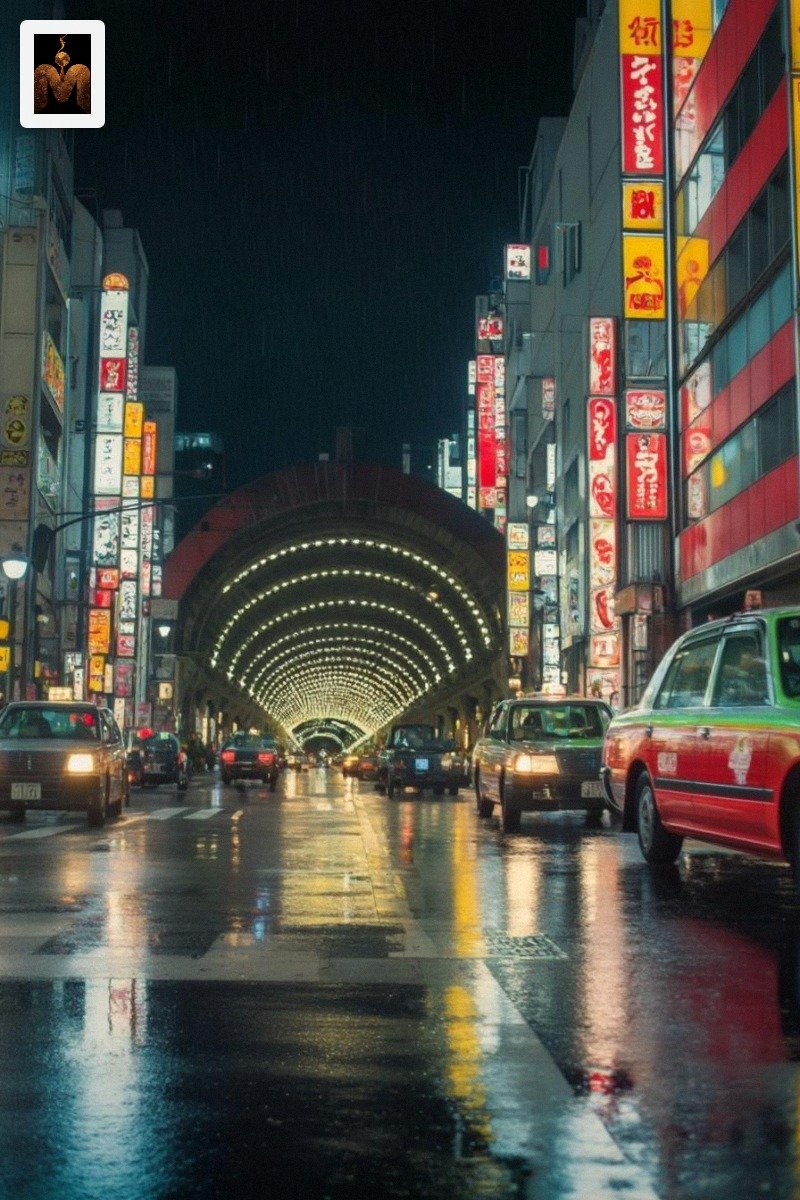
Instagram crowd clears by around 9:30 p.m. That’s not an exaggeration.
The canal-side path, 3.8 kilometers of it, empties out fast once the light goes flat and the photo opportunities dry up.
What’s left is quieter and considerably more interesting.
Bars worth finding are one block back from the canal, on the Komazawa-dori side streets, and most of them run until 2 or 3 a.m. Craft beer around ¥900 to ¥1100.
Small spaces, usually.
Not much English spoken, but nobody’s unfriendly.
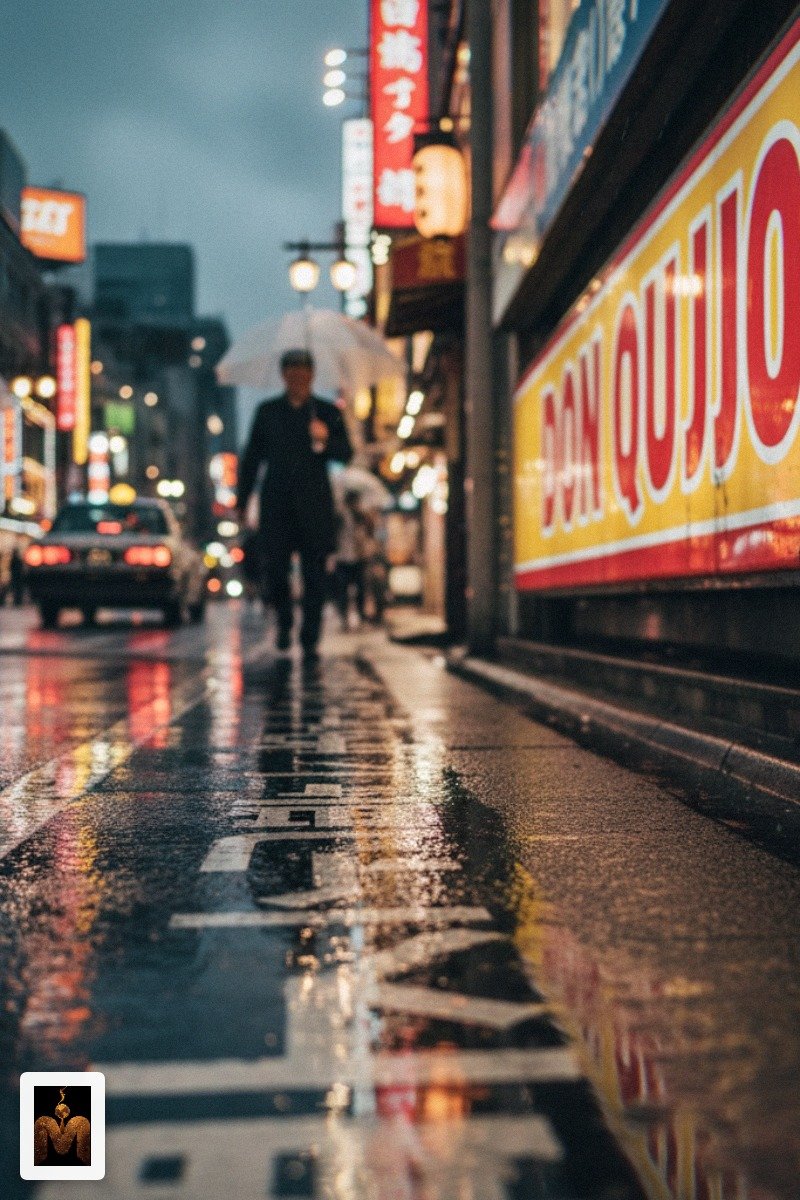
Nakameguro after 11 p.m. is one of the only places in Tokyo where you can have a slow, outdoor drink without feeling like you’re at a festival.
That matters more than it sounds after three days of crowd management.
Shimokitazawa’s Live Music Streets Operate on a Schedule Nobody Publishes
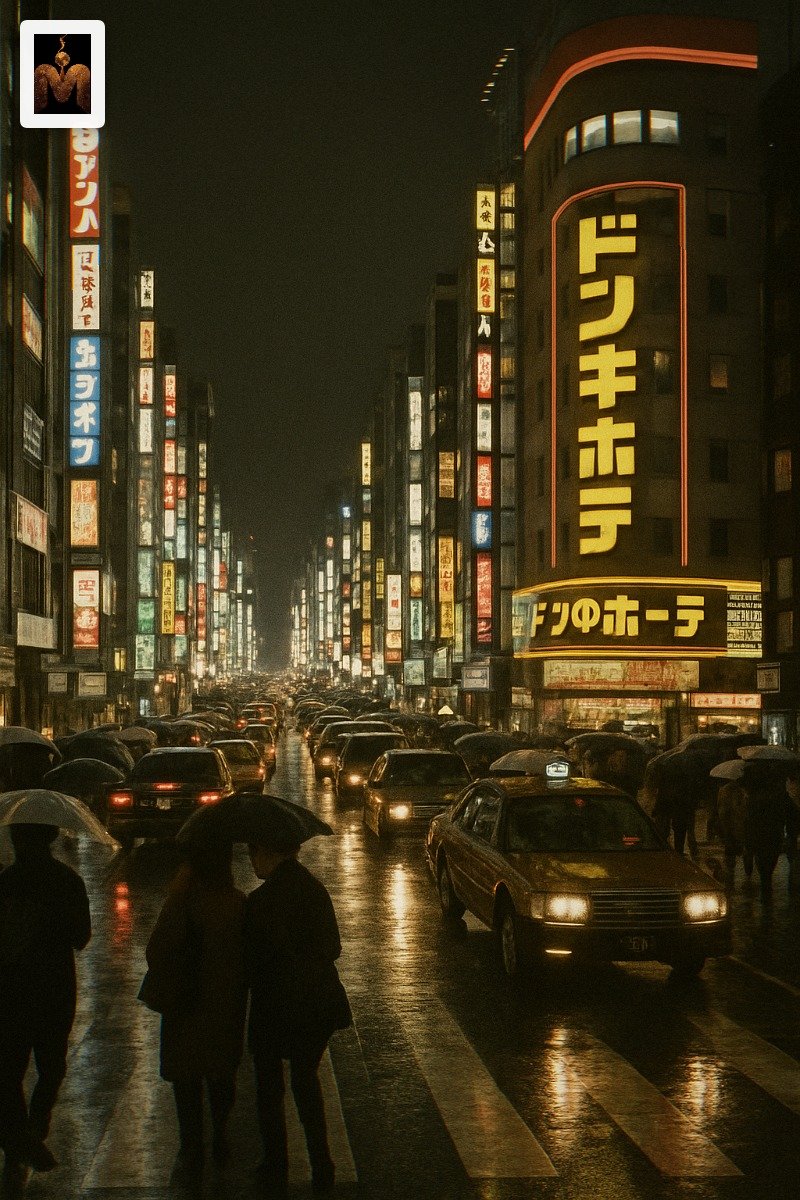
Guides describe Shimokitazawa as a vintage shopping destination with “some” nightlife.
That inverts what actually makes it worth visiting after dark.
Shopping is fine.
Music is the point.
Use the north exit, not the south.
South exit drops you in the wrong cluster entirely — I learned this the hard way, killing 20 minutes on a night I’d planned carefully around the last train.
North exit puts you within a 10-minute walk of over 20 live music venues.
Cover charges run ¥1500 to ¥2500 and usually include one drink.
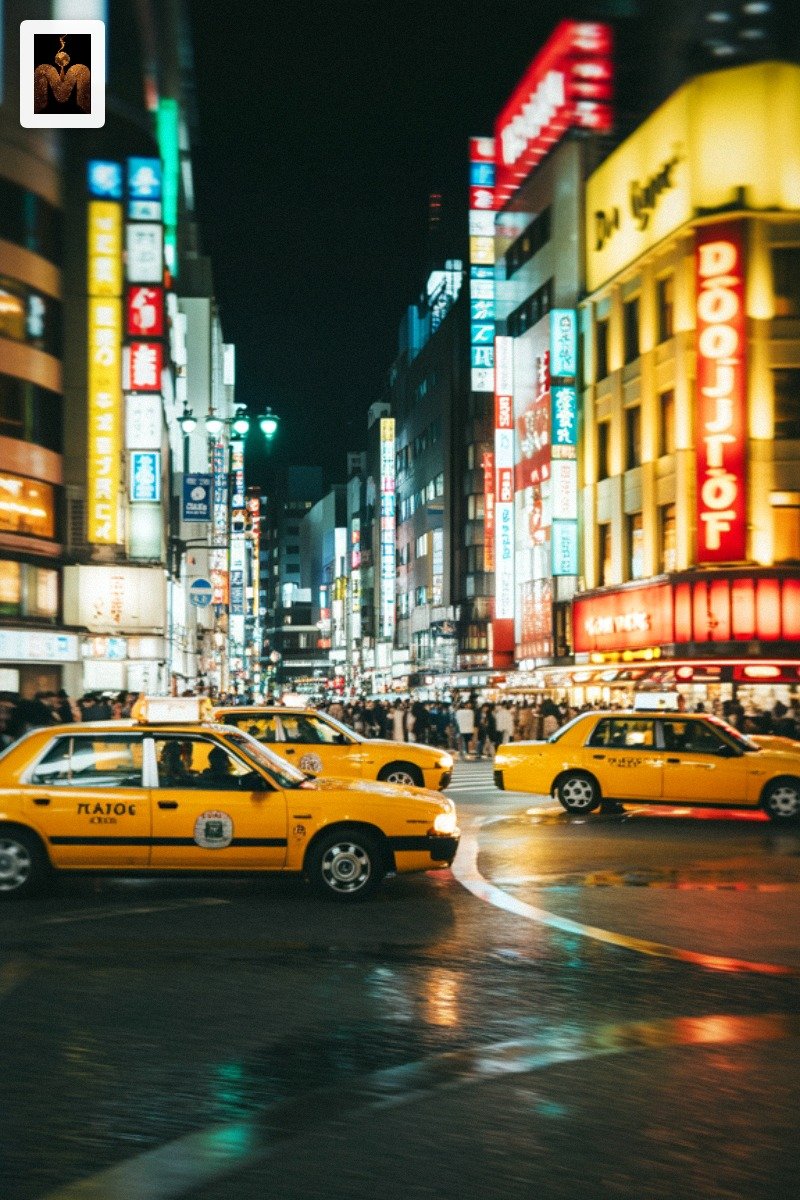
Nobody writes this down: the real crowd comes for the second set, which starts between 10 and 10:30 p.m. Show up at 8 and you’re watching a half-empty room.
Show up at 10 and you’re in it.
Shimokitazawa is the only Tokyo nightlife district where the music actually matters to the people in the room.
That makes it, weirdly, the most comfortable place in the city to sit alone at a bar without feeling like you owe anyone a conversation.
Koenji Punks the Tourist Hierarchy Every Single Night
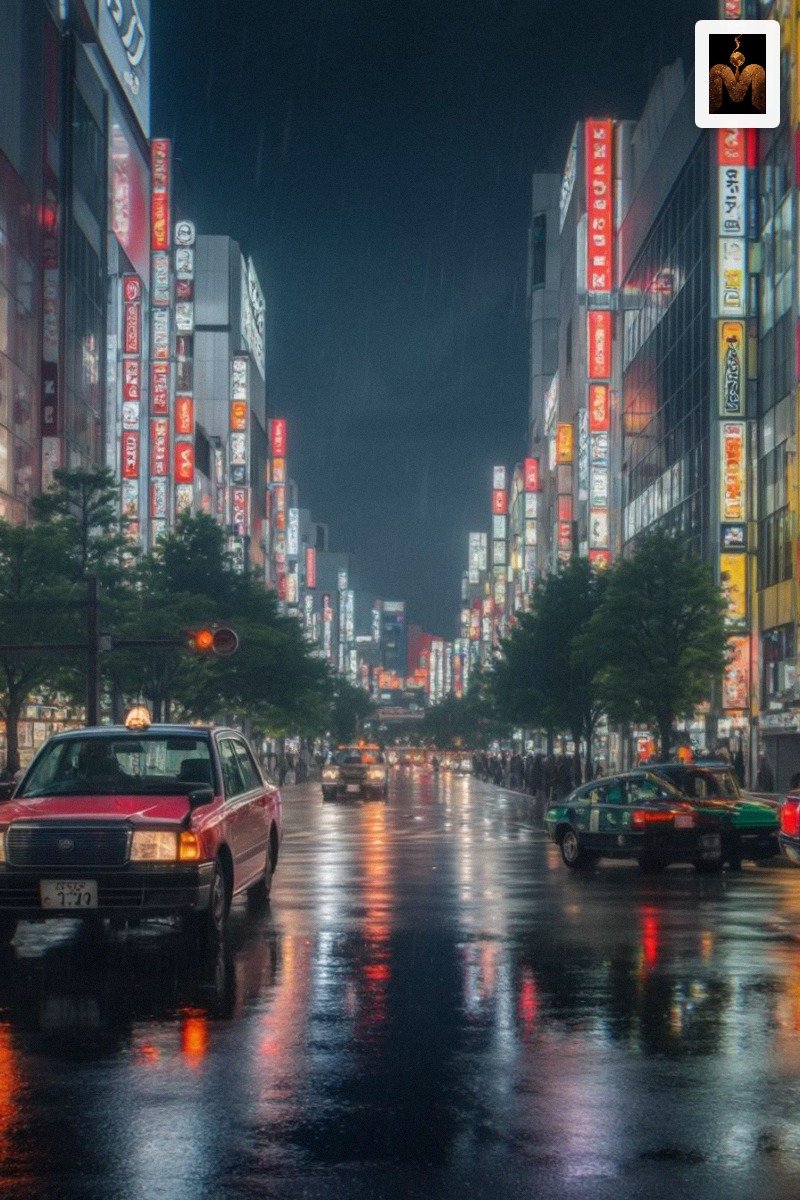
Eight minutes on the Chuo Line from Shinjuku.
Drinks ¥500 to ¥700.
Bars that have been running continuously since the 1970s.
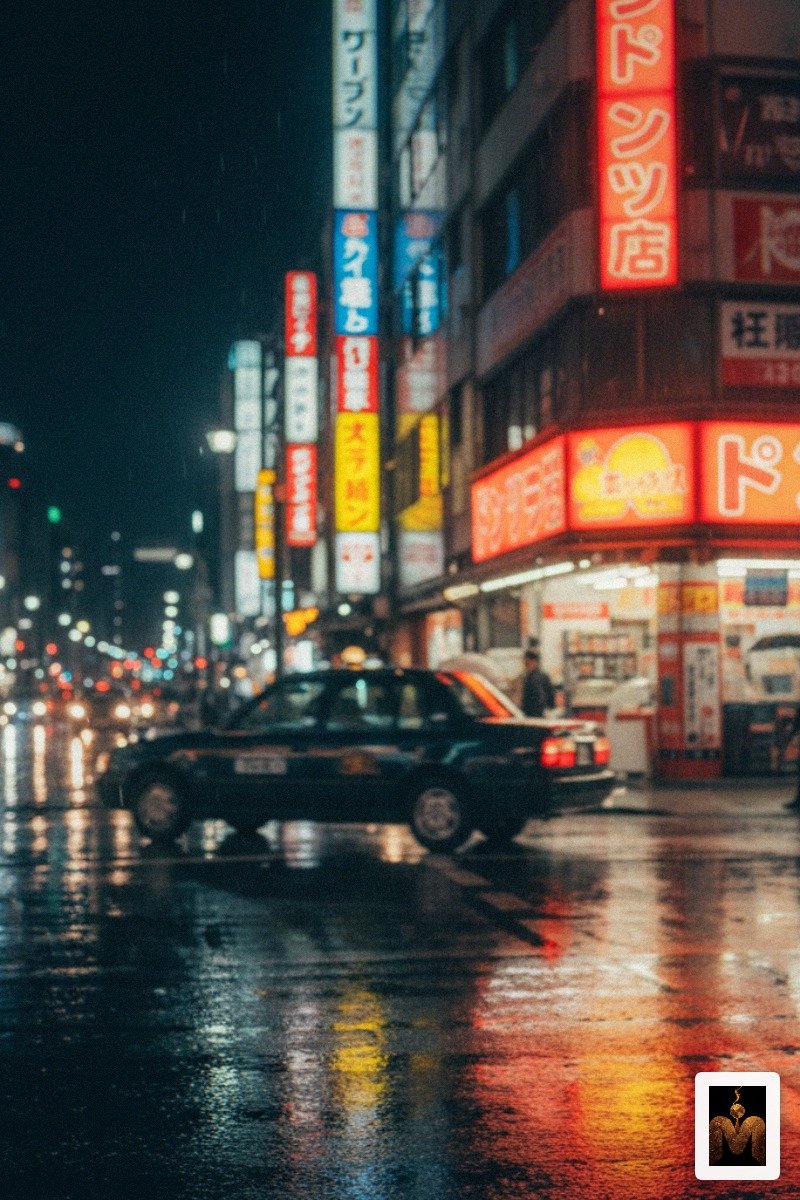
On weekends, Look Records and the surrounding streets host impromptu outdoor gatherings that go until 1 or 2 a.m. Not organized, just people standing around with cans, which is somehow exactly right.
Koenji is what every “hidden gem” neighborhood in every other city only pretends to be — turns out the ones with two-hour queues got there first.
It hasn’t been aestheticized for outside consumption and shows no signs of changing.
Travelers who avoid it because it looks too local are making the same mistake as skipping a restaurant because the menu has no photos.
Absence of curation is the point.
Roppongi Without the Club: What the Street Actually Looks Like at 3 a.m.
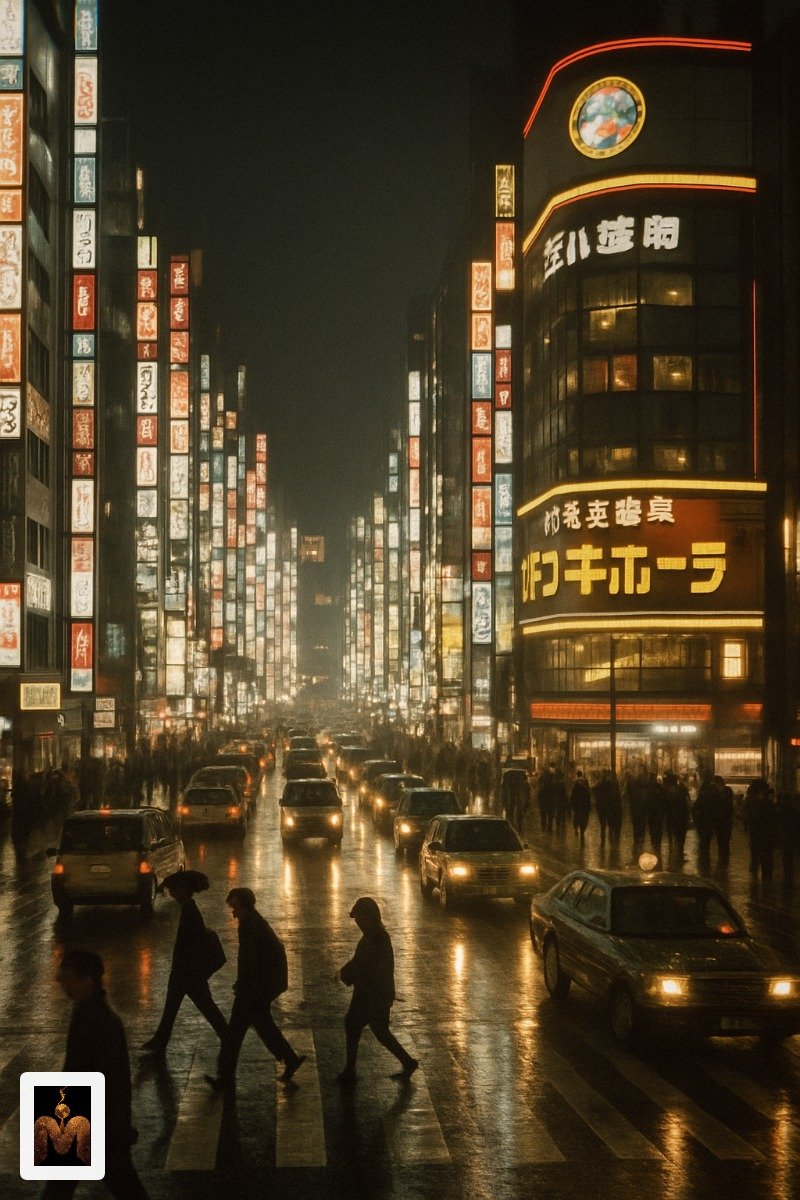
Club entry in Roppongi runs ¥2000 to ¥3500 including one drink, and the clubs are essentially indistinguishable from clubs in any mid-sized European city.
English-language guides treat Roppongi as synonymous with those clubs, which causes people to either avoid the whole area or overpay to get into something generic.
Best version of Roppongi at night is free and involves walking Gaien-Higashi-dori instead.
The 600-meter stretch from Roppongi Crossing to Roppongi Hills has izakayas, a 24-hour Ichiran ramen, and the highest concentration of 24-hour convenience stores in Tokyo outside Shinjuku.
Those konbinis function as de facto social spaces at 3 a.m. in a way that’s genuinely hard to explain until you’ve stood in one eating a rice ball next to a guy in a tuxedo.
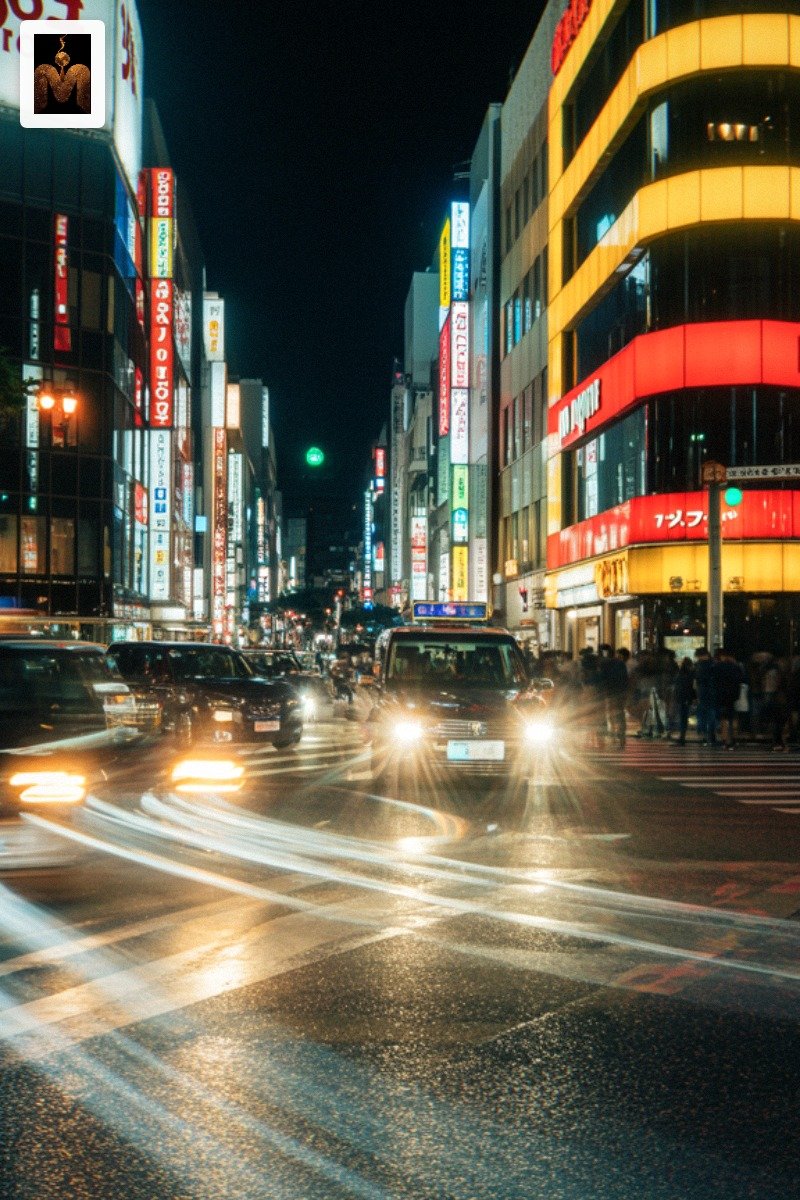
The street itself is the venue.
Clubs are beside the point.
Sangenjaya Has One Street That Does More Work Than Any Block in Shibuya
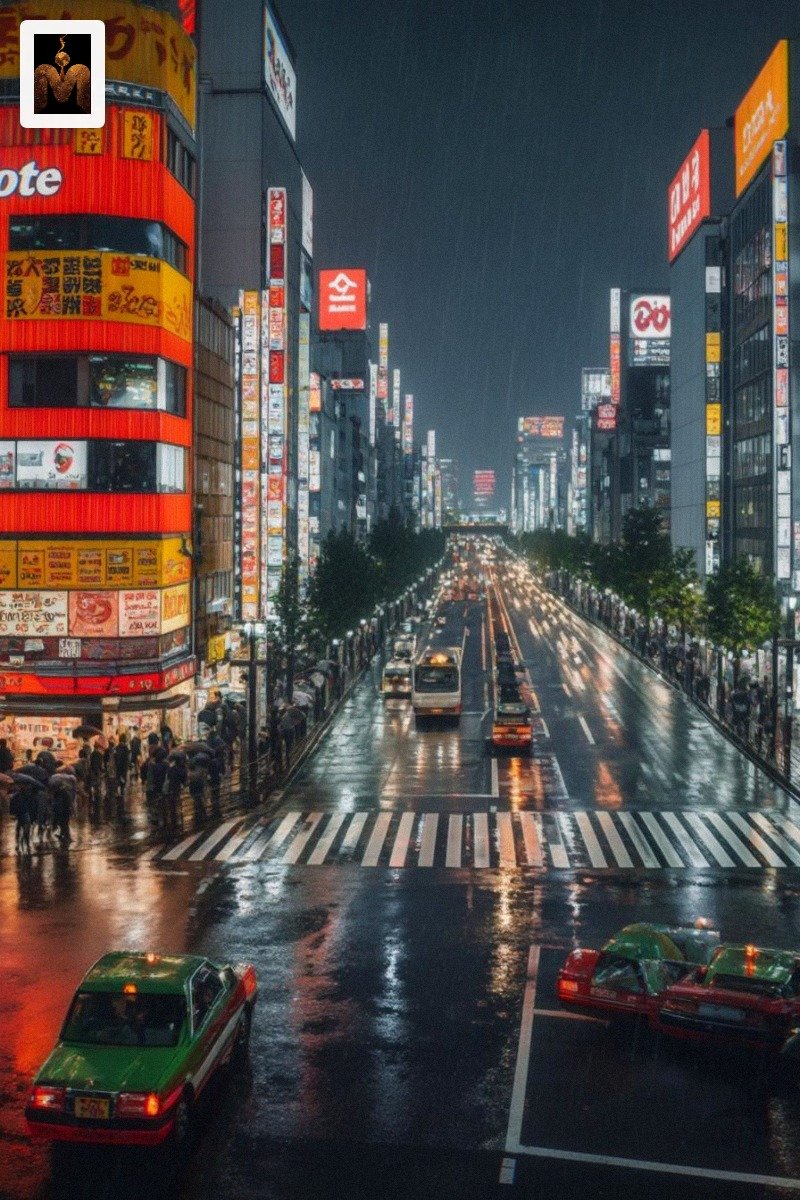
Three minutes from Shibuya on the Tokyu Den-en-toshi Line, ¥140.
That’s it.
That’s the whole logistical argument for going.
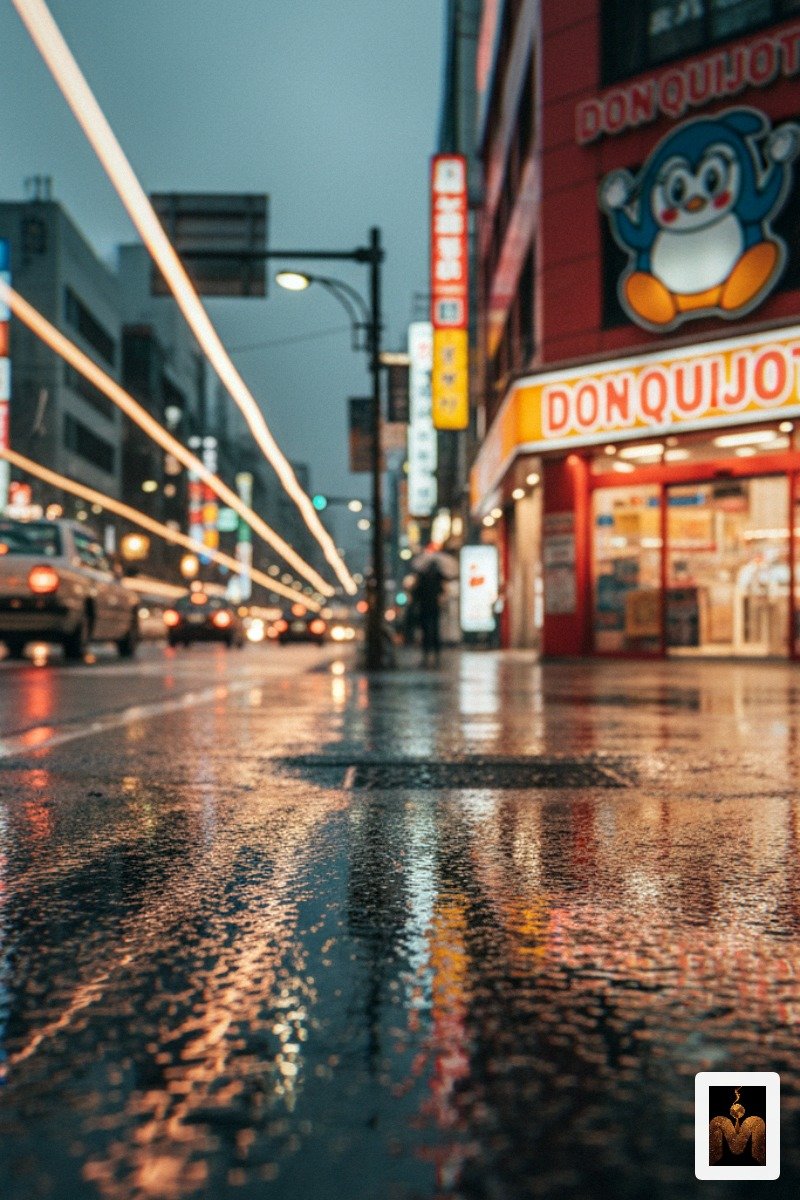
Sangenjaya’s Tri-angle Alley (Sankaku Chitai) is 50 to 70 bars in under 0.1 square kilometers.
Most bars seat 6 to 10 people.
Last trains leave around 12:30 to 1 a.m. depending on which line you’re taking back.
Old, low-lit, and it’s the version of Golden Gai that Golden Gai was before it became a destination.
I don’t want to over-promise it, because the moment too many people start writing about it the thing that makes it work starts to erode.
That’s already begun, a little.
But it hasn’t happened yet, and it’s the most honest bar street in the city right now.
Midnight Ramen Is Not a Snack — It’s How the Night Ends in Tokyo
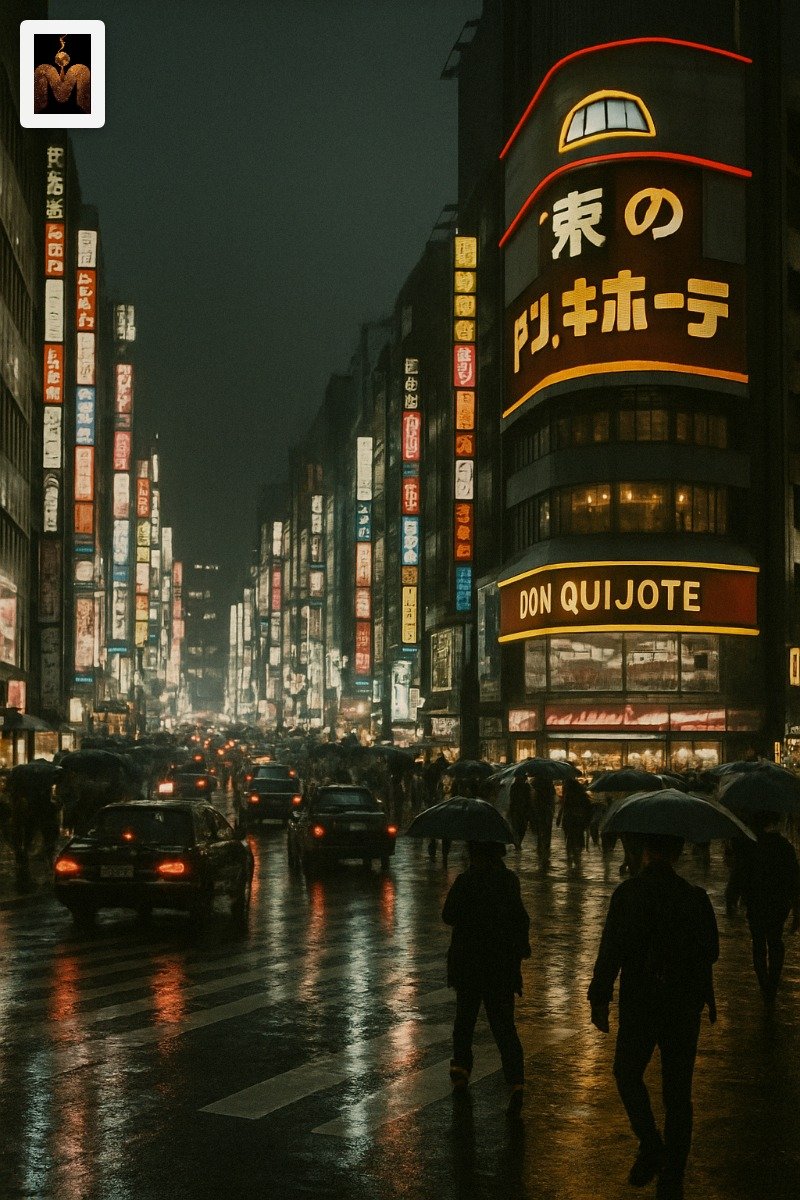
This isn’t a quirky tourist experience.
It’s structural.
Tokyo nights are built around it.
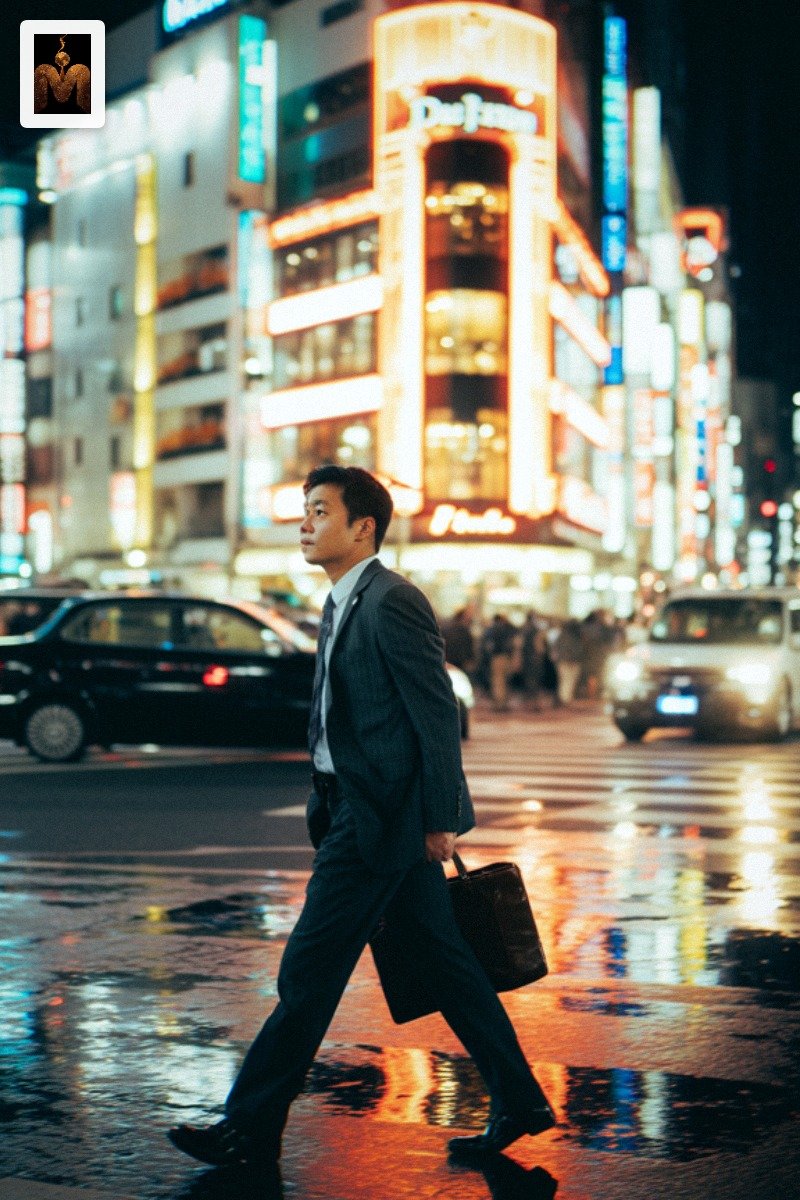
Most ramen counters in nightlife districts stay open until 3 to 5 a.m. Average bowl runs ¥850 to ¥1200.
Skipping it means you left the night unfinished.
Fuunji in Shinjuku does tsukemen from ¥950.
The line is typically 15 to 30 minutes even at midnight — worth it, not negotiable.
If you’re alone and don’t want to deal with any Japanese at all, Ichiran’s individual booth system requires zero language.
You fill out a paper form, you get your bowl, nobody bothers you.
Both work.
Neither is a consolation prize.
🗼 I Wrote a Book About My Japan Travel Catastrophes!
Before I landed in Tokyo, I thought I was the “Final Boss” of international travel. Spoiler alert: I WASN’T. 😅
🚅 I boarded the wrong Shinkansen and ended up in THE WRONG CITY. I confused locals with my “expert” bowing that was more awkward than accurate. I accidentally stumbled into a high-stakes Kendo practice thinking it was a tourist show. Sound like something you’d do?
“Things I Wish I Knew Before Going to Japan” is your shortcut to avoiding ALL my cringe-worthy mistakes. ✨ Inside, you’ll find practical, LIFE-SAVING tips on etiquette, transport, money, and hidden gems that will save you time, money, and a whole lot of confusion.
Navigating Last Train Anxiety: Tokyo’s Nightlife Has a Hard Curfew That Changes Everything
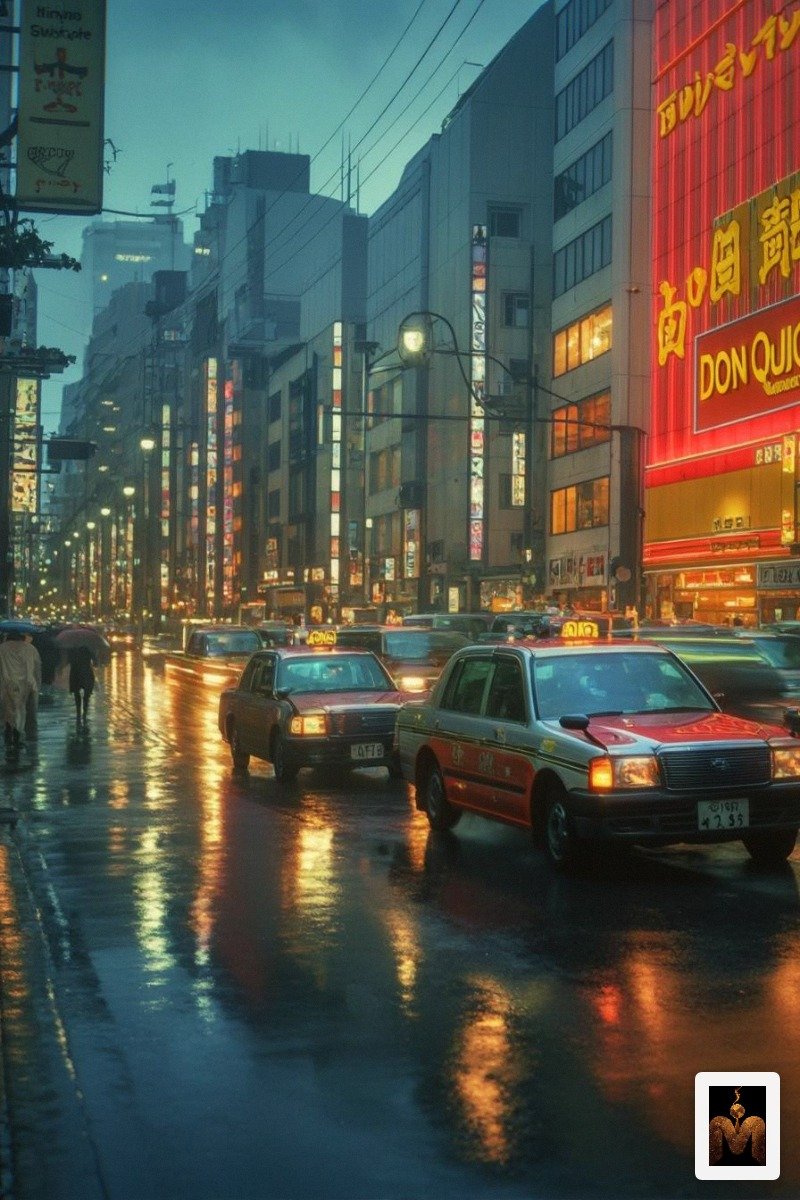
Last Yamanote Line train runs around 1 a.m. After that, a taxi from Roppongi to Shinjuku costs roughly ¥2500 to ¥3500.
Tokyo is not New York.
Missing the last train is a ¥3000 mistake that doesn’t just cost money — it rewrites your whole evening, usually toward worse decisions.
I’ve done it.
Once on purpose, once because I lost track of time in Shimokitazawa.
Neither was worth it.
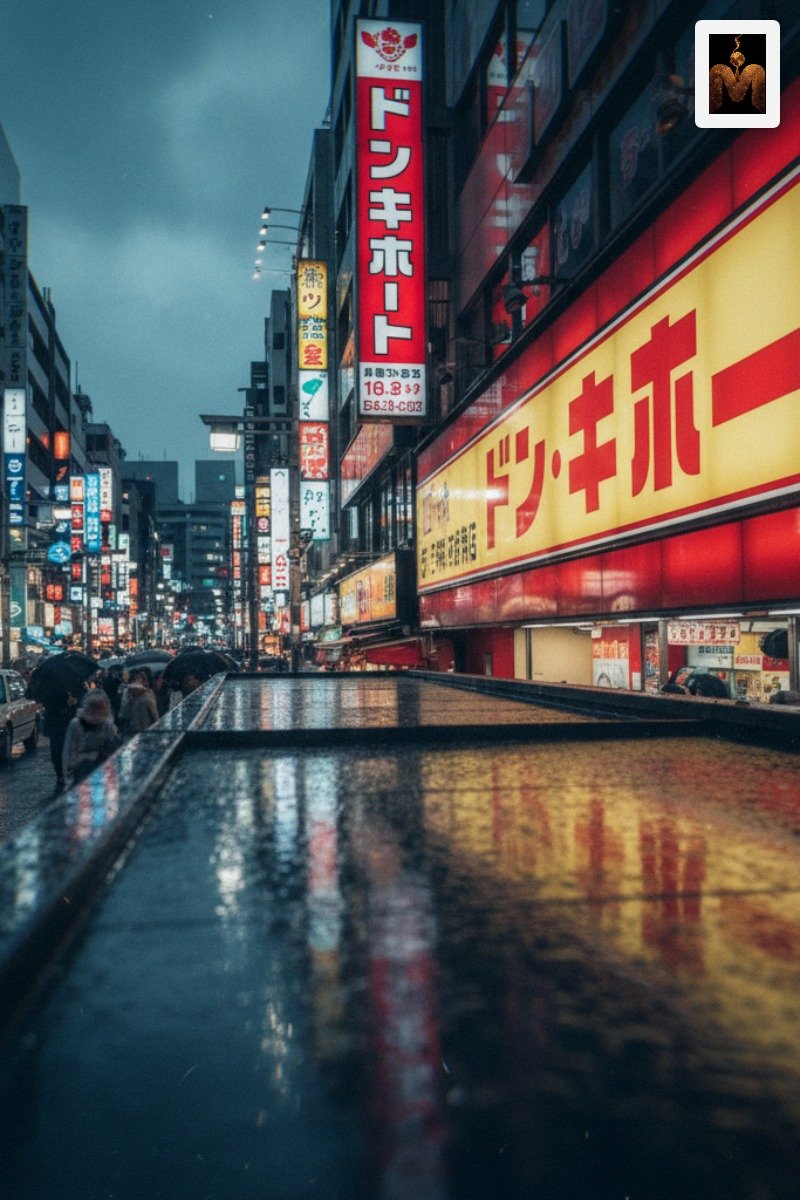
What most people don’t know: Shinjuku to Shibuya on foot is about 25 minutes, which is walkable if you’re not destroyed.
Toei all-night buses cost ¥220 and run from around 12:30 a.m. on weekends.
Last train anxiety is the actual organizing principle of Tokyo nightlife, and understanding it builds a better itinerary than any bar recommendation.
Plan around the trains first.
Pick bars second.
Dress Code Reality: What Tokyo Clubs and Bars Actually Enforce vs. What They Say
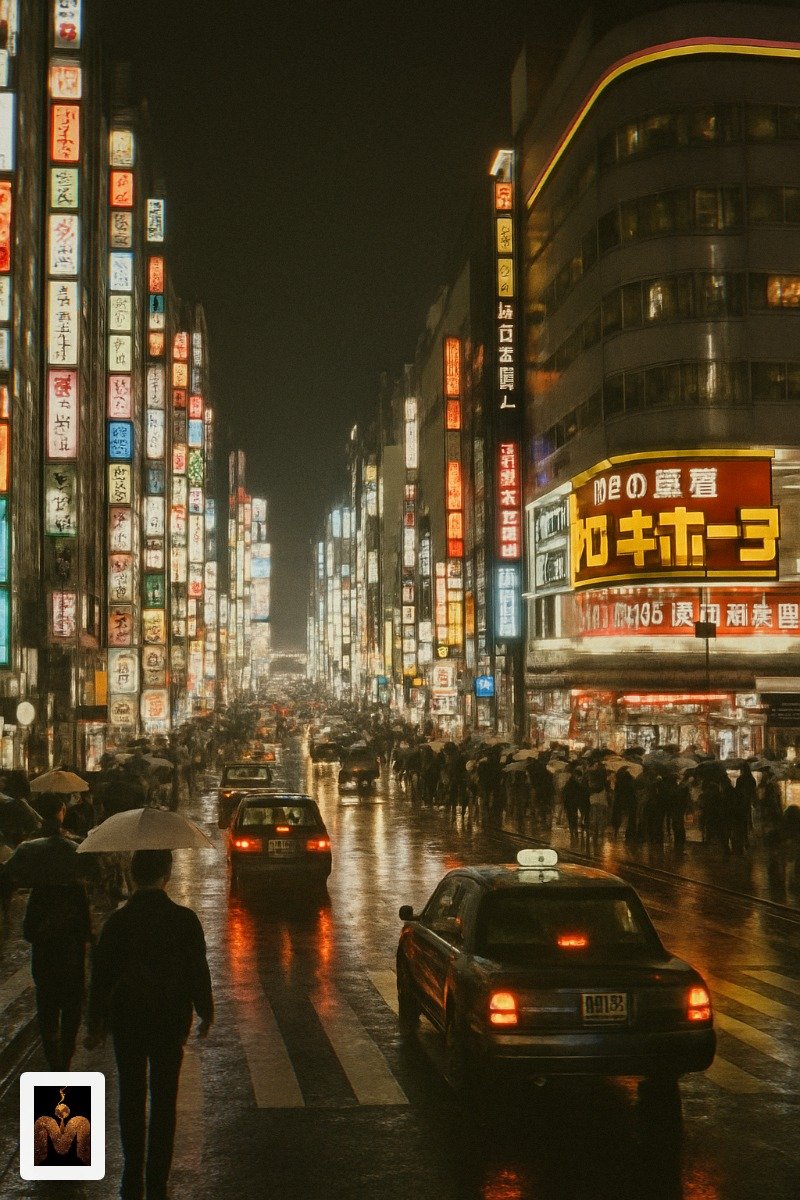
Sneakers get turned away at roughly 40% of Roppongi clubs.
That’s real and consistent.
Dress codes there exist primarily to filter out backpackers — and yes, that includes anyone dragging a carry-on from the airport thinking they’ll pop in on the way to the hotel — not to maintain any particular atmosphere, but they enforce them anyway.
Dress sharp if you’re going to Roppongi.
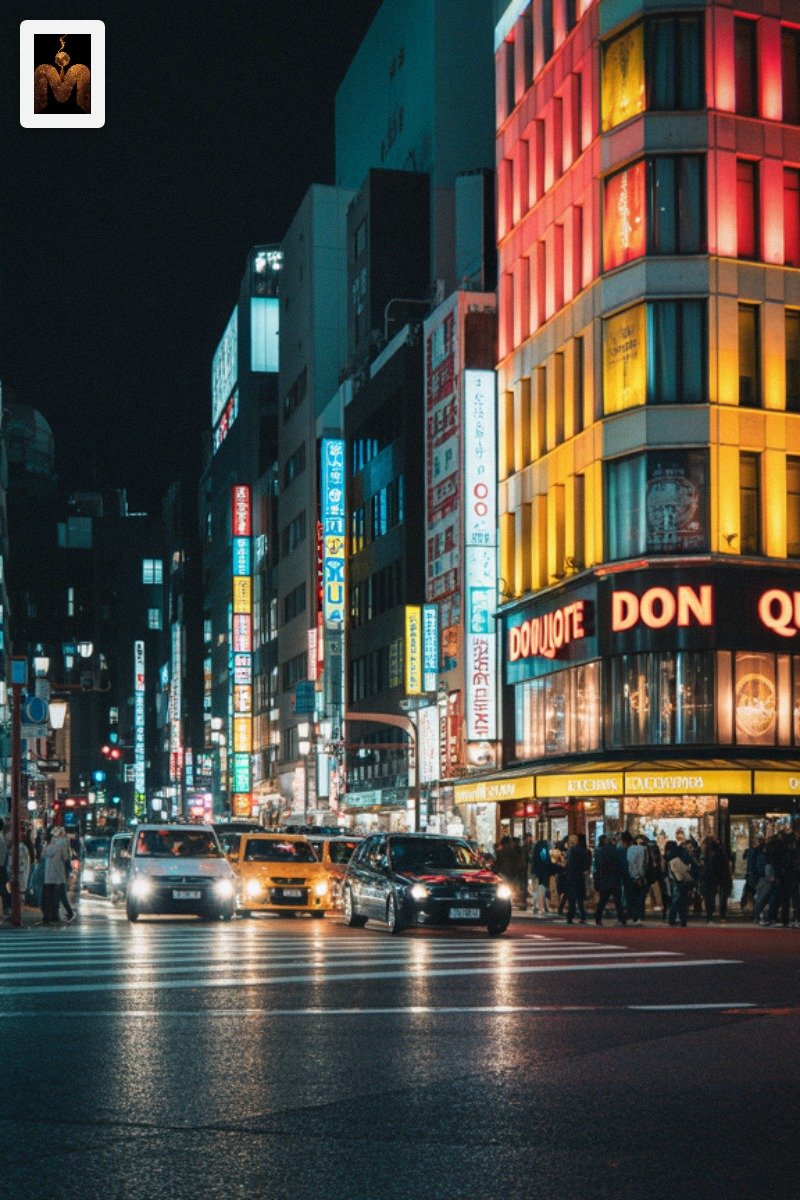
Everywhere else?
Golden Gai has zero dress code.
Koenji has zero dress code.
Showing up to either in a collared shirt would be genuinely weird, like wearing a suit to a baseball game.
Shibuya clubs vary by floor and by night, and some charge women ¥500 to ¥1000 less than men as standard.
One genuinely useful detail: wearing a suit in a Shinjuku izakaya signals salaryman status and often improves service noticeably.
I’ve tested this accidentally and on purpose.
Soloing Tokyo’s Bar Streets Without Speaking Japanese: A Realistic Assessment
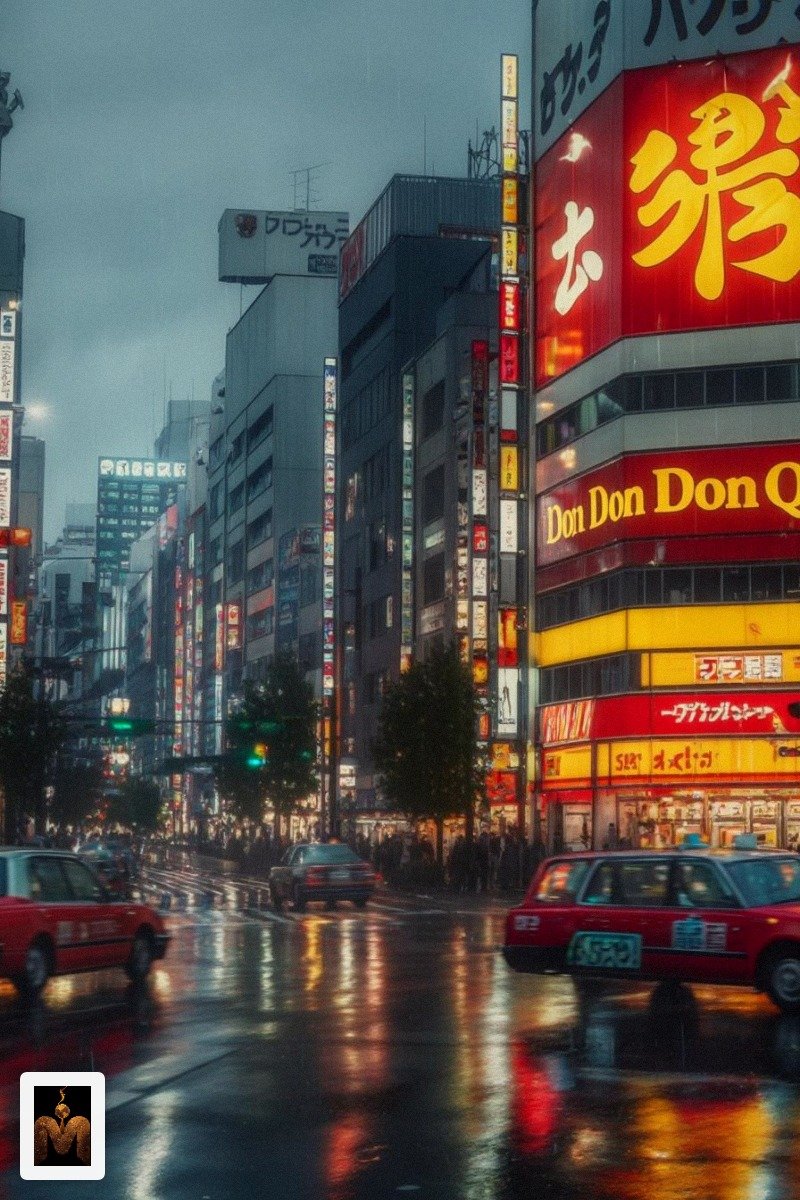
At a standing bar (tachinomi), 30 to 50% of the menu is visible as bottles on the shelf.
Point ordering works.
Nobody minds.
At an izakaya, counter seats (カウンター) are specifically built for solo diners.
Not a workaround.
That’s the design.
Google Translate’s camera function handles roughly 80% of handwritten menus, which is most of what you’ll encounter off the main streets.
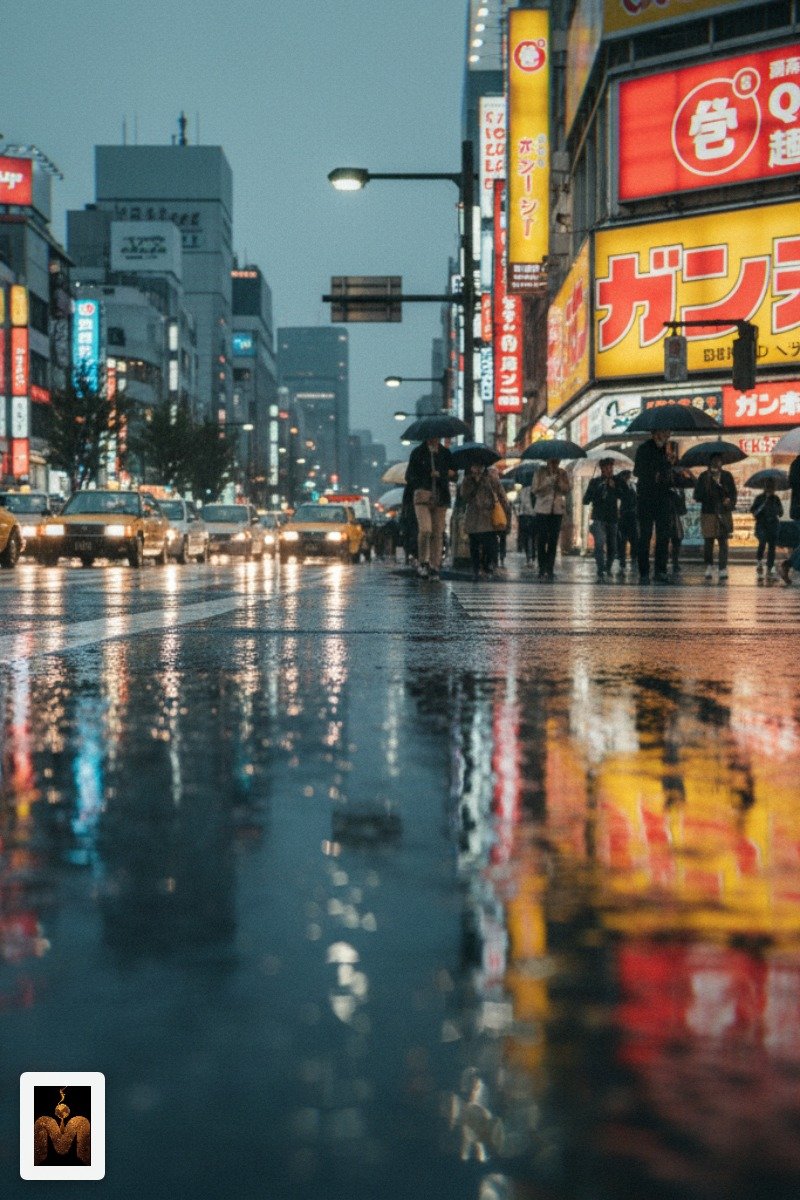
A foreigner who walks into a small bar alone and sits quietly at the counter will have a better night than one who goes to an “English-friendly” venue in Roppongi.
Not sentimentality.
English-friendly bars concentrate tourists, which removes the accidental interaction that makes Tokyo bars actually interesting.
The barrier to the small bars is psychological, not linguistic.
You walk in, you sit down, you point at something.
That’s the whole move.
Build Your Own Night: A Street-by-Street Sequence That Actually Works
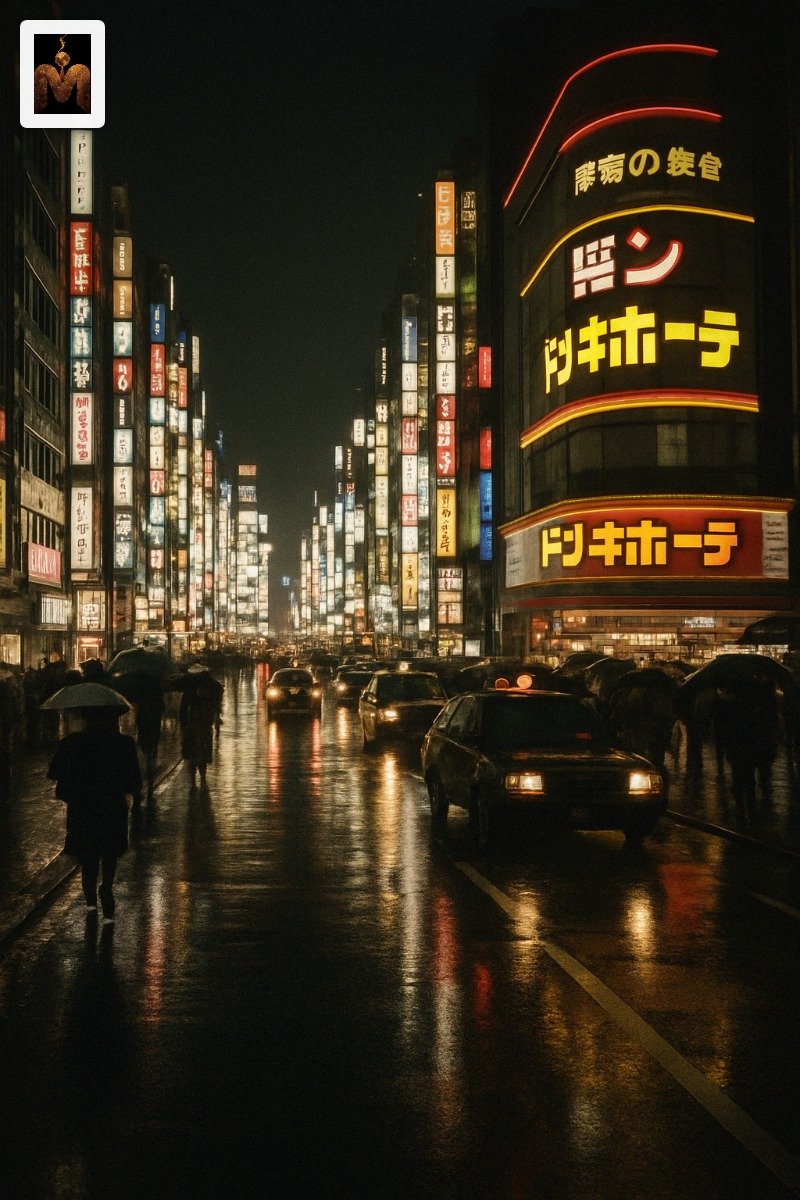
Start at Yurakucho underpass at 7 p.m. Eat yakitori skewers standing up.
Spend ¥1500 and leave full.
Take the Hibiya Line to Nakameguro by 9 p.m. (¥180).
Walk the canal, let the Instagram crowd clear, find a bar on the Komazawa-dori side streets by 9:30.
Stay through one craft beer, maybe two.
Tokyu line transfer gets you to Shimokitazawa in time for the second set at 10:30 p.m. Pay the cover, sit at the counter, don’t try to talk over the music.
Leave by midnight.
From there, Sangenjaya is a short transfer on the Den-en-toshi Line (¥140).
Tri-angle Alley by midnight.
Last train from Sangenjaya is around 12:40 a.m., so make it, or budget ¥1800 to ¥2200 for a taxi to Shibuya.
End at a ramen counter.
Any ramen counter.
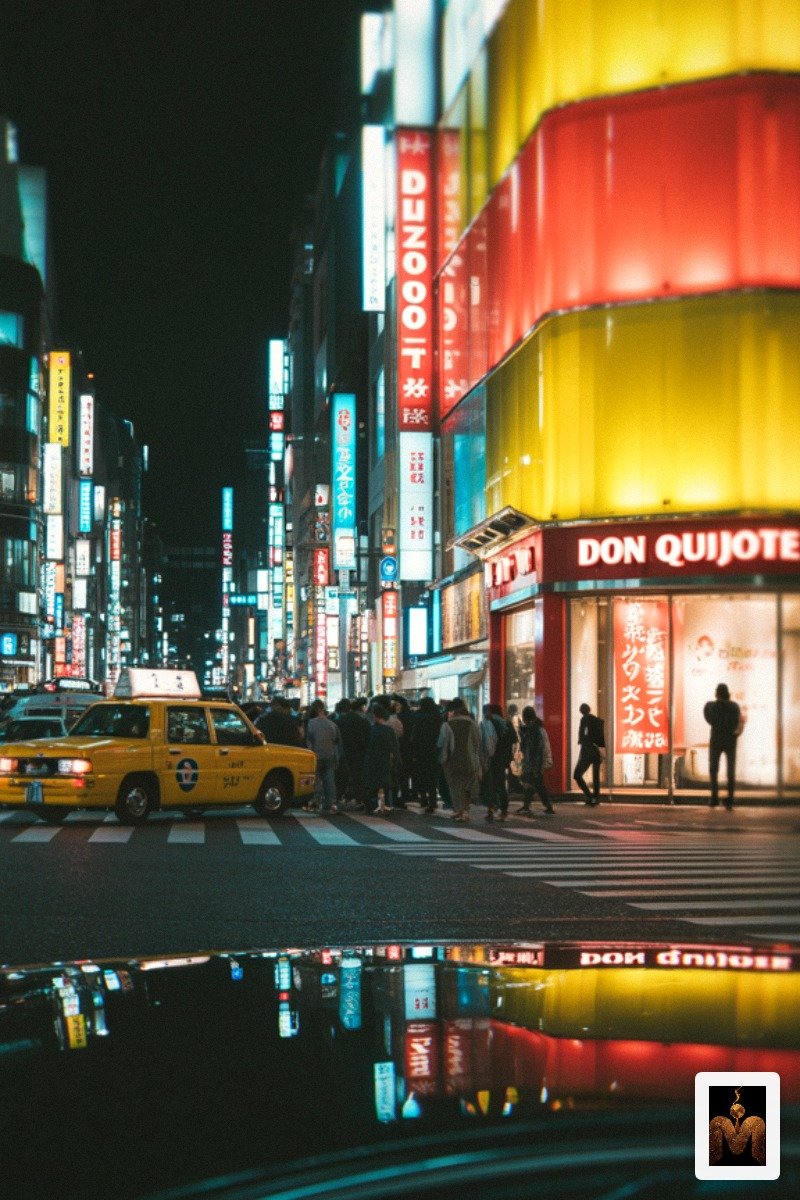
A night that moves through three districts is more satisfying than six hours in one neighborhood.
Train rides are part of the texture of it: the overhead lights, the half-asleep salarymen, the weird quiet of a Tokyo train car at 11:30 p.m. You’re not losing time in transit.
You’re in the city.
Related read: Things I Wish I Knew Before Going to Japan — Instant PDF + Kindle download. Secure checkout by Stripe