I landed in Maui with a perfectly packed suitcase.
Or so I thought.
By day two, I was sunburned on my ears, my sandals were shredded from lava rock trails, and I’d already spent forty bucks on stuff I could’ve brought from home.
Hawaii has this way of humbling you fast.
It’s paradise, yes.
But it’s also intense sun, saltwater, volcanic terrain, and humidity that laughs at your mainland skincare routine.
Most packing guides tell you to grab flip flops and a swimsuit.
Turn this into a checklist you can print with the free packing list generator.
Sure.
But the stuff that actually saves your trip?
Nobody really talks about that.
So here’s my honest list — the things most travelers forget, the things I forgot, and the few things I’ll never leave home without again.
Reef-Safe Sunscreen (And a Lot More of It Than You Think)

This one sounds obvious until you realize you packed one small bottle and you’re out by day three.
Hawaii has actually banned certain chemical sunscreens to protect its coral reefs.
So you can’t just grab any SPF 50 at a convenience store and call it good.
You need reef-safe formula, specifically mineral-based with zinc oxide or titanium dioxide.
When I first visited the Big Island, I grabbed a random bottle at a gas station and didn’t read the label.
I felt terrible about it afterward.
Now I pack three full-size bottles of reef-safe sunscreen for any trip over five days.
That sounds like a lot.
It isn’t.
You’re reapplying every two hours in that sun.
And don’t forget your ears, the back of your neck, and the tops of your feet.
Those spots get wrecked every single time.
I’m obsessed with the stick format for my face — so easy to toss in a pocket or day bag.
Buy it before you fly.
It’s cheaper, you’ll have exactly what you need, and you won’t be wandering a pharmacy in Kihei wondering why everything’s sold out.
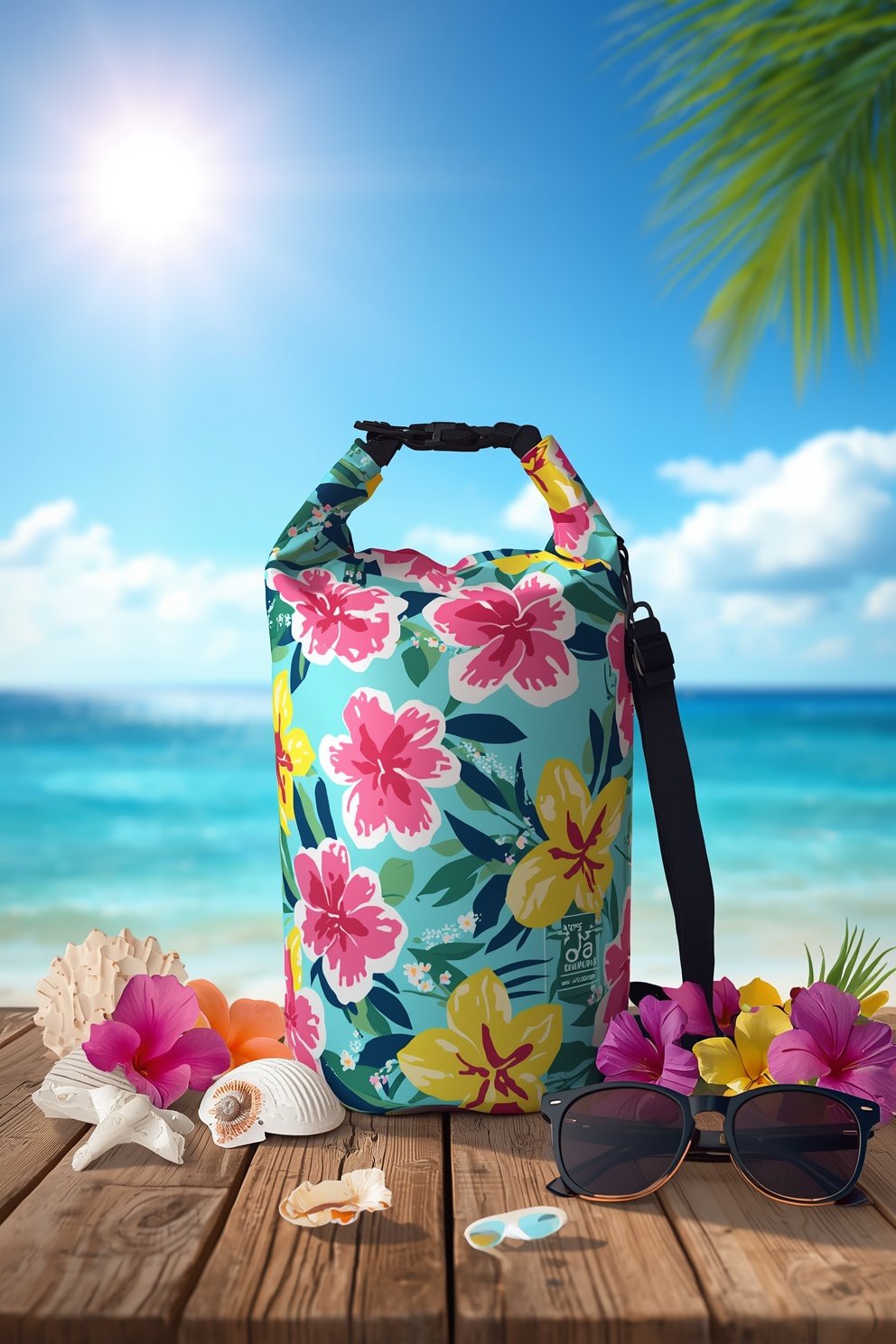
A Dry Bag (This One Thing Changed My Whole Trip)


I didn’t bring a dry bag on my first Hawaii trip.
I wrapped my phone in a ziplock bag like some kind of amateur.
The ziplock failed.
My phone survived, barely, and I spent the rest of the trip too anxious to take it near the water.
A dry bag is one of those things that costs maybe twenty dollars and protects everything that matters.
Sunglasses, phone, cash, your car key fob — all of it goes in there.
You seal it, clip it to your waist or throw it in your day bag, and you stop worrying.
I use a five-liter roll-top style.
Small enough to be casual, big enough to hold everything I actually need on a beach day.
And here’s the thing about Hawaii specifically — you’re not just dealing with ocean splashes.
You’re hiking to waterfalls.
You’re on snorkel boats where waves come out of nowhere.
You’re near freshwater pools with slippery rocks.
Water finds a way.
It always does.
The dry bag is just a quiet kind of peace of mind that makes your whole day feel lighter.
Don’t skip it.
Water Shoes or Trail Sandals With Real Grip

Standard flip flops are fine for walking from your hotel to the pool.
They are absolutely not fine for anything else in Hawaii.
The lava rock along the Kona coast is sharp and unforgiving.
The trails near Hana are muddy and slick.
The tide pools are covered in algae that will send you straight down if you’re not careful.
I learned this the hard way when I wore basic sandals to a black sand beach and spent the whole time shuffling carefully like I was ninety years old.
What I bring now are water shoes with a grippy rubber sole for any water-adjacent activity.
And a solid pair of trail sandals — the kind with ankle straps and actual arch support — for everything else.
Brands like Teva or Chaco are built for exactly this kind of terrain.
They’re not glamorous.
But they are the difference between exploring confidently and babying your way through the most beautiful coastline you’ve ever seen.
If I had to pick just one, I’d go trail sandal with a rubber toe.
Versatile, durable, and they don’t look half bad with board shorts either.
🗼 I Wrote a Book About My Japan Travel Catastrophes!
Before I landed in Tokyo, I thought I was the “Final Boss” of international travel. Spoiler alert: I WASN’T. 😅
🚅 I boarded the wrong Shinkansen and ended up in THE WRONG CITY. I confused locals with my “expert” bowing that was more awkward than accurate. I accidentally stumbled into a high-stakes Kendo practice thinking it was a tourist show. Sound like something you’d do?
“Things I Wish I Knew Before Going to Japan” is your shortcut to avoiding ALL my cringe-worthy mistakes. ✨ Inside, you’ll find practical, LIFE-SAVING tips on etiquette, transport, money, and hidden gems that will save you time, money, and a whole lot of confusion.
A Reusable Insulated Water Bottle (Not a Flimsy One)

Hawaii is hot.
And humid.
And you are moving your body a lot more than you think — hiking, snorkeling, walking, swimming.
You need more water than you’re used to drinking.
I went through almost four liters one day on a hike to a waterfall on Maui and still felt parched by the end.
A small plastic water bottle doesn’t cut it here.
Bring a real insulated bottle, at least 32 ounces, ideally 40.
Something that keeps water cold for eight-plus hours.
Hawaii actually has great tap water in most areas, so you can refill constantly without buying plastic bottles all day.
Which also feels good for a place you’re trying not to trash with your tourism.
I love the wide-mouth style because you can add ice easily at hotels or cafes.
And here’s a small hack — freeze your bottle the night before a long hiking day.
It stays cold deep into the afternoon even in direct sun.
That cold water sip after a hard trail section?
Genuinely one of the best feelings in the world.
Don’t underestimate this one.
Motion Sickness Medication for Boat Tours

I thought I had sea legs.
I do not have sea legs.
The boat to Molokini Crater hit some serious chop and I spent the first forty minutes gripping a railing and staring at the horizon like my life depended on it.
Plenty of the best things in Hawaii happen on boats.
Whale watching.
Snorkel tours.
Sunset sails.
Na Pali Coast cruises.
And the waters around these islands aren’t always gentle.
Pack motion sickness medication even if you think you’ll be fine.
Even if you’ve never gotten sick on a boat before.
The combination of ocean swell, diesel fumes, and midday sun is uniquely brutal.
The patch you wear behind your ear is the most effective option I’ve found for longer trips.
For shorter outings, a non-drowsy tablet works well.
Ginger chews are a more natural option and honestly they’re kind of delicious — I keep a few in my bag anyway.
Take whatever you choose before you board.
Not after.
By the time you feel it, it’s too late.
Protect the boat tour experience.
It’s often the highlight of the whole trip.
Aloe Vera Gel (The Real Kind)

Even with perfect sunscreen application, Hawaii will get you.
It just will.
The UV index there is significantly higher than most of the continental US.
You can do everything right and still end up with pink shoulders by evening.
Having aloe vera gel in your bag is the fastest, most soothing thing you can do for yourself after a sun-heavy day.
I keep a small bottle in my day bag and a bigger one at the hotel.
The key is getting actual aloe vera gel, not some heavily fragranced lotion with a tiny bit of aloe at the bottom of the ingredient list.
Real aloe should be the first or second ingredient.
Green is usually a dye.
Clear is typically purer.
I’ve started mixing mine with a few drops of lavender essential oil before bed and the cooling effect is just… incredibly cozy.
It helps with itching, redness, and just that tight, hot feeling skin gets after sun exposure.
You’ll be happier and more comfortable every night if you have this.
And your skin will thank you when you get home.
Sort of a post-trip gift to yourself, honestly.
A Lightweight Packable Rain Jacket

People don’t think about rain when they think about Hawaii.
I get it.
But Kauai is one of the wettest places on the entire planet.
Even Maui and the Big Island can drop a surprise shower on you mid-hike.
The weather there shifts fast, especially if you’re heading into any elevated terrain.
I got completely drenched on a trail in Waimea Canyon without a jacket.
The temperature dropped.
The trail got slippery.
It stopped being fun pretty quickly.
Now I always pack a lightweight packable rain jacket.
The kind that stuffs into its own pocket and weighs basically nothing.
It takes up almost no space in a day bag.
And on a sunny day when you don’t need it, you barely know it’s there.
On the day a sudden squall rolls in?
You’re the prepared one.
You’re dry.
You’re still out there experiencing things while everyone else is sprinting back to the car.
It doesn’t need to be fancy.
Just waterproof, hooded, and light enough to forget about.
That’s it.
Your Own Snorkel Gear

Rental snorkel gear is fine.
It’s also used by hundreds of people, sometimes poorly cleaned, and almost never fits your face the way your own gear does.
The seal matters more than people realize.
A bad seal means water leaking in, foggy goggles, and constant surface breaks to clear your mask.
That’s annoying enough to ruin the experience.
When I started bringing my own mask and snorkel, everything changed.
I actually stayed underwater longer.
I saw more.
I was more relaxed.
The fins are optional depending on how much you snorkel, but the mask and snorkel?
Non-negotiable for me now.
A good travel snorkel set compresses down flat and fits in a zip-top bag inside your luggage.
It’s not as bulky as it sounds.
And in Hawaii specifically, the snorkeling is so genuinely spectacular that you want to be fully comfortable.
Sea turtles gliding ten feet below you.
Bright yellow tangs darting through coral.
You want to be present for that.
Not fussing with a leaky rental mask.
Bring your own.
After-Sun Lip Balm With SPF

This is the one everyone laughs at until day four when their lips are destroyed.
Your lips get wrecked in Hawaii.
Wind, salt, sun — all of it hits your lips constantly and most people don’t protect them at all.
SPF lip balm is a genuinely underrated item that costs almost nothing and makes a real difference.
I keep one in every pocket, every bag, and on the nightstand.
I’m sort of obsessed with the tinted SPF balm options — they give a hint of color and protection at the same time.
Very low effort, actually useful.
After a day in the water, regular lip balm also helps with that tight, chapped feeling that sets in by sunset.
It’s such a small thing.
But when your lips hurt, you notice it constantly.
It distracts from everything.
And you’re in Hawaii.
You don’t want to be distracted from anything.
Pack two.
Lose one.
Still have one.
🗼 I Wrote a Book About My Japan Travel Catastrophes!
Before I landed in Tokyo, I thought I was the “Final Boss” of international travel. Spoiler alert: I WASN’T. 😅
🚅 I boarded the wrong Shinkansen and ended up in THE WRONG CITY. I confused locals with my “expert” bowing that was more awkward than accurate. I accidentally stumbled into a high-stakes Kendo practice thinking it was a tourist show. Sound like something you’d do?
“Things I Wish I Knew Before Going to Japan” is your shortcut to avoiding ALL my cringe-worthy mistakes. ✨ Inside, you’ll find practical, LIFE-SAVING tips on etiquette, transport, money, and hidden gems that will save you time, money, and a whole lot of confusion.
A Small First Aid Kit Tailored for Hawaii

Standard first aid kits don’t quite cover what Hawaii throws at you.
You want tweezers for sea urchin spines.
You want hydrocortisone cream for contact with certain plants on jungle trails.
You want antihistamine tablets for jellyfish stings or unexpected insect reactions.
You want blister bandages because new sandals on new terrain create blisters you didn’t see coming.
I put together a small custom kit that fits in a travel-sized pouch.
Tweezers, antihistamine, hydrocortisone, blister pads, a few regular bandages, and pain reliever.
That’s basically it.
Lightweight, small, and I’ve used something from it on almost every Hawaii trip I’ve taken.
The urchin spine situation is more common than you’d think.
Step wrong on a reef, and those tiny spines break off and work their way in.
Tweezers and patience get them out.
Leaving them in is not a good plan.
Be ready for the real Hawaii experience — the beautiful, wild, slightly rugged version of it.
That’s the version worth showing up for, anyway.
A Buff or Lightweight Neck Gaiter

Okay, this one sounds random for a beach trip.
Bear with me.
The back of your neck and your ears are the two most commonly forgotten sun spots on the whole body.
And they are completely exposed any time you’re hiking, kayaking, or just walking along a coastal trail.
A lightweight buff or neck gaiter that you can pull up covers both instantly.
No reapplication, no fussing, just protection.
I also use mine as a headband to keep sweat out of my eyes on humid hikes.
Or pulled over my nose on a dusty trail near a volcanic area.
Or rolled into a small ring and used as a makeshift wrist sweatband.
It’s the most versatile thing in my bag that costs under fifteen dollars.
I’m not kidding when I say I reach for it almost every day on a Hawaii trip.
Lightweight, packable to nearly nothing, and genuinely useful across a dozen different scenarios.
If you run warm like I do, get a cooling-fabric version.
That breathable, moisture-wicking material on a hot trail is a small but real luxury.
Throw one in.
You’ll use it.