I still remember standing on an empty street in a snowed-in town, coffee steaming in my hand, and thinking nobody else knows about this place.
No crowds.
No lift lines.
No influencers doing the same jump shot in front of the same frozen waterfall.
Just me, the cold biting my cheeks, and a kind of quiet you can’t fake.
That feeling is why I stopped chasing the “top winter destinations” lists a long time ago.
The best cold-season trips I’ve ever taken were the ones I almost didn’t hear about.
Before you pick your dates, check the free best time to visit tool for highs, lows and rainy days.
So here’s my running list of the winter spots that still feel like they belong to the people who love them, not the people who market them.
Skip the Big Resort Towns for Something Smaller
Here’s my honest take.

The mega resorts are fine.
But they’re built for volume, not for feeling.
When I want an actual winter experience, I look for the town one exit before the famous one.
Smaller towns tend to have one main street, a diner that’s been open since forever, and locals who still wave at strangers.
That’s the stuff you remember.
Big resorts give you amenities.
Small towns give you a story.
I learned this the hard way after a trip to a “top ten” ski destination that felt more like an airport terminal than a mountain getaway.
So the following winter, I booked a tiny town instead, one most people couldn’t point to on a map.
It changed how I plan every trip since.
My tip: search for towns near famous destinations, not the destinations themselves.
You’ll usually find better lodging prices, shorter waits, and a warmer welcome.
And honestly, the skiing or the scenery is rarely worse.
Sometimes it’s better, because fewer people means fewer tracked-up trails and less noise.
If you’re the kind of traveler who wants a photo for the algorithm, this might not be your move.
But if you want a memory that’s actually yours, it’s worth it.
Quebec City’s Old Town Feels Like a Postcard Nobody Mailed Yet

I didn’t expect to fall for Quebec City the way I did.
Cobblestone streets covered in snow, stone buildings lit up gold at night, and this old-world energy that feels more European than North American.
Walking through Old Quebec in a snowfall is one of those experiences that just quiets your brain.
You stop thinking about your inbox.
You start noticing things again.
The way the snow sits on the rooftops.
The smell of maple and butter drifting out of a creperie.
A street musician playing something slow while everyone just kind of stands there and listens.
I stayed in a small inn inside the old walls, and every morning I’d walk to a café instead of ordering room service, just to feel like part of the town instead of a visitor passing through.
That’s the difference I chase now.
My tip: go in January or early February, right after the holiday crowds clear out.
The Winter Carnival adds energy without the total chaos of peak season.
And bring real boots.
I underestimated the ice on those old streets once, and my pride took the hit, not just my hip.
Optional variation: pair it with a night at a nearby ice hotel if you want a bucket-list add-on without leaving the region.
Hot Springs Towns Are the Coziest Secret in Winter Travel

There’s something almost unfair about sitting in hot mineral water while snow falls on your shoulders.
I didn’t get it until I tried it myself in a small hot springs town tucked into the mountains.
The cold air hits your face.
The warm water wraps around everything else.
It’s contrast, and contrast is what makes a moment stick with you.
Little hot springs towns in places like Idaho and Montana rarely make the big lists, and that’s exactly why I love them.
You get quiet mountain views, a slower pace, and a built-in excuse to do absolutely nothing productive for a few days.
I booked a cabin near a natural spring last winter and spent most evenings just soaking while watching the sky change color.
No agenda.
No itinerary packed with must-see stops.
Just warmth against cold, which honestly might be the whole point of winter travel.
My tip: look for towns with public or low-cost soaking pools instead of the resort-branded spas.
They tend to be less polished, more local, and somehow more special because of it.
Pack a swimsuit you don’t mind getting a little mineral-stained.
And go on a weekday if you can.
Weekend crowds can sneak up even in the smallest towns.
🗼 I Wrote a Book About My Japan Travel Catastrophes!
Before I landed in Tokyo, I thought I was the “Final Boss” of international travel. Spoiler alert: I WASN’T. 😅
🚅 I boarded the wrong Shinkansen and ended up in THE WRONG CITY. I confused locals with my “expert” bowing that was more awkward than accurate. I accidentally stumbled into a high-stakes Kendo practice thinking it was a tourist show. Sound like something you’d do?
“Things I Wish I Knew Before Going to Japan” is your shortcut to avoiding ALL my cringe-worthy mistakes. ✨ Inside, you’ll find practical, LIFE-SAVING tips on etiquette, transport, money, and hidden gems that will save you time, money, and a whole lot of confusion.
Nozawa Onsen, Japan Skiing Without the Crowds

Everyone talks about Niseko.
I get it, the powder is famous for a reason.
But my favorite Japanese winter trip was to a smaller town called Nozawa Onsen, and I think about it more than any big-name resort I’ve visited.
Steep, narrow streets.
Steam rising from public hot spring baths scattered through the village.
Snow falling so quietly you can hear it land.
I stayed in a traditional ryokan, ate more grilled fish than I probably should admit, and skied runs that felt personal instead of packed.
There’s a version of Japan winter travel that’s all about the famous names, and there’s a version that’s about wandering into a bathhouse with locals after a day on the slopes.
I’ll take the second one every time.
My tip: bring cash, since a lot of the smaller onsen and shops don’t take cards.
Learn a few polite Japanese phrases before you go.
It goes a long way in a town that isn’t used to huge crowds of tourists.
And don’t rush your evenings.
The slow soak-and-wander routine is half the reason to visit in the first place.
The Scottish Highlands in Snow

I wasn’t prepared for how moody and beautiful the Highlands get in winter.
Fog rolling low over the hills.
Snow dusting the tops of mountains that already look like they belong in a myth.
Tiny stone villages with smoke curling out of chimneys.
It’s the kind of scenery that makes you stop talking mid-sentence.
I rented a car and just drove, stopping wherever the view stopped me first.
No real plan, which felt uncomfortable at first and then became the best part of the trip.
A pub with a fireplace roaring became my favorite kind of afternoon stop, hands wrapped around a warm drink, listening to locals talk about the weather like it was a character in their lives.
In a way, it is.
My tip: winter days are short up there, so plan your driving around limited daylight.
Book accommodations with a fireplace if you can, because you’ll want one after a day outside.
And go slow.
The Highlands aren’t a checklist.
They’re a mood, and you have to let yourself sink into it.
Lesser-Known Norwegian Fjord Towns Beyond Tromsø
Tromsø gets all the attention for northern lights chasing, and it deserves some of it.
But some of the smaller fjord towns nearby gave me a quieter version of the same magic, without the tour buses.
I stayed in a fishing village where the population felt smaller than my old apartment building.
Red and yellow wooden houses against white snow.
Fjord water so still it mirrored the mountains.
And at night, the sky did that thing, green light bending and moving like it was alive.
I watched it from a dock with maybe four other people instead of a crowded viewpoint.
That kind of solitude changes how the moment feels.
My tip: Rent a car if you’re comfortable with winter driving, since it opens up the smaller villages that buses skip.
Bring proper thermal layers, not just a heavy coat.
The wind off the water cuts differently than inland cold.
And give yourself several nights in one place instead of hopping around.
The northern lights don’t work on a schedule, so patience is part of the deal.
Lake Bled, Slovenia in Winter
Lake Bled photographs beautifully in summer, sure.

But winter Bled has this hush to it that summer just doesn’t have.
Mist sitting low over the water.
A tiny island church barely visible through the fog, like it’s playing hide and seek.
Snow on the cliffs above the castle.
I walked the lake path early one morning with almost nobody else around, just the sound of my own boots crunching and birds somewhere in the trees.
It felt like I’d wandered into a fairytale that hadn’t been discovered yet, even though Bled is technically well known.
Winter just strips away the crowds and leaves the actual magic behind.
My tip: rent a small rowboat trip only works in warmer months, so instead, walk the full loop around the lake for the best views.
Warm up afterward with a slice of the local cream cake, kremna rezina, at a lakeside café.
It’s simple, but it’s one of those small joys that makes a trip feel complete.
Go on a weekday morning for the emptiest, quietest version of the lake.
Finnish Lapland’s Quiet Villages

Rovaniemi gets the Santa Claus crowd, and that’s fine if that’s your thing.
But I found more magic in the smaller villages scattered outside the main hub.
Endless white forests.
Reindeer wandering near the roads like it’s totally normal, because up there, it is.
A silence so complete you can hear your own breathing.
I stayed in a small glass-roofed cabin, half expecting to be disappointed by the whole “watch the northern lights from bed” gimmick.
I wasn’t.
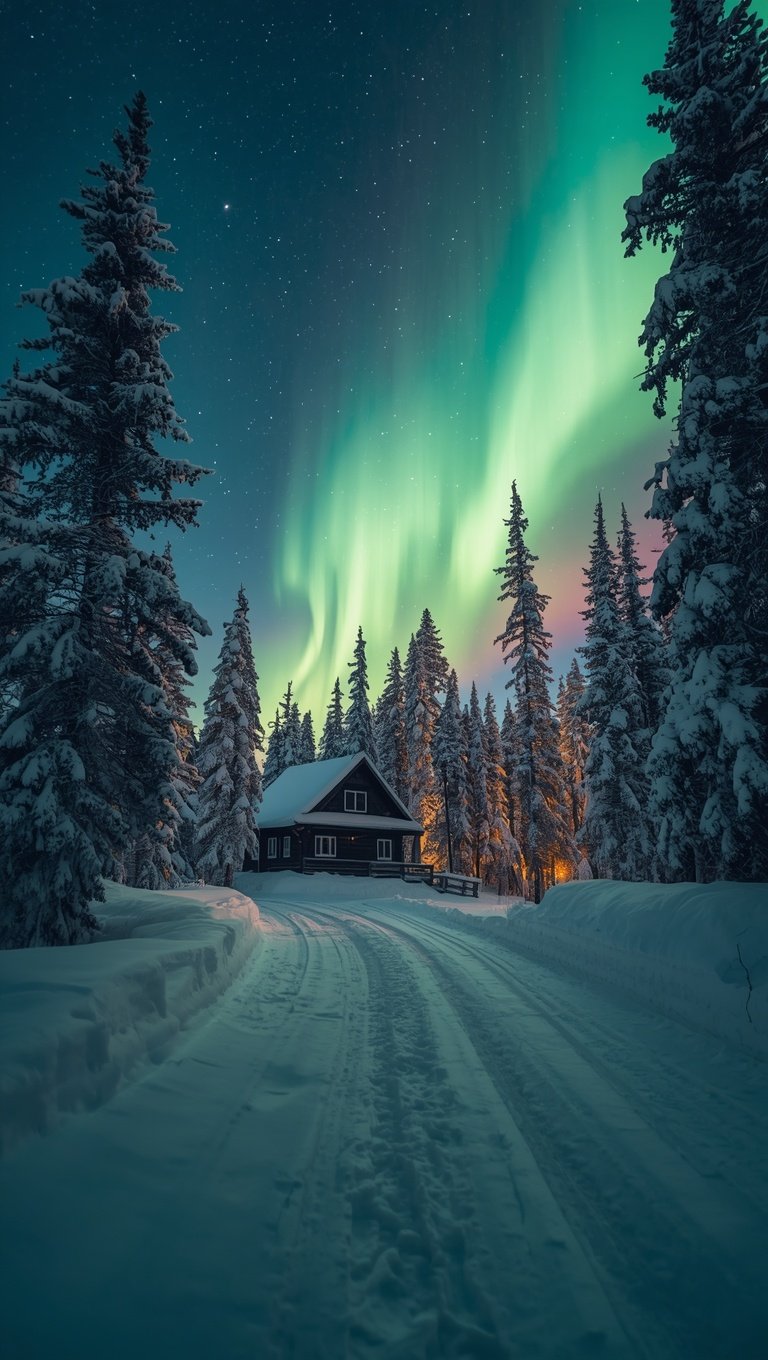
Waking up at 2am to green light dancing over snow-covered trees is something I still think about.
My tip: book a cabin outside the main towns for a real shot at aurora visibility, since light pollution ruins the view faster than people expect.
Dress in actual layers, not just a big coat, because Lapland cold gets into your bones differently.
And build slowness into your days.
This isn’t a place for a packed itinerary.
It’s a place for sitting still and letting the landscape do the work.
The Great Lakes Shoreline in Winter
This one surprised even me.

I grew up thinking of the Great Lakes as a summer thing, all beach days and boat rides.
But winter along those shorelines is its own kind of beautiful, and almost nobody talks about it.
Ice formations along the rocks that look sculpted on purpose.
Frozen waves caught mid-motion near the shoreline.
A kind of stark, quiet power to the whole scene.
I drove along northern Michigan’s coast one January on a whim, and ended up pulling over more times than I could count just to stare.
No entrance fee, no crowds, just miles of frozen shoreline and small towns with good coffee and better pie.
My tip: check ice conditions before walking near any shoreline formations, since safety matters more than the photo.
Stick to marked viewing areas.
Bring a thermos, because gas station coffee doesn’t cut it out there.
And time your trip after a cold snap, when the ice formations are at their most dramatic.
It’s an underrated winter road trip if you’re not ready to fly anywhere.
🗼 I Wrote a Book About My Japan Travel Catastrophes!
Before I landed in Tokyo, I thought I was the “Final Boss” of international travel. Spoiler alert: I WASN’T. 😅
🚅 I boarded the wrong Shinkansen and ended up in THE WRONG CITY. I confused locals with my “expert” bowing that was more awkward than accurate. I accidentally stumbled into a high-stakes Kendo practice thinking it was a tourist show. Sound like something you’d do?
“Things I Wish I Knew Before Going to Japan” is your shortcut to avoiding ALL my cringe-worthy mistakes. ✨ Inside, you’ll find practical, LIFE-SAVING tips on etiquette, transport, money, and hidden gems that will save you time, money, and a whole lot of confusion.
Cabin Towns in the Catskills and Poconos

Sometimes the secret winter escape doesn’t require a passport at all.
Small cabin towns in the Catskills and Poconos have this cozy, low-key charm that I didn’t fully appreciate until I slowed down enough to notice it.
Wood smoke drifting from chimneys.
Snow-covered pines lining quiet back roads.
A general store that sells firewood, flannel, and fudge, somehow all in the same aisle.
I booked a cabin with a wood-burning stove a couple winters ago, and spent most of the trip reading by the fire and taking short walks when the snow let up.
It wasn’t flashy.
It was exactly what I needed.
My tip: book midweek for better rates and way fewer people on the trails.
Look for cabins with an actual fireplace instead of just heating, because the ambiance really does change the whole feel of the trip.
Pack books, cards, something screen-free.
The best part of these towns is how little there is to do, in the best possible way.
Chasing Summer Patagonia in the Southern Hemisphere Winter

Here’s a twist I love recommending to people who are just done with cold by February.
While we’re bundled up, Patagonia is having its summer, and it’s stunning.
Jagged peaks without snow blocking the trails.
Long daylight hours perfect for hiking.
A totally different kind of winter escape, one where you’re running from the cold instead of into it.
I went during what would be our coldest month back home, and spent my days hiking under blue skies in Torres del Paine instead of shoveling a driveway.
It felt like cheating the season entirely.
My tip: this trip takes more planning than a quick weekend getaway, so book flights and park permits early, since Patagonia’s peak season fills up fast.
Pack layers anyway, because mountain weather shifts fast no matter the season.
And build in buffer days.
Weather delays are common, and rushing this kind of trip takes away half the point of going.
Related read: Things I Wish I Knew Before Going to Japan — Instant PDF + Kindle download. Secure checkout by Stripe