
I almost didn’t go.
It was a Thursday night, I had nothing booked, my car needed a wash, and I was already talking myself out of it before I’d even pulled up a map.
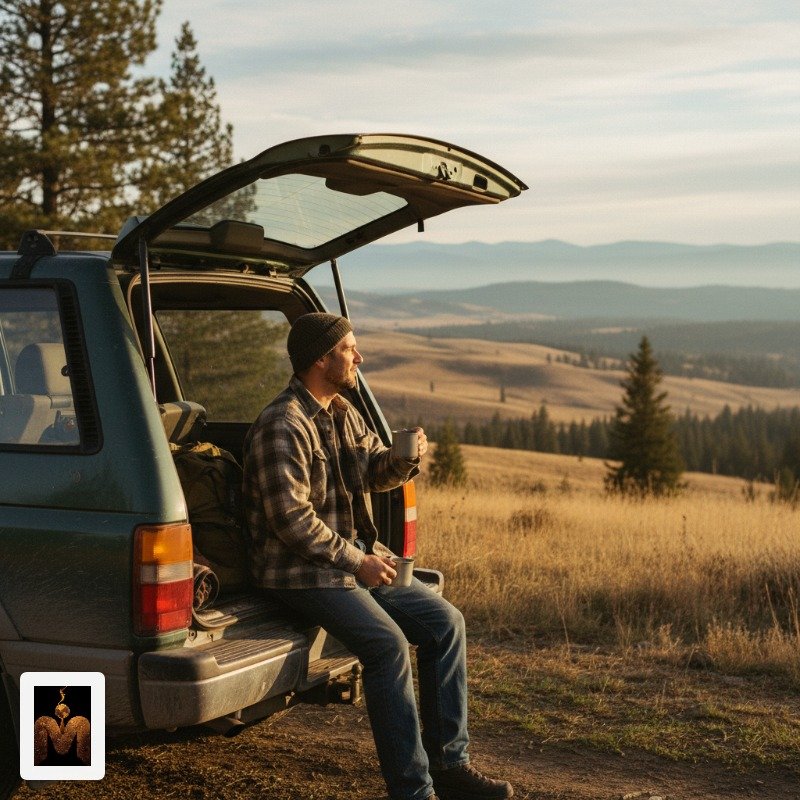
But I threw a bag together in twenty minutes, picked a direction, and by Saturday afternoon I was eating a pulled pork sandwich at a picnic table outside some tiny BBQ shack I’d never have found if I’d over-planned it.
That trip cost me maybe $180 total.
It’s still one of my favorites.
The formula isn’t complicated.
You’re just overthinking it — and I say that with love, because I used to overthink it too.
The 48-Hour Mindset Shift You Actually Need First
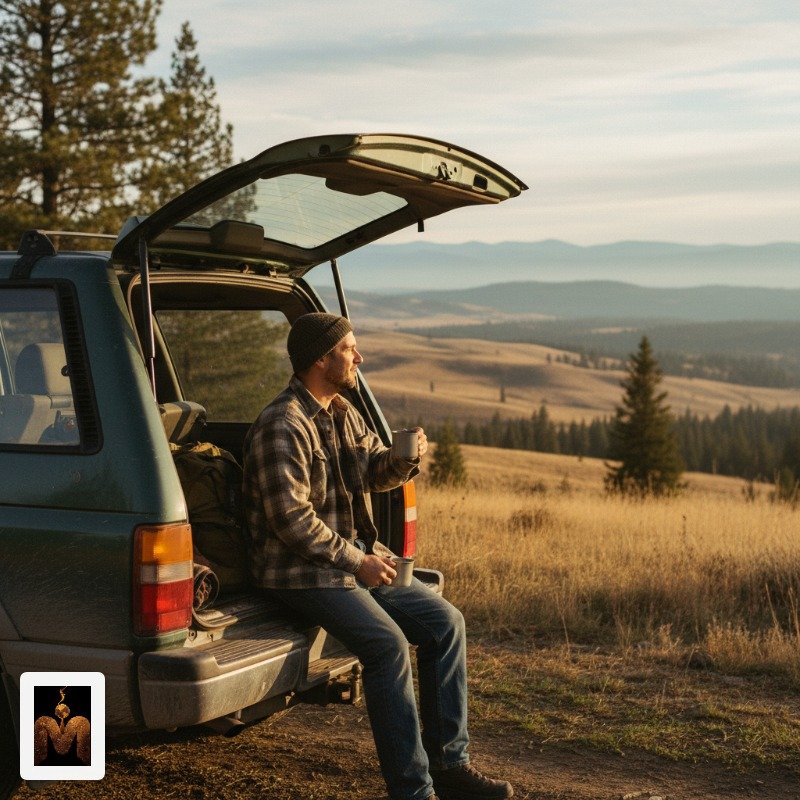
Most people treat a weekend trip like a vacation that got shrunk down.
They try to cram in every sight, every meal, every photo spot — and then they come home more exhausted than when they left.
That’s not a trip.
That’s a stress marathon with a scenic backdrop.
Only a few vacation days?
The free PTO optimizer shows where to take them for the longest breaks.
A 48-hour window is a different animal.
It rewards simplicity.
One direction.
One main thing you want to feel or see.
The rest fills itself in.
I’ve done long itineraries on short weekends and I’ve done almost nothing on long vacations.
The weekends where I actually unplugged were the ones with the loosest plans.
Funny how that works.
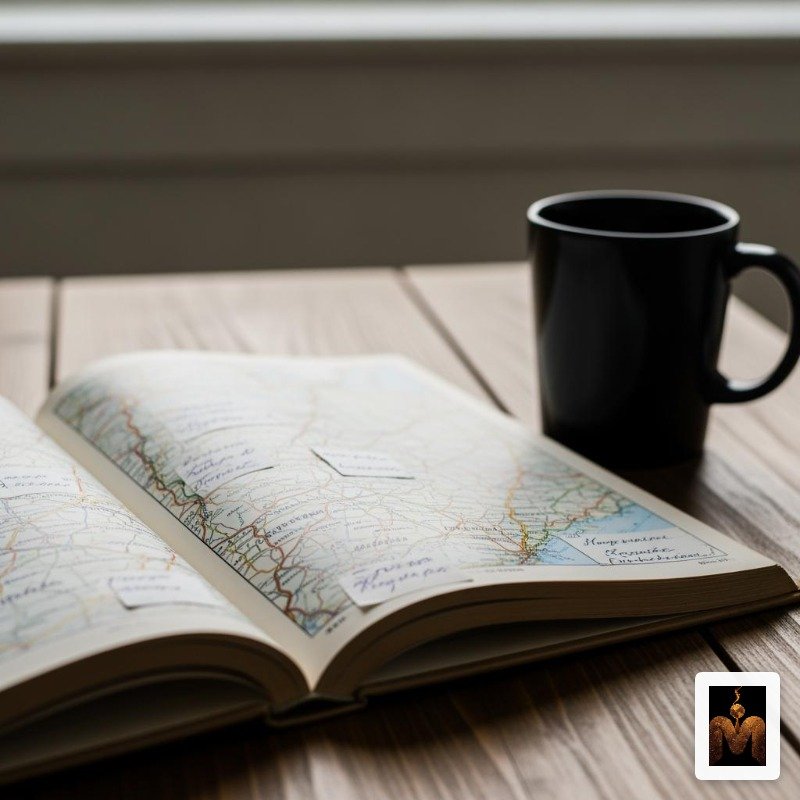
So before you start googling anything, decide: what do you actually want out of this?
A city you’ve never walked through?
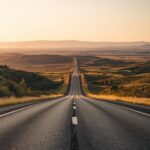
Just motion and music and a long road?
Start there.
Pick a Distance That Actually Works for Two Days
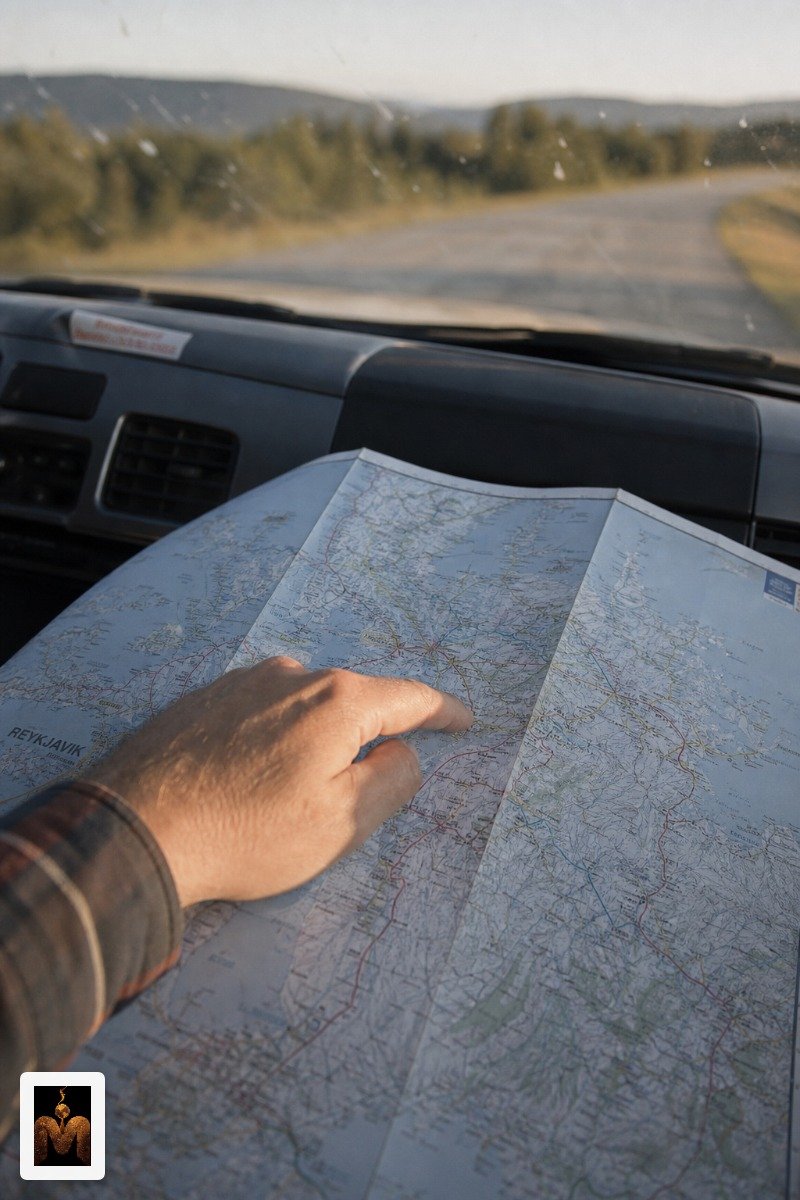
Here’s the math I use: no more than two to two-and-a-half hours each way.
That gives you two real days without burning half of Saturday in a car.
I broke this rule once going to see a college friend about four hours out.
We spent more time driving than doing anything.
We were both grumpy by Sunday.
Never again.
The sweet spot is roughly 100 to 150 miles from your front door.
Close enough that you’re not wrecked when you arrive, far enough that it genuinely feels like somewhere else.
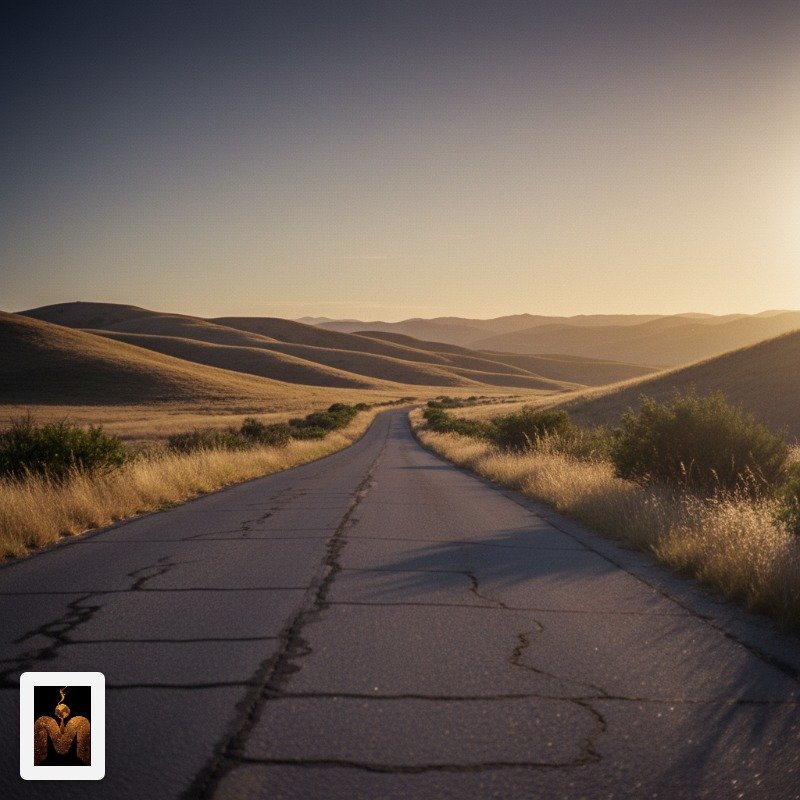
Draw a circle on a map.
Seriously, just pull up Google Maps, drop a pin on your house, and look at what’s sitting inside that radius.
You’ll surprise yourself.

Your Ultimate Caribbean Adventure Awaits!
Discover hidden coves, secret beaches, and the best rum punches in the islands. Your insider’s guide to Caribbean paradise.
Get Your Guide Now$15.99My Dead-Simple Friday Night Departure Strategy
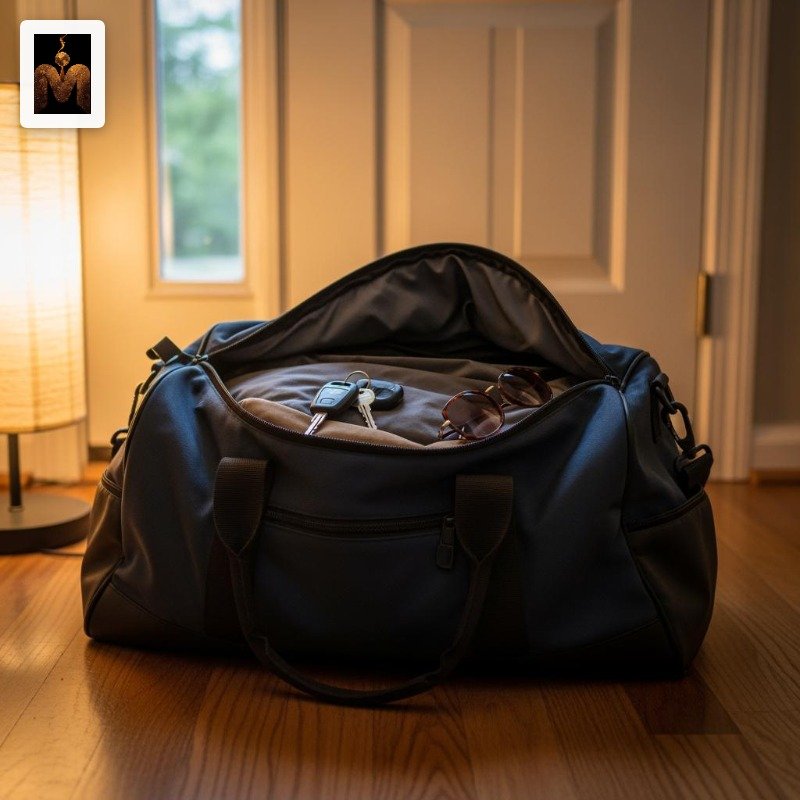
Non-negotiable for me.
Even if you only get an hour down the road, you’ve escaped.
You wake up Saturday already somewhere else.
That psychological reset is the whole point.
I keep a bag semi-packed.
Not fully — just the basics always in one place.
Phone charger, toiletry kit, one set of clothes I can camp or eat at a diner in.
When Friday hits, I’m out in under thirty minutes.
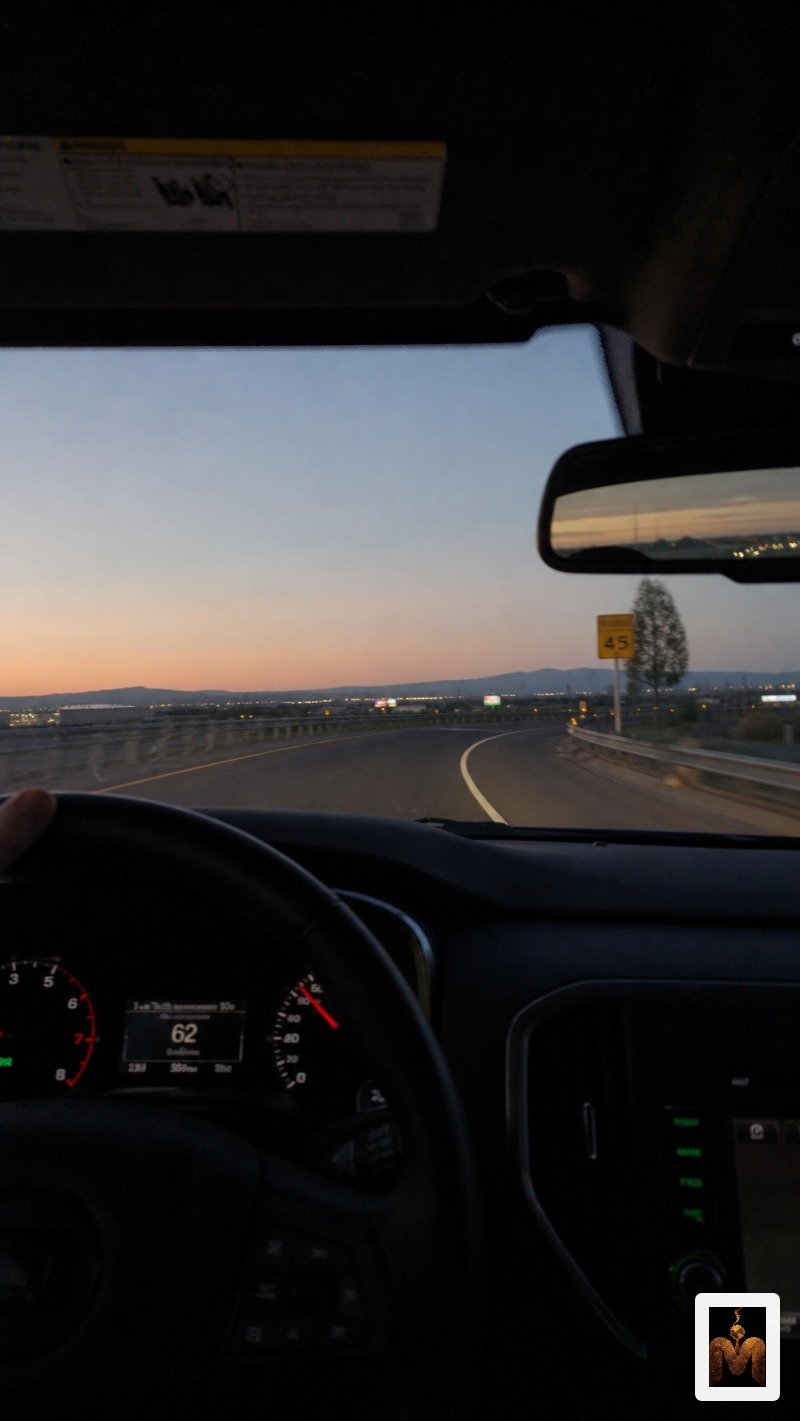
Don’t wait until Saturday morning.
You’ll sleep in, you’ll check your email, you’ll convince yourself to leave at noon and then wonder why the weekend felt short.
Also: gas up Thursday night.
It sounds stupid but standing at a pump at 5pm Friday in rush-hour traffic is its own special misery.
(Learned this the expensive-time way.)
The One-Anchor Rule for Planning Your Route
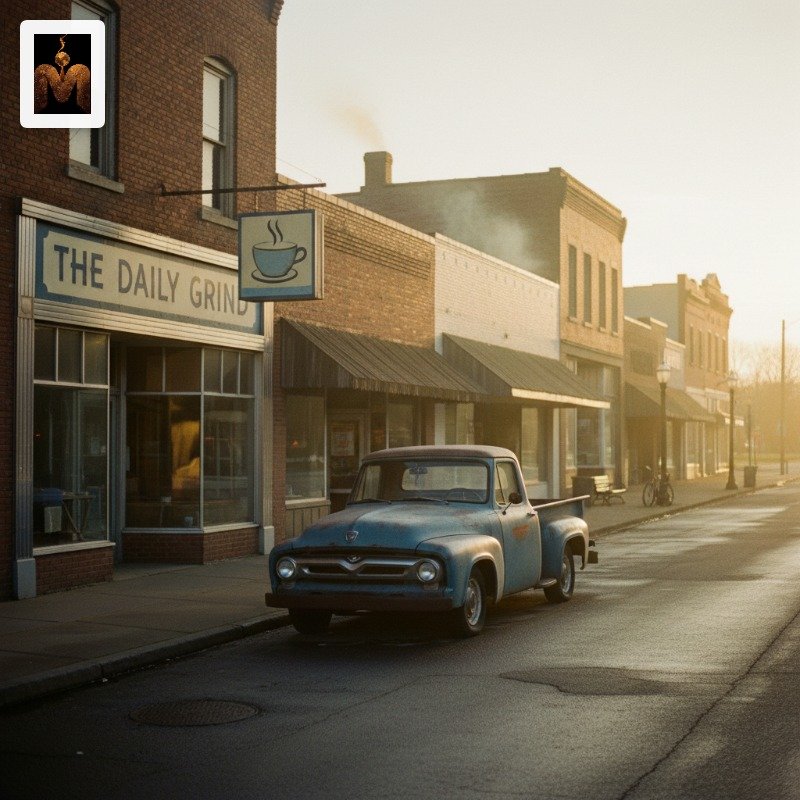
Pick one thing.
One anchor point.
A state park, a small town, a lake, a restaurant someone told you about three years ago.
Everything else builds around that.
I call it the anchor because it gives the trip a center of gravity.
Without it, you end up wandering with low-grade anxiety, refreshing Yelp every twenty minutes trying to optimize something that doesn’t need optimizing.
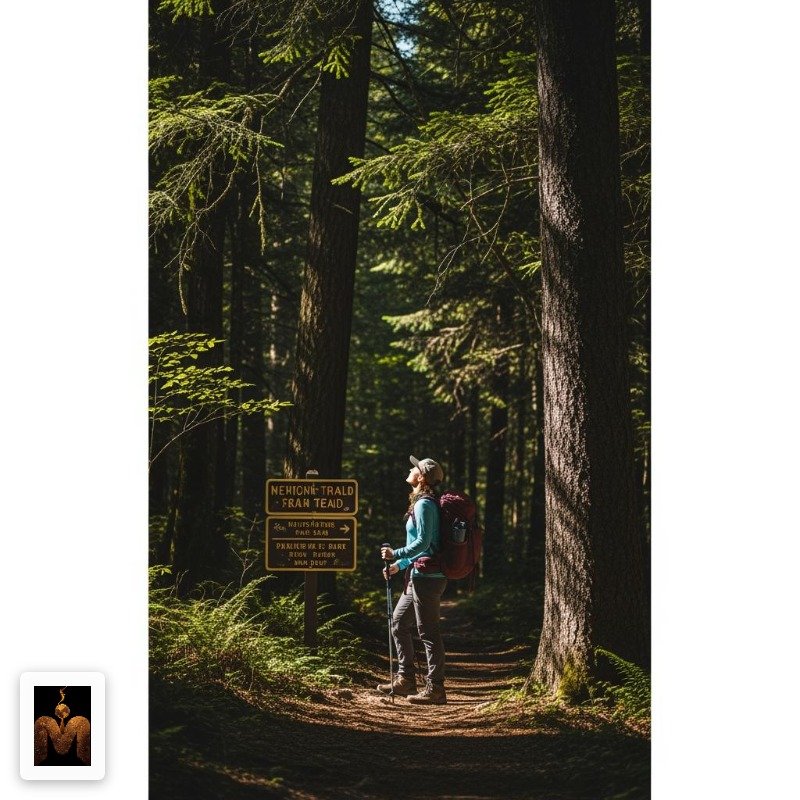
The anchor doesn’t have to be impressive.
Mine has been a diner that opens at 6am.
A trailhead I’d bookmarked and forgot about.
A covered bridge my dad mentioned once.
Small, specific, real.
That’s what makes a trip feel like it belonged to you.
What to Actually Pack (and What to Leave Home)
 What to Actually Pack (and What to Leave Home)” />
I’ve overpacked for a weekend trip before.
Like, full-sized shampoo, four shirt options, a book I never opened.
It’s embarrassing to admit.
You do not need that stuff.
For 48 hours: two shirts, one pair of pants, whatever you’re wearing out the door.
Toiletries in a quart bag.
Phone charger.
Sunglasses.
A light jacket.
Done.
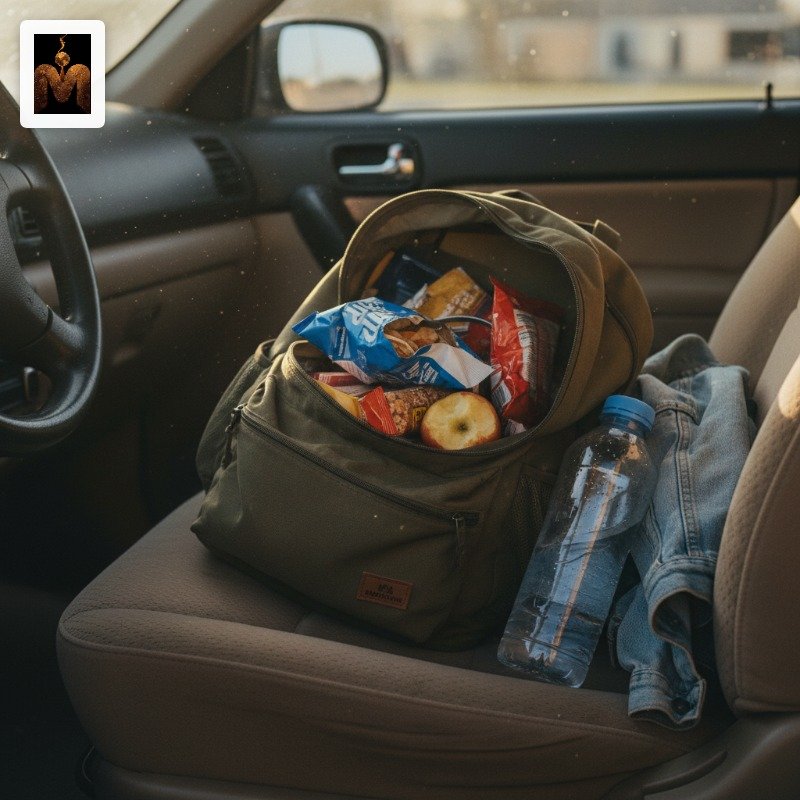
One thing most people forget: a reusable water bottle and some snacks for the car.
Gas station food adds up fast and tastes like regret after the third bag of chips.
Leave the laptop.
Seriously.
If you bring it, you’ll open it.
Don’t give yourself the option.
Caribbean Paradise Unlocked
From pristine beaches to vibrant local culture, discover the Caribbean’s best-kept secrets with my comprehensive travel guide.
- 120+ Hidden Beach Secrets
- Local Cuisine Guide
- Budget Travel Tips
- Island Hopping Routes
How I Handle Lodging Without Losing My Mind
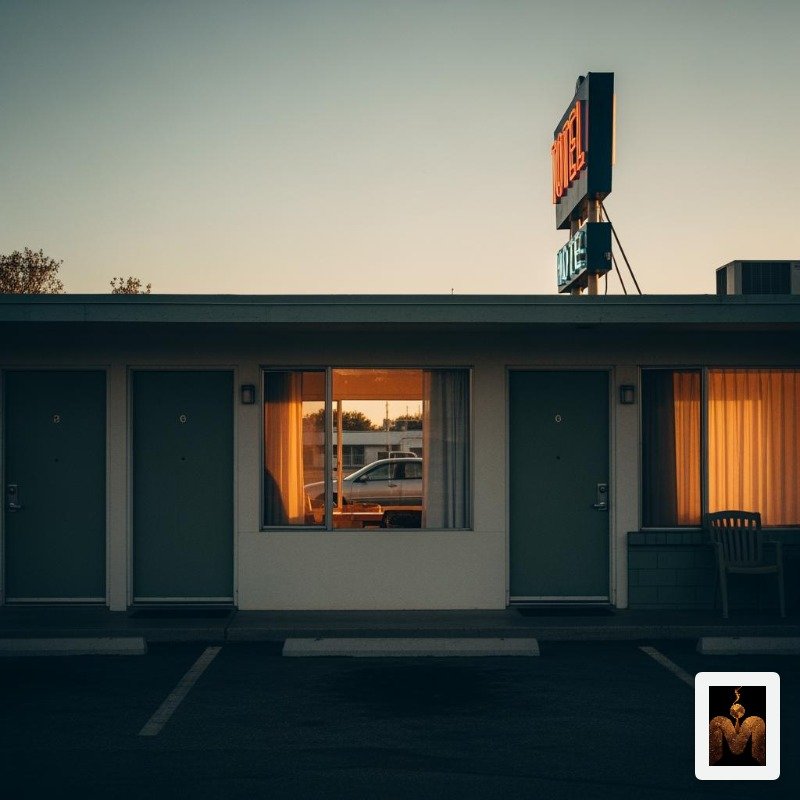
I used to book weeks in advance because I was scared of being stuck.
Then I started booking Thursday night for a Friday departure and realized almost nothing was ever actually full.
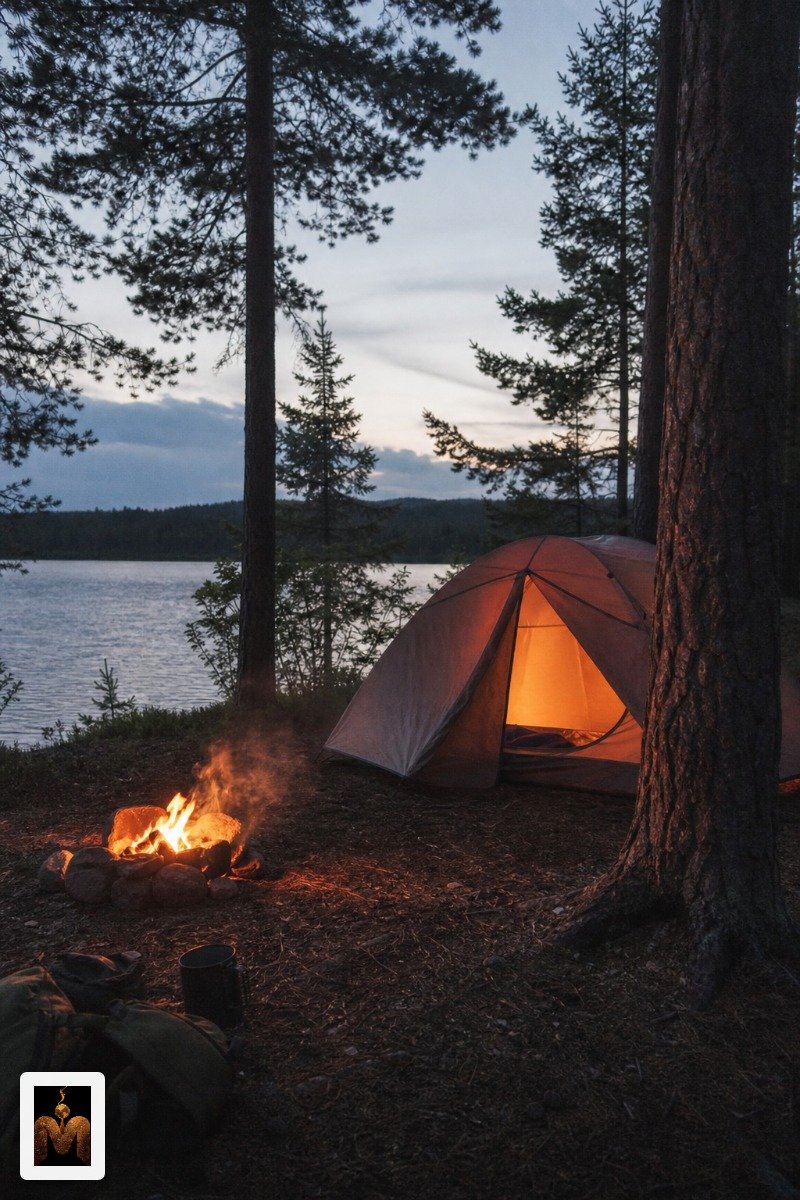
For short weekends, I’ll book one night confirmed and leave the second flexible.
Sometimes I extend.
Sometimes I find a better spot down the road.
Motels get a bad rap.
I genuinely love a good independent motel — the $79-a-night kind with actual character, where the owner lives on the property and tells you which diner to eat at.
That’s more memorable than a chain hotel every time.
Camping is the other option I’d push.
Even a basic campsite for $25 a night changes the whole vibe of a trip.
Waking up outside is different.
It just is.
Eating Well on the Road Without Overthinking It
 Eating Well on the Road Without Overthinking It” />
Don’t plan every meal.
You’ll lock yourself into a schedule that kills spontaneity.
I’ve had some of my best road food because I stopped somewhere random that looked good.
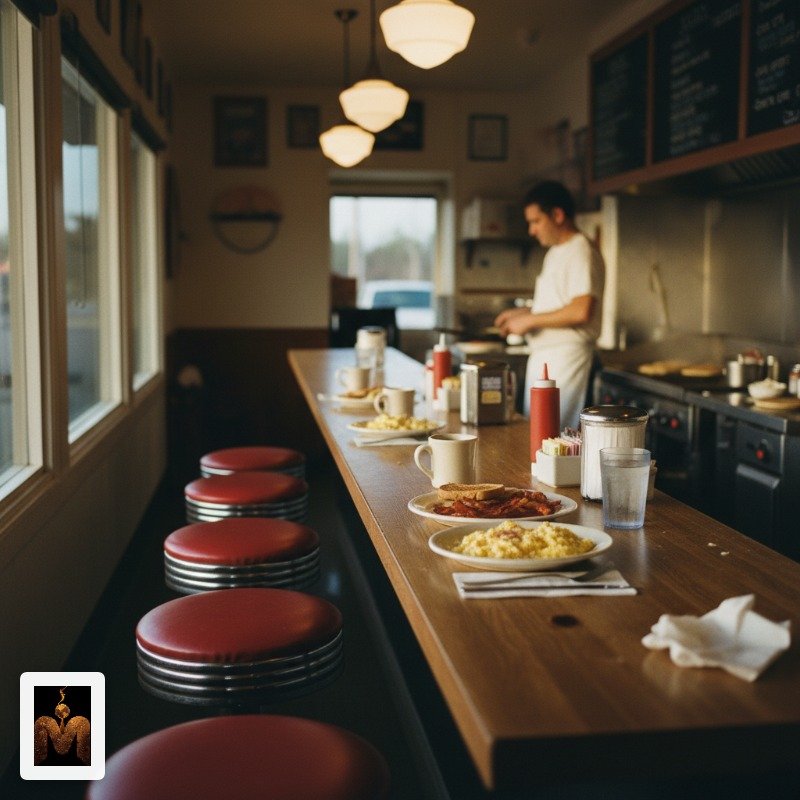
What I do: know your breakfast anchor.
Find the one morning spot near where you’re sleeping the night before — a local diner, a bakery, whatever.
That’s it.
Everything else is instinct.
Gas stations in the South will wreck your food expectations in the best way possible.
A lot of them have hot food that embarrasses actual restaurants.
Buc-ee’s is not an exaggeration.
Neither is a rural Texas stop with a full BBQ counter inside.
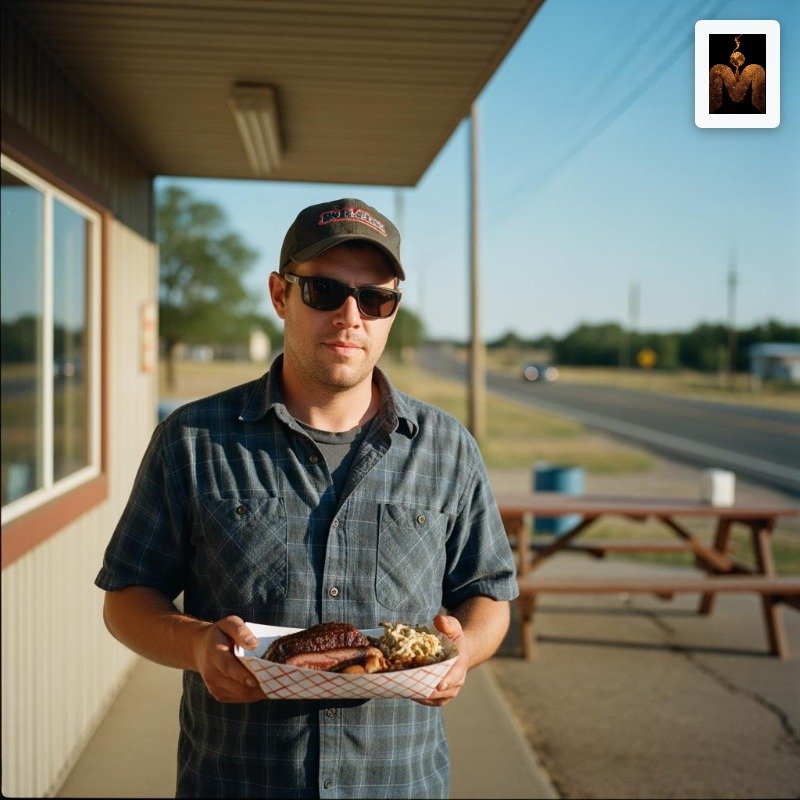
Eat local when you can.
It sounds like a cliche but a $9 plate at a mom-and-pop beats a $22 burger at a tourist-trap bar every single time.
The Offline Navigation Move That’s Saved Me Repeatedly
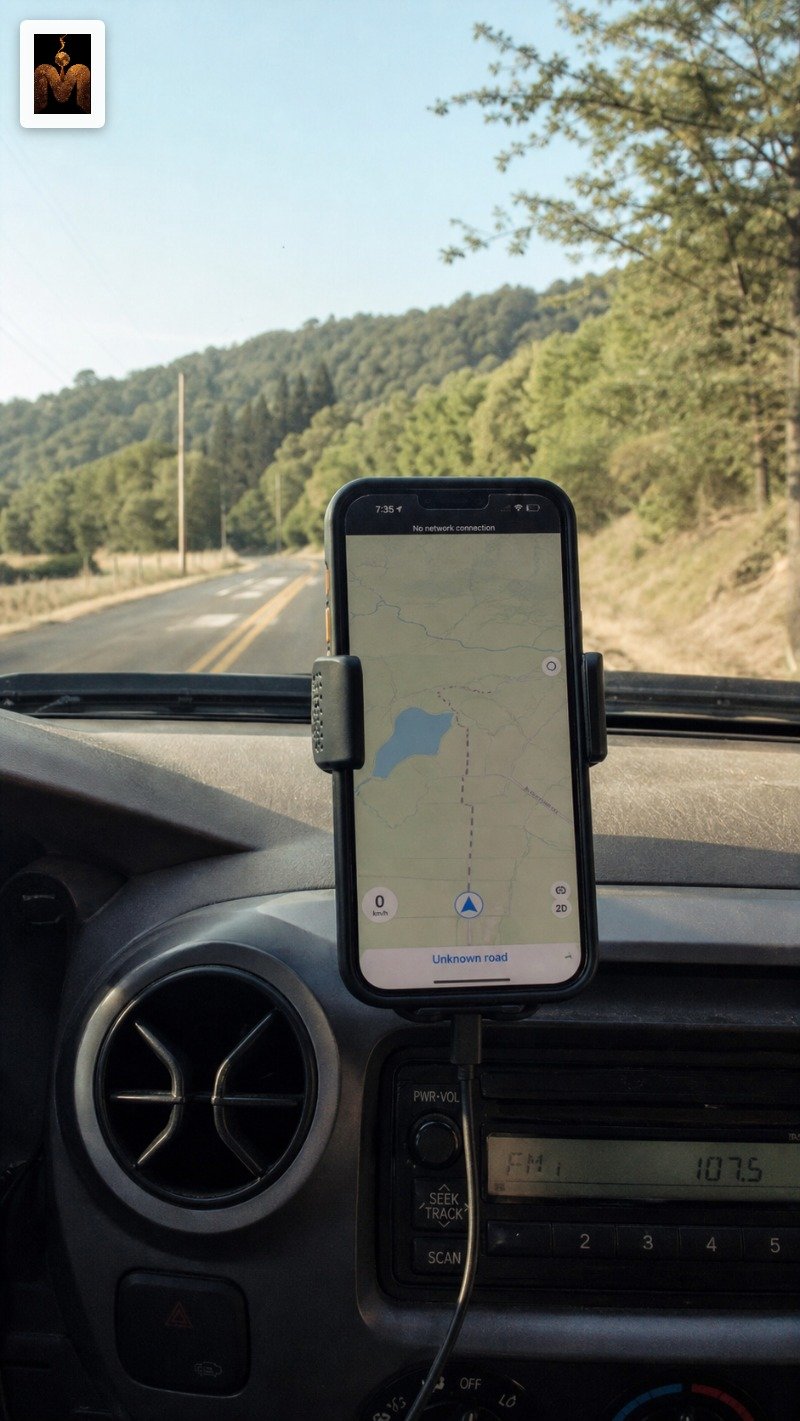
Download your maps offline before you leave.
Both Google Maps and Maps.me let you do this.
I can’t count how many times I’ve driven into a dead zone and been genuinely grateful I’d done this.
Also download any state park or trail maps you need.
The AllTrails app has offline mode.
Use it.
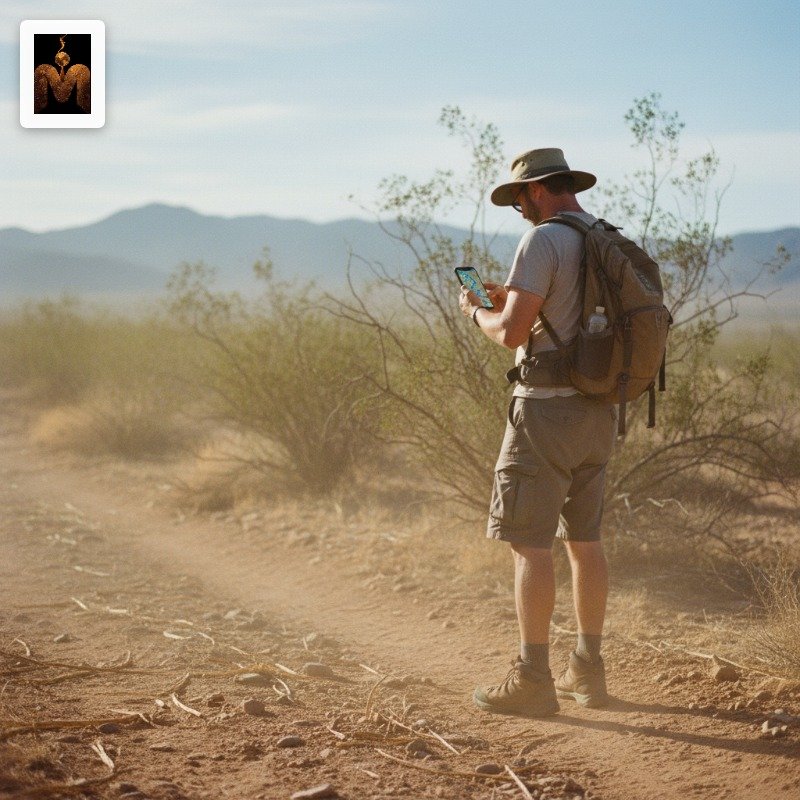
I made the mistake once of relying fully on live GPS in rural Utah.
Took me forty minutes of backtracking to find the right dirt road.
Not the fun kind of adventure.
Ten minutes of prep on your couch Thursday night saves you a lot of frustration Saturday morning.
Your Ultimate Caribbean Adventure Awaits!
Discover hidden coves, secret beaches, and the best rum punches in the islands. Your insider’s guide to Caribbean paradise.
Get Your Guide Now$15.99Building In White Space So It Doesn’t Feel Like a Sprint
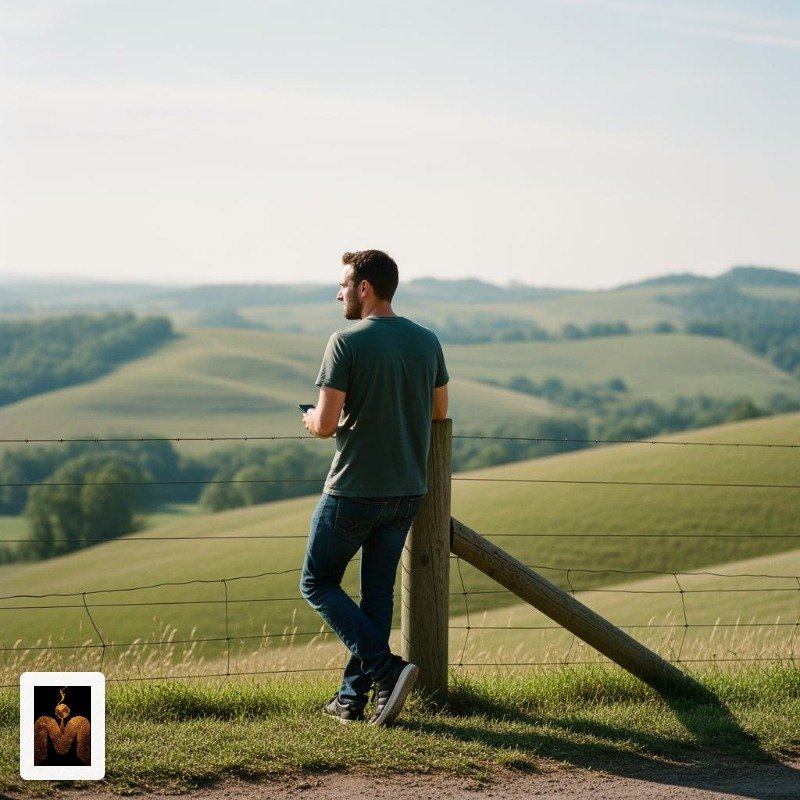
Every trip I’ve loved had unscheduled hours in it.
Not by accident — by design.
A couple of empty blocks where I had no plan and no pressure.
That’s usually when the best stuff happens.
The weird antique shop you stop at for no reason.
The overlook you didn’t know existed.
The conversation with some guy at a gas station who tells you about a lake that’s not on any map.
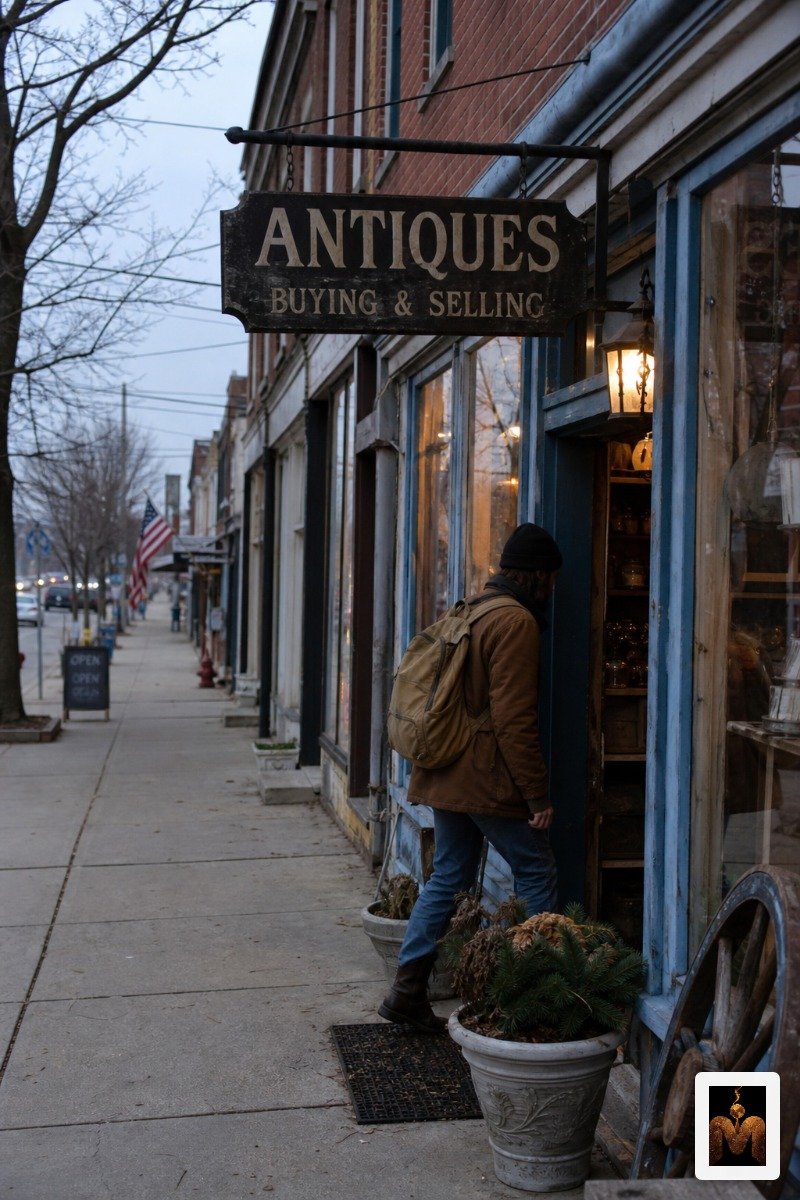
If every hour has a plan, you’re not traveling.
You’re executing a spreadsheet.
I aim for maybe sixty to seventy percent of the trip planned.
The rest is on purpose empty.
My Budget Formula for a Tight-but-Real Weekend
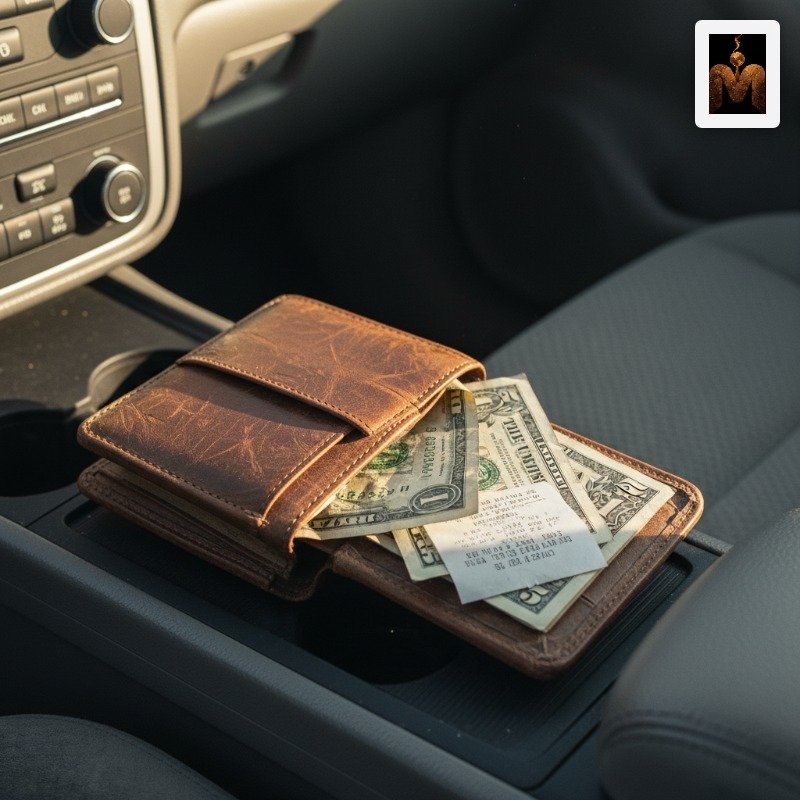
You can genuinely do a solid 48-hour trip for under $200 if you’re not trying to impress anyone.
I’ve done it plenty of times and had great weekends.
Rough breakdown that works for me: $50 for gas, $60 for one night of lodging (motel or campsite), $60 for food over two days, $30 buffer for any random entry fees or impulse stops.
That’s $200 flat.
Where people blow it: booking a hotel on Expedia without checking the motel down the street, eating at places with laminated menus four pages long, buying stuff in gift shops (I’m not immune to this, by the way).
Budget trips aren’t about sacrifice.
They’re about choosing what actually matters to you.
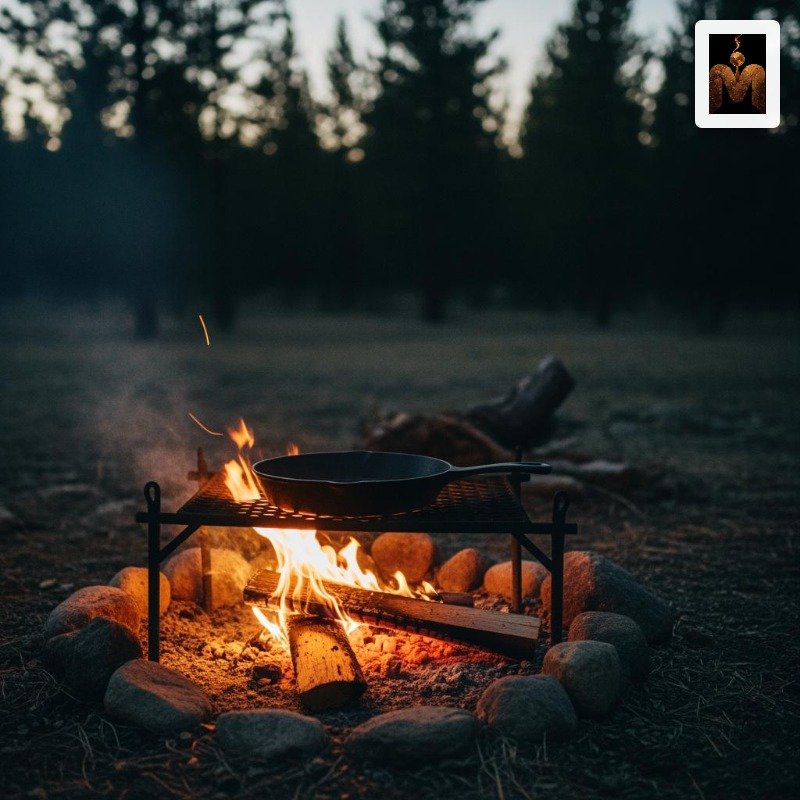
Solo vs. With Someone: How It Changes Everything
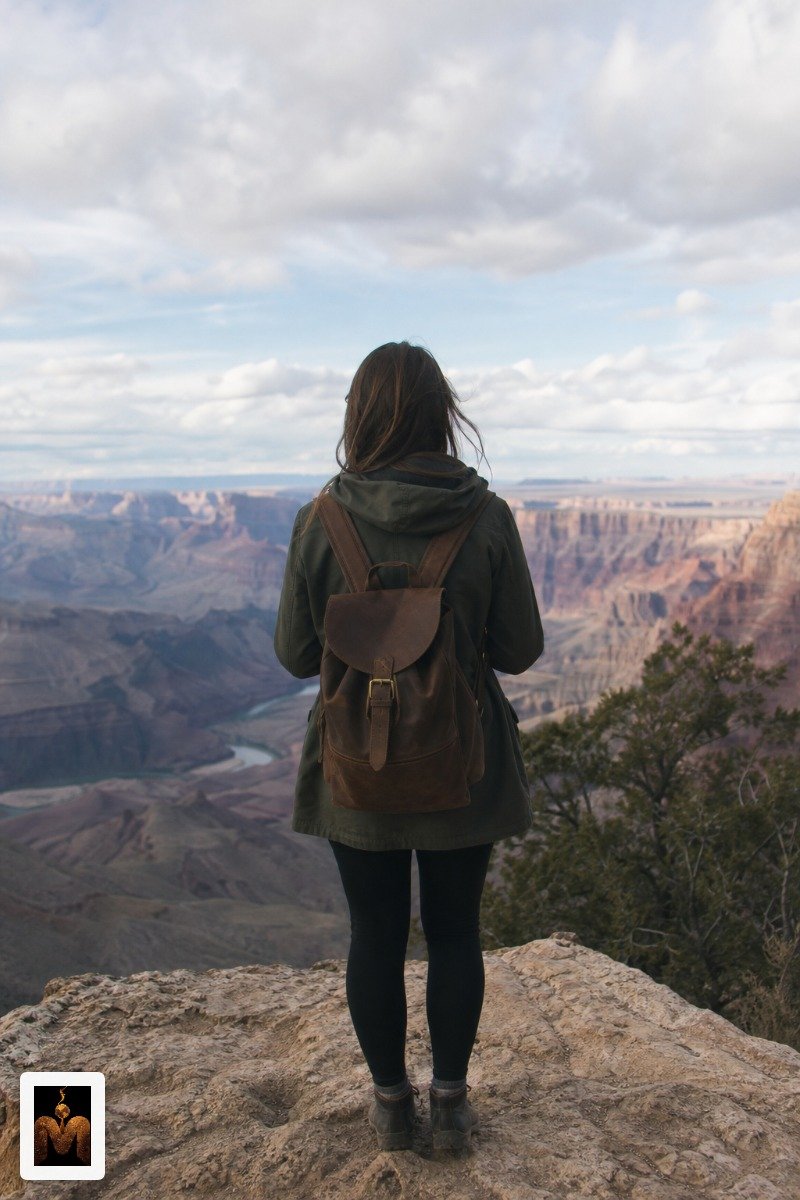
Solo trips move at your speed.
Full stop.
You eat when you want, stop when you want, turn around when something looks interesting.
There’s something genuinely freeing about it that I didn’t appreciate until I tried it.
But going with the right person doubles the whole experience.
Key word: right.
Someone who doesn’t need a plan for every hour and doesn’t complain about the motel pillows.
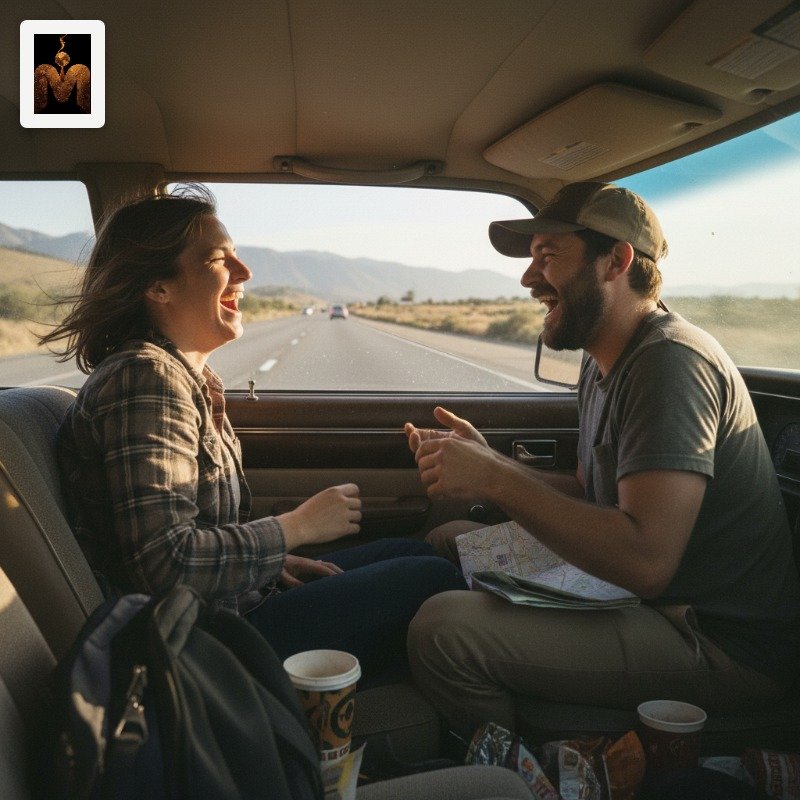
Going with the wrong person on a 48-hour trip is brutal.
You’re in a car together for hours.
There’s nowhere to escape.
I’ve learned to be selective.
If you’re going with someone, have one quick conversation upfront about pacing.
Do they want full days or slow mornings?
Just that one conversation prevents most friction.
Caribbean Paradise Unlocked
From pristine beaches to vibrant local culture, discover the Caribbean’s best-kept secrets with my comprehensive travel guide.
- 120+ Hidden Beach Secrets
- Local Cuisine Guide
- Budget Travel Tips
- Island Hopping Routes
The Return Drive Mindset (Don’t Waste It)
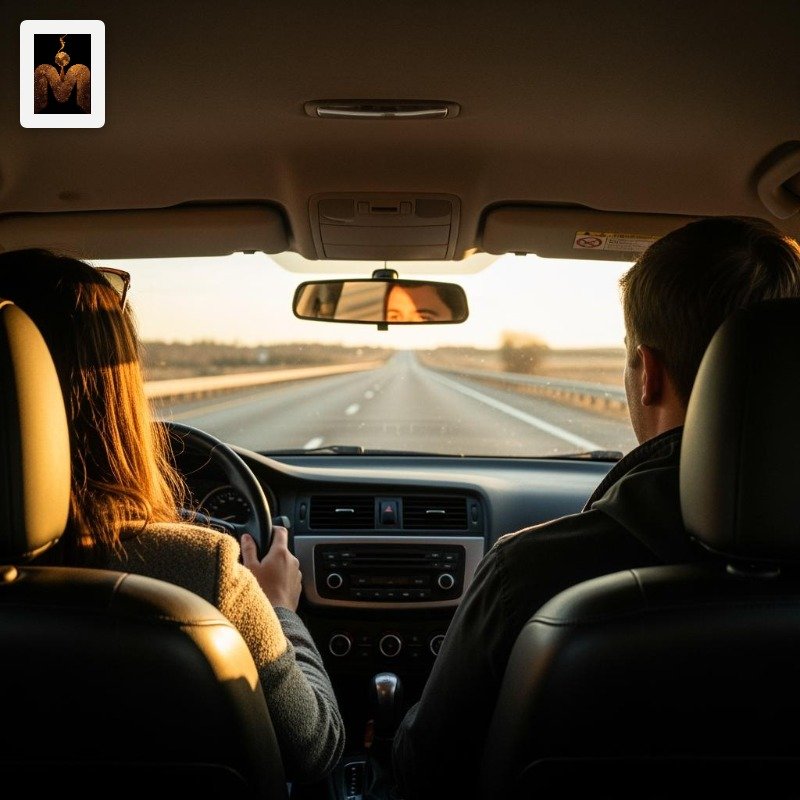
Most people treat the drive home like a chore.
I started treating it like the last part of the trip and it changed everything.
Take a different route back.
Even just slightly different.
You’ll see stuff you missed and it keeps the return from feeling like a retreat.
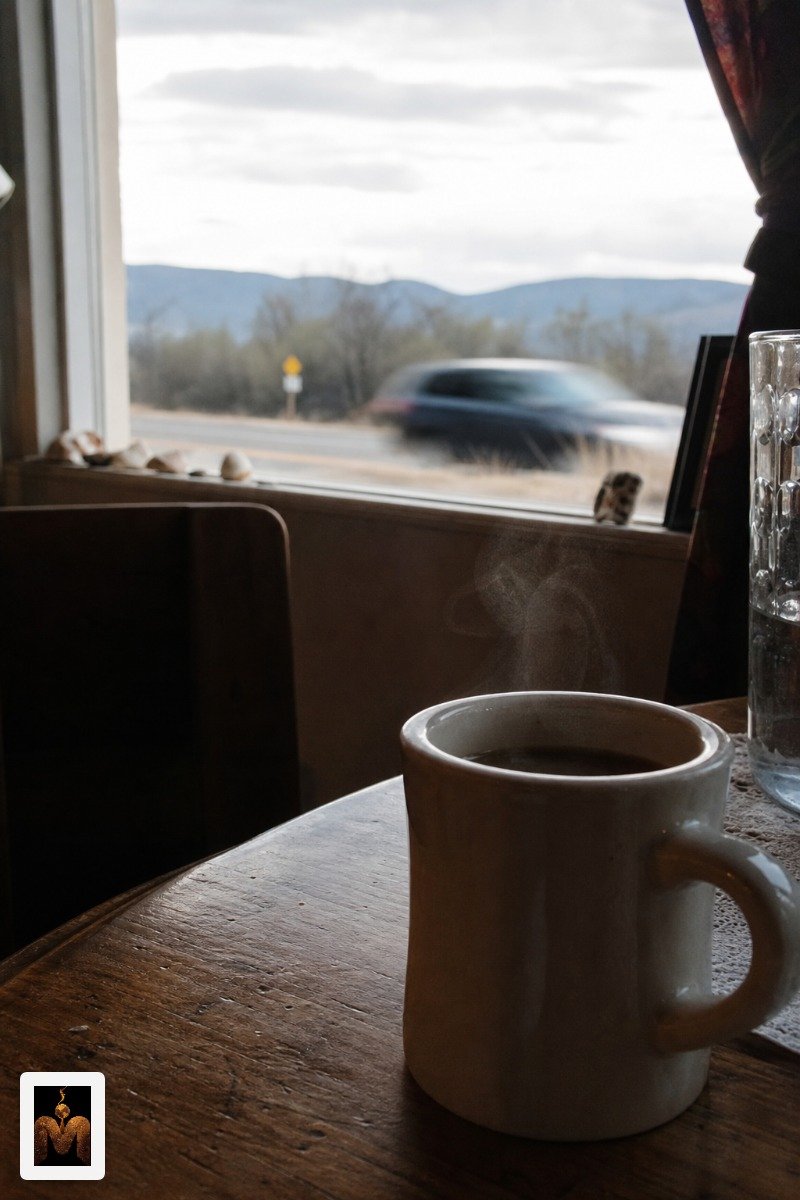
I usually stop somewhere on the way home for one last good coffee or one last small thing.
It gives the trip a proper landing instead of just slamming back into regular life.
Also: don’t look at your email until you’re actually parked in your driveway.
Not in a rest stop.
Not at a red light.
Protect those last miles.
How to Make the Next One Even Easier to Launch

Right after I get home from a trip — sometimes still in the car in the driveway — I make a quick note on my phone.
What worked, what I’d skip, one spot I want to go back to.
Takes three minutes.
And it means the next trip starts with a running start instead of from zero.
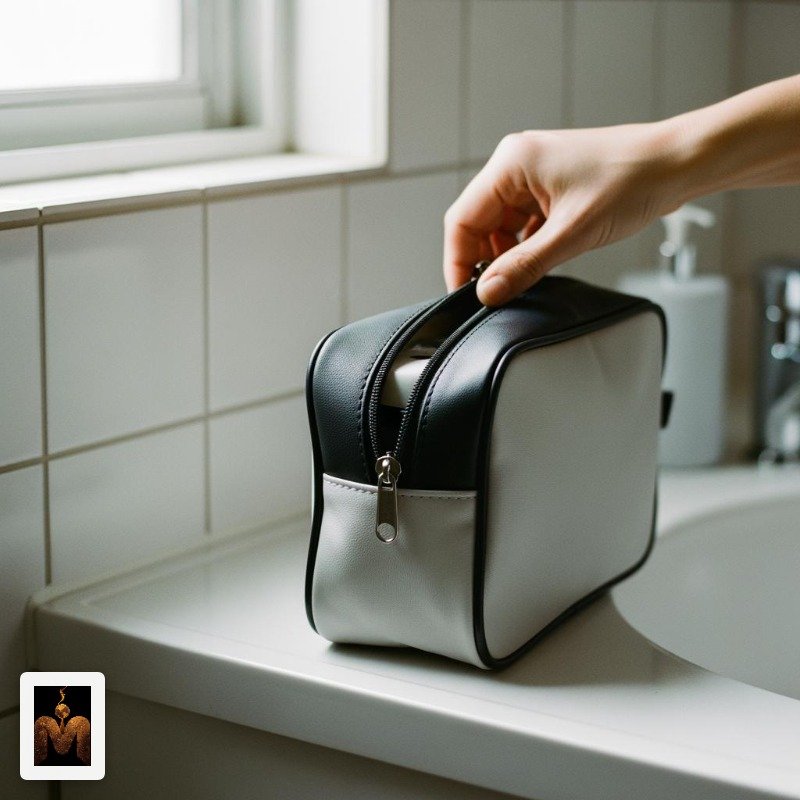
I also restock my travel bag the night I get home.
Refill the toiletry kit, wash the clothes, put it back by the door.
That way when the next Friday rolls around and the itch hits, I’m already mostly packed.
The trips that are easiest to do are the ones you’ve lowered all the friction for.
Future you will thank past you.
Every single time.