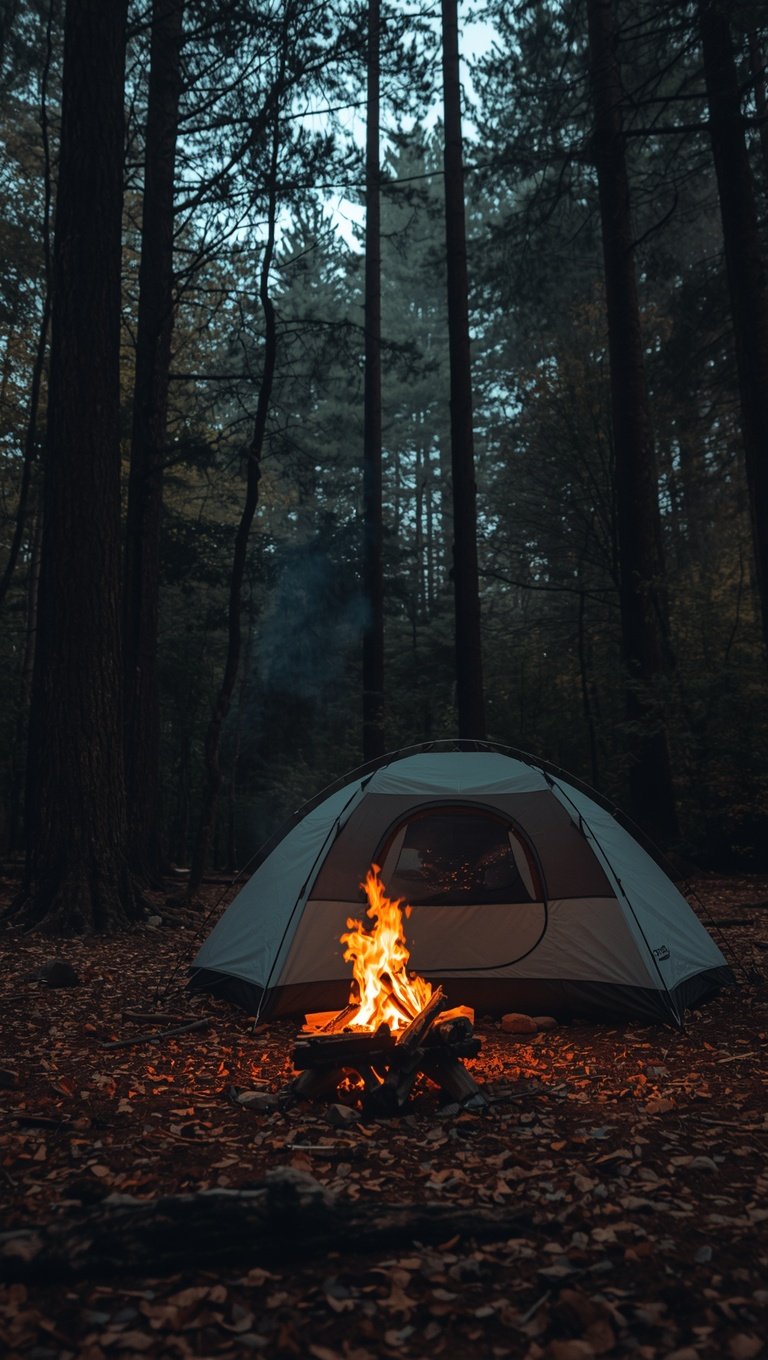

I once showed up to a campsite with four pairs of shoes, a full-size pillow, and zero matches.
Not one match.
I had packed everything that felt important from the comfort of my living room, and somehow missed the thing that would actually keep me warm.
That trip — cold, slightly soggy, eating sad granola bars — was the reset I needed.
Because after that, I got serious about learning what actually belongs in a pack and what is just anxiety in physical form.
And honestly?
Camping got so much better.
So this is my real list, built from actual mistakes and genuinely good trips since then.
The Sleep System Is Everything

I cannot stress this enough.
If you sleep badly in the backcountry, nothing else matters.
Not the view, not the food, not the good company.
You will be miserable, and you will go home early.
When I finally invested in a proper sleeping bag — rated for temperatures actually colder than I expected — my whole relationship with camping changed.
It felt like sleeping in a warm hug.
The sleeping pad matters just as much, honestly.
Most beginners skip the pad or grab the thinnest foam option, and then wonder why their hips ache.
An insulated sleeping pad keeps warmth from draining out through the ground, and that is kindda the whole game on cold nights.
My personal pick is an inflatable pad with a decent R-value — something around 4 or higher if you camp in shoulder seasons.
And bring a small, compressible pillow.
I know it feels indulgent.
But sleep quality changes everything about how you experience the next morning.
Your Shelter Situation Needs to Be Dialed In

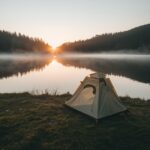
A tent is not just a tent.
There is a huge difference between a tent that keeps you dry and one that lets you wake up in a small indoor lake.
I learned that the hard way during a trip where “light rain” turned into a full overnight downpour.
Look for a double-wall tent — one with a rainfly that actually extends close to the ground.
Single-wall tents are lighter, but the condensation inside can be genuinely brutal.
Also practice setting it up at home first.
I know that sounds obvious, but so many people figure out their tent situation for the first time in the dark, with cold fingers, after a long drive.
Do not be that person.
A small footprint or ground cloth under your tent adds a layer of protection and extends the life of the tent floor.
It is sort of a non-negotiable for me now.
Stakes matter too — the flimsy ones that come with budget tents bend in hard ground almost immediately.
Pick up a few heavy-duty aluminum stakes and thank yourself later.
Fire-Starting Gear Is Not Optional

Remember my matchless disaster?
Right.
So.
Fire-starting.
You need multiple methods, not one.
I carry a lighter, a backup lighter, and a small ferrocerium rod.
It sounds like overkill until you are sitting in damp air at dusk trying to get warmth going.
Fire starters — those little waxy cubes or strips — are genuinely magical.
They catch even when kindling is slightly damp, and they burn long enough to get a real flame established.
I tuck a handful in a small zip-lock bag inside my pack every single time.
If I had to give one piece of fire advice, it would be this: practice building a fire before you actually need one for warmth or cooking.
There is a real skill to it, and wet wood, wind, or poor technique will humble you fast.
Also know the fire rules for wherever you are camping.
Some areas have fire bans, especially in dry seasons, and you will need a camp stove as your fallback plan.
Speaking of which — bring the stove anyway.
🗼 I Wrote a Book About My Japan Travel Catastrophes!
Before I landed in Tokyo, I thought I was the “Final Boss” of international travel. Spoiler alert: I WASN’T. 😅
🚅 I boarded the wrong Shinkansen and ended up in THE WRONG CITY. I confused locals with my “expert” bowing that was more awkward than accurate. I accidentally stumbled into a high-stakes Kendo practice thinking it was a tourist show. Sound like something you’d do?
“Things I Wish I Knew Before Going to Japan” is your shortcut to avoiding ALL my cringe-worthy mistakes. ✨ Inside, you’ll find practical, LIFE-SAVING tips on etiquette, transport, money, and hidden gems that will save you time, money, and a whole lot of confusion.
A Simple Camp Kitchen Setup

You do not need a lot here.
Seriously.
A lightweight backpacking stove, a small fuel canister, and one decent pot will cover most of what you actually want to cook outdoors.
I used to bring way too many “just in case” kitchen items — an extra pan, a spatula, a full set of spices.
Now I pack smarter.
A long spoon, a small cutting board, and a mug that doubles as a bowl is genuinely enough for most trips.
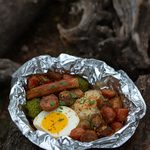
Meals I actually love on the trail: oatmeal in the morning with a little brown sugar, instant ramen upgraded with a boiled egg and some hot sauce packets, and tortillas with peanut butter because they are basically indestructible.
A bear canister or hang bag for food storage is essential depending on where you camp.
Even if bears are not a concern, keeping food sealed and away from your sleeping area keeps critters out of your tent at 3am.
And please, bring biodegradable soap.
It matters more than people think.
Layers Are Your Best Friends

Forget packing outfits.
Turn this into a checklist you can print with the free packing list generator.
Think in layers instead.
This completely shifted how I pack clothes for camping, and it makes everything lighter and more functional.
A moisture-wicking base layer keeps sweat off your skin.
A mid-layer — fleece or a light puffy jacket — holds warmth.
An outer shell blocks wind and rain.
Three layers.
That is genuinely all you need for most three-season camping.
The mistake I see over and over is people packing thick cotton hoodies and jeans.
Cotton holds moisture, gets heavy when wet, and dries incredibly slowly.
On a cold night, wet cotton against your skin is miserable in a way that feels almost personal.
Wool and synthetic fabrics are your friends here.
Merino wool especially — it is soft, it regulates temperature beautifully, and it does not get funky as fast as synthetics.
I wear the same merino base layer for multiple days without feeling gross, and that still sort of amazes me.
Pack one extra pair of socks per day, minimum.
Warm, dry feet change your entire mood on a hard hiking day.
Footwear That Actually Works

This is not the place to experiment with brand-new boots.
I made that mistake once — pristine new hiking boots, zero break-in time, a five-mile day one hike.
By mile three my heels were destroyed.
Break in your footwear before any significant trip.
Wear your hiking boots around the house, on errands, on short local walks for a few weeks before you trust them with a real adventure.
Trail runners have become my personal favorite for most camping trips.
They are lighter than traditional boots, dry faster when they get wet, and honestly provide enough support for most non-technical terrain.
Camp sandals or slip-on shoes are worth their small weight in gold.
Giving your feet something different to wear around camp at the end of a hiking day is one of those small luxuries that feels enormous.
And waterproof socks are a real thing that exists and I am a little obsessed with them for wet, shoulder-season trips.
Navigation Tools You Can Actually Use

Your phone is not a navigation plan.
It is a backup, maybe.
But batteries die, screens crack, and service disappears exactly when you need it most.
I carry a paper map of wherever I am going and a compass.
And I have actually practiced using them, which is the important part.
There is something quietly reassuring about knowing you can find your way without any battery or signal.
A GPS device is a genuinely great investment if you camp or hike regularly.
It does not replace map skills, but it adds a solid layer of confidence.
Download offline maps on your phone before you leave anyway — apps that allow offline use are incredibly useful even when you also have a physical map.
Tell someone your itinerary before you leave.
Trailhead, campsite location, expected return date.
This costs you nothing and matters enormously if something goes wrong.
It is sort of the unsexy but important stuff that experienced campers never skip.
The First Aid Kit You Will Actually Use

Most camping first aid kits come loaded with things you will never touch.
And they are missing things you genuinely need.
Here is what I actually use: blister treatment, antiseptic wipes, bandages in multiple sizes, pain relief medication, an elastic bandage for sprains, and tweezers for splinters and ticks.
Moleskin for hotspots and blisters is non-negotiable.
The moment you feel a hot spot developing on your foot, stop and treat it before it becomes a full blister.
Prevention is so much easier than management.
I also carry a small tick removal tool, especially for wooded areas.
If you take any prescription medication, bring more than you think you need.
Losing a day’s worth in a water crossing or overstaying due to weather happens more than you would expect.
A basic wilderness first aid course is worth taking if you camp frequently.
Even one weekend class gives you a level of confidence and competence that genuinely changes how safe and calm you feel out there.
Lighting That Makes Camp Feel Cozy

There is something so warm and wonderful about good light in a campsite at night.
A headlamp is essential — hands-free, practical, and completely irreplaceable when you need to navigate to the bathroom at 2am or cook in the dark.
Bring fresh batteries or a charged, rechargeable version.
A small lantern for the tent or picnic table creates that soft, cozy glow that makes camp feel less like survival and more like… a good time, you know?
I am a big fan of the warm-toned LED lanterns over the cold white ones.
The warm light just makes everything feel more inviting.
String lights are a personal extra I sometimes bring car camping — completely unnecessary, and sort of wonderful anyway.
A small candle lantern with citronella function can double as ambiance and mild bug deterrent.
Not a primary insect solution, but a nice layer.
Red-mode on your headlamp preserves night vision and is genuinely useful when you are trying not to blind your campmates.
Learn to use it and you will feel like a real outdoors person.
🗼 I Wrote a Book About My Japan Travel Catastrophes!
Before I landed in Tokyo, I thought I was the “Final Boss” of international travel. Spoiler alert: I WASN’T. 😅
🚅 I boarded the wrong Shinkansen and ended up in THE WRONG CITY. I confused locals with my “expert” bowing that was more awkward than accurate. I accidentally stumbled into a high-stakes Kendo practice thinking it was a tourist show. Sound like something you’d do?
“Things I Wish I Knew Before Going to Japan” is your shortcut to avoiding ALL my cringe-worthy mistakes. ✨ Inside, you’ll find practical, LIFE-SAVING tips on etiquette, transport, money, and hidden gems that will save you time, money, and a whole lot of confusion.
Hydration and Water Treatment

Dehydration on the trail sneaks up on you quietly and then hits hard.
Carry more water than you think you need for any hike away from camp.
For camp itself, a water filter or purification system is essential if you are near a natural water source.
A squeeze filter is lightweight and incredibly reliable.
Purification tablets are a great backup — small, weightless, and they work.
I carry both, just because water is sort of a non-negotiable survival situation.
A 32-ounce wide-mouth bottle is my personal preference.
Easy to fill from streams, easy to use with filters, and durable enough to handle being knocked around.
Electrolyte packets are something I started adding to my kit and genuinely love now.
After a hot, sweaty hiking day, just water sometimes is not enough to make you feel right again.
The packets are weightless and they genuinely help recovery.
Drink before you feel thirsty — by the time thirst kicks in, you are already mildly dehydrated.
What You Can Leave at Home

Okay.
Here is where I get to save you from your own good intentions.
Leave the full-size toiletry bottles at home.
Transfer everything into small travel containers or buy travel sizes.
Leave the camp chair that weighs more than your tent.
There are lightweight, packable options that fold down to nothing — those are worth it.
Leave duplicate tools.
You do not need three different knives.
One solid, fixed-blade knife or a good multi-tool covers almost everything you will encounter.
Leave the camp games you never actually play.
I have dragged a bocce ball set to campsites twice and touched it zero times.
Leave the “nice” clothes.
Nobody cares and they just take up space.
Leave the giant cast iron skillet for car camping only — and even then, really think about whether you will use it.
And please, leave the excessive number of “just in case” items that you are packing from anxiety rather than actual need.
Trust your gear.
Travel light.
You will thank yourself at every single trailhead.
Small Things That Make a Surprisingly Big Difference

This is my favorite section because these are the little things nobody tells you about and you only discover after enough trips.
A small microfiber towel dries fast and takes up almost no space.
Duct tape wrapped around a water bottle — not a full roll, just a meter or so — has saved me on multiple trips.
A stuff sack filled with tomorrow’s clothes makes a surprisingly decent camp pillow in a pinch.
Trekking poles are underrated for knee health on descents and genuinely useful as tent guyline anchors.
A garbage bag inside your pack liner protects everything if your rain cover fails.
Wet wipes for a quick “shower” situation — complete game ch— okay I almost said that.
You know what I mean.
They are essential.
Lip balm with SPF because chapped lips at altitude are no joke.
Hand warmers tucked into your sleeping bag on cold nights feel like a small miracle.
A journal and one good pen, if that is your thing.
There is something about writing outside that feels completely different than writing anywhere else.
The Mindset Shift That Changes Every Trip

The best camping trips I have ever had were not the ones with the best gear.
They were the ones where I stopped trying to recreate home in the woods.
Camping is sort of uncomfortable by design, and the magic is in leaning into that instead of fighting it.
When I stopped treating every inconvenience as a problem to solve and started treating it as part of the texture of the experience, everything got better.
The rain became cozy instead of annoying.
The simple food tasted incredible.
The darkness felt peaceful instead of isolating.
Good gear helps you stay safe, warm, and functional.
But the trips that stay with you forever are the ones where you were fully present — not distracted, not scrolling, not wishing for a better mattress.
Pack smart.
Travel light.
And give yourself permission to just be out there.
That is honestly the only essential that always, always makes the list.