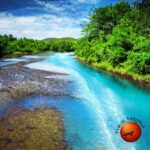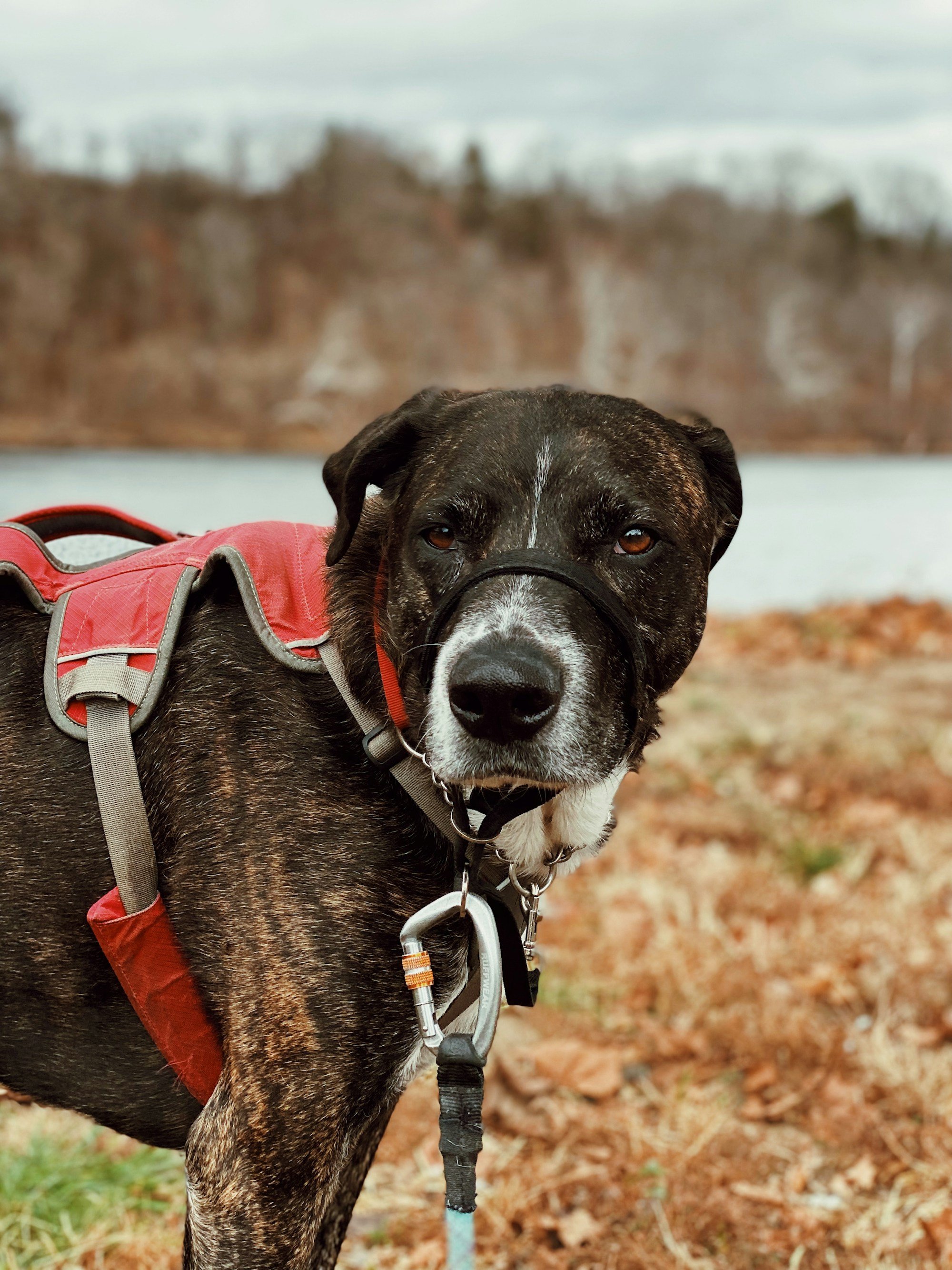

Most lists of dog-friendly springs in Florida get the one thing a dog owner needs wrong.
Of the 17 Florida parks and springs in this post, exactly one says your dog may go in the water, and only to wade.
My standing complaint about “hidden gem” lists is that most of them describe a place with a two-hour queue.
Dog versions are worse, honestly.
They guess at the rules, and the guess is usually “sure, bring him.”
So the rules here come from each park’s own page.
For a state park, that’s the Experiences & Amenities page on floridastateparks.org, where most parks spell out their pet rules in a short section of their own.
Two statewide rules shape everything else.
Pets are allowed in designated areas only, and where they’re allowed, they stay on a hand-held leash no longer than six feet.
It’s the second list that sinks most swim plans.
Florida State Parks doesn’t allow pets on beaches, boardwalks or playgrounds, or in bathing areas, cabins, park buildings or concession facilities.
Read that list with a spring in mind.
A swim area is a bathing area.
And at several of these parks, the walk out to the spring is a boardwalk.
That’s the trip most of us picture, and it’s the part your dog sits out.
Only one park broke the pattern: Manatee Springs State Park.
Leashed dogs can wade into the spring run at the canoe launch.
It’s wading, not swimming, but it’s the only spot like it on this list.
A few places don’t allow pets at all.
Ginnie Springs never permits them, Florida State Parks lists Weeki Wachee and Homosassa Springs among the exceptions to its pet policy, and Three Sisters Springs takes service animals only.
Camping is a better bet than swimming.
Several of these parks take pets in the campground, and two Ocala National Forest springs (Juniper and Alexander) allow dogs in the campground and nowhere else.
Then there’s the paperwork.
Blue Spring and Rainbow Springs now take day visitors by reservation only, so make sure your day is booked before you load the car.
Below, I’ve sorted the parks by what your dog can actually do: wade, walk a leashed trail, stay at camp, or nothing at all.
That’s where the line sits at each one.
At the end I answer the other dog questions people search for, about springs from Arkansas to Texas.
Several of them aren’t in Florida at all.
One last thing before the list.
Rules change, and Florida State Parks itself tells you to contact the park directly for the latest.
I’d call the morning you go if anything on the page reads unclear to you.
Are There Any Springs in Florida Where Dogs Can Swim?

Not really, if you mean a real swim.
The closest thing is Manatee Springs, where a leashed dog can wade into the spring run at the canoe launch.
Everywhere else, the rules keep dogs on dry land.
Some parks say so outright.
Rainbow keeps dogs out of the headsprings and the swim areas, plus the river and its ponds, and Ichetucknee bars pets, and even service animals, from the water anywhere in the park.
Everyone else leans on the state’s rule against pets in bathing areas.
If you want to see which springs are near you before you pick one, our natural springs finder lists the closest ones to your town, with the entry fee and any closure.
Then open that park’s pet section and see what your dog can do there.
Heat is the other reason I’d keep a dog day short.
Florida State Parks reminds pet owners that the weather here can bring high temperatures, even in the winter, and asks you to keep your pet cool.
And watch the water’s edge.
Recreation.gov’s notice for the Alexander Springs campground puts it plainly: alligators inhabit the area, so use caution with pets.
Ichetucknee adds that alligators sometimes visit its swim areas, drawn to certain animals, such as dogs.
16 “Hidden” Florida Springs and What Each One Lets Your Dog Do

Fair warning: none of these springs are hidden.
Two of them now need a reservation just to get you through the gate.
I’ve grouped them by what your dog can do.
Manatee Springs comes first, since it’s the only one with water access.
Next come ten parks where a leashed dog is welcome on land but stays out of the water.
After those comes Juniper Springs, where dogs can stay in the campground and nowhere else.
My list ends with four places your dog can’t visit at all.
Every rule below comes from the park’s own page, mostly in its own words.
Where a page doesn’t say something, that’s noted too.
1. Manatee Springs State Park: The One Where Your Dog Can Wade

This is the only park on my list that says yes to dog paws in spring water.
Pets on a leash, controlled by their owners, can wade into the spring run at the canoe launch.
That’s the whole water allowance, though.
Dogs aren’t permitted in the swimming area or in buildings, they stay on a 6-foot leash at all times, and they can’t be left alone for more than 30 minutes.
Boardwalks are out too (all of them).
Dogs meeting in such close quarters on a boardwalk can lead to problems, the park says, so pets are restricted from every one.
Camping works.
Pets are allowed in the campground on a six-foot leash, under your control, though they’re not allowed in the youth group camping area.
2. Silver Springs State Park: Trails and Picnics, No Boat
Silver Springs welcomes well-behaved pets in its campground and picnic area and on its hiking trails.
Leashes are required at all times, and you’re expected to clean up after your dog.
So the famous part is off the table.
Pets aren’t permitted on the glass-bottom boats or in any building, and the park’s list of buildings runs from the cabins and the museum to the restrooms and the restaurant.
Cabin stays are out as well.
Pets can come camping, but they aren’t allowed in the cabins or anywhere in the cabin area.
Short version: walk, picnic, camp.
So it’s a good walking day and a poor boat day.
I’d walk the trails with the dog and save the glass-bottom boat for a trip without one.
3. De Leon Springs State Park: Welcome on a Short Leash

De Leon Springs says pets are welcome.
They have to be on a hand-held, 6-foot leash at all times, and you can’t leave them unattended.
Its page calls out one spot by name: the sunbathing area, where pets aren’t allowed.
And the state’s rule against pets in bathing areas takes care of the swim area too.
Birders get pointed to the Nature Trail and the Wild Persimmon Hiking Trail, and the page says wading birds are almost always on Spring Garden Run.
Breakfast is the catch.
Its Old Sugar Mill Pancake House is a restaurant, and pets don’t go in park buildings or concession facilities, so I’d plan on a picnic with the dog instead.
4. Wakulla Springs State Park: Day-Use Areas Only

Edward Ball Wakulla Springs State Park allows domestic pets in its designated day-use areas, on a handheld leash six feet or shorter.
They have to be well behaved at all times.
Its page lists where they can’t go: beaches and playgrounds, bathing areas, cabins, park buildings and concession facilities.
Swimming here happens only in the designated area near the spring, so the dog sits that part out.
For birders, the river boat tours are the big draw (anhingas and grebes are on the park’s list).
Nothing on the page says whether pets can ride, so I’d ask before you count on it.
Pick up after your dog, too.
Owners have to clean up the droppings and put them in the trash.
5. Wekiwa Springs State Park: Trails and Camp, Not the Spring

Wekiwa Springs has a pets section of its own, and it’s friendlier than most.
You can walk your dog along the trails and in the use areas, and well-behaved pets are allowed in the campground.
The leash is hand-held and 6 feet long at all times.
The one place a pet can’t go is the swimming area, and the spring people come to snorkel in, which stays 72° year-round, is exactly that.
So bring the dog to walk and camp, not to swim.
If anyone in your group wants to swim, someone stays with the dog, because Wekiwa’s page says pets may not be left unattended.
6. Rainbow Springs State Park: Leash On, Paws Dry
Spend the afternoon tubing the Rainbow River, past river otters and wading birds.
Tubes start from the park’s separate tubing entrance on S.W. 180th Avenue Road, since they aren’t allowed at the headsprings.
Your dog can’t come in the water with you, though.
Rainbow Springs welcomes well-behaved dogs on a 6-foot leash but keeps them out of the headsprings, the swim areas, the river and the ponds.
And the park has taken day visitors by reservation only since April 29, 2026, so get that booked first.
Camping is friendlier.
Pets are welcome in the campground, though not in swimming areas or buildings.
So with a dog, Rainbow comes down to a leashed walk and a campsite, and that’s pretty much it.
Leave the river to the people.
7. Fanning Springs State Park: On Leash, Out of the Swim Area
Fanning Springs welcomes well-behaved dogs, on a six-foot leash at all times.
You can’t leave them unattended.
Dogs aren’t permitted in the cabins or the cabin area, in buildings or in the swimming areas.
Fanning sits on the Suwannee River.
Its page describes a nature trail about 0.75 miles long, past sinkholes formed when underground caverns collapsed.
There’s a wayside picnic area overlooking the river, too.
For a dog day, that’s my plan here: a leashed walk, lunch by the water, no swim.
8. Troy Spring State Park: Not in the Spring
Troy Spring welcomes well-behaved dogs on a 6-foot handheld leash at all times.
They can’t be left unattended for more than 30 minutes.
Dogs aren’t permitted in the spring or in buildings.
That’s a bit tough on the dog, because the spring is the whole show here.
It’s 70 feet deep, and the park sits between mile markers 82 and 83 on the Suwannee River.
If you came to snorkel or dive, plan for one person to stay up top with the dog.
9. Ichetucknee Springs State Park: Three Trails, No Water

Ichetucknee is strict, and it’s clear about it.
Pets and service animals aren’t permitted to enter the water anywhere within the park.
Dogs get three trails: Trestle Point and Pine Ridge at the north end, and the Discovery Trail behind the visitor center at the south end.
They’re also welcome in the picnic areas and the visitor center, as long as someone’s attending to them at all times.
Pets aren’t allowed on trails that lead to launches and swimming areas, and tubing with the dog is out too, since pets aren’t allowed in your vessel while you’re in the park.
So that’s three trails and a picnic table, and nothing wet.
If your group wants to float the river, the dog needs a sitter that day.
Going anyway?
We’ve written about the animals you might spot in the crystal-clear waters of Ichetucknee Springs.
10. Blue Spring State Park: The Camping Area, Not the Water

From April 1 to November 14 you can tube the crystal clear spring run, though the float itself is short, about an eighth of a mile.
The rest of the year the run closes to all water activities for manatee season.
Either way, your dog stays dry.
Blue Spring bans pets on the water, service animals included.
Honestly, this one is more of a people spring.
Florida State Parks keeps pets off boardwalks and out of bathing areas, and at Blue Spring that means the manatee boardwalk and the swim area.
Where dogs are allowed, it’s a hand-held leash no longer than six feet.
Book a day-use reservation before you go, too.
The park has required one of every day visitor since July 15, 2026.
Pets are welcome in the camping area, but not in the cabins.
Torn between Blue Spring and Ginnie for a swim day?
We put the two side by side in Blue Springs vs. Ginnie Springs.
Neither one is a dog swim.
11. Alafia River State Park: Not a Spring, but Good Dog Trails

Alafia isn’t a spring park, but I think it’s the friendliest place on this list for a dog that just wants to walk.
Pets are welcome on all hiking trails, including the multiuse trail, Turtle Two Track.
They have to be confined, leashed or otherwise under someone’s physical control at all times.
Bike trails are the exception.
Pets aren’t allowed on them, and the park repeats that rule more than once on its page.
There’s no swim to miss here, so it’s simply a trail day.
I’d go early and carry water for both of you.
12. Juniper Springs Recreation Area: Campground Only
Juniper Springs is in Ocala National Forest, so the Forest Service sets the rules, not the state.
Pets aren’t allowed in the day-use area.
Recreation.gov’s notice for the campground is blunt.
Dogs are allowed in the campground only.
They must be leashed and supervised at all times, and they can’t go in the day-use area, bathrooms, boardwalk or canoe run.
Swimming and the paddle down Juniper Run are off the table for the dog.
So camp with your dog, and that’s it.
Turns out the woods along the spring run are home to otters and albino gray squirrels, among others, according to the Forest Service.
I’d keep the leash short.
13. Ginnie Springs: No Pets, Campground Included

Ginnie Springs is private property with its own rules, and pets come first on its list of items that are never permitted.
Its camping page says the same thing in two words: no pets.
So the dog stays home.
That’s genuinely the clearest rule in this whole post, and I wish more places wrote theirs that plainly.
14. Homosassa Springs: No Pets, but Free Kennels

Ellie Schiller Homosassa Springs Wildlife State Park doesn’t allow pets, because of its captive wildlife.
It does something I wish more parks did.
There are free, self-service kennels at the main entrance on US 19 for visitors traveling with pets.
That makes it the one no-dogs spring on my list that still works on a road trip with a dog, as long as your dog is fine in a kennel while you’re inside.
Service animals are welcome in every area of the park where visitors are normally allowed.
15. Weeki Wachee Springs State Park: No Pets

Weeki Wachee is on Florida State Parks’ list of exceptions to its pet policy, so don’t plan on bringing a pet.
Weirdly, the park’s own pages don’t mention pets at all.
That rule lives in the statewide Pet Policy.
Leave the dog home for this one.
Service animals are a separate matter.
Under the state’s service animal policy, a working service animal can go into the public areas of a park with a visitor who has a disability.
16. Three Sisters Springs: Service Animals Only
Three Sisters Springs in Crystal River sits on a wildlife refuge, and its FAQ answers the dog question in one line: only service animals are allowed at the refuge.
There’s no public parking on site either, unless you have a handicap parking permit.
Everyone else rides the trolley that comes with daily admission.
No camping workaround, either.
It’s day use only.
Manatee watching happens from the boardwalk, and that’s the visit.
For any dog that isn’t a service animal, the answer is no.
Can Dogs go to Eureka Springs?

Yes, but Eureka Springs is in Arkansas, not Florida, so none of the park rules above apply.
Eureka’s chamber of commerce runs a pets page that points to pet-friendly patios and places to stay, from hotels to B&Bs.
For a walk, it suggests Lake Leatherwood City Park or a stroll through the historic downtown with your pup.
Check each hotel’s pet rules when you book, since the hotel sets them.

🗼 I Wrote a Book About My Japan Travel Catastrophes!
Before I landed in Tokyo, I thought I was the “Final Boss” of international travel. Spoiler alert: I WASN’T. 😅
🚅 I boarded the wrong Shinkansen and ended up in THE WRONG CITY. I confused locals with my “expert” bowing that was more awkward than accurate. I accidentally stumbled into a high-stakes Kendo practice thinking it was a tourist show. Sound like something you’d do?
“Things I Wish I Knew Before Going to Japan” is your shortcut to avoiding ALL my cringe-worthy mistakes. ✨ Inside, you’ll find practical, LIFE-SAVING tips on etiquette, transport, money, and hidden gems that will save you time, money, and a whole lot of confusion.
Can Dogs go to Berry Springs?

Yes.
Berry Springs Park and Preserve is in Williamson County, Texas, on the outskirts of Georgetown along Berry Creek.
Pets are allowed in the county’s parks and on its trails, as long as they’re on a leash and under control at all times.
It also asks you to pick up after your pet.
There’s a century-old heritage pecan grove, and you can hike, bike, fish, picnic or camp.
Camping follows the same rule: your dog is welcome on a leash and under control.
If you’ve got a specific question, the park headquarters number is 512-943-1920, on weekdays.
Can Dogs go to Manatee Springs?

Yes, and it’s the best spring on this page for a dog that likes water.
Manatee Springs State Park lets a leashed dog wade into the spring run at the canoe launch.
That’s the only water your dog gets.
Dogs aren’t allowed in the swimming area, and swimming and free diving happen in the main spring.
Swimmers get a warning that the current is swift.
I’d keep the leash short at the launch for the same reason.
Skip the boardwalks with the dog.
Pets are restricted from all of them, because dogs meeting in close quarters there can lead to problems.
That includes the 300 yards of boardwalk boaters use to reach the springs from the river.
Other rules are the usual ones.
Keep your dog on a 6-foot leash at all times and out of the buildings, and don’t leave it alone for more than 30 minutes.
Camping works well.
Its campground has 80 sites in three loops, all within easy walking distance of the spring, and pets are allowed on a six-foot leash.
Only the youth group camping area doesn’t take pets.
Fishing from the boardwalk is popular here, but that’s one for whoever isn’t holding the leash, since the boardwalk is off-limits to pets.
Are Dogs Allowed at Peacock Springs?

Yes, on land.
Wes Skiles Peacock Springs State Park’s pet notice welcomes well-behaved dogs on a 6-foot, handheld leash.
That notice is a 2023 copy, though.
Dogs can’t be left unattended for more than 30 minutes, and they aren’t permitted in the springs.
Its current page still lists pets among its amenities, so the welcome stands.
Call ahead if you need a detail confirmed.
Most visitors come for what’s underwater.
Cave divers travel from all over the world to explore nearly 33,000 feet of surveyed passages here, and that’s a trip your dog spends on land.
Does Silver Springs Allow Dogs?

Yes, in the campground and the picnic area and on the hiking trails, with a leash on at all times.
Not on the glass-bottom boats, though.
And not in any building, which covers the cabins, the museum, the education center, the restrooms and the restaurant.
Owners are expected to clean up after their pets.
If the boat ride is why you’re going, someone has to stay ashore with the dog.
Are Dogs Allowed at Sulphur Springs?

Sulphur Springs is a Tampa neighborhood, and its spring fed a public pool on the Hillsborough River, near today’s Zoo Tampa.
According to the Tampa Bay History Center, Josiah Richardson bought 100 acres there in 1904 and spent the next 15 years building a larger pool and bathhouses, plus a dance pavilion.
In 1927 he added a hotel and a water tower designed to resemble a lighthouse.
That pool closed at the end of the 2023 season.
WUSF reported in May 2024 that after the city drained it, spring water was found flowing in from below, and the pool was closed indefinitely as unsafe.
In August 2025, Bay News 9 reported it had been closed for two summers, after a nearby seawall failed.
Tampa’s City Council approved $1.8 million for an investigation and a new seawall, so check with the City of Tampa before you plan a visit.
A dog rule for the pool doesn’t seem to be posted, and it hardly matters while it’s shut.
Don’t count on one later, either: Florida State Parks’ pet page notes that the Florida Department of Health considers any animal in a public pool a public health threat.
Can Dogs go to Alexander Springs?

Only to camp.
Alexander Springs is in Ocala National Forest, and pets aren’t allowed in its day-use area under a Forest Service order.
Camping is a different story.
All Ocala National Forest campgrounds allow pets on a leash no longer than six feet, but not in designated swimming and picnic areas.
Recreation.gov’s notice for the campground spells it out.
Dogs are allowed in the campground only.
They must be leashed and supervised at all times, and they can’t go in the day-use area, bathrooms, boardwalk or canoe run.
That’s a lot of no for a spring with a broad, gently sloped swimming pool.
Only 27 first-magnitude springs exist in Florida, Alexander is one of them, and its water stays a constant 72°F.
Alligators are the other worry: they inhabit the area, the campground’s Recreation.gov notice warns, so use caution with pets.
If you camp, the campground has 67 units for tents and RVs up to 35 ft. Every site needs a reservation, through Recreation.gov or 1-877-444-6777.
You can’t stay more than 14 days.
Weekends fill up.
Its page says to expect full sites then and have backup plans, since sites may close when capacity is reached.
Day hours run 8 a.m. to 6 p.m., sometimes later in season.
Campers get gate access 24 hours a day with a code.
People in your group can paddle Alexander Run or go scuba diving.
It’s the only place in Ocala National Forest where scuba diving is permitted.
There’s also the Timucuan Trail, a 0.9 mile loop with a boardwalk through palms along the spring run.
The campground’s notice puts the boardwalk on its no-dogs list, and it also says the boardwalk remains closed due to age and hurricane damage.
So check before you plan on that walk, even without the dog.
You’ll find it on CR 445 in the northeast corner of Lake County, between Astor and Altoona.
Coming from Astor, it’s 5.8 miles south once you’re on CR 445.
My advice is to call (352) 669-3522 before you go and confirm the pet rules for your campsite.
Ask about the 0.5 mile blue-blazed trail from the camping area to the Florida National Scenic Trail too, since the park’s pages don’t say whether dogs can use it.
🗼 I Wrote a Book About My Japan Travel Catastrophes!
Before I landed in Tokyo, I thought I was the “Final Boss” of international travel. Spoiler alert: I WASN’T. 😅
🚅 I boarded the wrong Shinkansen and ended up in THE WRONG CITY. I confused locals with my “expert” bowing that was more awkward than accurate. I accidentally stumbled into a high-stakes Kendo practice thinking it was a tourist show. Sound like something you’d do?
“Things I Wish I Knew Before Going to Japan” is your shortcut to avoiding ALL my cringe-worthy mistakes. ✨ Inside, you’ll find practical, LIFE-SAVING tips on etiquette, transport, money, and hidden gems that will save you time, money, and a whole lot of confusion.
Can Dogs Go to Barton Springs?

Not into the pool.
Barton Springs is in Austin, Texas, and the city’s Barton Springs Pool page puts pets on its list of things not to bring.
Dogs have their own spot nearby.
KUT reported in 2024 that the lower section of the Barton Springs spillway is called Barking Springs for a reason: dogs can take a dip alongside people.
No fee, but no lifeguards either.
You’re the lifeguard.
Is Brushy Creek Safe for Dogs?

For a leashed walk, yes.
Brushy Creek here means the Brushy Creek Regional Trail in Williamson County, Texas, not a Florida spring.
It’s about 7.75 miles long and mostly concrete, and people walk, jog or bike it.
Williamson County allows pets in its parks and on its trails, on a leash and under control at all times.
One county spot is off-limits: only service animals are allowed at the Quarry Splash Pad.
Parks along the trail add splash pads, swimming areas, fishing docks and canoeing.
None of the county pages say whether dogs can use the swimming areas, so ask at the park first.
Since the trail is mostly concrete, I’d walk it early on a hot day.
And pick up after your dog, which the county asks of everyone.
Can Dogs Walk around Disney Springs?

No, unless your dog is a trained service animal.
Disney says only trained service animals are permitted inside Walt Disney World theme parks, water parks or Disney Springs.
Pets are only permitted at designated, pet-friendly Walt Disney World Resort hotels, so that’s where to look if the dog is coming on the trip.