
Not all campsites are created equal, and when you have a toddler in tow, location is everything.
The free Scavenger Hunt Generator makes nature, beach, camping and road trip hunts to tick on a phone or print.
I made the mistake on our first trip of booking a beautiful but remote site that was a 15-minute hike from the bathrooms.
With a newly potty-trained two-year-old.
Never again.
Now I look for campsites that have flush toilets close by, flat ground for little legs to run on, and ideally a small beach or water feature nearby because toddlers and water?
Instant entertainment.
A campsite with other families around is also a quiet win.
Your kid sees other kids and suddenly they’re not glued to your leg anymore.
Look for campgrounds specifically marketed as “family-friendly” — they tend to have playgrounds, rangers who do kid activities, and neighbors who won’t side-eye you when your toddler screams at a butterfly.
If I had to pick one thing that sets the whole trip up for success, it’s this.
A good site is half the battle won before you even unpack the car.
Pack the Night Before — Future You Will Be So Grateful

There is a version of you standing in your driveway at 7am trying to remember where the sleeping bags are while your toddler eats mulch.
Don’t be that version of you.
Pack the night before, completely, with a checklist.
I sort our gear into categories: sleep stuff, kitchen stuff, toddler essentials, and the “oh no” bag — which is basically just wipes, a change of clothes, medicine, and Band-Aids.
Spoiler: the “oh no” bag gets used every single trip.
Pack double the snacks you think you need.
Then pack more.
Toddlers at campsites eat like tiny competitive athletes.
I also pack a small backpack just for my son — his own little pack with a snack, a small toy, and a water bottle.
It gives him a sense of ownership and honestly keeps him busy for a solid twenty minutes while we set up camp.
Little wins, my friend.
Little wins.
Adjust Your Expectations Before You Even Leave the Driveway
This is the mindset shift that saved my sanity.

Camping with a toddler is not a vacation.
It’s an adventure.
Those are very different things.
A vacation means rest and predictability.
An adventure means something unexpected will happen every single hour and your job is just to roll with it.
When I stopped expecting peace and quiet and started expecting beautiful chaos, the whole trip changed for me emotionally.
Your toddler will not sleep perfectly.
Your meals will take three times longer than planned.
You will forget something important.
And all of that?
Completely fine.
The goal isn’t a flawless trip — it’s a meaningful one.
And I promise you, the messy moments are the ones you’ll laugh about at dinner tables for years.
Go in loose, go in flexible, and leave your inner perfectionist at home.
Keep the Sleep Routine as Close to Normal as Possible
Okay, this one is huge and I wish someone had told me earlier.

Toddlers are creatures of routine, and when sleep goes sideways, everything goes sideways.
I bring our son’s exact bedtime items from home — his small blanket, his stuffed bear, the sound machine.
Yes, I pack a sound machine for camping.
And I stand by it completely.
We also try to keep bedtime within thirty minutes of his normal time at home.
I know that sounds intense when you’re sitting around a campfire, but a well-rested toddler the next morning is worth every sacrifice.
A sleep-deprived toddler in the woods is basically a tiny, emotional tornado with snacks.
If your toddler is still napping, plan your afternoon hike or activity around nap time so they can sleep in the car or in the stroller.
Work with the routine, not against it.
This single thing probably saved two or three meltdowns per day for us.
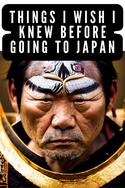
🗼 I Wrote a Book About My Japan Travel Catastrophes!
Before I landed in Tokyo, I thought I was the “Final Boss” of international travel. Spoiler alert: I WASN’T. 😅
🚅 I boarded the wrong Shinkansen and ended up in THE WRONG CITY. I confused locals with my “expert” bowing that was more awkward than accurate. I accidentally stumbled into a high-stakes Kendo practice thinking it was a tourist show. Sound like something you’d do?
“Things I Wish I Knew Before Going to Japan” is your shortcut to avoiding ALL my cringe-worthy mistakes. ✨ Inside, you’ll find practical, LIFE-SAVING tips on etiquette, transport, money, and hidden gems that will save you time, money, and a whole lot of confusion.
Embrace the Dirt — Like, Fully Embrace It
I’m a little bit of a neat freak at home.

Camping cured me of that, honestly.
Your toddler is going to be dirty.
Like, mud-in-the-ears, how-did-that-get-there kind of dirty.
And the sooner you make peace with that, the more fun everyone has.
When I tackled our second camping trip last summer, I made a decision to just let my son explore without constant “don’t touch that” or “you’ll get messy.”
The look on his face when he found a rolly-poly bug under a log?
That’s the kind of thing that lives in your chest forever.
Pack easy-to-remove, dark-colored clothing.
Bring a small outdoor mat for the tent entrance where they can de-shoe before coming in.
Baby wipes are your best friend — not just for hygiene but for quick “okay you’re clean enough” moments before meals.
Dirt washes off.
Those moments of pure toddler joy in nature?
Those don’t.
Plan Toddler-Specific Activities — Not Just “Being Outdoors”

“Being in nature” is not an activity for a two-year-old.
I learned this the hard way when I thought my son would just happily wander the forest path like a tiny philosopher.
He lasted eleven minutes before demanding to be carried and crying about a pinecone.
Toddlers need structure even in the wild.
I now plan specific little activities: a “nature scavenger hunt” where we look for leaves, rocks, and bugs; a simple fishing moment at the edge of a lake even if we catch nothing; roasting marshmallows earlier in the evening so they’re part of the ritual.
I bring a small bucket and shovel for any sandy or dirt areas — instant construction zone, hours of entertainment.
A magnifying glass is also wildly underrated as a toddler camping toy.
Everything becomes fascinating.
The key is giving them a “job” or a “mission.”
Toddlers thrive when they feel like they’re doing something important.
And honestly?
Watching them feel like little explorers is kind of the whole point of doing this.
Master the Campfire Meal — Keep It Simple and Fun
Campfire cooking with a toddler around is a balancing act.

You want the magic of cooking over a fire, but you also have a small human who wants to touch everything glowing and hot.
My rule is simple: toddler gets involved in prep, not in fire.
I let my son help put toppings on foil packets before they go on the coals.
He feels involved, he eats better because he “made it,” and he stays busy.
For meals, I keep it dead simple.
Hot dogs, foil packet veggies, pre-made sandwiches, oatmeal in the morning.
Nobody needs to be a gourmet chef at a campsite with a toddler.
I’m obsessed with the foil packet method — you literally throw whatever you want in there, seal it up, toss it on coals, and walk away.
Toddler-friendly campfire snacks like banana boats (banana split slightly, stuffed with chocolate chips and mini marshmallows, wrapped in foil) are a total hit.
Simple food, happy kid, zero stress.
That’s the vibe.
Handle Nap Time and Quiet Time Like a Pro

Not every toddler naps anymore, but every toddler needs a midday reset.
Even if your kiddo dropped their nap, build in a quiet hour around early afternoon.
We set up a little shaded spot with a blanket, some soft toys, and a few books.
Sometimes he naps.
Sometimes he just quietly plays for forty minutes while I sit nearby with a coffee and pretend I’m a person.
Either way, we both come out of it better.
For kids still firmly in nap territory, a pop-up travel tent is a game-changer for camping naps.
It creates a familiar, dark, enclosed little space that signals “sleep time” even outdoors.
I use one that folds into a tiny circle — fits right into our camping bag.
Protecting that midday rest protects the entire afternoon and evening.
Trust me, you want a happy, rested toddler by campfire time.
That quiet hour is sacred and I guard it like it’s the last cup of coffee at the pot.
Involve Your Toddler in Camp Setup

Here’s something I sort of stumbled onto by accident.
When I started giving my son tiny “jobs” during camp setup, his behavior for the rest of the day improved dramatically.
Kids that age want to feel useful so badly.
They want to be part of the action.
So I give him real jobs: carrying his small sleeping bag to the tent, handing me tent stakes (supervised), gathering small rocks to line our fire pit area.
It slows me down a little, sure.
But it also means he’s engaged, proud, and not running toward the parking lot while I’m trying to figure out tent poles.
There’s something genuinely cozy about working alongside your little one at a campsite.
Even if “working together” means he hands you the same rock four times.
It builds this sense of shared experience that you just can’t manufacture.
You’re not just bringing him along on your trip.
You’re building his trip too.
And that shift in thinking made everything feel warmer.
Pack a Toddler First Aid Kit — The Specific Version

The standard first aid kit is fine.
But camping with a toddler means you need a slightly more specialized setup.
I built my own little kit after our first trip left me scrambling.
Beyond the basics, I now always include: children’s pain reliever (both liquid and chewable because toddlers are unpredictable about which form they’ll accept on any given day), anti-itch cream for bug bites, blister-specific bandages for little soft feet, saline spray for dusty noses, and a small flashlight because someone always needs to go to the bathroom at 2am.
I also pack a printed copy of the nearest urgent care or ER address.
Not because I expect anything serious — but because having it makes me feel calm, and calm parents make calm toddlers.
Being prepared isn’t being anxious.
It’s being smart.
And knowing you’ve got everything covered means you can actually relax and enjoy the pine trees and the birds and the whole beautiful point of being out there.
🗼 I Wrote a Book About My Japan Travel Catastrophes!
Before I landed in Tokyo, I thought I was the “Final Boss” of international travel. Spoiler alert: I WASN’T. 😅
🚅 I boarded the wrong Shinkansen and ended up in THE WRONG CITY. I confused locals with my “expert” bowing that was more awkward than accurate. I accidentally stumbled into a high-stakes Kendo practice thinking it was a tourist show. Sound like something you’d do?
“Things I Wish I Knew Before Going to Japan” is your shortcut to avoiding ALL my cringe-worthy mistakes. ✨ Inside, you’ll find practical, LIFE-SAVING tips on etiquette, transport, money, and hidden gems that will save you time, money, and a whole lot of confusion.
Know When to Call It a Night Early

Some evenings, the toddler is done before the sun goes down.
And that is completely okay.
One of the trips I’m most proud of was the night I called it at 7pm, got my son into his pajamas, read him two books in the tent by flashlight, and had him asleep by 7:30.
Then I sat outside by the fire alone for two hours with a beer and the most profound sense of peace.
It was perfect.
Don’t fight the early bedtime on camping trips.
Lean into it.
The outdoors, the fresh air, the physical activity — toddlers are genuinely exhausted by early evening, and forcing them to stay up for “the full campfire experience” usually just ends in tears for everyone.
Get them down early.
Enjoy the quiet night for yourself.
You’ve earned it, honestly.
Camping is one of the rare situations where everyone winning actually looks different at different hours of the day.
What I Wish I’d Known Before That Very First Trip
Looking back on our first camping trip with a toddler — the chaos, the broken graham cracker meltdown, the 4am wake-up call — I wouldn’t trade any of it.

But I would go back and tell myself a few things.
Start with just one night, not a full weekend.
A single overnight lets you figure out what your kid handles well and what needs adjusting before you commit to three nights in the wilderness.
Lower the ambition on the activities.
One simple hike is better than three rushed ones.
Accept help if other campers offer it — people in campgrounds are generally kind, experienced, and have been exactly where you are.
And bring one comfort item from home that’s just for you.
For me it’s a good camp chair and a decent insulated mug.
Those two things make me feel human even when everything else is beautifully unpredictable.
You’re not going to get it perfect.
But you are going to get it right in all the ways that actually matter.