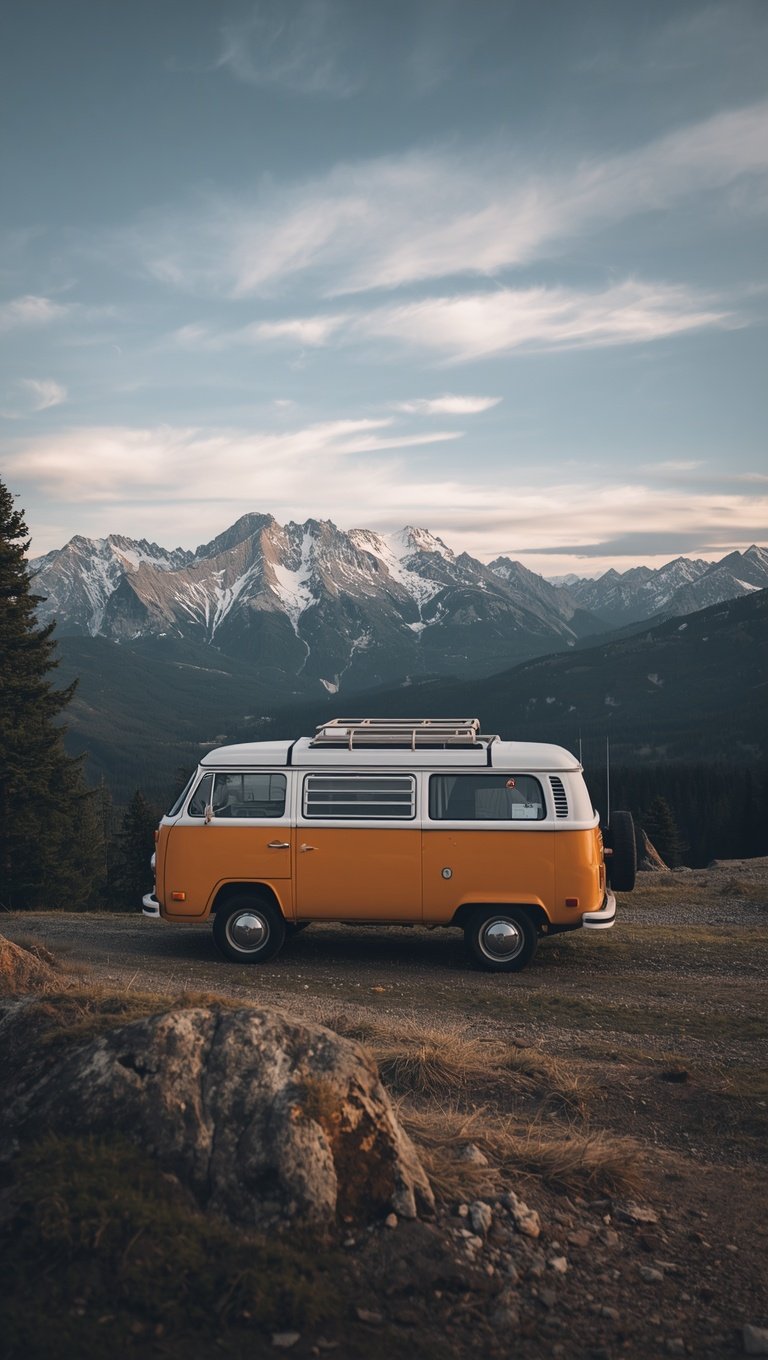

I slept in my van for eleven nights before I admitted something was wrong.
Not with the van.
With the setup.
Everything I’d bought for “van life” was built for a long weekend, not a life.
The cooler leaked.
The mattress sagged by day four.
My phone died on a Tuesday and stayed dead for two days because I had zero real power plan.
So I rebuilt almost everything from scratch.
And that rebuild is what I want to walk you through here.
Not the Pinterest version.
The version that holds up when the honeymoon phase wears off and you’re just trying to live your actual life on wheels.
Insulation You Won’t Regret in July or January
You don’t think about insulation until you’re either sweating through your sheets or scraping frost off the inside of your windshield.

I learned that the hard way in a van with basically zero insulation, parked outside Flagstaff in October.
It was miserable.
So on my second build, I went with a mix of rigid foam board and Havelock wool, and it changed everything.
The foam board handles the flat surfaces, the walls and ceiling panels, and it’s rigid enough that it won’t sag or shift over time.
The wool goes into the tighter, weirder gaps, around wheel wells, door frames, all those awkward pockets that rigid board can’t reach.
And here’s the part nobody tells you: insulation isn’t just about temperature, it’s about noise too.
A well-insulated van is quieter, and quiet matters more than people expect when you’re trying to sleep through a windy night in a parking lot.
My tip, and I say this as someone who skipped it the first time: insulate the floor too, not just the walls.
Cold rises up through your feet way more than you’d guess.
If you’re building in a cold-weather region, go thicker than you think you need.
You can always add a rug for style later, but you can’t easily add more insulation once the walls are closed up.
This is one of those setups where cutting corners costs you comfort every single day you live in that van.
A Power System That Doesn’t Run Your Life

I used to plan my whole day around finding an outlet.
That’s not freedom, that’s just a different kind of leash.
The setup that fixed it for me was a proper solar and battery system, not some sad little panel taped to the roof.
I run two 200-watt panels into a lithium battery bank, with an inverter that can actually handle my laptop, my fridge, and my lights without blinking.
Lithium costs more upfront than lead-acid, I won’t pretend otherwise.
But it’s lighter, it lasts longer, and it charges faster, and for someone working remotely from the road, that’s non-negotiable.
My honest recommendation is to slightly oversize your system from what a calculator tells you.
Cloudy stretches happen, and you don’t want your fridge dying because you were three amp-hours short.
A smaller, budget-friendly variation exists too, a single 100-watt panel and a smaller battery, and that’s genuinely fine if you’re mostly boondocking on weekends or you’re not running a laptop all day.
The emotional part of this, the part that actually matters, is the peace of mind.
Once I stopped worrying about power, I started actually enjoying where I was parked instead of calculating how many hours I had left before something died.
That shift alone was worth every dollar I put into the system.
Water That Works Without a Trip to Town Every Other Day
Nobody romanticizes the water tank, but it runs your whole day out there.
My first van had a twelve-gallon tank, and I was driving into town every two days just to refill it.
That gets old fast, and it eats into time you’d rather spend hiking or just sitting somewhere pretty.
So on my current build, I upgraded to a forty-gallon fresh tank with a small twelve-volt pump, and it’s honestly one of the best decisions I made.
I also added a simple gray water tank instead of just dumping into a jug, because let’s be real, jugs spill, and they spill at the worst possible moment.
A good tip here: insulate your water lines if you’re spending any time in colder climates.
Frozen pipes under your sink at six in the morning is not how you want to start your day, trust me on this one.
If you’re on a tighter budget, a solid alternative is a large water jug system with a foot pump, and it works, it’s just more hands-on.
I still keep a five-gallon backup jug in my current setup, because redundancy has saved me more than once.
There’s something genuinely calming about turning on a tap and having water just come out, like a real home.
It sounds small, but that small normalcy does a lot for how sustainable this lifestyle actually feels day to day.

🗼 I Wrote a Book About My Japan Travel Catastrophes!
Before I landed in Tokyo, I thought I was the “Final Boss” of international travel. Spoiler alert: I WASN’T. 😅
🚅 I boarded the wrong Shinkansen and ended up in THE WRONG CITY. I confused locals with my “expert” bowing that was more awkward than accurate. I accidentally stumbled into a high-stakes Kendo practice thinking it was a tourist show. Sound like something you’d do?
“Things I Wish I Knew Before Going to Japan” is your shortcut to avoiding ALL my cringe-worthy mistakes. ✨ Inside, you’ll find practical, LIFE-SAVING tips on etiquette, transport, money, and hidden gems that will save you time, money, and a whole lot of confusion.
The Bed Setup That Actually Lets You Sleep
Bad sleep ruins everything about this lifestyle, the views, the freedom, all of it.

I tried a fold-down bench bed for the first few months, and I woke up sore basically every single day.
So I switched to a fixed platform bed with a real three-inch memory foam topper, and it was almost embarrassing how much better I slept.
Yes, a fixed bed eats more floor space, that’s the tradeoff, and you have to be honest with yourself about how you’ll actually use the van.
If you need that floor space for gear or work, a slide-out or convertible setup is a smart variation, just budget extra time to build it right so it doesn’t wobble.
My tip, and this one’s simple: invest in real bedding, not sleeping bags, once you’re doing this longer term.
Sheets, a real pillow, maybe a soft throw blanket, it sounds small but it makes the space feel like a bed and not a campsite.
I also added blackout curtains around the sleeping area specifically, separate from the front cab curtains, and that alone fixed my sleeping-in problem.
There’s a real emotional shift that happens when your sleep setup actually works.
You stop dreading bedtime, and you start looking forward to it, which changes how you feel about the whole lifestyle.
Comfort here isn’t a luxury, it’s honestly the foundation everything else is built on.
A Kitchen You’ll Actually Want to Cook In


Fast food gets expensive and tired fast when you’re living on the road.
My first setup was a camp stove balanced on a cooler, and I cooked maybe three real meals in two months.
Once I built an actual galley kitchen, with a two-burner propane stove, a small sink, and real counter space, everything changed.
I started cooking again, and honestly, cooking real food became one of my favorite parts of the day.
The trick is counter space, more than people expect, because prep work needs somewhere to happen that isn’t your lap.
I added a slide-out cutting board that tucks away when I’m driving, and it’s a small detail that saves so much frustration.
For the fridge, I went with a compressor fridge instead of a cooler, and I will never go back, no more soggy ice, no more warm cheese.
A budget-friendly variation is a good 12-volt cooler if a full fridge is out of range right now, and that’s a perfectly solid middle step.
My honest tip: keep your spice kit small but real, five or six spices you actually use, not a whole rack you’ll never touch.
There’s something grounding about chopping vegetables on a little counter with the door open and mountains outside.
It doesn’t feel like camping anymore at that point, it just feels like your kitchen happens to have a really good view.
Storage That Keeps the Chaos Out
Small space, big mess, that’s the default if you don’t plan for it early.

I used soft duffel bags for storage in my first build, and within a month everything was a tangled pile.
So I rebuilt with hard cabinetry, drawers instead of bins where I could manage it, and labeled everything.
Drawers beat open shelving almost every time, because things fly around on rough roads, and open shelves become a hazard fast.
I use the space under the bed platform for bulkier gear, and overhead cabinets for lighter things like clothes and pantry items.
My tip here is weight distribution, keep heavier stuff low and centered, it actually affects how the van handles on curvy roads.
A simple hack I love: magnetic strips inside cabinet doors for spice jars and small metal tools, it frees up so much drawer space.
If you’re renting or not ready for built-in cabinetry, stackable bins with locking lids are a solid variation that still keeps things from sliding around.
Good storage isn’t just about tidiness, it’s about your mental state.
When I can find what I need in three seconds instead of digging through a pile, the whole day feels calmer.
That’s the real reason this matters, it’s not really about organization, it’s about how much lighter your mind feels in a space that isn’t fighting you.
Ventilation That Keeps the Air Feeling Alive
A stuffy van is a miserable van, plain and simple.

My first setup had zero powered ventilation, just windows, and on hot nights I’d wake up gasping for air.
Installing a roof vent fan fixed that almost overnight, and it’s genuinely one of the best-value upgrades in this whole build.
I run mine on low overnight, pulling fresh air through a cracked window, and it keeps the whole van feeling less closed-in.
It also handles moisture, which matters more than people realize, because condensation builds up fast in an insulated box with a human breathing all night.
My tip: get one with a rain sensor and thermostat function, so it can run safely even if weather rolls in while you’re out.
I also cracked a small vent near the kitchen area specifically for cooking, since cooking indoors without airflow gets steamy and smells linger for days.
A cheaper variation, if the powered fan isn’t in budget yet, is a couple of well-placed low and high vents for passive airflow, it’s not as strong but it helps.
There’s a real emotional side to this too, stale air makes everything feel heavier, your mood included.
Good airflow keeps the space feeling alive instead of like a sealed box you’re just surviving in.
Once I fixed this, mornings in the van stopped feeling groggy, and that alone was worth the install.
A Bathroom Solution That Doesn’t Stress You Out
This is the part nobody wants to talk about, but it shapes your whole day.

I started with public restrooms and gym memberships, and honestly, the anxiety of “where’s the next bathroom” wore on me more than I expected.
Adding a composting toilet into my build was the single biggest quality-of-life shift I made.
No plumbing needed, minimal smell when it’s maintained right, and it gave me back a kind of independence I didn’t know I was missing.
It’s a bigger upfront cost, I won’t pretend otherwise, but for full-time living it earns that cost back in peace of mind.
If you’re doing shorter trips, a simple portable cassette toilet is a totally reasonable variation, lighter on the wallet and still private.
My tip: whatever you choose, build in a little privacy setup, a curtain divider or a fold-out wall, even a basic one.
It changes how comfortable you feel inviting a friend to hang out in the van, or just parking somewhere crowded.
I also keep a small ventilation fan pointed right at that area, it handles smell far better than any spray or candle.
This isn’t the glamorous part of van life anyone posts about.
But solving it properly is honestly one of the things that made this lifestyle feel sustainable instead of stressful.
Staying Connected Without Losing the Whole Point

Working from the road sounds dreamy until your hotspot drops mid-call in the middle of nowhere.
I learned to stop relying on just my phone plan after missing an important call in a canyon with zero bars.
My current setup runs a cellular booster paired with a multi-carrier hotspot, so if one network is weak, the other usually picks up the slack.
I mounted the booster antenna on the roof, and it’s made a noticeable difference pulling in signal in areas that used to be dead zones.
For anyone doing this full-time for work, I’d genuinely call this a non-negotiable, not a luxury.
A lighter variation, if you’re not working remotely, is just a solid unlimited data plan and a basic signal booster, which covers most casual needs fine.
My tip: always check coverage maps before committing to a remote spot if you have a deadline that day.
I also keep a mental rule now, work spots and adventure spots are different, and I try not to mix them.
Because part of what makes this lifestyle good is still being present, not glued to a screen chasing bars in a beautiful place.
Connectivity should support the lifestyle, not run it.
Once I found that balance, work stopped feeling like it was eating into the whole reason I built this van in the first place.
🗼 I Wrote a Book About My Japan Travel Catastrophes!
Before I landed in Tokyo, I thought I was the “Final Boss” of international travel. Spoiler alert: I WASN’T. 😅
🚅 I boarded the wrong Shinkansen and ended up in THE WRONG CITY. I confused locals with my “expert” bowing that was more awkward than accurate. I accidentally stumbled into a high-stakes Kendo practice thinking it was a tourist show. Sound like something you’d do?
“Things I Wish I Knew Before Going to Japan” is your shortcut to avoiding ALL my cringe-worthy mistakes. ✨ Inside, you’ll find practical, LIFE-SAVING tips on etiquette, transport, money, and hidden gems that will save you time, money, and a whole lot of confusion.
Heating and Cooling That Handle Real Weather

Weather doesn’t care about your travel plans, and neither does your body when it’s thirty-eight degrees inside your van at 5 a.m.
I used a small propane heater in my first setup, and while it worked, the moisture it put into the air was a real problem.
I switched to a diesel heater tied into my fuel tank, and it’s dry heat, efficient, and honestly kind of a game changer for cold-weather trips.
For cooling, I lean on that roof vent fan alongside reflective window covers, and together they keep the interior noticeably cooler in direct sun.
My tip: park with your nose toward the sun in the morning and away from it by afternoon, it sounds small but it really does help regulate heat naturally.
A simpler, budget variation for cooler climates is just a good sleeping bag rated low and heavy blankets, though I’ll admit it’s a rougher ride on truly cold nights.
I also added reflective foam panels that pop into the windshield and side windows, they block a shocking amount of heat gain.
Comfort here isn’t about luxury, it’s about being able to actually function, cook, sleep, work, no matter what the weather’s doing outside.
I remember one string of freezing nights in the mountains where that diesel heater was the difference between a miserable trip and a genuinely great one.
Once your climate setup is solid, you stop planning your route around weather anxiety.
You just go, and that’s kind of the whole point of this lifestyle in the first place.
A Layout Built for Real Life, Not Just a Weekend
The layout is the decision that either makes every other system work well together, or fights you every single day.

My first van had a layout copied straight from a build I saw online, and it didn’t fit how I actually lived at all.
I cook a lot, I work from my laptop most days, and that layout gave me almost no counter or desk space.
So I redesigned around my actual habits, more counter space, a small fixed desk near the side door, and a sleeping area I didn’t have to convert every morning.
My honest tip: live in your van for a few weeks before finalizing a permanent layout, even a rough temporary version, because you’ll learn things no build video can tell you.
A flexible variation some people love is a modular layout with removable furniture pieces, great if you switch between solo living and hauling gear for trips.
I personally prefer fixed furniture now, because after the first year, the wobble and rattle of temporary pieces just wears on you.
Every layout decision should trace back to one question, how do you actually spend your day.
Once I built around my real habits instead of a Pinterest photo, the van finally started to feel like it was built for me specifically.
That’s the real goal here, not a good-looking layout, but one that disappears into the background because it just works.
Staying Ahead of Maintenance Instead of Chasing It
Your home breaking down is inconvenient, but your vehicle breaking down is a whole different kind of stressful.

I ignored a weird engine sound for two weeks early on, and it turned into a much bigger repair bill than it needed to be.
Now I keep a simple maintenance log, oil changes, fluid checks, tire rotations, all logged with mileage, and I stick to it religiously.
I also carry a small toolkit specifically for the systems I installed myself, the electrical, the water pump, the vent fan, so I’m not stranded over something small.
My tip: learn the basics of your own electrical system, even just enough to check a fuse or a connection, because mobile techs aren’t always nearby when something acts up.
A softer variation, if mechanics aren’t your thing, is building a relationship with a trusted shop along your usual routes, so you’re not starting from zero every time something needs attention.
I keep spare fuses, a spare belt, and basic fluids in a labeled bin, small stuff that’s saved me real time on the road more than once.
There’s a real emotional piece to this too, staying ahead of maintenance means less anxiety every time you hear a new noise.
I used to panic at every rattle, now I mostly just check my log and move on with my day.
That shift, from dread to just calm awareness, honestly changed how relaxed I feel living out of this thing full-time.
Peace of mind on the road really does start under the hood.
My tip: pick one or two objects that have real meaning to you, not just aesthetic value, and give them a permanent spot.
For me it’s a small compass my dad gave me, mounted right above the door, and I see it every time I step outside.
A string of warm-toned lights along the ceiling was another small addition that changed the whole mood of the evenings.
I’m genuinely obsessed with how different the space feels after dark now, warm and cozy instead of just lit.
A softer variation is rotating in seasonal touches, a different blanket or a few dried flowers depending on where you are and what season it is.
But they’re honestly the difference between a van that works and a van that feels like yours.
That feeling, more than any gear or gadget, is what actually makes this lifestyle worth living long term.