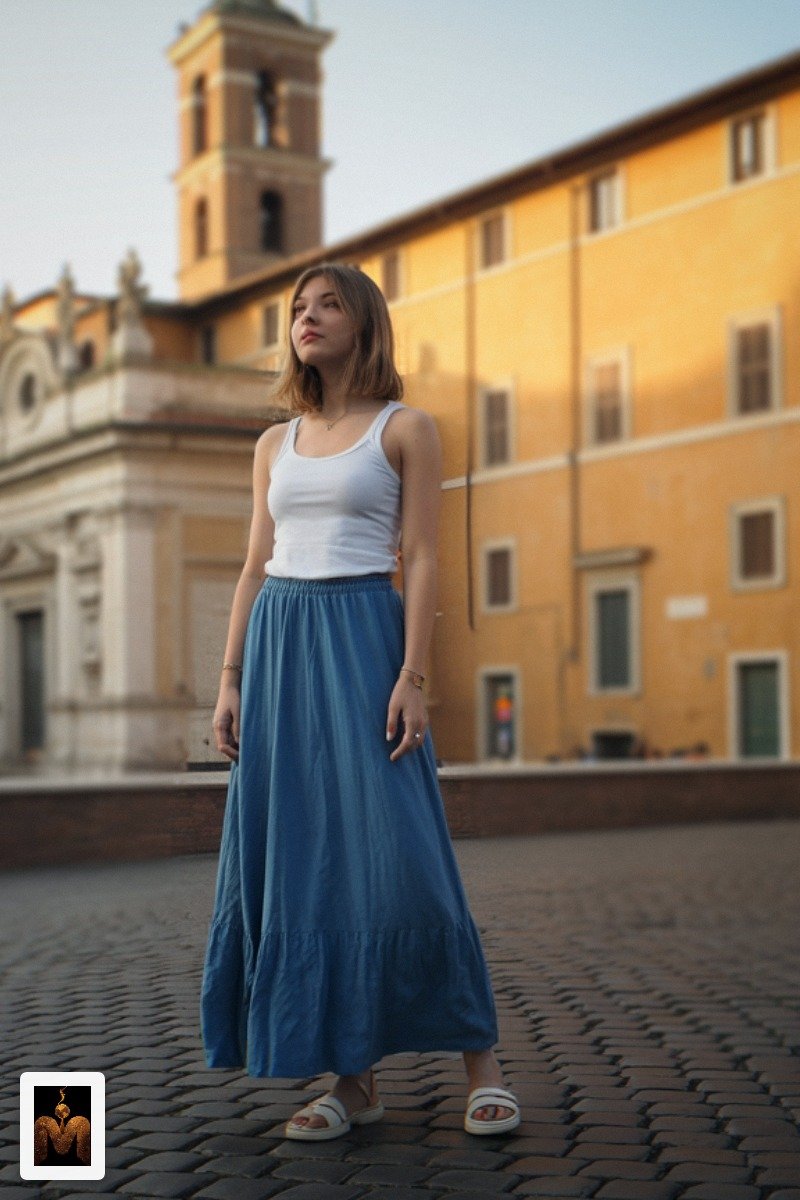

Rome’s Streets Will Destroy a Bad Outfit by Noon
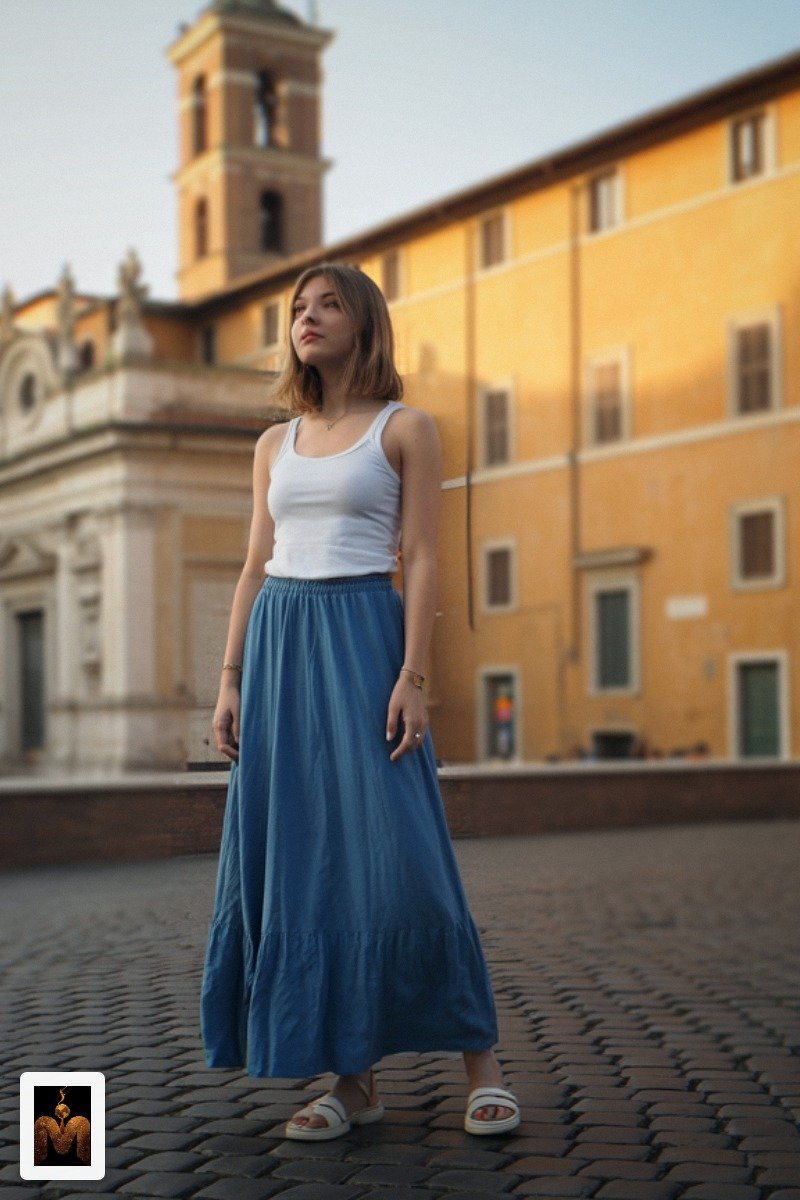
A white linen set looked stunning in my Airbnb mirror and looked like a soaked paper bag by the time I reached the Pantheon.

That was day one.
By day two I’d figured out why: I was treating Rome like a city you look at, not one you physically survive.
The average tourist walks 4 to 6 miles per day in Rome.
Not on sidewalks.
On sampietrini — those black basalt stones, roughly 6 inches wide, set at irregular angles that shift slightly under your weight.
July average high is 88°F with 60% humidity.
There’s almost no shade on the major routes between sights.
It is brutal in a way that Amsterdam or Prague, both technically “walkable cities,” simply are not.
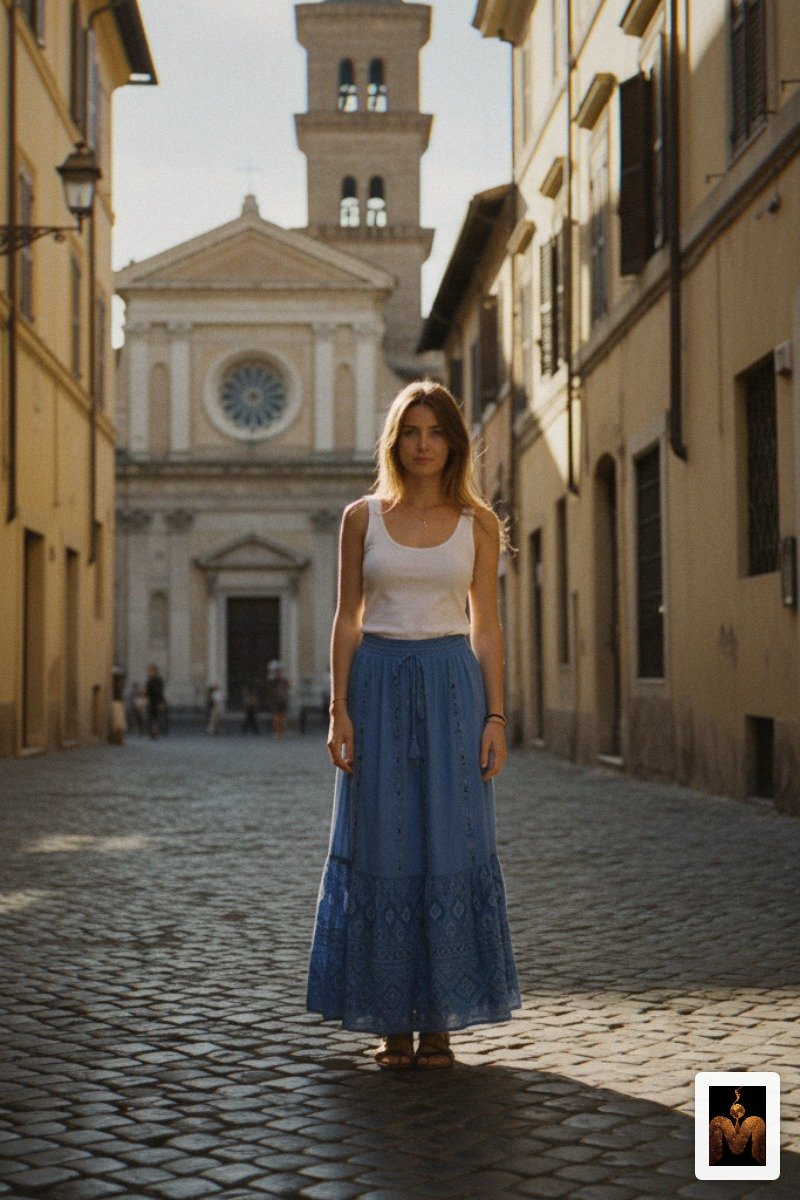
Rome is walkable in distance.
It is not walkable in the casual, stroll-around sense.
That distinction matters for every single packing decision you make.
Shoes Are the Entire Outfit Decision — Start Here
I’ll tell you the most useful thing I know about cobblestones and footwear: the safe variable isn’t heel height.
It’s sole surface area.
Block-heel sandals get recommended constantly as the cobblestone-safe option, but the narrow heel still catches between stones.
I’ve watched it happen to three separate people in one afternoon near Campo de’ Fiori.
A wide, flat rubber sole with at least 5mm thickness is what actually protects you.
Birkenstock Boston clogs have a 1.5-inch cork sole rated well for uneven surfaces and, honestly, they look good right now in a way I wouldn’t have predicted five years ago.
Veja Campo sneakers weigh 280 grams per shoe, which sounds like trivia until you’re carrying that weight for five miles.
Light matters late in the day.
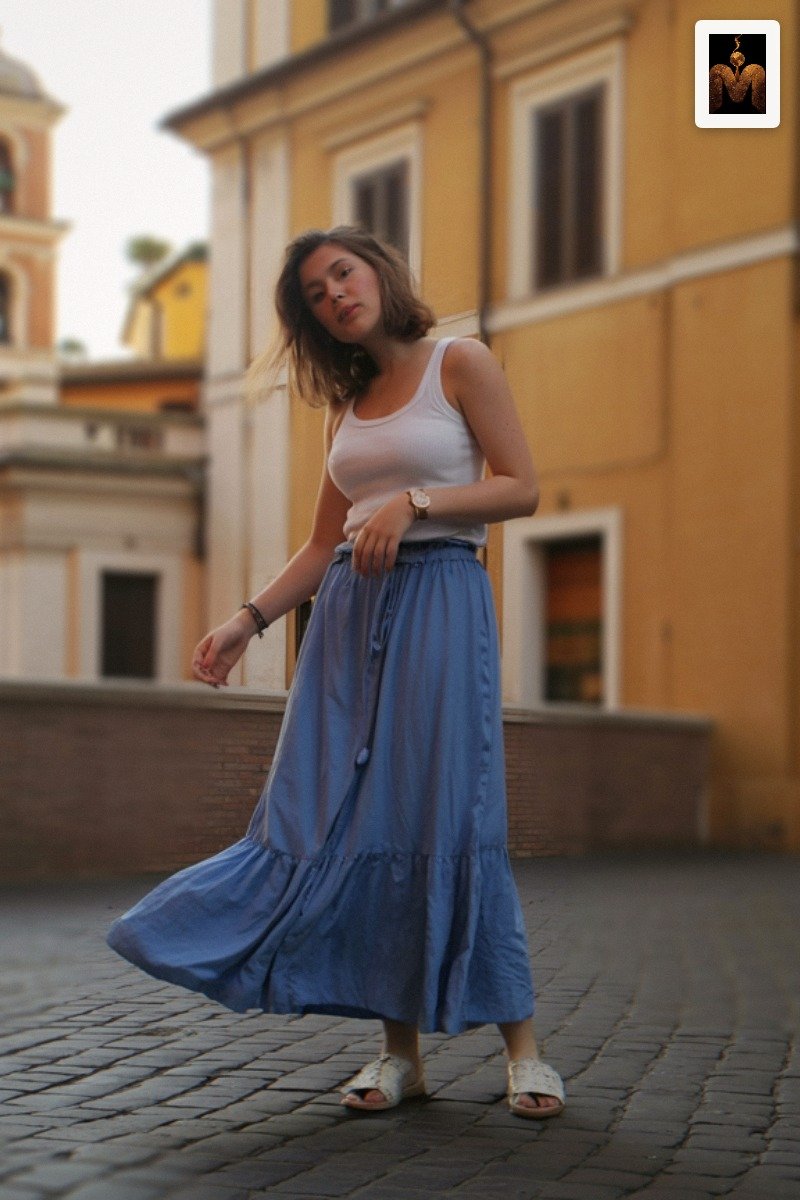
Here’s the opinion that’ll annoy some people: sneakers are the most stylish choice in Rome right now.
Not a compromise.
Not settling.
Italian street style has already moved to white leather sneakers, and a clean pair reads more current than a block-heel sandal at this point.
Dress them up or down.
They don’t catch on anything.
Your feet survive.

Your Ultimate Caribbean Adventure Awaits!
Discover hidden coves, secret beaches, and the best rum punches in the islands. Your insider’s guide to Caribbean paradise.
Get Your Guide Now$15.99Building a 5-Outfit Capsule Around One Bag
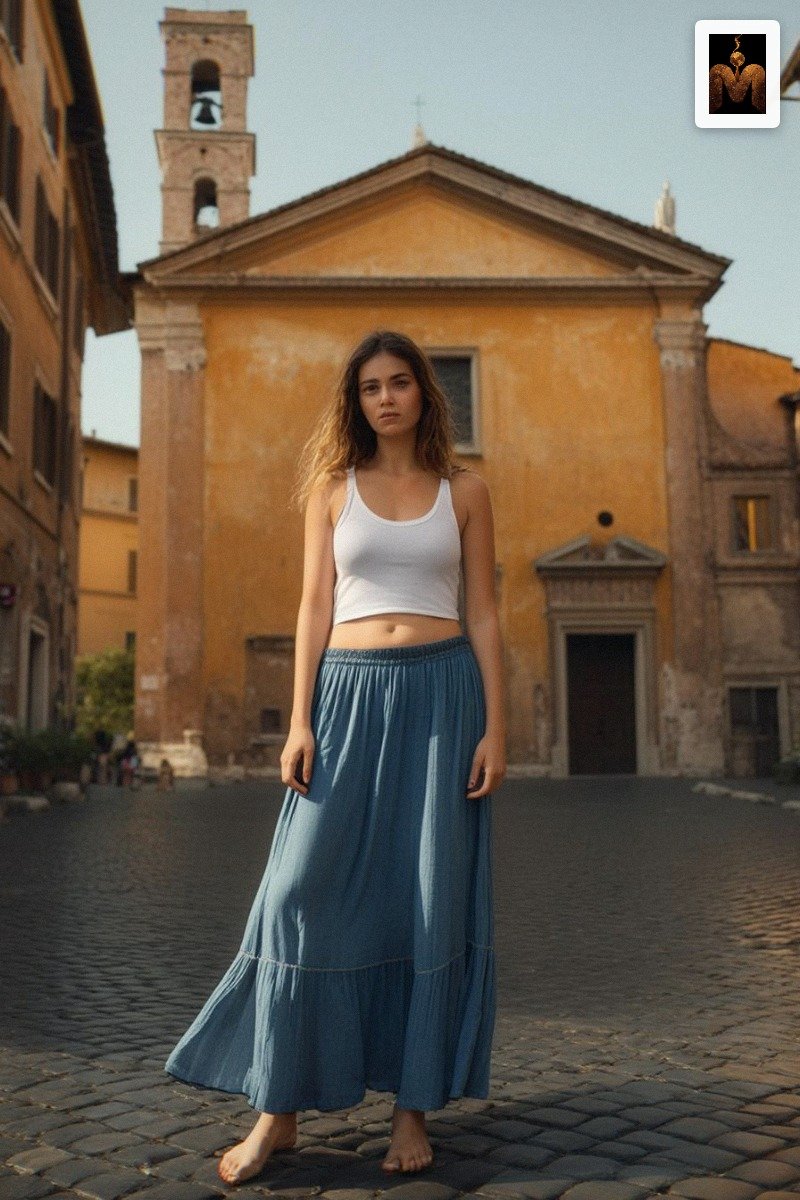
Eight pieces, five outfits, total clothing weight under 4 lbs.
That’s the target.
It sounds restrictive until you actually lay it out — and then you realize Roman dinner culture starts at 8pm and is genuinely not formal.
A clean shirt is sufficient for 95% of situations.
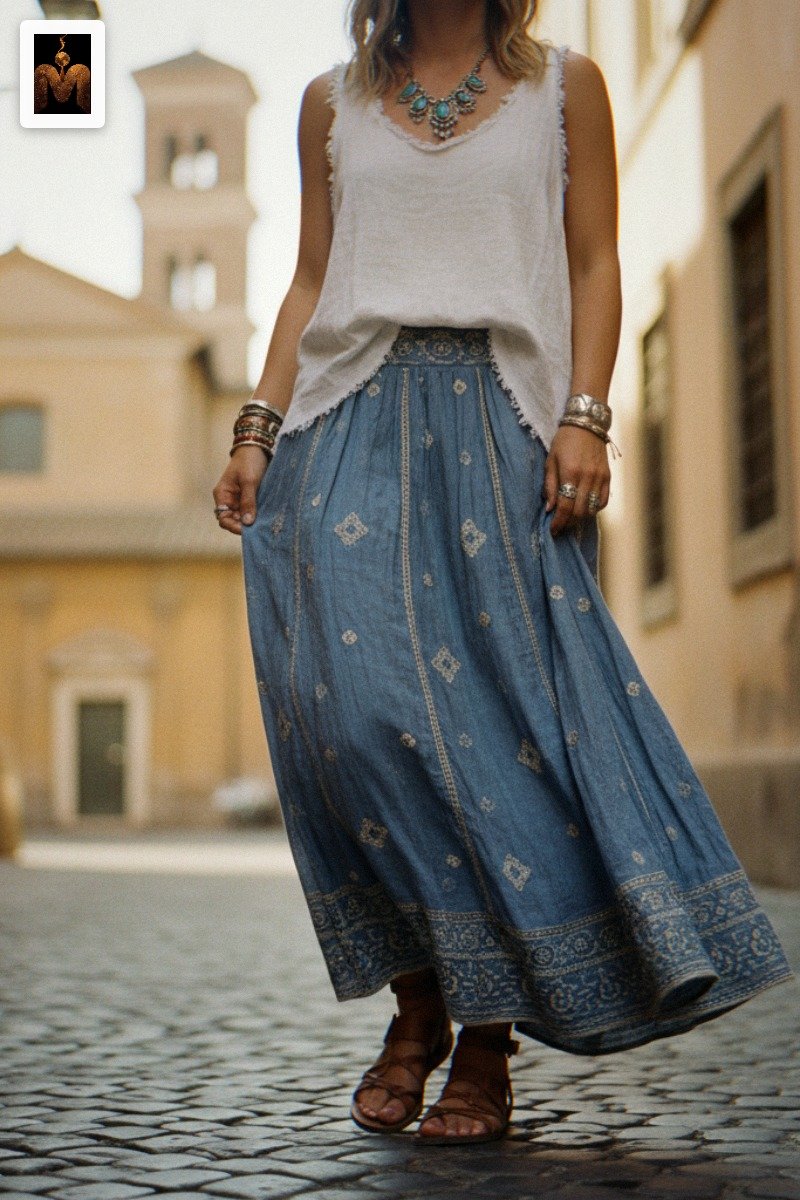
The key piece that makes the capsule work is one dress that does double duty with a belt swap: modest enough to pass church entry in the morning, sharp enough for aperitivo at night.
One pair of trousers (dark, not black), two tops that work tucked or untucked, a lightweight layer, the sneakers, a sandal or loafer for evenings.
That’s it.
I fit all of this in a carry-on with room left over, and I did not check a bag.
Packing separate day and night wardrobes for Rome wastes space on a problem that doesn’t really exist here.
Linen: When It Works and When It Betrays You
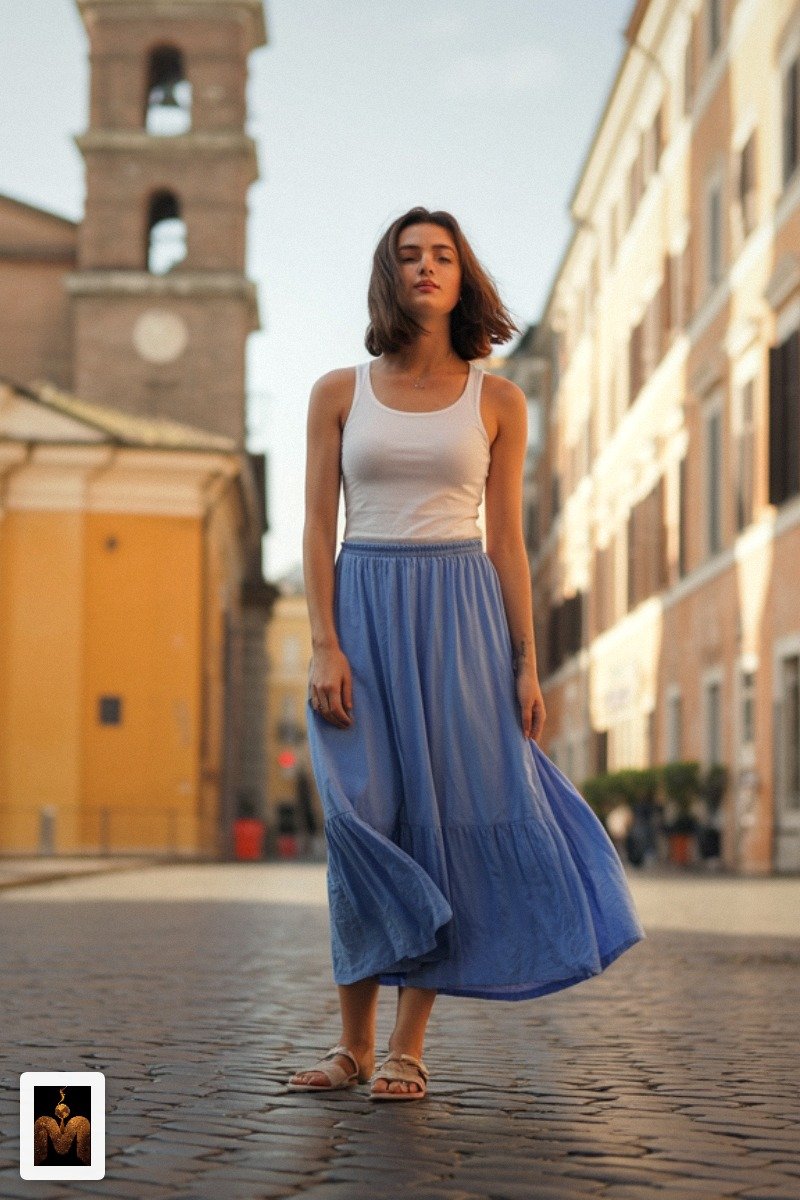
Not all linen is the same fabric.
I changed my mind about this after ruining two shirts I liked.
Linen below 130gsm wrinkles visibly within 2 hours in humidity above 55%, and Rome in summer sits right at or above that threshold most afternoons.
Pure linen in a lightweight weave goes from “I look intentional” to “I slept on the bus” faster than you’d think.
Linen-cotton blends at roughly 55/45 resist wrinkle significantly better.
Quince makes linen pants at 145gsm for under $50, and they photograph identically to the expensive Italian linen trousers that cost four times as much.
The wrinkle resistance at that weight is genuinely better than pure linen pieces I’ve paid more for.

Pure linen is a Rome trap sold by people who take a photo and then go back to air conditioning.
If you’re actually walking all day, the blend wins.
Church Dress Code Is Stricter Than Every Blog Claims
You will visit at least six churches in a typical Rome week whether you planned to or not.
You walk past them, they’re attached to things you actually want to see, you end up inside.
Plan accordingly.

The Vatican enforces hard: no shoulders, no knees, no sleeveless.
This isn’t loosely interpreted.
Violations result in entry refusal.
The Pantheon became a paid church in 2023 and enforcement tightened with it.
A scarf works — but it needs to be large enough to actually do the job.
A standard travel pashmina (roughly 28×80 inches) can drape over your shoulders or wrap around your waist to mid-knee, and at about 3.5 oz it’s nothing in your bag.
But honestly, you’ll be more comfortable and less flustered if you just dress for church entry from the start.
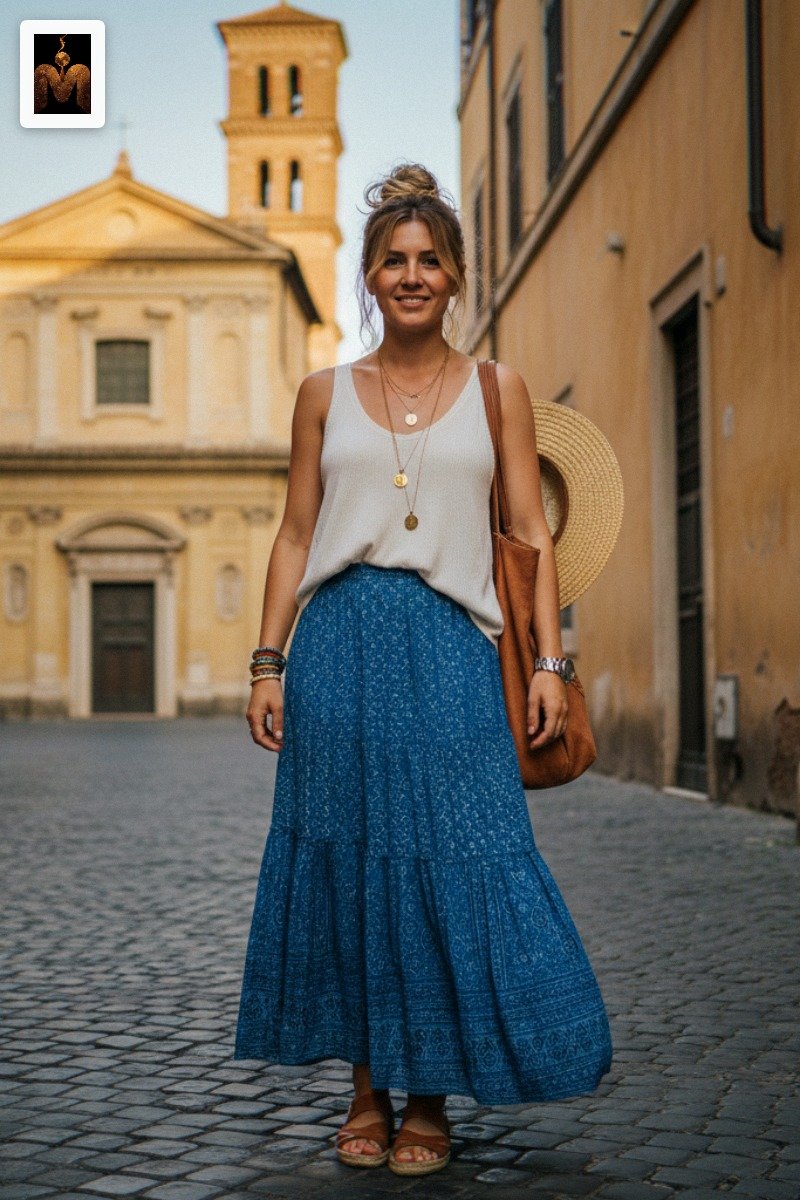
Covered shoulders and a midi-length skirt or trousers cover you everywhere — turns out it’s also just a cooler way to walk around in direct sun than bare skin is.
Caribbean Paradise Unlocked
From pristine beaches to vibrant local culture, discover the Caribbean’s best-kept secrets with my comprehensive travel guide.
- 120+ Hidden Beach Secrets
- Local Cuisine Guide
- Budget Travel Tips
- Island Hopping Routes
Men’s Rome Outfits Get Almost No Useful Advice Online
Men’s packing guides for Rome are genuinely bad.
They either say “wear whatever” or they recommend bringing dress pants for dinner.
Both wrong.
Shorts are accepted everywhere in Rome except churches, so wear them if you want.
But for heat management, chino weight matters more than most guys realize.
Anything above 7 to 8 oz shows sweat visibly at 85°F. Uniqlo AIRism Chinos come in at 6.8 oz and 14 colors, and they feel almost nothing on your legs by mile four.
I own three pairs.
For evening, loafers without socks are the current Roman male standard.
Clean chino, linen shirt, loafer.
That’s it.
That’s dressed up.
Leave the dress pants at home entirely — I’ve seen guys hauling them in checked luggage for a dinner that turned out to be a plastic-chair place on a side street.
Overdressed tourists stand out more than underdressed ones in Roman aperitivo culture, and nothing marks you as foreign faster than dress trousers at a standing bar.
Color Palettes That Actually Work in Roman Light

Rome’s architecture reads as travertine white, ochre, terracotta rust, and aged umber in basically every direction you point a camera.
Earthy neutrals (tan, sand, warm beige) disappear into that backdrop.
You become part of the wall.
Which looks fine in person but produces flat, undifferentiated photos.
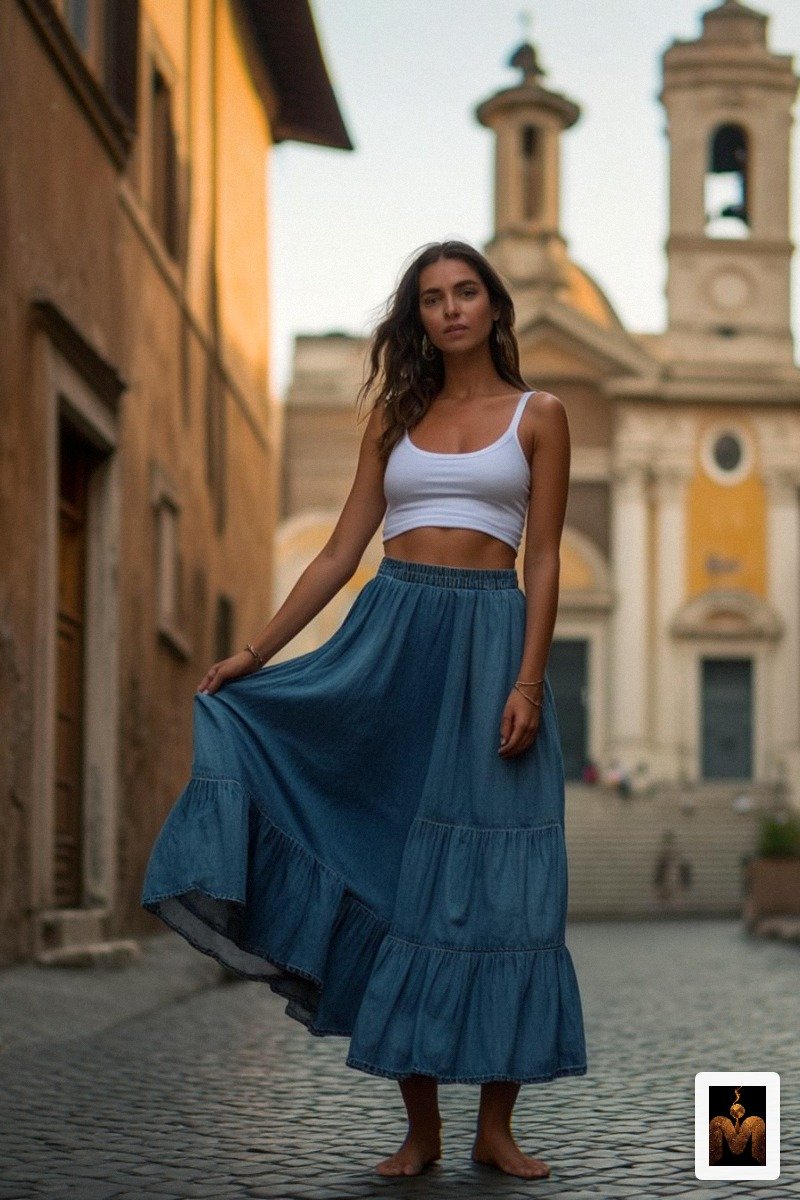
Navy and cobalt blue photograph strongly against ochre backgrounds.
A terracotta-red outfit creates contrast against the pale stone.
White outfits cause overexposure problems in direct noon sun on pale travertine and often blow out in photos entirely.
The popular advice to match the city’s palette gets this backwards.
Contrast makes for better photos, not coordination.
Afternoon Rain Changes Everything — Pack for It
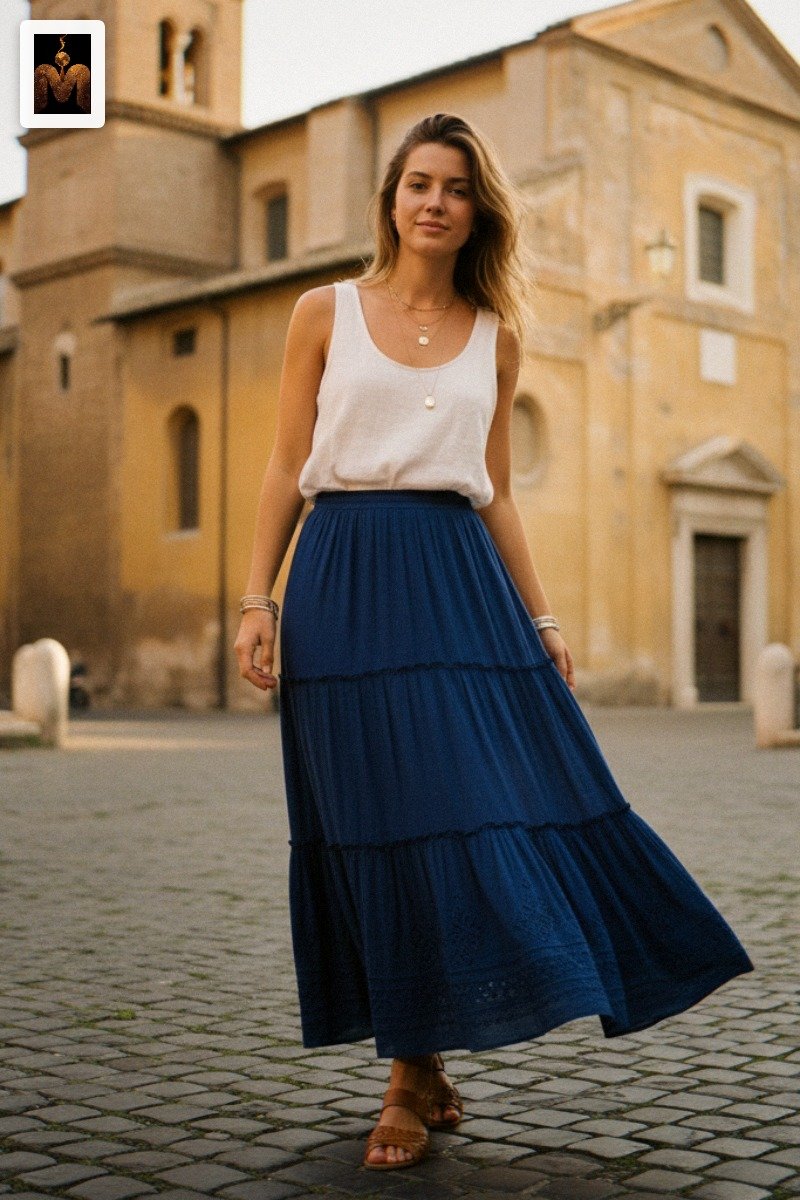
Rome averages 8 to 10 sudden afternoon thunderstorms per month in June through August.
The forecast often misses them until 30 minutes out.
One minute it’s 88°F and cloudless, and then there’s a hard 20-minute downpour that soaks everything and drops the temperature noticeably.
Restaurants crank the air conditioning regardless.
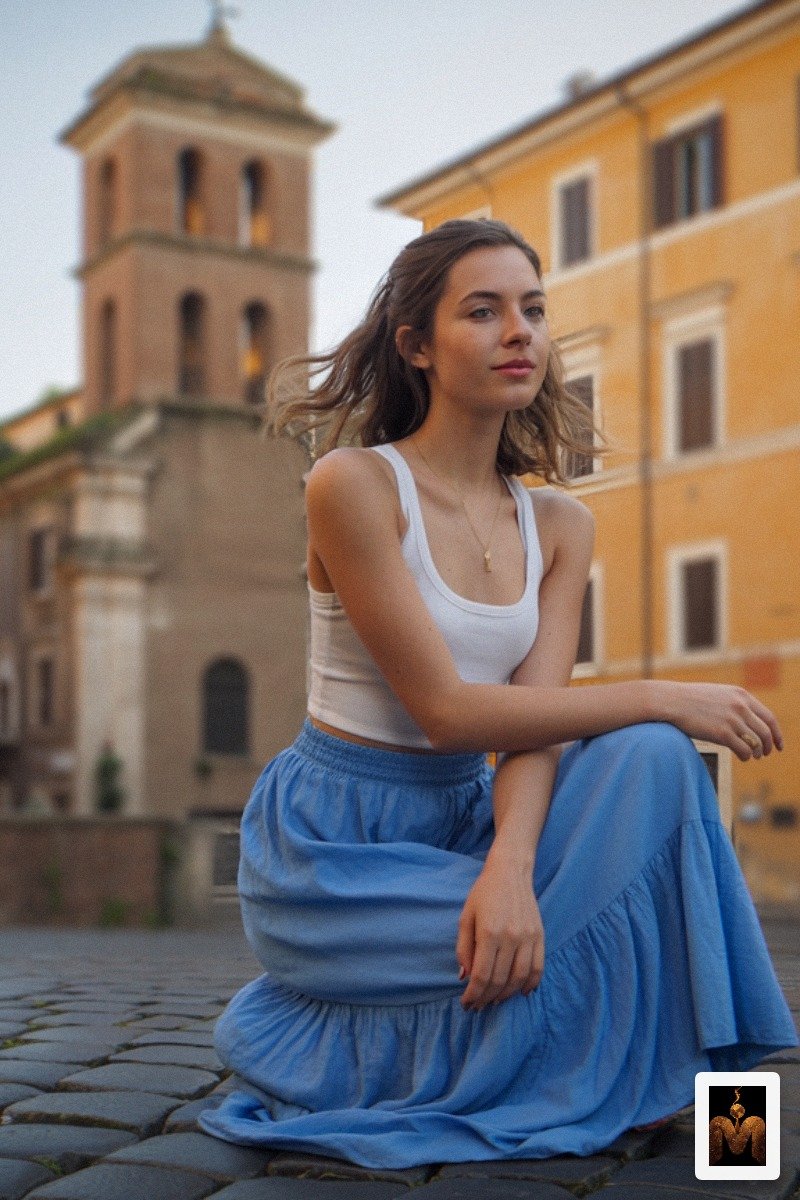
White linen becomes see-through when wet — I learned this the expensive way, in front of a lot of people near the Trevi Fountain.
Leather sandals take 6 to 8 hours to dry and deform in the process.
A packable rain jacket that compresses to 6×4 inches and weighs 7 oz (the Arc’teryx Norvan SL is the one I carry) is more important than any single outfit piece for a summer trip.
It weighs almost nothing in your carry-on and it prevents the specific disaster of being soaked, cold, and stuck in a restaurant for two hours with no dry layer.
Your Ultimate Caribbean Adventure Awaits!
Discover hidden coves, secret beaches, and the best rum punches in the islands. Your insider’s guide to Caribbean paradise.
Get Your Guide Now$15.99Bags That Don’t Get You Pickpocketed or Wrecked
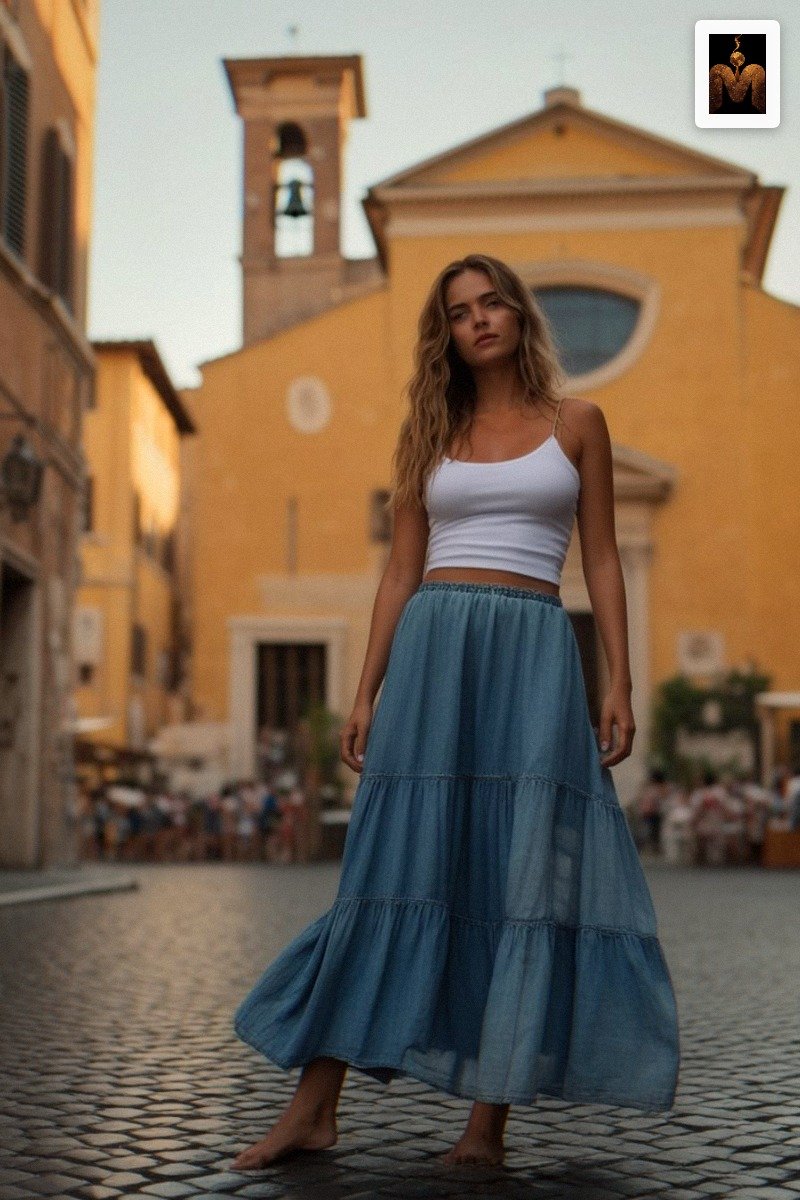
Trevi Fountain and Metro Line A are Rome’s highest pickpocket zones.
Both are unavoidable.
A tote bag is a liability regardless of how good it looks.
Open top, single carry point, easy to access in a crowd.
That’s not paranoia, that’s just geometry.
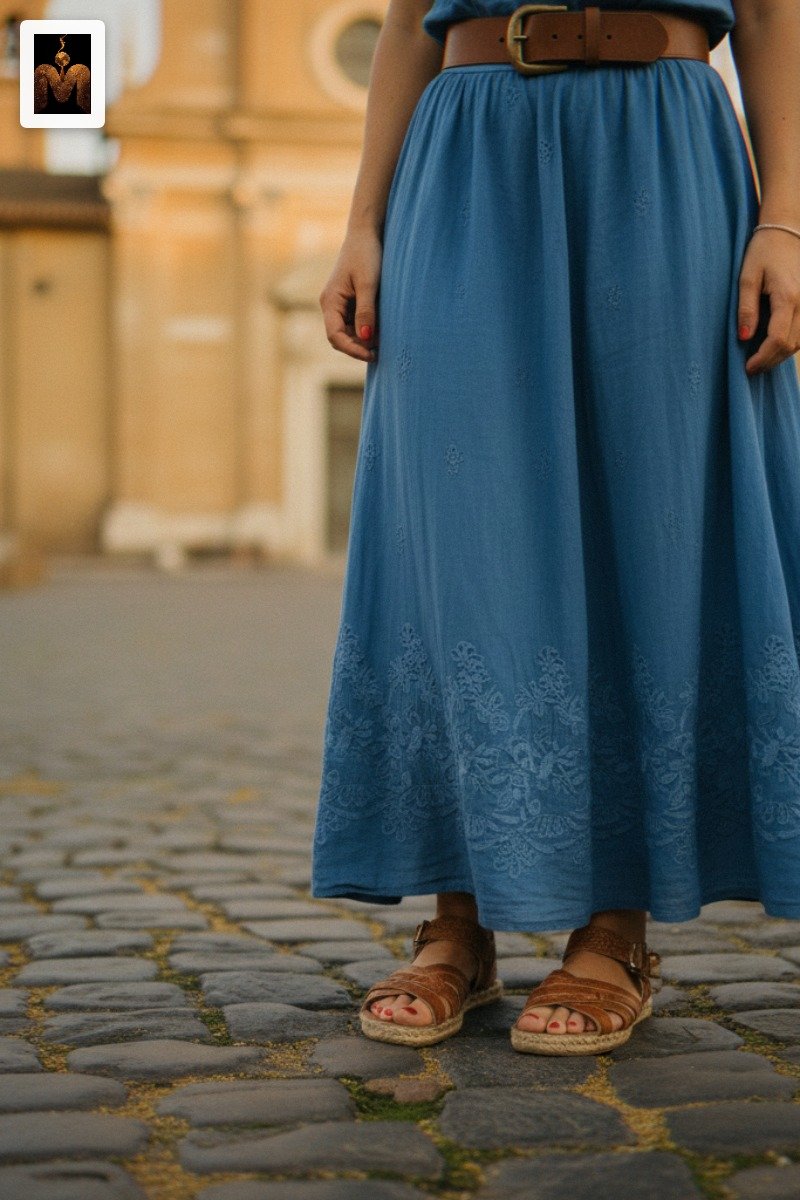
Anti-theft backpacks with hidden zippers are the other wrong answer.
They signal “tourist with valuables” more clearly than a plain leather crossbody does.
The Lo & Sons Catalina Deluxe is 9 liters, fits a water bottle, your pashmina, and the packable rain jacket, and sits flat against your hip.
Speaking of which: wear your crossbody at hip level or above, positioned in front of you.
Not behind the hip.
Not slung back.
In front.
I figured this out after someone got into the outer pocket of my bag while I was waiting in the line for the Vatican.
Nothing valuable in there, but still.
Seasonal Adjustments: Spring and Fall Visitors Need Different Gear
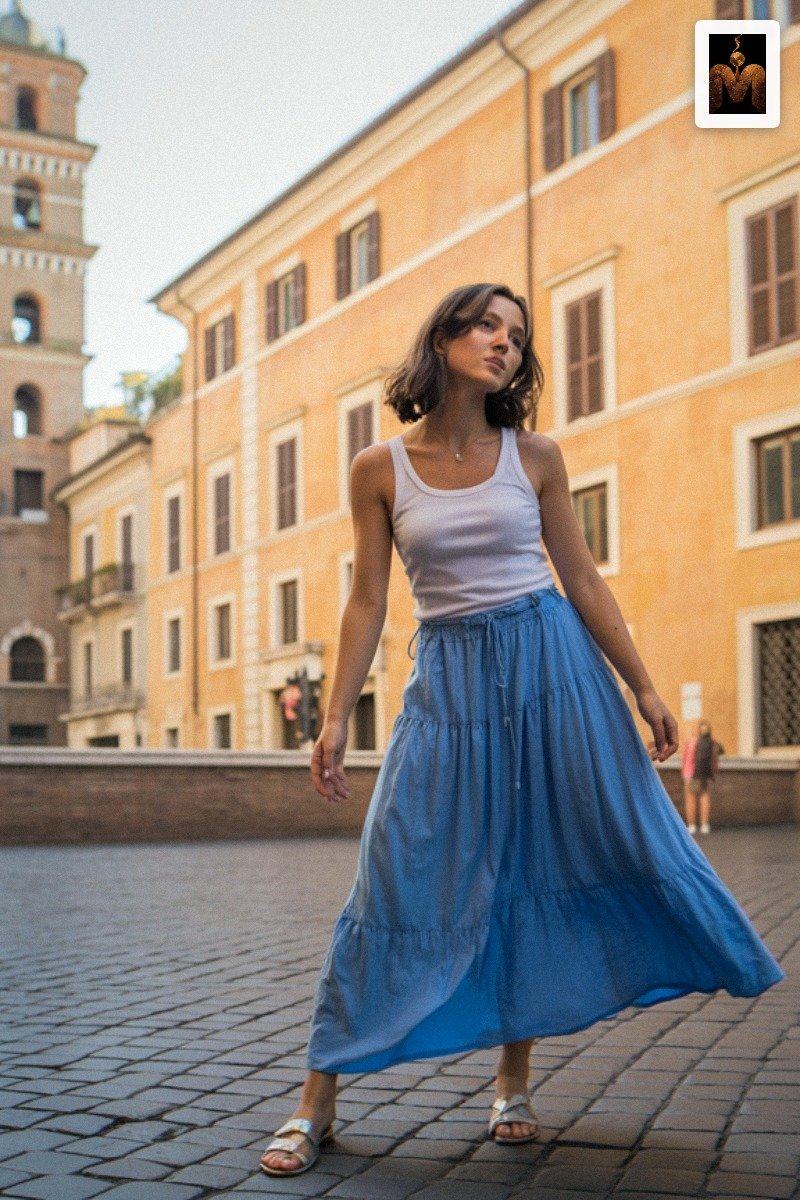
April Rome has an average high of 65°F and an average low of 48°F. That’s a 17-degree daily swing.
A white sundress that’s perfect for July is genuinely cold and impractical in April.
These two trips require different wardrobes and almost no summer Rome advice applies cleanly to spring.

Spring is actually the best time to dress well in Rome because the constraints loosen.
Boots work.
Heavier fabrics work.
Structured pieces don’t sweat through.
Off-season travel here is kinda underrated on this front alone — shorter lines, cooler mornings, and you can actually wear the clothes you packed.
A merino wool cardigan at 4 oz handles the daily temperature range without adding bulk to your bag.
One other thing worth knowing: cobblestones are significantly more slippery when wet in cooler months.
The moss and moisture on those basalt stones in April is a real issue in a way it isn’t in dry August heat.
Fast Fashion vs. Investment Pieces for a One-Time Trip
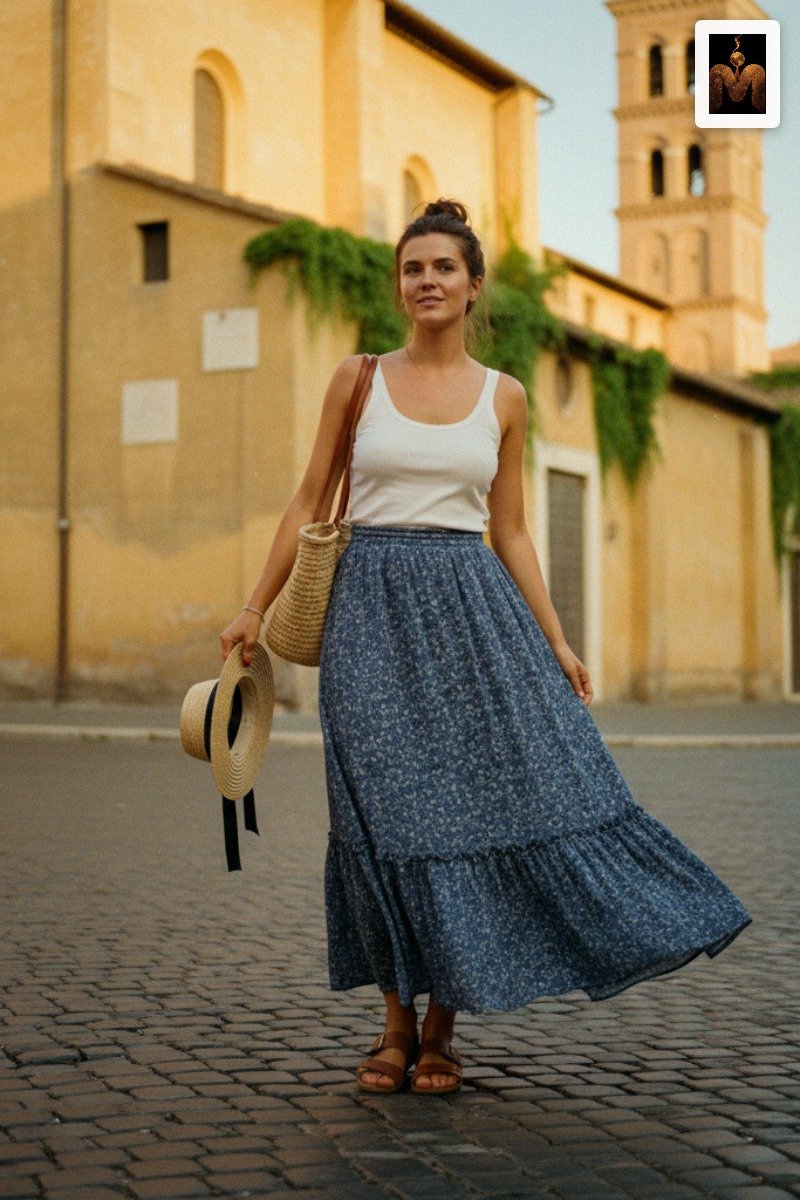
The math for Rome is different from normal trips.
Cobblestones destroy cheap foam soles in 3 to 4 days of heavy walking.
I watched a pair of $30 sandal soles literally separate from the upper by day three on a trip I took a few years back.
A pair of quality leather sandals from Tkees or Nisolo runs $80 to $130 and lasts five-plus years.
That’s the right spend.
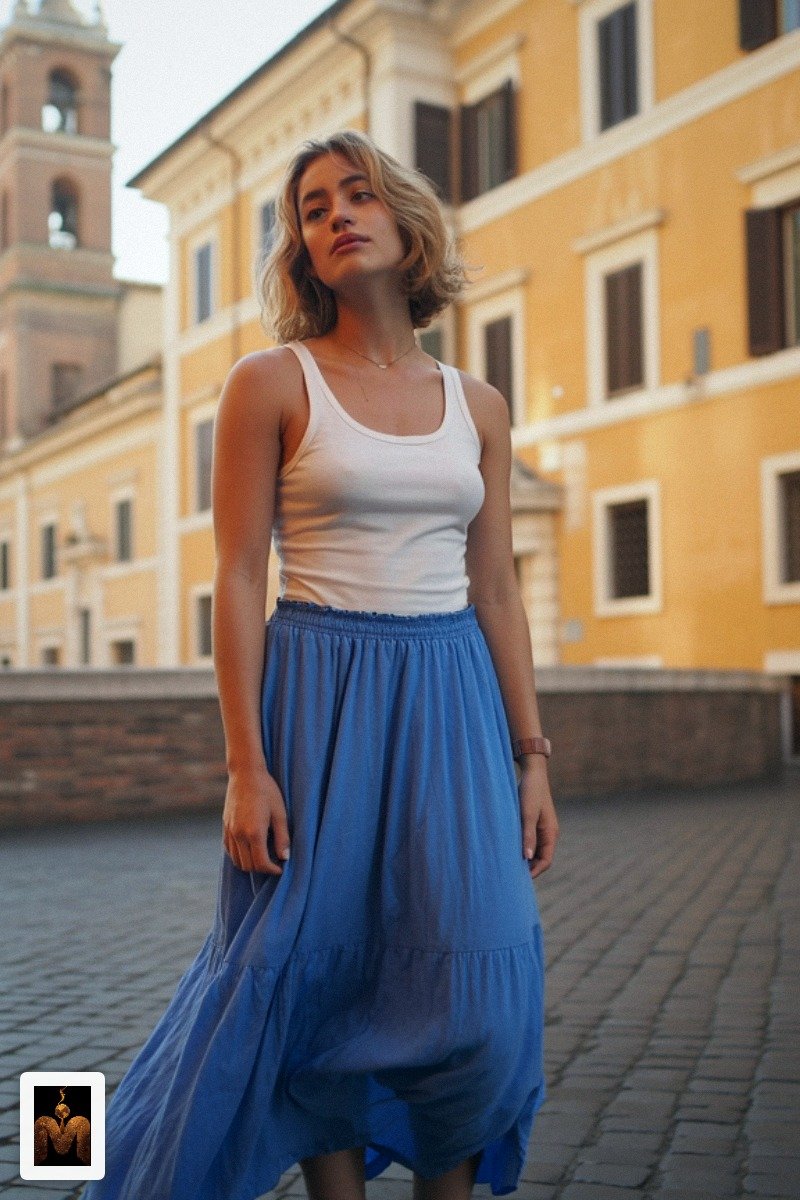
For tops and dresses?
Buy cheap.
A $60 to $90 outfit from Zara or H&M performs identically to a $200 one in 88°F heat and gets treated accordingly when you spill gelato on it.
Spend real money on shoes and one bag.
Spend very little on everything else.
Most packing guides invert this, and it costs people money and blisters.
Caribbean Paradise Unlocked
From pristine beaches to vibrant local culture, discover the Caribbean’s best-kept secrets with my comprehensive travel guide.
- 120+ Hidden Beach Secrets
- Local Cuisine Guide
- Budget Travel Tips
- Island Hopping Routes
Outfit Formulas by Specific Day Type
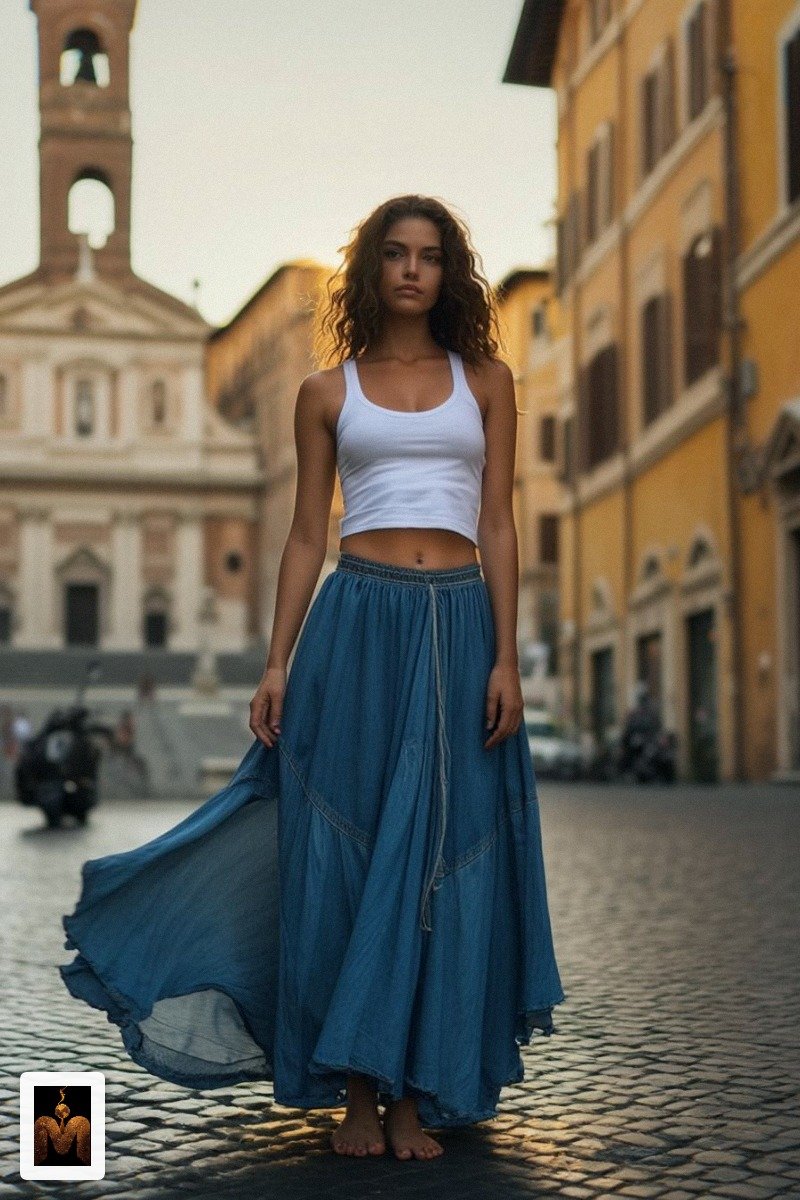
Vatican day: covered shoulders, covered knees, non-negotiable.
Plan this outfit first and pack around it.
Sneakers, midi skirt or trousers, short-sleeved top.
Nothing that needs adjusting at the door.
Colosseum morning: 60,000 square feet of exposed stone that radiates heat upward from roughly 9am onward.
Start early, wear your most breathable layer, bring water you actually refill.
The heat at the Colosseum is floor-level and relentless in a way that surprises people who’ve read about it.
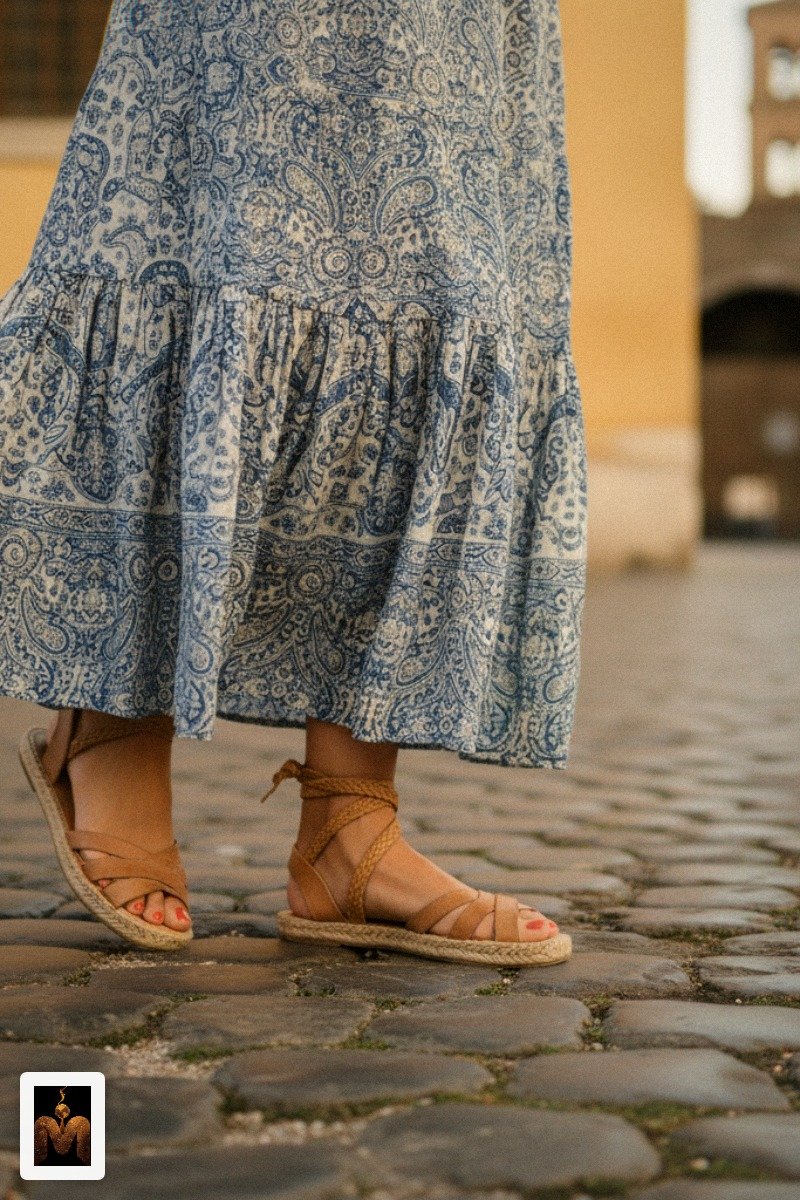
Day trip to Ostia Antica: zero shade, half a mile of gravel paths plus stone, no services for long stretches.
Wear closed-toe shoes.
Bring the rain jacket and a hat.
This is not a sandals day even if the weather looks perfect.
Trastevere evening: restaurants are outdoor-heavy, the energy is casual, and after 8pm in summer you will want bug spray more than you want to look a certain way.
Plan accordingly.
The dress code is essentially nonexistent here.
Show up clean and comfortable and you’re fine.
What Roman Women Actually Wear
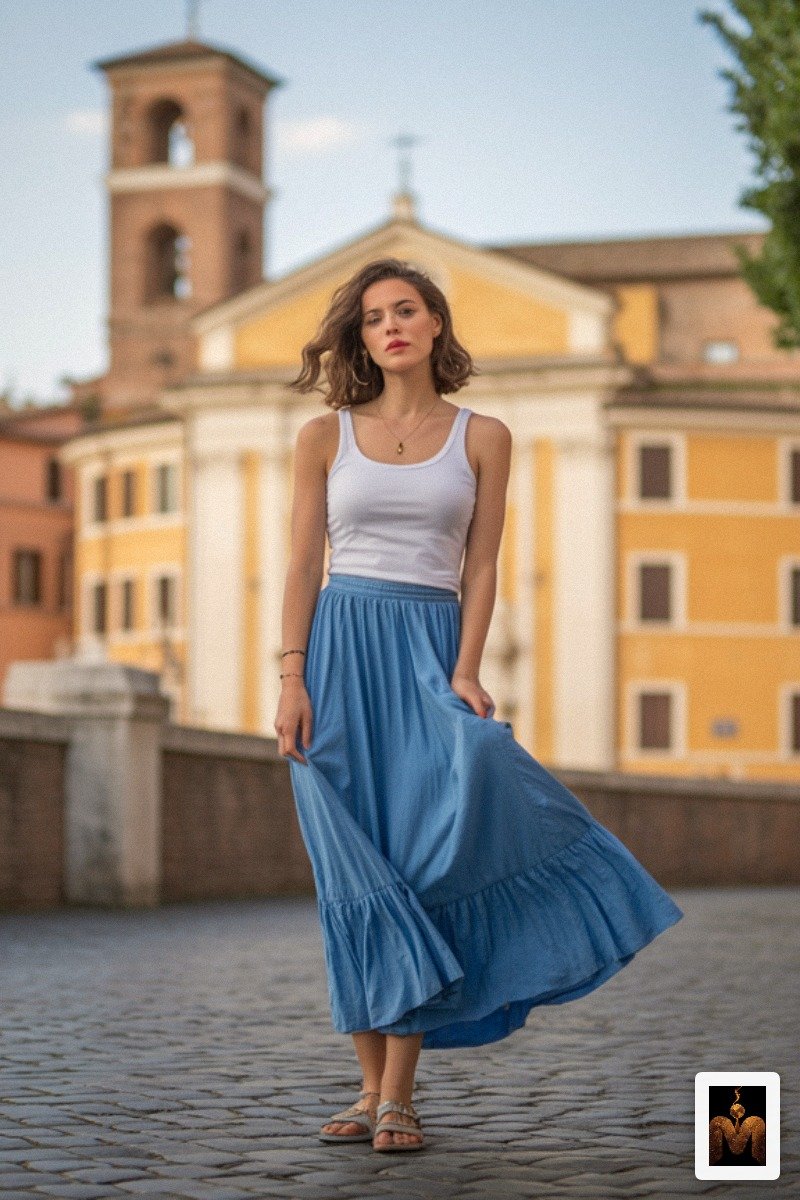
Roman women under 35 predominantly wear wide-leg jeans or trousers in summer.
Not dresses.
Nike Air Force 1s and New Balance 550s appear as frequently as leather sandals.
The average Roman woman carries a small structured bag, not a tote.
None of this matches the “just-rolled-out-of-bed chic Italian in a flowy sundress” image that fills American travel content, and that gap matters.
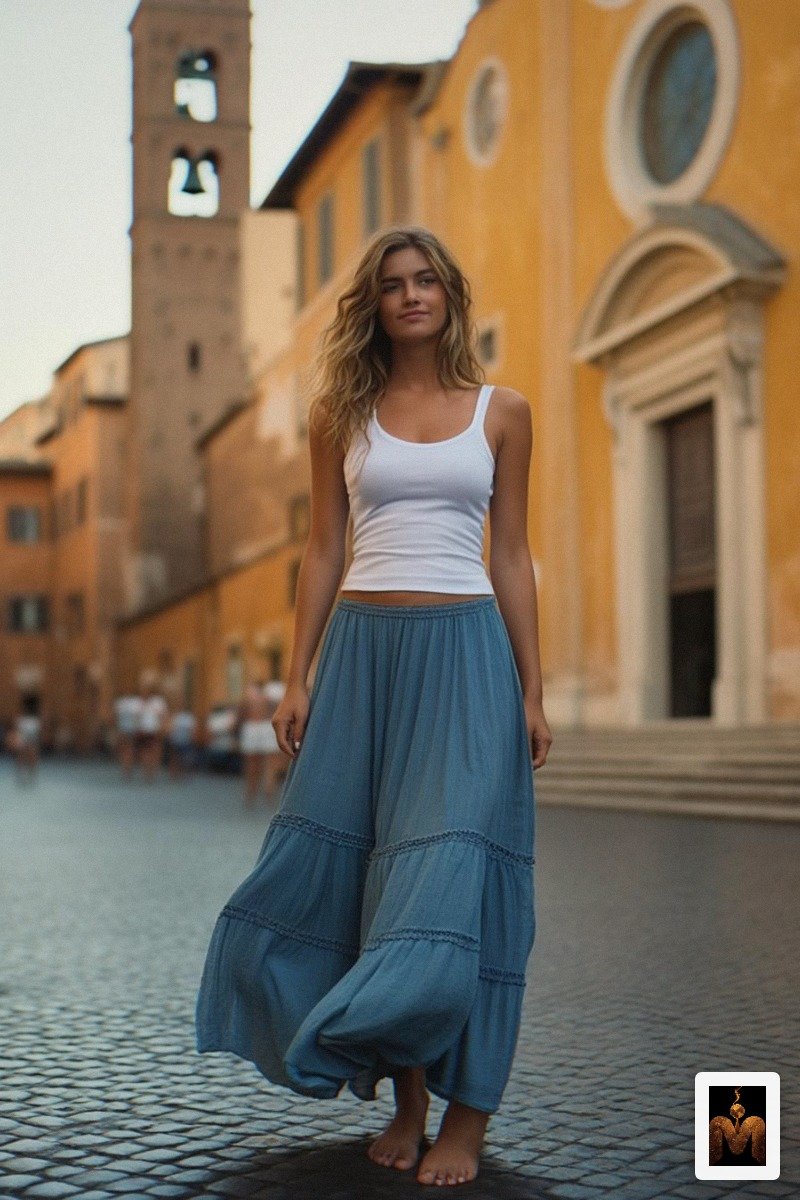
The “dress like a local” advice backfires specifically in Rome because tourists who attempt it end up looking like they’re in costume.
The actual move is to dress well for your own practical needs, which produces something that reads as confident and intentional rather than performative.
Roman daily dress is more structured and less resort-influenced than any American travel blog will tell you.
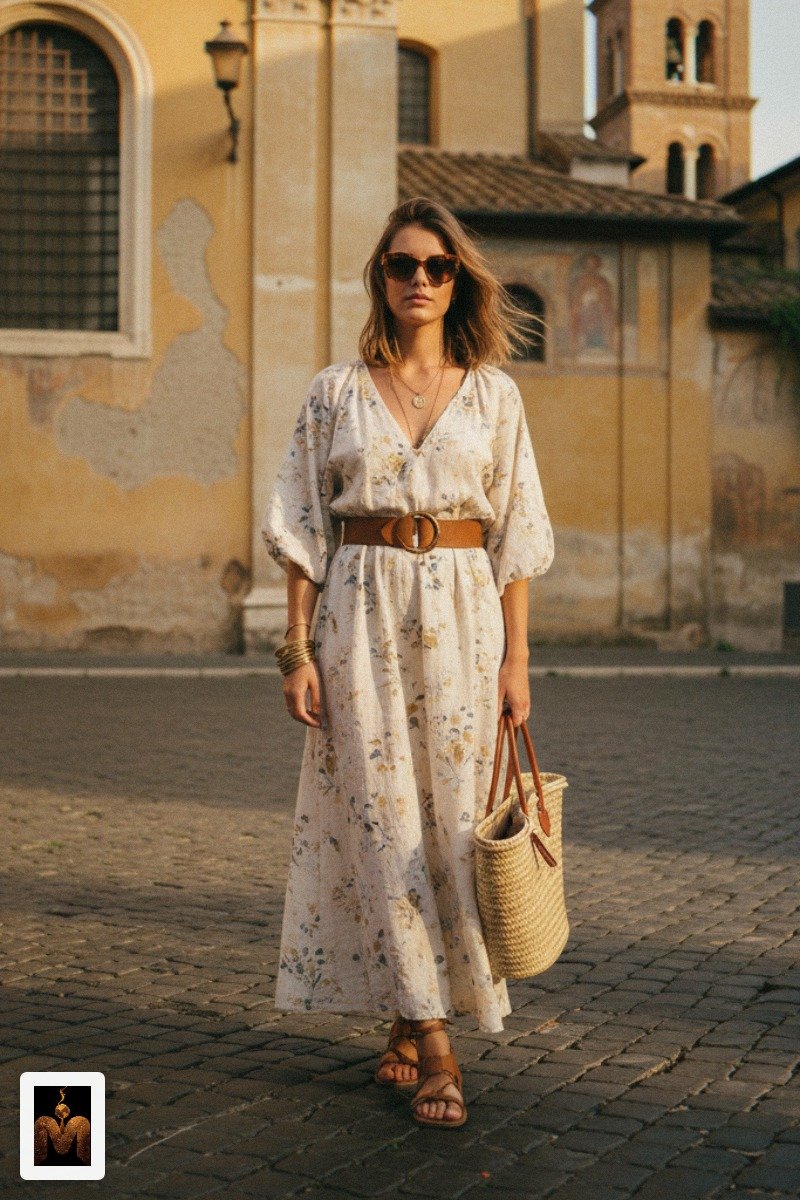
That flowy linen dress on the cobblestones is a tourist fantasy.
Dress for the city you’re actually in.