
I stood on the deck somewhere near Juneau in a windbreaker that had zero business being there.
My teeth were literally chattering.
And the woman next to me, bundled up like she’d done this a hundred times, just looked at me and smiled.
That was the moment I realized Alaska doesn’t care how prepared you think you are.
It humbles you fast, and it does it with wind, not heat.
So if you’re staring at your suitcase right now wondering what on earth qualifies as “cruise wear” for a place that can throw sun, sleet, and fog at you in the same afternoon, I’ve got you.
This is everything I’ve learned packing for Alaska trips, excursion by excursion, mistake by mistake.
Grab a coffee.
Let’s get you ready.
Layer Like Your Comfort Depends On It (Because It Does)

Alaska taught me the hard way that one thick jacket is not a strategy.
It’s a gamble.
The temperature on that ship can swing fifteen, twenty degrees between the time you leave your cabin and the time you’re standing at the rail watching a glacier calve.
So the real trick is thin layers, not bulky ones.
I pack a moisture-wicking base layer, something snug against the skin that pulls sweat away instead of holding onto it.
Then a mid layer, usually a fleece or a light wool sweater, because wool actually keeps you warm even when it’s damp, which matters more than people realize up there.
Then my shell layer goes on top, and that’s the one doing the heavy lifting against wind and rain.
The beauty of this system is you can strip down to just the base layer if you’re inside grabbing lunch, or stack all three if you’re out on deck at six in the morning trying to catch the sunrise over the water.
My personal hack: pack layers in colors that all match each other so you’re not standing there at five a.m.
trying to color-coordinate half asleep.
Neutrals, honestly, just make your life easier.
Charcoal, navy, olive, tan.
Mix and match without thinking twice.
And if you only remember one thing from this section, remember this.
Layers aren’t about looking cute, they’re about giving yourself options when the weather changes its mind, which in Alaska, it always does.
Rain Gear Is Not Optional, It’s the Whole Trip

I used to think rain jackets were kind of a joke, something you throw in “just in case.”
Alaska cured me of that thinking within about six hours.
The rain there isn’t dramatic, it’s not a storm you can see coming.
It’s this soft, constant mist that just sort of settles into everything, your hair, your bag, your mood if you’re not ready for it.
What actually works is a real waterproof shell, not water resistant, waterproof, with sealed seams and a hood that actually stays up in wind.
I learned this in Ketchikan, which gets more rain than almost anywhere else in the country, and my “water resistant” jacket soaked through in about twenty minutes.
Meanwhile my buddy standing next to me in a proper rain shell was completely dry, just grinning at me the whole time.
Waterproof pants are the move too if you’re doing anything outdoorsy, kayaking, hiking, anything near a rainforest trail.
They pack down small and you’ll be so glad you brought them the one day it actually pours.
A packable rain poncho is a nice backup for your daypack too, cheap insurance for five bucks.
Here’s the emotional truth of it though.
Staying dry in Alaska isn’t just about comfort.
It’s about actually being able to enjoy the moment instead of gritting your teeth through it, soaked and miserable, wishing you were back on the ship.
Trust me on the rain gear.
It’s the one category where I’d rather over-pack than under-pack, every single time.

Your Ultimate Caribbean Adventure Awaits!
Discover hidden coves, secret beaches, and the best rum punches in the islands. Your insider’s guide to Caribbean paradise.
Get Your Guide Now$15.99Footwear for the Wild, Muddy, Unpredictable Stuff

Your feet carry the whole trip, so this is where I tell people not to cheap out.
I brought one pair of hiking boots on my first Alaska trip and honestly, they saved me.
Waterproof, broken in before the trip, with actual tread for wet rock and packed dirt trails.
Because here’s the thing nobody tells you, a lot of these excursions involve mud.
Real mud, the kind that sucks at your shoes near waterfalls or on rainforest boardwalks that are slick from moisture.
I’d never break in new boots on the trip itself, that’s asking for blisters at the worst possible time, like halfway up a trail with no way back except walking it.
Wear them around your house for a few weeks before you go, even if it feels silly.
Wool hiking socks matter more than people think too, they keep your feet warm even when they get a little damp, which cotton socks just can’t do.
I always pack two pairs, one to wear and one as backup, because wet socks by midday can ruin an entire excursion for you.
If you’re doing anything with a chance of stream crossings or tide pool exploring, some kind of quick-dry water shoe is clutch too.
I learned this one during a tide pool walk near Sitka where half our group had soaked sneakers for the rest of the day.
My tip, and this is a small one but it matters, spray your boots with a waterproofing treatment a few days before you leave.
It genuinely extends how long they hold up against Alaska’s moisture, and it’s such an easy step people skip.
Comfortable Shoes for the Towns and Ports

Not every day is a hardcore hike, and honestly some of my favorite Alaska memories happened just wandering through port towns.
Skagway, Juneau, Ketchikan, they’ve all got these charming little streets with wooden boardwalks, local shops, and hills that sneak up on you.
So alongside your rugged boots, you want something more casual and walkable for these lower-key days.
I like a solid pair of sneakers with good arch support, nothing fancy, just something that can handle a full day of cobblestone streets and unexpected inclines.
Ketchikan in particular has these wooden plank walkways over the water that get slippery when wet, so grip matters even in “casual” shoes.
I made the mistake once of wearing flat, slick-soled shoes into town and nearly ate it on a wet boardwalk in front of a whole tour group.
Not my finest moment.
A little embarrassing, honestly, but it taught me fast.
I also always throw a pair of slip-on shoes into my daypack, something easy to kick off back on the ship without bending down and fumbling with laces after a long day.
It’s such a small comfort thing but it makes coming back onboard feel like exhaling.
My personal recommendation, if you’ve got room, bring three shoe options total, your rugged boots, your town sneakers, and something cozy for onboard evenings.
It sounds like a lot, but trust me, your feet will thank you by day four.
Dressing for the Deck: Whale Watching and Glacier Viewing

There is a very specific kind of cold that comes from standing still on a moving ship, watching a glacier, and I want you to be ready for it.
It’s not the same as walking cold, where your body generates its own heat.
This is standing-still cold, wind-chill cold, the kind that creeps in through your collar and your cuffs if you’re not careful.
For these moments, and there will be many, I always recommend your warmest layer combo plus a windproof outer shell, even if the forecast says it’s mild.
Wind off the water cuts right through anything that isn’t blocking it.
A neck gaiter or scarf is honestly one of my favorite little additions here, it protects that one spot, your neck, that always seems to get forgotten.
Insulated or fleece-lined gloves matter too, because you’ll want your hands free to hold binoculars or a camera, and frozen fingers fumbling with a zoom lens is a memory you don’t want.
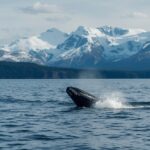
I learned this watching humpbacks breach near Icy Strait Point, completely mesmerized, and completely regretting my thin cotton gloves the entire time.
My tip, keep a small thermos of coffee or hot chocolate with you on deck mornings.
It’s such a simple comfort, but sipping something warm while watching a glacier calve into the water is one of those moments that just sticks with you.
Optional variation, if you run warm naturally, you can get away with slightly less layering, but I’d still bring the windproof shell no matter what.
Alaska wind doesn’t really negotiate.
Caribbean Paradise Unlocked
From pristine beaches to vibrant local culture, discover the Caribbean’s best-kept secrets with my comprehensive travel guide.
- 120+ Hidden Beach Secrets
- Local Cuisine Guide
- Budget Travel Tips
- Island Hopping Routes
Gear for Kayaking and Small Boat Excursions
If you’ve got a kayaking excursion booked, and I really hope you do because it’s one of the best ways to experience Alaska up close, packing changes a bit.

You’ll want quick-dry clothing, nothing cotton, because cotton holds water and stays cold against your skin for hours.
Synthetic or wool base layers under whatever splash gear the outfitter provides work best.
Most companies give you a dry suit or splash jacket, but what they don’t give you is dry socks for afterward, so pack an extra pair specifically for this excursion.
I always bring a small dry bag too, even if the outfitter has their own, just for my phone and any snacks I want to keep bone dry.
Water shoes or old sneakers you don’t mind getting wet are ideal here, since you’ll likely be wading in a little to launch.
I remember paddling near a fjord outside Whittier, water so still it looked like glass, and feeling so glad I’d worn quick-dry leggings instead of my usual jeans, which would’ve been miserable soaked through.
A small personal tip, tie your hat on with a strap or just skip the hat entirely for kayaking.
Wind and water have a funny way of stealing hats right off your head, and mine is somewhere at the bottom of a fjord now, probably.
Why this all matters emotionally, honestly, is that being properly dressed lets you actually be present.
You stop thinking about being cold or wet and start just noticing the silence, the mountains, the way sound carries differently over water like that.
That’s the whole point of the excursion in the first place.
Cold Weather Accessories You’ll Actually Use

The small stuff makes the biggest difference in Alaska, and I say that as someone who used to skip accessories entirely and regret it constantly.
A warm beanie is non-negotiable, you lose so much body heat through your head and Alaska wind will find that gap immediately.
Gloves, and I mean actual insulated gloves, not the thin knit ones that look nice but do nothing against real cold.
I like a thin glove liner under a thicker outer glove, because it lets you adjust warmth depending on the day without needing five different pairs.
A scarf or neck gaiter, like I mentioned earlier, protects that one exposed strip of skin that always seems to catch the wind first.
Hand warmers, the little disposable heat packs, are something I never used to bother with until my first Alaska trip, and now I bring a dozen every single time.
They’re cheap, they’re light, and dropping one into your glove or pocket during a long whale-watching session changes the entire experience.
My favorite little hack, keep a couple hand warmers in your daypack at all times, even on days that seem mild, because Alaska weather flips fast and you’ll be so glad you had them.
Sunglasses too, believe it or not, glacier glare off the water and ice is intense even on cloudy days.
I got a mild headache my first time out there before I figured that one out.
Why all this matters, honestly, is comfort compounds.
Cold hands and a cold head make everything feel harder and shorter than it needs to, and these small items cost you almost nothing in suitcase space.
Packing for Helicopter Tours and Dog Sledding

If you’ve got a helicopter excursion or a glacier dog sledding tour booked, pack a little differently for that day specifically.
These excursions often involve standing around at higher elevations or on actual glacier ice, which is a different kind of cold than sea level.
I always dress in my warmest full layering system on these days, base layer, mid layer, insulated outer shell, the whole setup.
Waterproof pants matter here too, since you’ll likely be kneeling or sitting near snow and ice at some point for photos, and nobody wants soaked jeans halfway through a heli tour.
Good waterproof boots are essential, not just water-resistant sneakers, since glacier ice means standing water and slush in random spots.
I did a dog sledding excursion outside Juneau and genuinely underestimated how cold it got just standing at the base camp waiting for our turn.
My hands were numb before we even got moving, and I wished so badly I’d brought a second pair of gloves as backup.
That’s my tip now, always bring backup gloves for these specific excursions, tucked into your daypack, because if the first pair gets wet from snow contact, you’re stuck.
Sunglasses are essential here too, glacier glare is no joke at elevation.
Optional variation, if you tend to run cold, consider hand warmers tucked into your boots as well as your gloves.
It sounds excessive until you’re standing on actual glacier ice for forty-five minutes, and then it makes total sense.
Your Ultimate Caribbean Adventure Awaits!
Discover hidden coves, secret beaches, and the best rum punches in the islands. Your insider’s guide to Caribbean paradise.
Get Your Guide Now$15.99Camera Gear and How to Actually Keep It Safe

Alaska is one of those places where you’ll want to capture everything, glaciers, wildlife, that impossibly blue color the ice gets in certain light.
So thinking through your camera setup ahead of time genuinely changes your experience.
I bring a simple rain cover for my camera, a cheap one, because moisture sneaks up on you fast even when it’s not technically raining.
A dry bag for my daypack is essential too, keeps my camera body and extra lenses safe during kayaking or small boat excursions where splash is a given.
Binoculars are honestly just as important as a camera for wildlife spotting, whales and eagles show up at distances your camera zoom just can’t always handle.
I didn’t bring binoculars my first trip and missed some incredible orca sightings because by the time I found them through my camera screen, they’d already dove back under.
Lesson learned, hard.
Extra batteries matter more here than almost anywhere else I’ve traveled, because cold weather drains battery life shockingly fast.
I keep spare batteries in an inside pocket, close to my body heat, since cold batteries lose charge quicker than warm ones.
My personal recommendation, a simple lens cloth in your pocket at all times, because mist and rain on your lens will ruin more shots than you’d expect.
Why this matters emotionally, honestly, is that nothing’s worse than watching a glacier calve and realizing your camera’s dead or your lens is fogged.
These moments don’t repeat themselves, so a little gear prep goes a long way toward actually capturing them.
Smart Packing Strategy: Cubes, Layers, and Space

Alaska packing lists get long fast, layers, rain gear, boots, cameras, and your suitcase has limits, so strategy matters here.
I swear by packing cubes now, after years of just shoving everything into one bag and losing my mind trying to find a single warm sock.
I organize mine by category, one cube for base layers, one for mid layers, one for accessories like gloves and hats.
It sounds a little type-A, I know, but it genuinely saves so much frustration when you’re trying to layer up quickly before an early excursion.
Rolling clothes instead of folding saves noticeable space too, and it cuts down on wrinkles for those nicer dinner outfits.
I always pack one empty tote or packable duffel too, folded flat in my suitcase, because you will buy things in these port towns.
Local wool, handmade jewelry, that one weird but wonderful souvenir you didn’t plan for.
Having extra bag space for the trip home has saved me more than once.
My personal hack, pack your rain gear and one full layering system in your carry-on, not checked luggage, in case bags get delayed getting to the ship.
You do not want to start an Alaska trip without a rain jacket because your suitcase is still somewhere in Seattle.
Optional variation, if you’re tight on space, choose versatile neutral colors so every layer can mix with every other layer without needing five separate outfit combos.
Skin, Lips, and the Dry Air Nobody Warns You About

This one surprises people every time, but Alaska air, especially on the water and at higher elevations, is drier than you’d expect for such a cold, wet-looking place.
My lips cracked on my first trip within about two days, and I genuinely didn’t see it coming.
A solid lip balm with SPF is something I now never travel without, since sun reflecting off water and ice is stronger than people assume, even on cloudy days.
Moisturizer, a thicker one than you’d normally use, helps a ton too, especially for your hands which take a beating from cold wind and constant washing.
Sunscreen, and I cannot stress this enough, is not just a summer beach thing.
Glacier and water glare will burn you faster than you’d think, and I learned that the uncomfortable way after one bright afternoon on deck.
A small travel-size hand cream in your daypack is a nice touch too, something you can reapply after being out in the wind all morning.
I like ones with shea butter or something thick, since lighter lotions just don’t hold up against that kind of cold exposure.
My personal tip, a hydrating face mist or a simple moisturizing spray feels incredible after a long day outside, it’s such a small thing but it makes evenings onboard feel a little more like a reset.
Why it matters, honestly, is that dry, wind-burned skin makes you feel worn out even when you’re not, and a little care here keeps you feeling like yourself the whole trip.
Caribbean Paradise Unlocked
From pristine beaches to vibrant local culture, discover the Caribbean’s best-kept secrets with my comprehensive travel guide.
- 120+ Hidden Beach Secrets
- Local Cuisine Guide
- Budget Travel Tips
- Island Hopping Routes
The Small Extras That Make a Real Difference

Beyond the big categories, there’s this handful of small items that genuinely shape how smooth your trip feels day to day.
A reusable water bottle, because staying hydrated in cold climates gets overlooked constantly, people forget to drink water when they’re not sweating from heat.
Any daily medications, obviously, packed in your carry-on rather than checked luggage, just in case.
Motion sickness remedies too, even if you don’t usually get seasick, since some passages can get a little choppy and it’s better to have it and not need it.
A small first aid kit with blister pads is something I never skip anymore, after a rough day of hiking left my heel raw and I had nothing to help.
Snacks, some good trail mix or protein bars, for those early excursion mornings before the ship’s breakfast opens.
A portable phone charger is clutch too, especially on days you’re out taking photos all day and your battery’s draining fast.
Ear plugs, if you’re a light sleeper, since some cabins pick up more engine hum than others.
My personal favorite little extra, a small notebook.
I know it sounds old-fashioned, but jotting down little moments each night, the color of the water that day, something a local said in port, turned into one of my favorite souvenirs from the whole trip.
Why all of this matters, at the end of the day, is that the small stuff is what keeps you comfortable enough to actually soak in the big stuff, the glaciers, the wildlife, the quiet.
That’s really what this whole list comes down to.