
People ask me this more than anything else, and my answer always surprises them.
Late May and early June are my favorite window, hands down.
The crowds are thinner, the wildflowers are just waking up, and you’ve still got a real shot at long, golden evenings.
July is peak season for a reason, the weather is at its most reliable and the whales are everywhere.
But it’s also the busiest, and Skagway can feel like a theme park by midday.
I sailed in mid-September once and got some of the best Northern Lights conditions of my life, plus a noticeably emptier ship.
The tradeoff is that some shore excursions start shutting down for the season, so you lose a little flexibility.
My honest take: if this is your first time and you want the classic experience, aim for the first two weeks of June.
You get the magic without the mob.
And if you’ve already done the bucket-list version once, a shoulder season sailing feels like a completely different trip, in the best way.
Big Ship or Small Ship? Why It Matters More Than You Think

This is the decision that shapes your entire trip, more than the cruise line name on the side of the boat.
The big mainstream ships are floating resorts, and there’s nothing wrong with that.
You get water slides, Broadway-style shows, and enough dining options that nobody in your group has to compromise.
But they’re also limited to the bigger ports, which means you’re seeing Alaska from a distance a lot of the time.
I took a smaller expedition-style ship on my second trip and it changed how I think about cruising entirely.
We pulled into coves the big ships physically can’t fit into, and twice we had zodiac boats out watching bears on the shoreline before breakfast.
There’s a real intimacy to it that I didn’t expect to love as much as I did.
If you’ve got kids or you’re traveling with a big group that wants options, go big ship, no shame in that at all.
If you’re after that quiet, almost private-expedition feeling, save up for the smaller line.
I’m not going to pretend one is objectively better, because honestly, it depends entirely on what kind of trip you’re craving.
Inside, Outside, or Balcony — What’s Actually Worth the Money
I used to think balconies were a tourist trap, just a markup for a view you’ll barely use.

I was wrong, and I’ll admit that freely.
In Alaska specifically, the scenery moves past you constantly, glaciers, fjords, the occasional pod of orcas cutting through the wake.
Having that balcony meant I could step outside in my socks at six in the morning with a cup of coffee and just watch the coastline change.
That’s worth something you can’t really put a price on.
That said, if budget is tight, an outside cabin with a window still gets you natural light and a sense of where you are.
Inside cabins are fine for sleeping, and if you’re the type who’s never in the room anyway, you’ll save real money going that route.
My personal hack: book a balcony for at least the days you’ll be cruising through Glacier Bay or the Inside Passage, even if it means a smaller cabin overall.
Those are the days the view actually matters.
On port days, you’re off the ship anyway, so the cabin view barely factors in.
Spend where the experience actually lives, that’s the real rule here.
The Ports That Stuck With Me Most
Juneau surprised me the most out of everywhere I stopped.

It’s the only state capital in the country you can’t drive to, and that isolation gives it a strange, wonderful energy.
I took the tram up Mount Roberts and the whole bay opened up below me, ships looking like toys in the water.
Skagway feels like stepping onto a movie set from the Gold Rush era, wooden boardwalks and all.
Walk the actual streets the prospectors walked, and it sinks in fast how brutal that whole era really was.
Ketchikan is where I fell in love with totem poles, there’s something humbling about standing in front of carvings that old.
It’s also home to some of the best fresh salmon I’ve ever eaten, straight off the boat that morning.
Icy Strait Point gets overlooked by a lot of first-timers, and that’s a mistake in my book.
It’s smaller, quieter, and the wildlife viewing there rivaled anything I saw in the bigger ports.
If your itinerary includes it, don’t treat it as a throwaway stop.
Each port has its own personality, and rushing through them to check a box misses the whole point of going.

🗼 I Wrote a Book About My Japan Travel Catastrophes!
Before I landed in Tokyo, I thought I was the “Final Boss” of international travel. Spoiler alert: I WASN’T. 😅
🚅 I boarded the wrong Shinkansen and ended up in THE WRONG CITY. I confused locals with my “expert” bowing that was more awkward than accurate. I accidentally stumbled into a high-stakes Kendo practice thinking it was a tourist show. Sound like something you’d do?
“Things I Wish I Knew Before Going to Japan” is your shortcut to avoiding ALL my cringe-worthy mistakes. ✨ Inside, you’ll find practical, LIFE-SAVING tips on etiquette, transport, money, and hidden gems that will save you time, money, and a whole lot of confusion.
Glacier Bay and the Days You Don’t Leave the Ship

Nobody warns you how emotional a scenic cruising day can actually be.
You don’t get off the ship at all, the ship itself just slowly moves through some of the most dramatic terrain on the planet.
I stood on deck for almost four straight hours in Glacier Bay and barely noticed the time passing.
There’s a stillness out there that’s hard to describe until you’ve felt it yourself.
National Park rangers actually come aboard for these days on most itineraries, and their commentary adds a layer of context you didn’t know you needed.
Bring binoculars, this is the one day I’d consider that gear non-negotiable.
Mountain goats on impossibly steep cliffs, harbor seals lounging on ice floes, and if you’re lucky, a glacier calving right in front of you.
Dress warmer than you think you need to, the deck gets cold fast when the ship slows down.
I layered up and still ended up borrowing a blanket from the deck attendant.
This is the day that made the whole trip worth it for me, more than any single port.
Don’t book an excursion that pulls you away from this if you have a choice.
Whale Watching and Wildlife Excursions Worth Booking

I’ll be straight with you, not every wildlife excursion delivers, and I’ve sat through a couple of disappointing ones.
But a proper whale watching tour out of Juneau or Sitka is about as close to a guarantee as nature offers.
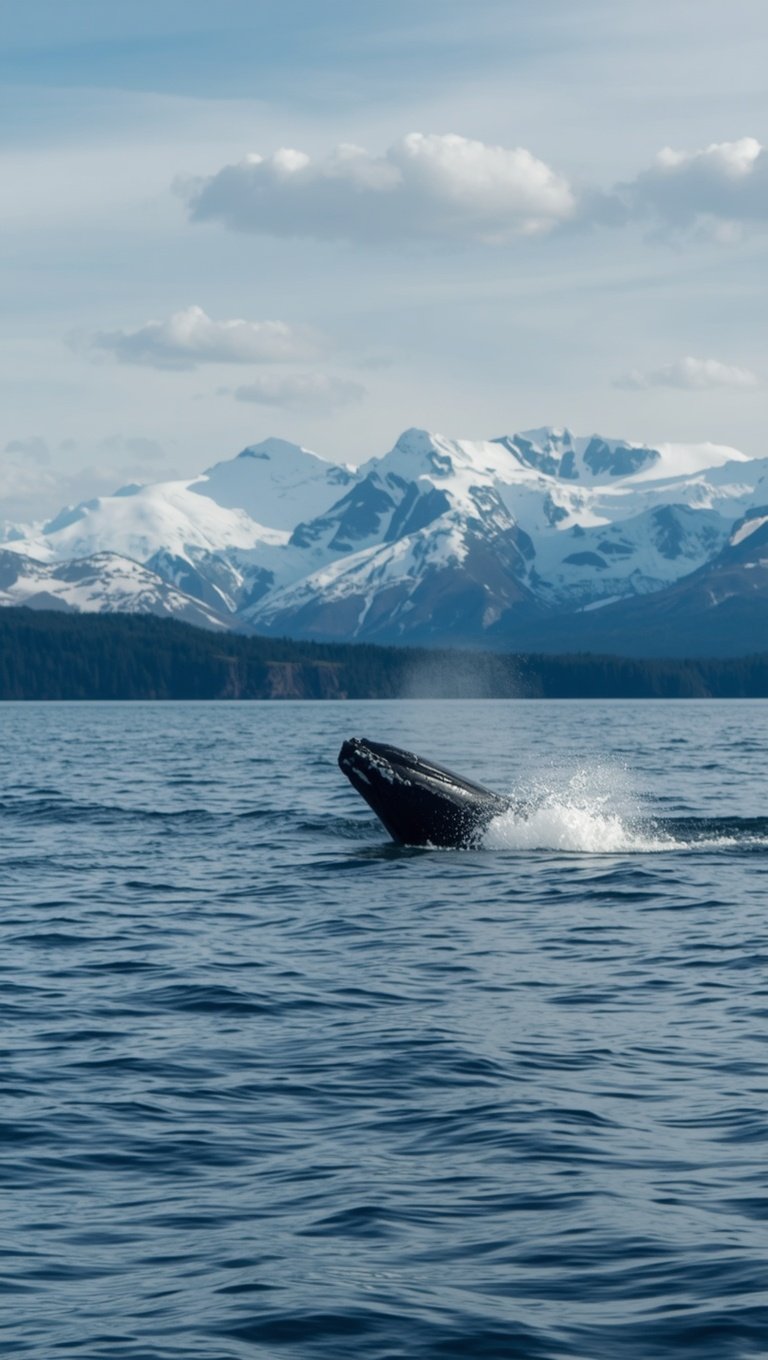
I watched a humpback breach fully out of the water maybe thirty yards from our boat, and the whole group went silent for a second before everyone started cheering at once.
That sound still gives me chills thinking about it.
Book through a smaller operator if you can, the bigger tour boats sometimes feel like cattle calls.
Bear viewing tours are pricier and require more of a commitment, usually a floatplane ride is involved, but if it’s in your budget, do it once in your life.
I watched a mother bear teach her cubs to fish for salmon, and it felt like watching a nature documentary unfold live in front of me.
Eagle viewing is the easy win here, you genuinely don’t even need an excursion for this one.
I saw more bald eagles just standing on my balcony than I expected to see in a lifetime.
Keep your camera close at all times, because the wildlife doesn’t wait for you to get ready.
The Adventure Excursions I’d Do Again in a Heartbeat

Helicopter rides to a glacier landing are expensive, and I almost talked myself out of it both times.
I’m so glad I didn’t, because standing on a glacier with nothing but white in every direction is unlike anything else I’ve experienced.
Dog sledding on a glacier sounds like a gimmick until you’re actually doing it, and then it becomes the story you tell for years.
The huskies are absurdly happy to see you, and the mushers genuinely love what they do, it shows in every interaction.
Zip-lining through the rainforest canopy in Ketchikan gave me views of the harbor I never would have gotten otherwise.
It’s also just plain fun, in a way that breaks up all the scenery-gazing nicely.
I’d skip the panning-for-gold tours if you’re tight on time, they’re fine but pretty low on the memorable scale compared to everything else on offer.
Kayaking near a glacier face was the sleeper hit of my whole trip, quiet, a little eerie, and completely beautiful.
You hear the ice groaning before you ever see it move.
Book the bigger-ticket adventure excursions early, they sell out fast once the ship’s app opens up.
I learned that the hard way and missed out on a glacier landing my first trip because I waited too long.
What I Pack Every Single Time (And What I Regret Bringing)

Layers, layers, and then one more layer just in case.
Alaska weather changes its mind constantly, sometimes within the same hour.
A waterproof shell jacket is the single most useful thing in my suitcase, more than any other item I bring.
I pack a fleece, a light base layer, and a packable down jacket, and I rotate them depending on the day.
Waterproof hiking shoes matter more than people expect, the docks and trails get wet and slick more often than not.
I made the mistake of bringing nice sneakers on my first trip and regretted it by day two.
Binoculars are worth the suitcase space, especially for scenic cruising days and wildlife excursions.
A dry bag is a small thing that saves you on kayaking or zodiac excursions when spray is inevitable.
I overpacked formal wear my first trip, thinking I needed it for dinner, and barely touched half of it.
One nice outfit covers you for the fancier dining nights, you really don’t need more than that.
Sunscreen surprises people, but the sun reflecting off water and ice is stronger than you’d think, even when it’s cool out.
Eating Onboard — Where to Splurge and Where to Skip

The included dining on most ships is genuinely good, better than people expect going in.
I never felt like I was missing out by skipping the specialty restaurants every single night.
That said, a steakhouse dinner one night of the cruise feels like a nice treat, especially after a long excursion day.
I splurged on a seafood-focused specialty restaurant on my second trip and the king crab alone was worth the upcharge.
Room service breakfast on a scenic cruising morning is one of my favorite small luxuries, coffee in bed while glaciers drift by.
Buffet quality varies more than the formal dining room, so I lean toward the sit-down option when I’m not in a rush.
Local food in port beats almost anything onboard, don’t skip a chance to eat fresh salmon or halibut right off the boat in Ketchikan.
I still think about a tiny chowder shack in Juneau more than any onboard meal from that whole trip.
Drink packages are worth doing the math on before you commit, they only pay off if you’re a consistent drinker throughout the day.
I skipped it my second trip and didn’t miss it.
Save your splurges for the experiences you can’t get at home, that’s where the real value sits.
The Hidden Costs Nobody Warns You About

The cruise fare is just the entry ticket, and that caught me off guard the first time around.
Excursions add up fast, especially the adventure-heavy ones like helicopter tours or bear viewing.
Gratuities get added automatically most of the time, and they’re not small, so build that into your real budget early.
Wifi onboard is expensive and often slow, I’d skip the package unless you genuinely need to stay connected for work.
Specialty dining and drink packages are optional, but they’re priced to tempt you constantly throughout the trip.
Port shopping is its own trap, jewelry stores in particular are aggressive about deals that aren’t really deals.
I budgeted an extra few hundred dollars per port for excursions and incidentals, and I still went over both times.
My honest hack is to build your excursion budget before you even book the cruise, then add twenty percent on top of that number.
You’ll thank yourself later when you’re not stressing over the final onboard bill on the last night.
Flights to the embarkation city add up too, especially if you’re flying into Seattle or Vancouver from somewhere far.
Treat the cruise fare as maybe sixty percent of your real total cost, and you won’t be blindsided.
🗼 I Wrote a Book About My Japan Travel Catastrophes!
Before I landed in Tokyo, I thought I was the “Final Boss” of international travel. Spoiler alert: I WASN’T. 😅
🚅 I boarded the wrong Shinkansen and ended up in THE WRONG CITY. I confused locals with my “expert” bowing that was more awkward than accurate. I accidentally stumbled into a high-stakes Kendo practice thinking it was a tourist show. Sound like something you’d do?
“Things I Wish I Knew Before Going to Japan” is your shortcut to avoiding ALL my cringe-worthy mistakes. ✨ Inside, you’ll find practical, LIFE-SAVING tips on etiquette, transport, money, and hidden gems that will save you time, money, and a whole lot of confusion.
Should You Add Denali or Anchorage Before/After?

If you’ve got the extra days, do it, I genuinely think it rounds out the whole trip.
A cruise shows you the coastline, but Denali shows you a completely different side of Alaska entirely.
I added a three-day land extension on my second trip and it might have been my favorite part of the whole vacation.
Seeing Denali itself, even partially, since the mountain famously hides behind its own weather, felt like a totally separate bucket-list moment.
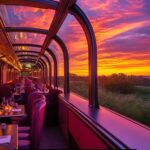
The train ride from the port area up toward the interior is stunning in its own right, glass-domed cars and all.
Anchorage is a smaller add if you’re short on time, a day there gives you a taste of city life sandwiched between wilderness.
I’d prioritize Denali over Anchorage if you have to pick just one, the wildlife and scale of the landscape there is unmatched.
Book the land portion through the cruise line if you want zero logistics headaches, it costs a bit more but it’s seamless.
Or piece it together yourself if you don’t mind a little extra planning and want more control over the pace.
Either way, give yourself at least two extra days if you can swing it.
You came all this way, might as well see more than just the coast.
Picking Your Cabin Location Like You Mean It

Midship cabins are the safe bet if you’re worried about motion at all.
They sit closer to the ship’s center of gravity, so you feel less rocking even in choppier water.
I get a little queasy on open water, and a midship cabin made a noticeable difference for me on both trips.
Higher decks sway more than lower ones, something I didn’t think about until my first trip taught me the hard way.
If seasickness isn’t a concern for you at all, a higher deck with a balcony gives you a slightly better vantage point for wildlife spotting.
Avoid cabins directly under the pool deck or near late-night entertainment venues, the noise carries more than you’d expect.
I learned that lesson once and spent half the trip hearing furniture being moved above me at midnight.
Aft cabins get a unique wake view that I personally love, watching the ship’s trail unfurl behind you as it cruises.
They can experience a bit more vibration from the engines though, so it’s a tradeoff worth knowing about going in.
My go-to now is midship, balcony, somewhere in the middle decks.
It’s the sweet spot between comfort, view, and quiet that’s worked for me both times.
The Mistakes I Made So You Don’t Have To

I underestimated how cold the wind gets on deck during scenic cruising, even when the air temperature seemed mild.
Bring more layers than feels necessary, I promise you’ll use them.
I booked excursions too late the first time and missed out on the glacier landing entirely because it sold out.
Book your must-do excursions the moment they open, even if your final itinerary isn’t fully locked yet.
I packed too much formal clothing and not enough practical outdoor gear, a ratio I completely flipped by my second trip.
I didn’t research ports ahead of time and ended up wandering aimlessly in Skagway instead of seeing the things I actually wanted to see.
A little planning the night before each port made my second trip feel completely different, more intentional.
I skipped travel insurance once, telling myself nothing would go wrong, and a flight delay nearly cost me the first day of the cruise.
Now I never sail without it, the cost is small compared to the risk.
I also didn’t bring cash for tipping tour guides on excursions, which felt awkward more than once.
Small bills in your daypocket save you that scramble, trust me on this one.