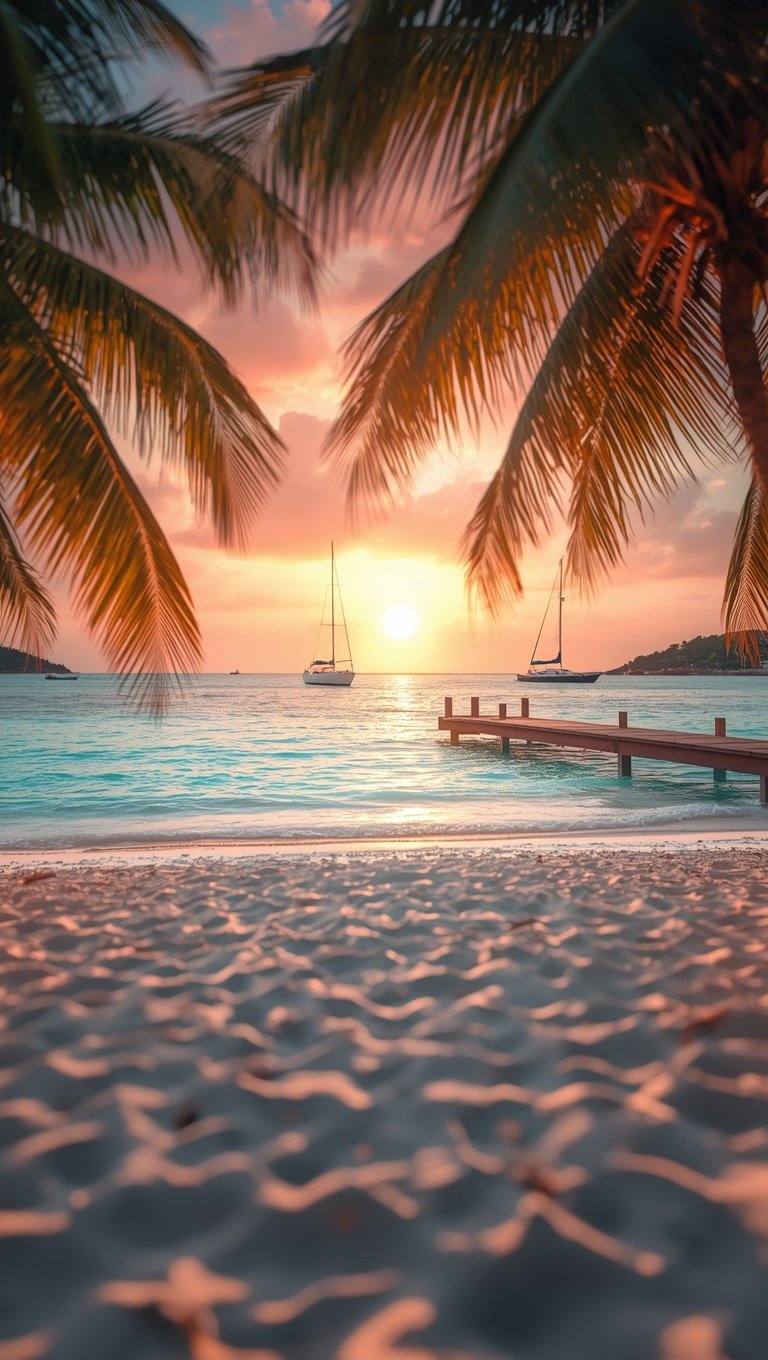

There’s this exact moment I chase every single time.
It’s that first second stepping off a plane when the heat hits your skin like a hug you didn’t know you needed.
I felt it landing in a tiny airport last winter, sweater still on, sweating within ninety seconds.
And I laughed out loud, alone, because nothing fixes my head like warm air and salt water.
Cold weather makes me efficient.
Warm weather makes me human again.
So if you’ve been stuck in that gray, sluggish, scrolling-flights-at-midnight phase, I get it.
I’ve been there more times than I can count.
This one’s for you.
The Pull Toward Warm Weather Isn’t Just About the Weather

I used to think I just hated being cold.
Turns out it’s deeper than that.
There’s something about heat that slows my brain down in the best way.
You stop rushing.
Your shoulders drop about two inches without you even noticing.
I remember sitting on a porch in the Yucatan a few years back, just listening to fans spin and birds argue with each other.
No agenda.
No jacket.
Nowhere to be.
That’s the real draw, honestly.
It’s not the tan or the cocktail with the little umbrella, although sure, I won’t say no to either.
It’s permission to slow down that cold climates rarely give you.
Cold weather feels like survival mode.
Warm weather feels like recovery mode.
And I think a lot of us are walking around starving for recovery mode without realizing it.
So when I start feeling that low hum of burnout creeping in, I don’t reach for another coffee.
I start checking flight prices to somewhere humid.
It sounds simple because it is simple.
Sometimes the fix isn’t complicated, it’s just warmth, salt air, and a little distance from your inbox.
If you take nothing else from this post, take that.
Your nervous system might just need heat more than it needs a vacation itinerary.
Picking Your Vibe: Beach, Jungle, or Desert

Not all warm getaways feel the same, and that took me years to figure out.
Beach trips are about surrender.
You’re not doing much besides existing near water, and honestly, that’s the whole point.
Jungle trips are different.
They’re alive, loud, a little chaotic, and they wake something up in you.
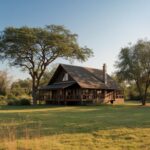
I did a jungle lodge stay in Costa Rica once and barely slept because the sounds outside my window were so wild.
I loved every second of it.
Desert trips are their own thing entirely.
Quiet in a way that almost feels loud.
Big skies, dry heat, and this strange sense of being very small in a good way.
I did a desert weekend in Arizona last spring and came home calmer than I’d been in months.
So here’s my honest take.
If you’re depleted, go beach.
If you’re craving stimulation and stories, go jungle.
If you want clarity and quiet, go desert.
There’s no wrong answer here, just different prescriptions for different kinds of tired.
My personal favorite shifts every year depending on what my life looks like at the time.
Right now I’m in a desert phase, if I’m being honest.
Ask me again in six months and I might say jungle.
That’s kind of the fun part.
Packing Light, Packing Smart

I used to be a chronic over-packer.
Two suitcases for four days, ridiculous.
Then I did a ten day trip with one carry-on and it changed how I travel forever.
Warm weather trips actually make this easier than you’d think.
Lighter fabrics, fewer layers, way less bulk.
My rule now is three tops for every bottom, one pair of sandals, one pair of real shoes.
That’s it.
Linen is my best friend on warm trips.
It breathes, it dries fast, and honestly it looks effortlessly put together even when you’ve slept on a plane.
A good lightweight button-up does double duty as beachwear and dinner wear.
I never travel without one anymore.
Sunscreen takes up real estate in my bag and I don’t care.
Skipping it once in Mexico taught me a painful lesson I won’t repeat.
A small dry bag is another non-negotiable for me.
Phone, wallet, passport, all protected if you end up near water unexpectedly, which happens more than you’d think.
My personal hack is rolling clothes instead of folding.
Fits more, wrinkles less, takes thirty seconds to learn.
Pack like you’re trying to disappear into the trip, not haul your whole closet with you.
Lighter bag, lighter shoulders, lighter mood.
It really is that connected.
🗼 I Wrote a Book About My Japan Travel Catastrophes!
Before I landed in Tokyo, I thought I was the “Final Boss” of international travel. Spoiler alert: I WASN’T. 😅
🚅 I boarded the wrong Shinkansen and ended up in THE WRONG CITY. I confused locals with my “expert” bowing that was more awkward than accurate. I accidentally stumbled into a high-stakes Kendo practice thinking it was a tourist show. Sound like something you’d do?
“Things I Wish I Knew Before Going to Japan” is your shortcut to avoiding ALL my cringe-worthy mistakes. ✨ Inside, you’ll find practical, LIFE-SAVING tips on etiquette, transport, money, and hidden gems that will save you time, money, and a whole lot of confusion.
Where to Stay: Boutique Gems Over Big Resorts

I’ve done the giant resort thing.
All-inclusive bracelet, buffet lines, the whole deal.
It’s fine, but it never felt like travel to me.
It felt like a really nice version of staying home.
Boutique stays hit different.
Smaller, run by people who actually live there, full of character you can’t manufacture.
I stayed at this tiny eight-room place in Tulum once where the owner remembered my coffee order by day two.
That kind of thing sticks with you.
You learn more about a place from one conversation with a local host than from a week at a chain resort.
My tip is to look for properties with under twenty rooms when you’re booking.
Smaller numbers usually mean more personality and more attention.
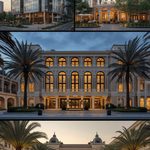
Open-air common spaces are another thing I look for now.
Something about eating breakfast with a breeze coming through just feels right in warm climates.
Big air-conditioned lobbies kind of kill the mood for me.
I want to feel like I’m actually somewhere, not in a climate-controlled bubble that could be anywhere.
Variation here matters too.
If you’re traveling with kids, a small family-run resort with a pool might beat a boutique inn with thin walls.
Match the stay to the trip, not just the aesthetic.
But if it’s just you, or you and a partner, go small every time.
You won’t regret it.
Timing It Right: Shoulder Season Magic

Peak season gets all the hype and honestly, it’s overrated.
Crowded beaches, inflated prices, restaurants you can’t get into.
Shoulder season is where the magic actually lives.
I learned this by accident, booking a trip a few weeks before what I thought was peak time.
Turns out I’d landed right in that golden window.
Fewer people, lower prices, and the weather was honestly still great.
So now I actually plan around it on purpose.
A little research into a destination’s rainy patterns versus its truly unbearable hot stretches goes a long way.
Most places have a sweet spot that locals know and tourists miss.
My go-to move is asking actual locals, not review sites, when the best time really is.
They’ll tell you the truth because they’re not trying to sell you anything.
I did this in Portugal and ended up there during a stretch that felt like a secret.
Warm, sunny, half-empty beaches.
It felt like I’d found a cheat code.
And the savings were real too, sometimes thirty or forty percent off peak pricing for nearly identical weather.
That’s money I’d rather spend on a good dinner than a crowded one.
Shoulder season isn’t a compromise.
Honestly, I think it’s the upgrade.
Solo Escape vs Bringing Your Crew

There’s a version of me that needed to travel alone to figure that out.
My first solo warm-weather trip was terrifying for about a day.
Then it became one of the best decisions I’d made in years.
Solo travel forces a kind of presence you don’t get otherwise.
No one to check in with, no group consensus needed for dinner.
Just you, your instincts, and whatever the day brings.
I made a friend at a beach bar in Nicaragua that I still talk to.
That never happens when you’re traveling in a pack.
But group trips have their own kind of magic too.
There’s something about watching your people relax in real time, away from routines and responsibilities.
I took four buddies to a beach house last year and the laughter alone made it worth every dollar.
My honest advice is to do both eventually, just not on the same trip.
Solo trips teach you about yourself.
Group trips remind you why you love the people in your life.
If you’re nervous about going solo, start small.
A long weekend somewhere warm and easy is a good entry point.
You’ll surprise yourself.
I know I did.
I know I did.
Eating Like a Local

I plan entire trips around food now, no shame in that.
Tourist menus are usually a watered-down version of what a place actually tastes like.
My rule is simple: if a menu has photos of the food, I keep walking.
The best meal I’ve had in years came from a roadside stand in Thailand with no English menu and four plastic stools.
I pointed at what someone else was eating and got the best curry of my life.
That kind of moment doesn’t happen in a hotel restaurant.
So now I make it a point to eat where the locals eat, even if it means a little awkward pointing and gesturing.
Markets are another favorite of mine.
Fresh fruit you’ve never heard of, snacks you can’t pronounce, all worth trying once.
My tip is to ask your boutique host or a cab driver where they actually eat.
Not where they’d send a tourist, where they personally go.
That question alone has led me to some of my favorite meals on earth.
Street food gets a bad reputation it doesn’t deserve.
High turnover, fresh ingredients, and usually cooked right in front of you.
I trust it more than half the sit-down restaurants I’ve eaten at.
Food is memory, honestly.
I can tell you exactly where I was the first time I tried real ceviche.
That’s the kind of souvenir that actually lasts.
Skipping the Tourist Traps

Every destination has that one spot everyone photographs.
And every time, the real version is somewhere quieter, five minutes away.
I learned this the hard way standing in a line for two hours just to see a viewpoint that turned out to be packed shoulder to shoulder.
Now I do a little digging before I go.
Local blogs, small travel forums, even just asking my boutique host directly.
There’s almost always a lesser-known version of the famous thing, and it’s usually better.
I found a beach in Bali once that was a fifteen minute walk from the famous one everyone posts about.
Nearly empty, same water, same sunset.
I sat there for three hours and didn’t see another tourist.
That’s the kind of moment you can’t manufacture by following the crowd.
My tip here is to build in unstructured time on purpose.
Don’t fill every hour with the “must-see” list.
Leave room to wander and stumble onto something nobody told you about.
Some of my favorite travel memories were never on any itinerary.
A random alley, a tiny restaurant, a conversation with a stranger.
Those things don’t show up in guidebooks.
So go see the famous spot if you want, I’m not against it.
Just don’t let it be the whole trip.
Budget Hacks for Warm Trips

Warm destinations have this reputation for being expensive, and sometimes that’s just not true.
A lot of the most beautiful warm-weather spots are actually some of the most affordable.
My biggest hack is flying into a slightly less obvious airport and taking a short transfer instead of paying premium prices for the “main” one.
Saved me a few hundred dollars more than once.
Booking accommodations directly with the property instead of through big platforms can also save real money, and you usually get better communication too.
I do this almost every time now.
Eating where locals eat isn’t just better, it’s cheaper.
Tourist-area restaurants mark up prices in a way that’s honestly a little wild.
My other go-to is traveling with a flexible date range instead of fixed dates.
Even shifting a trip by three or four days can change flight prices dramatically.
I’ve saved real money just by being willing to leave on a Tuesday instead of a Friday.
Travel insurance feels like an extra cost until the one time you actually need it.
I learned that lesson on a trip that got rerouted unexpectedly, and I was very thankful I’d paid the small fee upfront.
None of this requires sacrificing the experience.
It just means being a little more intentional with where your money goes.
I’d rather save on the flight and spend more on one incredible dinner.
That’s just how I budget now.
🗼 I Wrote a Book About My Japan Travel Catastrophes!
Before I landed in Tokyo, I thought I was the “Final Boss” of international travel. Spoiler alert: I WASN’T. 😅
🚅 I boarded the wrong Shinkansen and ended up in THE WRONG CITY. I confused locals with my “expert” bowing that was more awkward than accurate. I accidentally stumbled into a high-stakes Kendo practice thinking it was a tourist show. Sound like something you’d do?
“Things I Wish I Knew Before Going to Japan” is your shortcut to avoiding ALL my cringe-worthy mistakes. ✨ Inside, you’ll find practical, LIFE-SAVING tips on etiquette, transport, money, and hidden gems that will save you time, money, and a whole lot of confusion.
Adding Adventure: Hikes, Dives, Rides


Lounging has its place, don’t get me wrong.
But I always feel better on a trip when I’ve moved my body at least once.
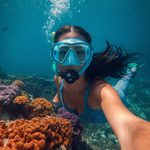
Snorkeling changed how I see warm-weather travel entirely.
The first time I saw a reef up close, genuinely, I got a little emotional.
There’s a whole world down there most people never see.
Hiking is another favorite, especially early morning before the heat really sets in.
I did a sunrise hike in Costa Rica that ended with a waterfall completely to myself.
Worth every drop of sweat to get there.
Renting a scooter or small motorbike in the right destination can also open up parts of a place you’d never see by car.
My tip is to always ask locals about conditions and routes before doing this one.
Safety first, always.
Even something as simple as a bike rental along a coastline can turn an ordinary afternoon into a core memory.
I rented one in Vietnam on a whim and ended up exploring for six hours straight.
No plan, just curiosity.
Adventure doesn’t have to mean extreme.
It just means saying yes to the thing that scares you a little.
That’s usually where the best stories come from.
I’ve never regretted saying yes.
I’ve only ever regretted the times I didn’t.
Slowing Down and Unplugging

This one took me the longest to actually learn.
For years I traveled with my phone glued to my hand, documenting everything instead of experiencing it.
Then on a trip to the Caribbean, my phone died on day two and I didn’t bother charging it.
Best three days of that whole trip.
I noticed things I would have scrolled right past otherwise.
The exact color the sky turns right before sunset.
The sound of waves when there’s no music playing over them.
My tip now is to build in at least one phone-free day on every trip, no exceptions.
It’s uncomfortable at first, I won’t lie.
But by hour three you stop reaching for it out of habit.
Warm weather destinations are made for this kind of slowness.
Hammocks exist for a reason.
So do long lunches that stretch into early evening without anyone checking the time.
I’ve started leaving my watch at home too, just to remove one more marker of urgency.
It sounds small but it changes the whole rhythm of a day.
You stop rushing toward the next thing and start actually being in the thing you’re already doing.
That’s the whole point of getting away, really.
Not just a change of scenery, but a change of pace.
Chasing Golden Hour

I’m a little obsessed with golden hour, I’ll just admit it now.
There’s something about that low warm light that makes everything look like a memory before it’s even over.
I’ve planned entire evenings around being in the right spot when it hits.
Sounds extra, I know.
Worth it every single time though.
My favorite golden hour memory is sitting on a rooftop in Mexico City watching the whole sky turn orange and pink at once.
Didn’t take a single photo.
Just watched it happen.
That’s become my rule now, actually.
One golden hour per trip with no camera at all.
Just presence.
It forces you to actually be there instead of capturing there for later.
My tip for chasing the best light is asking locals where they go to watch the sunset, not where the tourists go.
Locals usually know a quieter rooftop or hidden beach that doesn’t make it onto any list.
I found one of my favorite spots on earth this way, a small dock outside a fishing village with maybe three other people around.
Golden hour does something to your nervous system, honestly.
Everything softens.
Even your thoughts seem to slow down a little.
If you only build one ritual into your warm-weather trips, make it this one.
You won’t regret carving out that thirty minutes.
Letting the Culture In

It’s easy to travel somewhere warm and never actually meet the place.
Beach, pool, repeat.
I did that for years before realizing I was missing the whole point.
Now I make it a priority to learn at least five words of the local language before I land.
Doesn’t sound like much, but it changes how people respond to you.
I noticed this instantly in Thailand, just saying a basic greeting and thank you in Thai.
Faces light up a little.
Doors open that stay closed for tourists who don’t even try.
My tip is to ask questions, even simple ones, instead of just observing from a distance.
How long has your family run this restaurant.
What do locals do here that tourists never see.
People generally love sharing their home with someone who’s genuinely curious.
I’ve been invited into someone’s kitchen this way.
I’ve learned to make a dish I still cook at home because of one conversation at a market stall.
That’s the kind of souvenir no gift shop sells.
Warm destinations especially tend to have this open, generous quality to the culture.
Slower pace, more conversation, more eye contact.
Lean into that instead of rushing past it.
The place changes from a backdrop into something you actually got to know.
That’s the difference between visiting and traveling, if you ask me.
Related read: The Caribbean Travel Guide — Instant PDF + Kindle download. Secure checkout by Stripe