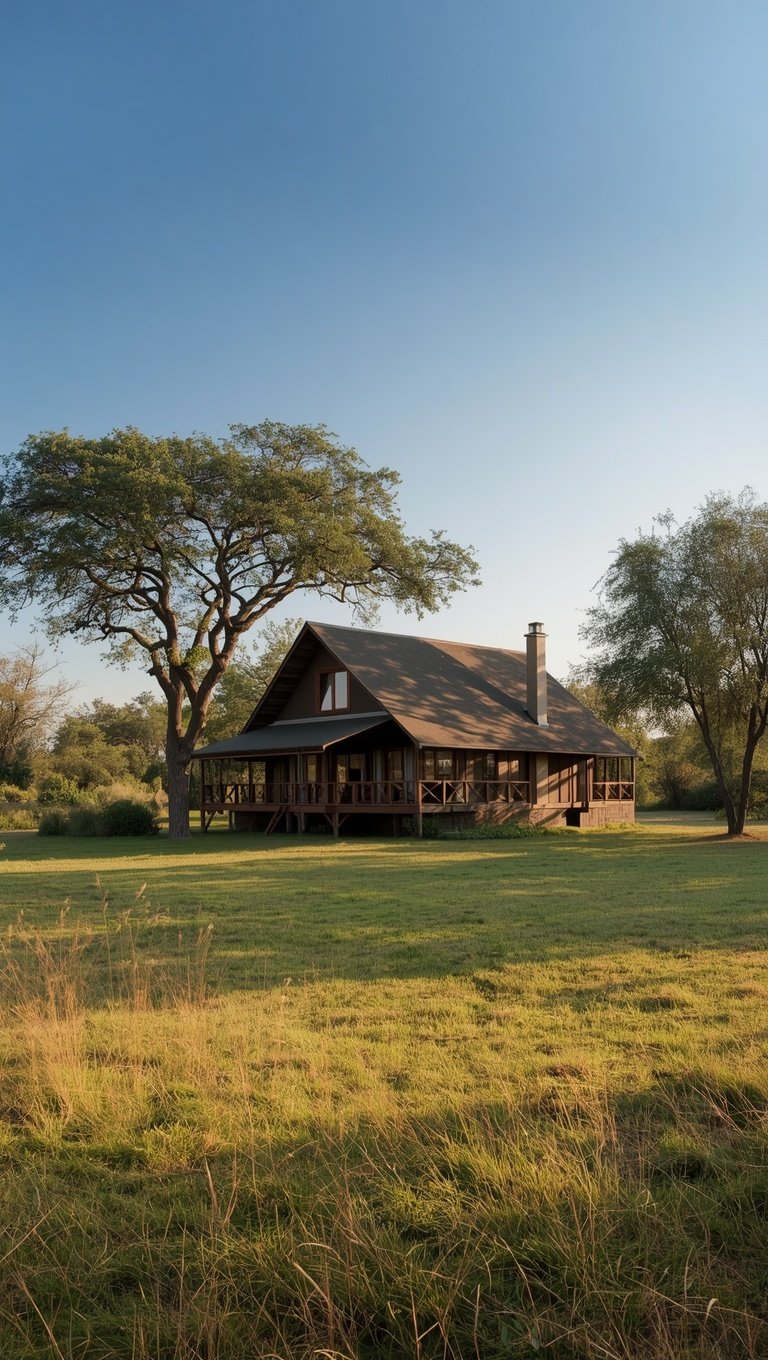

Here’s a confession.
I used to think luxury travel was about showing off.
I was wrong.
The real luxury is time.
It’s waking up without an alarm.
It’s not checking your email for six straight days.
It’s a staff member remembering your coffee order on day two.
None of that shows up on a receipt.
When I stayed at a small boutique lodge in the Douro Valley last year, nobody was trying to impress me with gold fixtures or marble everything.
It was quiet.
It was warm light through linen curtains.
It was a guy named Tomas pouring my port wine and telling me stories about his grandfather’s vineyard.
That’s the stuff you’re actually paying for.
So when I say “worth it,” I mean the trip gave me something back that cash never could.
A slower heartbeat.
A clearer head.
That’s the whole game.
Once you start measuring value that way, the guilt just sort of falls away on its own.
You stop asking “can I afford this” and start asking “can I afford to skip it.”
Big difference.
Overwater Villas That Ruin You for Regular Hotels Forever

Let’s talk about the villas, because I know that’s why half of you clicked on this.
There’s something about waking up and seeing your floor is glass and the ocean is right there underneath you.
I stayed in one in the Maldives where I could feed fish from my private deck before breakfast.
Before coffee, even.
That’s a strange kind of luxury that never gets old.
My honest recommendation is Bora Bora if it’s your first time doing this kind of trip, because the lagoon itself does half the work for you visually.
If you’ve already done Bora Bora, the Maldives gives you more privacy and frankly a wilder, more remote feeling.
A personal tip here.
Book a villa on the far end of the property, away from the main restaurant dock.
You’ll pay slightly more, but the quiet is worth every extra dollar.
And ask for a sunset-facing unit, not sunrise.
Trust me on that one.
I made the sunrise mistake once and spent every evening walking to the other side of the resort just to catch the good light.
Learn from my mistake.
The emotional payoff of these villas isn’t really the water.
It’s the stillness.
It rewires something in you after a few days, in a good way.
Wine Country Escapes That Feel Like a Secret

Napa gets all the attention, and it deserves some of it, but Tuscany is where my heart lives.
I rented a small stone farmhouse outside Montalcino a couple falls ago, and I still think about it more than trips I took last month.
There’s a specific kind of golden light that hits the vineyards around five in the evening there.
It’s almost unfair how beautiful it is.
My personal pick, if you want fewer crowds and better wine-to-dollar value, is skip the big-name Chianti tours and book a private tasting with a small family estate instead.
You’ll get real conversation, not a script.
A variation worth trying.
If Italy feels like a stretch this year, Sonoma has a similar quiet-luxury energy without the flight time.
Why this works emotionally is simple.
Wine country slows your whole nervous system down.
Nobody’s rushing you.
You sip, you talk, you eat something ridiculous with your hands.
My hack here is to always book a private driver for tasting days.
It’s not that expensive, and it means you actually get to enjoy the wine instead of spitting it out like you’re supposed to.
Nobody actually wants to spit out good wine.
Let’s be honest with each other.
Safari Lodges That Change Something in You

I wasn’t prepared for what a safari would do to me emotionally.
I thought it would just be cool animal photos.
It was so much more than that.
Sitting in an open Land Cruiser in the Serengeti at sunrise, watching a lion pride wake up, something in my chest just went quiet.
I don’t have better words for it than that.
The lodges themselves are where the guilt-free part comes in.
Places like the ones in the Maasai Mara mix five-star comfort with genuinely wild surroundings, so you’re not choosing between adventure and comfort.
You get both.
My recommendation is to pick a lodge with a smaller number of tents, somewhere in the eight to twelve range.
Bigger lodges start to feel like a hotel with a view, and that defeats the purpose.
A tip that took me a trip to learn.
Pack layers, because mornings are cold and afternoons are brutal, and nobody warns you about that part.
The emotional reason this trip is worth the money is perspective.
You come home different.
Smaller problems feel smaller.
That’s rare, and it’s worth paying for.
🗼 I Wrote a Book About My Japan Travel Catastrophes!
Before I landed in Tokyo, I thought I was the “Final Boss” of international travel. Spoiler alert: I WASN’T. 😅
🚅 I boarded the wrong Shinkansen and ended up in THE WRONG CITY. I confused locals with my “expert” bowing that was more awkward than accurate. I accidentally stumbled into a high-stakes Kendo practice thinking it was a tourist show. Sound like something you’d do?
“Things I Wish I Knew Before Going to Japan” is your shortcut to avoiding ALL my cringe-worthy mistakes. ✨ Inside, you’ll find practical, LIFE-SAVING tips on etiquette, transport, money, and hidden gems that will save you time, money, and a whole lot of confusion.
Alpine Chalets Built for Doing Absolutely Nothing

There’s a version of luxury that’s about doing things, and there’s a version that’s about doing nothing at all.
Alpine chalets are squarely the second kind.
I rented one outside Zermatt with a wood-burning fireplace and a view of the Matterhorn that honestly looked fake.
I skied maybe four hours the entire week.
I’m not even a little sorry about that.
The rest of the time I read, napped, and drank something warm by that fire like a guy in a movie.
My honest tip is to not overload the itinerary.
Book one chalet, pick a couple of activities, and let the rest of the days be soft and slow.
A great variation, if skiing isn’t your thing, is doing the same trip in early fall before the snow hits, when the chalets are cheaper and the hiking is unreal.
Why this works is because total stillness is rare in regular life.
We’re all so used to being productive every waking hour.
A chalet strips that away completely.
There’s nowhere to be.
Nothing to prove.
Just you, a fire, and a mountain that doesn’t care about your inbox.
Luxury Train Journeys That Feel Like a Time Machine

I didn’t expect a train to be the most romantic trip of my year, but here we are.
I took a luxury rail journey through the Scottish Highlands, and something about the rhythm of it got me.
The gentle rocking, the changing scenery outside your window, a proper dinner served on white linen while mountains roll by.
It’s slow travel in the best sense of the word.
My recommendation is to book a cabin with a window seat facing whichever side has the coastline or lochs, and ask the staff which side that is before you book.
They’ll know.
A personal hack.
Pack one nice outfit for dinner, because the onboard dining is genuinely an event, not an afterthought.
The emotional pull here is nostalgia.
It feels like something out of an old film, back when travel itself was the whole point of the trip.
Not just the destination.
That’s a feeling worth chasing.
If trains aren’t your thing normally, this might be the one that converts you.
It converted me.
Private Island Rentals for the Ultimate Reset

There’s a specific kind of freedom that comes from renting an entire island, even a small one.
No neighbors.
No schedule but your own.
I did this once in the Caribbean with a small group of friends, and by day two we’d completely lost track of what day it was.
Nobody complained.
My honest recommendation is to split the cost with a group if the price feels steep solo, because the per-person value goes way up.
A variation worth considering.
Some islands come with a private chef included, and I cannot recommend that enough.
Waking up to breakfast already made, with nowhere you have to be, does something good to your whole system.
The reason this works emotionally is control.
You control the noise level, the schedule, the whole rhythm of the days.
That’s rare in life generally.
My tip here is to still bring one activity, like snorkel gear or a couple of paddleboards, so idle time doesn’t tip into restless time.
A little structure helps even paradise.
Boutique Hotels Over Big Chains, Every Time

I used to default to big luxury chains because they felt like the “safe” choice.
I don’t do that anymore.
Boutique hotels give you something chains just can’t replicate, which is a sense of place.
I stayed at a twelve-room hotel in Lisbon last year that used to be someone’s actual home, and you could feel that history in the tile work and the creaky old staircase.
It had character.
My recommendation is to always read the last thirty days of reviews specifically, not the overall rating, because boutique properties can change quickly with new ownership or staff.
A tip I picked up the hard way.
Email the hotel directly before booking and ask about a quiet room.
Small properties are usually happy to accommodate that, and a chain almost never will.
The emotional payoff is that boutique stays feel personal.
The staff know your name by day two.
That kind of warmth just doesn’t happen at a five-hundred-room resort.
And honestly, that’s the whole point of a luxury trip.
Feeling like someone actually sees you.
Michelin-Starred Splurges Worth Planning Your Whole Trip Around

I’ll be honest, I used to think a huge tasting menu was a waste of money.
Then I had one in Copenhagen that lasted almost four hours.
Every course told a small story about where the ingredients came from.
I left that dinner talking about it for weeks afterward.
My recommendation is to book these dinners the moment your trip is confirmed, sometimes months out, because the good ones fill up fast.
A personal hack.
Choose the wine pairing even if you think you won’t drink much, because the sommelier’s choices are usually part of the whole experience.
A variation, if the full tasting menu feels like too much commitment.
Some of these restaurants have a shorter bar menu with a handful of the same dishes, at a fraction of the price.
Why this splurge is worth it emotionally comes down to memory.
A great meal sticks with you the way almost nothing else does.
I still remember specific bites from years ago.
That’s a strange kind of magic, and it’s worth paying for.
Wellness Retreats That Actually Deliver Peace

I was skeptical about wellness retreats for a long time, honestly.
It felt like a lot of money for yoga and green juice.
Then I did one in Bali after a genuinely brutal work year, and it cracked something open in me.
The daily rhythm of movement, quiet, and actual rest did more for my head than a year of regular vacations combined.
My recommendation is to pick a retreat with a shorter daily schedule, not a jam-packed one.
You want white space in the day, not another to-do list.
A tip worth knowing.
Ask ahead about phone policies, because some retreats lock devices away, and that’s actually the whole point.
Let it happen.
The emotional reason this works is that we rarely give ourselves permission to just stop.
A retreat forces the issue.
It hands you the stillness you didn’t know how to ask for yourself.
I came home lighter, and not just in a corny metaphorical way.
Genuinely calmer, for weeks after.
🗼 I Wrote a Book About My Japan Travel Catastrophes!
Before I landed in Tokyo, I thought I was the “Final Boss” of international travel. Spoiler alert: I WASN’T. 😅
🚅 I boarded the wrong Shinkansen and ended up in THE WRONG CITY. I confused locals with my “expert” bowing that was more awkward than accurate. I accidentally stumbled into a high-stakes Kendo practice thinking it was a tourist show. Sound like something you’d do?
“Things I Wish I Knew Before Going to Japan” is your shortcut to avoiding ALL my cringe-worthy mistakes. ✨ Inside, you’ll find practical, LIFE-SAVING tips on etiquette, transport, money, and hidden gems that will save you time, money, and a whole lot of confusion.
Private Guided Experiences That Money Basically Can’t Buy Elsewhere

Some of my favorite luxury moments weren’t about where I stayed at all.
They were about who showed me around.
I hired a private guide in Kyoto who took me to a temple most tourists never find, timed perfectly for the light at sunset.
That kind of access is priceless in the truest sense.
My recommendation is to look for guides who specialize in a very specific thing, like food history or architecture, rather than general city tours.
The depth is completely different.
A tip that’s saved me more than once.
Ask your hotel concierge for a personal recommendation instead of booking blind online, because they usually know who’s actually good.
A variation worth trying.
Combine two shorter private experiences instead of one long group tour, so you get variety without losing that one-on-one feeling.
The emotional value here is connection.
A great guide doesn’t just show you a place.
They hand you a story about it that you’ll actually remember.
That’s worth paying for every single time.
How I Actually Justify These Splurges Without the Guilt

Here’s my real system, the one I actually use.
I pick one or two big splurges per trip, and I keep everything else simple.
That might mean budget flights and a basic breakfast so the money goes toward the villa or the tasting menu that actually matters to me.
My personal tip is to set aside a specific “experience fund” months ahead, even a small automatic transfer each week.
By the time the trip comes, the guilt is already gone because the money was never sitting in your regular account tempting you elsewhere.
A hack that’s helped me more than anything.
I ask myself if I’ll remember the cost in five years, or if I’ll remember the feeling.
It’s almost always the feeling.
Another variation some of my friends use is splitting one big splurge trip with a simpler, cheaper trip later in the year.
That way the whole year doesn’t feel unbalanced.
The real reason this works emotionally is permission.
Once you decide ahead of time that this splurge is allowed, the guilt has nowhere left to live.
You already made peace with it before you even booked the flight.
Related read: Things I Wish I Knew Before Going to Japan — Instant PDF + Kindle download. Secure checkout by Stripe