My alarm went off at 3:52am last October and I laughed out loud in the dark, alone, because some part of me still can’t believe I do this to myself on purpose.
But I got up.
I always get up.
There’s a specific kind of quiet that only exists before the sun does, and once you’ve stood inside it, you start planning your life around finding it again.
I’m Jeff, and I’ve built a good chunk of my life around chasing that quiet up mountains I probably had no business climbing before coffee.
So let’s talk about the hikes that made me a believer, the gear that keeps me from regretting it, and why setting that ridiculous alarm might be the best decision you make all year.
Why the Alarm Actually Feels Worth It

I used to think sunrise hikes were something other people did, the disciplined ones, the ones with matching gear and no snooze button.
Then a buddy dragged me up a ridge in Utah before dawn and something shifted in me that morning.
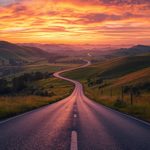
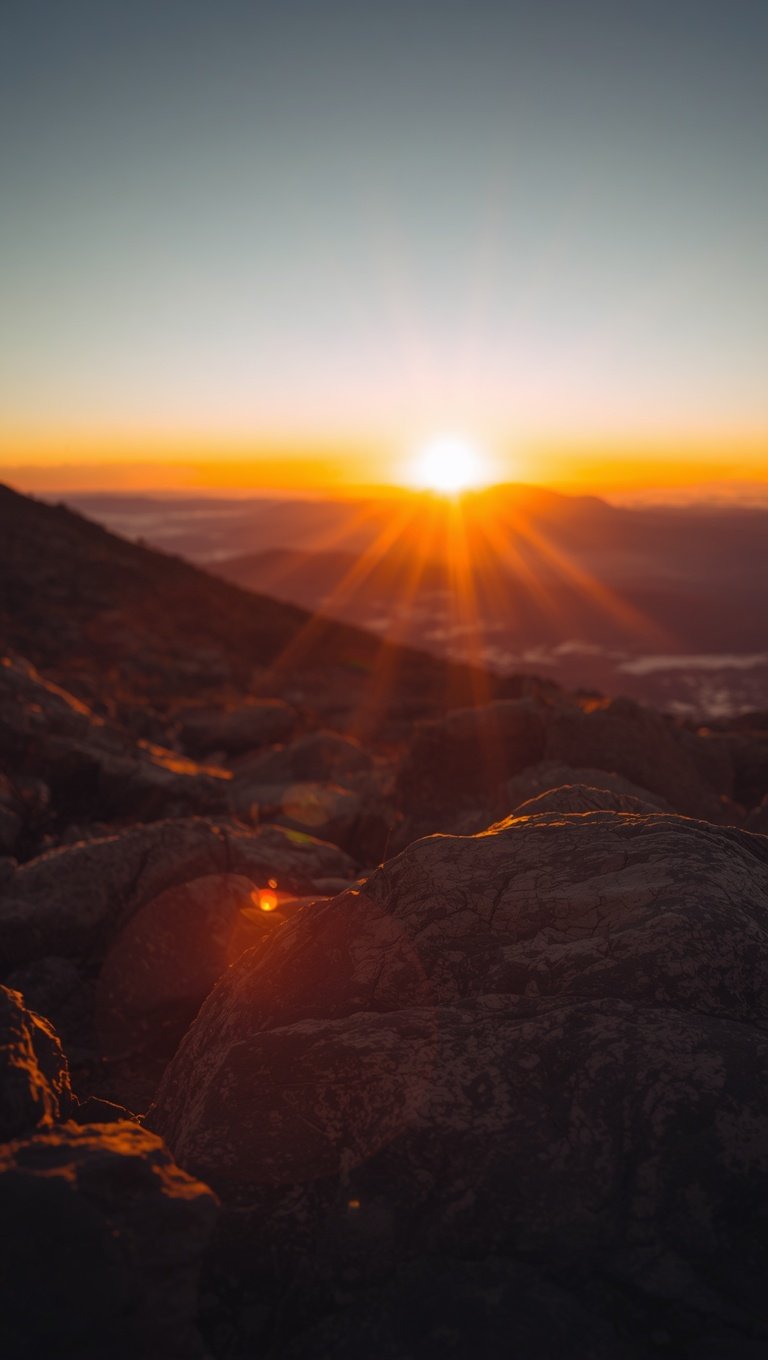
The sky went from black to bruised purple to this unbelievable orange in about twenty minutes, and I didn’t say a single word the whole time.
That’s the thing nobody tells you.
It’s not really about the view, not entirely.
It’s about being awake for something the rest of the world is sleeping through.
There’s a kind of ownership in that.
You earned that light with your legs and your stubbornness, and it hits different because of it.
I’ve chased sunsets my whole life like most people do, and I’ll still take a sunrise over a sunset nine times out of ten.
Sunsets feel like an ending.
Sunrise feels like you’re in on a secret.
And once you’ve felt that, regular mornings start to feel a little flat by comparison.
How I Decide Which Trail Gets My 4am

Not every trail deserves the sacrifice, and I’ve learned that the hard way more than once.
I look for elevation gain that puts me above the treeline or on an open ridge, because trees are beautiful but they will absolutely block your sunrise.
I also check which direction the trail faces, since a west-facing overlook is going to leave you staring at a pretty sky reflected on rock instead of the real thing.
East-facing, open exposure, that’s my non-negotiable combo.
Distance matters too, but maybe not the way you’d think.
I actually prefer shorter, steeper trails for sunrise missions, something in the two to four mile range round trip.
Long hikes in the dark are asking for trouble, and honestly, you want energy left over to actually enjoy the summit instead of collapsing on a rock.
I also always, always check the sunrise time the week I’m hiking, not some general estimate from memory.
Ten minutes off on your timing and you’ll miss the whole show.
That’s happened to me, and I still think about it with a little bit of pain.
The Night-Before Ritual That Saves My Morning

I lay everything out the night before, no exceptions, because 3:45am Jeff cannot be trusted to make good decisions.
Clothes, headlamp, socks, all of it staged by the door like I’m defusing a bomb on a schedule.
I fill my water bottles and stick them in the fridge so they’re already cold by the time I grab them.
I check the weather one more time before bed, specifically wind and cloud cover, because clouds can either make your sunrise unforgettable or completely ruin it.
I set two alarms, and I put my phone across the room so I actually have to get up to shut it off.
That trick alone has saved more sunrise hikes than I can count.
I try to eat something light before bed too, since I don’t love a heavy breakfast right before climbing in the dark.
And I always tell someone where I’m going, every single time, no matter how familiar the trail feels to me.
It’s a small habit that costs nothing and buys real peace of mind.
Honestly, the ritual has become part of the fun for me.
There’s something almost ceremonial about prepping gear by lamplight while everyone else is asleep.
It gets me excited before I’ve even left the house.
🗼 I Wrote a Book About My Japan Travel Catastrophes!
Before I landed in Tokyo, I thought I was the “Final Boss” of international travel. Spoiler alert: I WASN’T. 😅
🚅 I boarded the wrong Shinkansen and ended up in THE WRONG CITY. I confused locals with my “expert” bowing that was more awkward than accurate. I accidentally stumbled into a high-stakes Kendo practice thinking it was a tourist show. Sound like something you’d do?
“Things I Wish I Knew Before Going to Japan” is your shortcut to avoiding ALL my cringe-worthy mistakes. ✨ Inside, you’ll find practical, LIFE-SAVING tips on etiquette, transport, money, and hidden gems that will save you time, money, and a whole lot of confusion.
What’s Actually in My Pack

I keep my sunrise pack lighter than my regular hiking pack, on purpose.
Headlamp with backup batteries, that’s rule number one and I don’t compromise on it.
A puffy jacket, even in summer, because pre-dawn air at elevation will humble you fast.
I bring a thermos of coffee, and I’m not sorry about it, it’s genuinely one of my favorite parts of the whole ritual.
Trekking poles if the trail has any real elevation, since stability matters more in low light.
A small first aid kit, always, tucked in the same pocket so I never have to think about where it is.
I pack a lightweight beanie and gloves too, even when the forecast says it’ll be warm by afternoon.
Snacks that don’t require much chewing or thought, like nut butter packets or a couple of energy bars.
And I always bring a second layer for my legs if the trail starts below freezing.
My phone stays in airplane mode until I actually want to take photos, mostly to save battery in the cold.
I’ve learned this pack list through trial and error, mostly error, and it hasn’t failed me in a long time.
Dressing for the Cold, Dark Start

This is where most people mess up their first sunrise hike, myself included on my very first attempt.
You leave the car freezing, and twenty minutes into climbing you’re sweating through your base layer.
So layers are everything, and I mean real layers, not just a hoodie and hope.
I start with a moisture-wicking base layer, something that won’t hold onto sweat once I warm up.
Then a light fleece or insulated mid-layer that I can peel off and stuff in my pack.
My outer shell stays in the bag until the summit, when the wind picks up and the sweat turns cold fast.
Gloves are non-negotiable for me, even thin ones, because cold hands ruin a good mood quicker than almost anything else.
I wear wool socks year-round for these hikes, no cotton, ever.
Cotton holds moisture and moisture at altitude in the dark is a genuinely miserable combination.
My legs get a light thermal layer under hiking pants if temps are dropping into the 30s or lower.
And I always bring a buff or neck gaiter, because it does more for warmth than people expect.
Dress like it’s fifteen degrees colder than the forecast says, and you’ll thank yourself later.
Headlamp and Safety Basics for the Dark Trail

Hiking in the dark changes the whole experience, and it deserves a little more respect than daylight trails.
A solid headlamp is the single most important piece of gear you’ll bring, full stop.
I look for at least 300 lumens with a red-light setting to help preserve my night vision.
I also bring a small backup light, just in case, because dead batteries in the dark are a genuine problem.
Trails feel different before sunrise, roots and rocks hide in shadow even with a good light.
So I slow my pace down more than I would in daylight, no matter how eager I am to summit in time.
I stick to trails I already know well for early solo hikes, and I save the unfamiliar ones for hiking with a group.
Cell service can be spotty at elevation, so I download offline maps the night before, every time.
I also tell someone my exact route and expected return time, not just a vague plan.
Wildlife tends to be more active around dawn too, so I make a little noise as I go, especially near water or dense brush.
None of this is meant to scare you off.
It’s meant to make the whole experience feel calm instead of chaotic.
Fueling Up Before and During the Climb

I don’t love eating a big meal at 3:30 in the morning, my stomach just isn’t built for it.
So I keep it simple, something like a banana and a small handful of almonds before I head out.
My real breakfast happens at the summit, and honestly, that’s become one of my favorite parts of the whole tradition.
I pack a proper breakfast sandwich or oatmeal in a thermos, something warm if it’s cold out.
That first bite at the top, with the sky doing its thing, tastes better than any restaurant meal I’ve had.
I always bring more water than I think I’ll need, especially at elevation where dehydration sneaks up on you.
Electrolyte tablets have become a staple in my pack too, mostly because plain water alone doesn’t cut it on longer climbs.
I keep snacks accessible in an outer pocket so I’m not digging through my bag mid-climb.
Trail mix, dried fruit, a couple of gels if it’s a tougher trail, that’s usually my rotation.
And coffee, obviously, because a sunrise without coffee feels incomplete to me at this point.
It’s become part of the ritual as much as the hike itself.
My Favorite Types of Sunrise Views

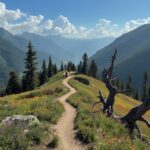
Ridge lines are my personal favorite, hands down, no contest.
There’s something about standing on a narrow spine of rock with light spilling in from both sides that never gets old to me.
Summit views come in a close second, especially on peaks with a clear 360 degree outlook.
You get to watch the whole world wake up at once, and it’s genuinely hard to describe until you’ve stood in it.
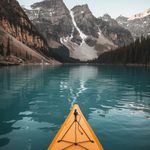
Lake overlooks are underrated though, and I don’t think enough people talk about them.
Watching the first light hit still water, with that perfect mirror reflection, is its own kind of magic.
Desert sunrises hit differently too, with that layered pink and orange light stretching across open flat land.
I love those especially because the temperature swing from freezing to warm happens so fast, you can almost feel the day arriving.
Coastal sunrise hikes are a category all their own, with the ocean doing half the work for you visually.
If I had to pick one type to recommend to a first-timer, I’d say start with a ridge line.
It gives you movement, drama, and that wide open sky all in one shot.
Regional Picks I Keep Coming Back To

The Smokies hold a special place for me, particularly Clingmans Dome when the fog rolls through the valleys below.
Sedona’s Cathedral Rock is another one I’ve done more times than I probably should admit.
Something about that red rock catching first light just does something to me every single time.
Out west, I’m partial to Colorado’s Chautauqua trail near Boulder, mostly because the Flatirons glow almost pink at sunrise.
If you’re near the coast, Acadia’s Cadillac Mountain is famous for a reason, being one of the first spots to see sunrise in the country for part of the year.
I’ve also fallen hard for smaller, lesser known trails in the Blue Ridge Parkway, ones that don’t show up on every list.
Those tend to be quieter, and quiet is kind of the whole point for me.
Out in Arizona, Camelback Mountain in Phoenix gives you a solid urban sunrise hike if you’re short on time.
I try to hit at least one new regional trail every year, just to keep the tradition from feeling routine.
But I’ll always come back to the Smokies first.
That fog rolling through the hollers at sunrise is something I don’t think I’ll ever get tired of.
🗼 I Wrote a Book About My Japan Travel Catastrophes!
Before I landed in Tokyo, I thought I was the “Final Boss” of international travel. Spoiler alert: I WASN’T. 😅
🚅 I boarded the wrong Shinkansen and ended up in THE WRONG CITY. I confused locals with my “expert” bowing that was more awkward than accurate. I accidentally stumbled into a high-stakes Kendo practice thinking it was a tourist show. Sound like something you’d do?
“Things I Wish I Knew Before Going to Japan” is your shortcut to avoiding ALL my cringe-worthy mistakes. ✨ Inside, you’ll find practical, LIFE-SAVING tips on etiquette, transport, money, and hidden gems that will save you time, money, and a whole lot of confusion.
Capturing the Moment Without Missing It

I used to spend my entire sunrise behind a camera, and I regret a good chunk of those mornings if I’m honest.
Now I give myself the first five minutes with no phone at all, just watching.
After that, I’ll grab a few shots, but I try to keep it quick and intentional.
A wide shot of the landscape, one with a person in frame for scale, and maybe a close detail shot of light hitting rock or frost.
I’ve learned that golden hour light shifts fast, so I don’t overthink composition, I just shoot and adjust.
Shooting in RAW if your camera allows it gives you way more room to fix exposure later.
I also try to capture a little bit of the climb itself, not just the payoff at the top.
Those in-between shots end up being some of my favorites when I look back months later.
A lens cloth is a small thing that’s saved more photos than I can count, since condensation is common in cold morning air.
But my biggest tip is simple.
Put the camera down for a few minutes.
Some mornings are meant to just be remembered, not documented.
Solo Sunrise Hikes vs Bringing Someone Along

There’s a version of me that needs those solo mornings, no talking, just my own thoughts and the trail.
Solo sunrise hikes have become a kind of reset button for me, especially during busier stretches of life.
Nobody to keep pace with, nobody to talk to, just me and whatever’s going on in my head that week.
But bringing someone along changes the experience completely, in a good way too.
Sharing that first light with someone you care about adds a whole different kind of weight to the morning.
Some of my favorite memories are standing next to my brother at the top of a ridge, neither of us saying much, just watching.
If you’re bringing someone new to sunrise hiking, pick an easier trail for their first time.
You want their first impression to be wonder, not exhaustion.
I’d say alternate between the two if you can.
Solo when you need to think, with someone when you want to remember it together.
Both versions have earned a permanent place in my rotation, and I don’t think I’ll ever choose one over the other completely.
Variations If 4am Feels Like Too Much

Not everyone’s built for a 4am wake up call, and that’s completely fine.
You can chase a similar feeling with a shorter, closer trail that only requires a 5 or 5:30 start instead.
Golden hour hikes, the window right after sunrise, still give you that soft warm light without the brutal wake up time.
I’ve also had friends camp near the trailhead the night before, which cuts the alarm time down significantly.
That’s honestly a great option if you can swing it, since you skip the drive entirely.
Some parks also have drive-up overlooks near trail systems, so you can catch the sunrise first and hike afterward once you’re properly awake.
If cold mornings are the real dealbreaker for you, pick a season with a later sunrise, since fall and winter give you a much more forgiving wake up time.
You could also start with sunset hikes to build the habit of moving on trail in low light before working your way up to sunrise.
There’s no rulebook that says you have to go all in immediately.
Start smaller, see how it feels, and build from there.
The goal is the feeling, not the suffering.
How the Rest of My Day Changes After

This is the part that surprised me the most when I started doing this regularly.
The rest of my day just feels different after a sunrise hike, calmer somehow, more grounded.
I’ve already done something hard and beautiful before most people have finished their first cup of coffee.
That does something to your mindset that’s hard to explain until you’ve felt it yourself.
I find I’m less irritated by small stuff, less glued to my phone, more present in conversations later in the day.
There’s also a strange kind of tiredness that comes with it, a good tired, earned tired, not the draining kind.
I usually crash early that night, and honestly, I’ve made peace with that trade.
I’ve noticed my best ideas and clearest thinking tend to show up on sunrise hiking days more than any other.
Maybe it’s the quiet, maybe it’s the exercise, maybe it’s just gratitude for getting to see something that beautiful.
Whatever it is, it’s become one of the few things I plan my whole week around.
So if you’re on the fence about setting that alarm, I’m telling you, set it anyway.
Your future self, standing up there in that light, is going to thank you.