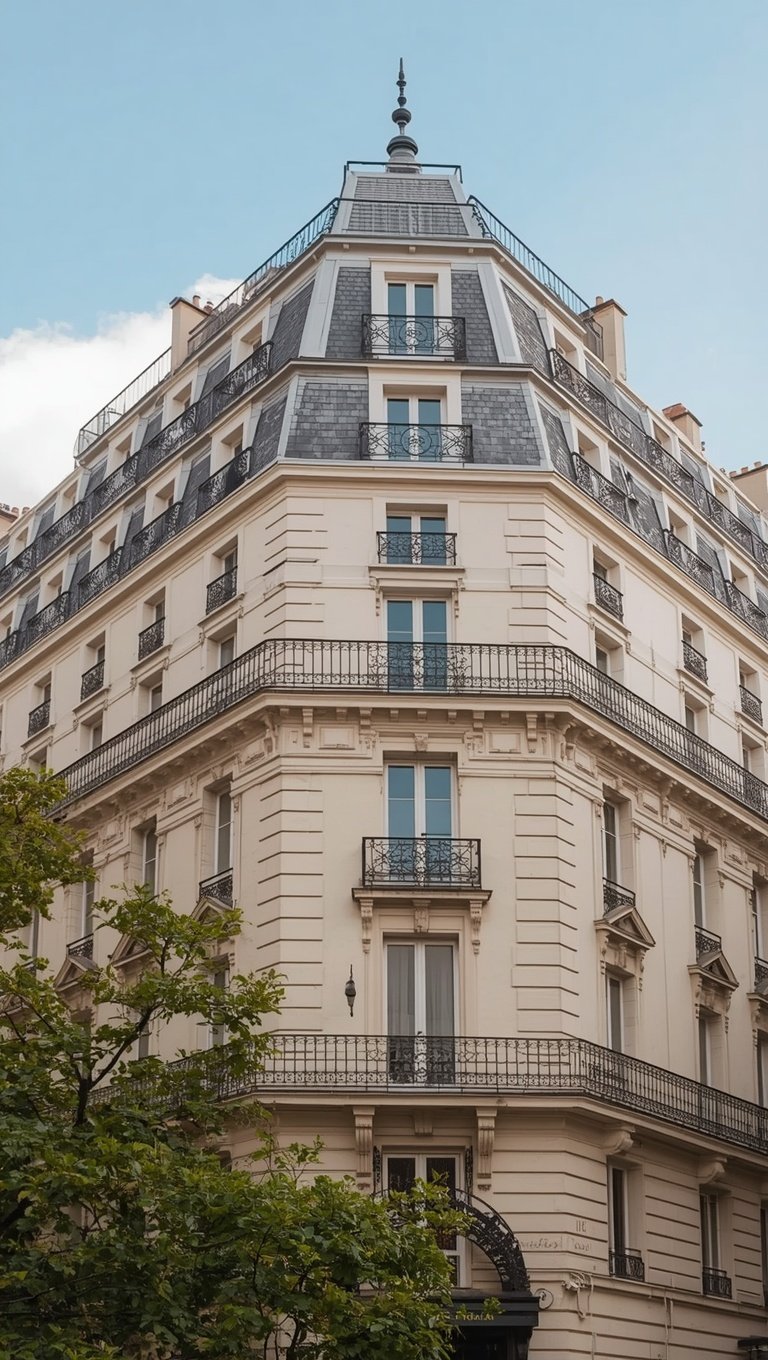

My first trip to Paris, I did everything wrong.
For the flying time from your airport, see how long the flight to Paris is.
I had a laminated itinerary.
I had a list of “must-see” spots ranked by star rating.
And I spent four days feeling like I was running through someone else’s checklist instead of actually being there.
So the second time, I threw the itinerary out.
I booked a smaller apartment instead of a hotel, I skipped two of the “top ten” attractions on purpose, and something shifted.
That’s the trip I actually remember.
Not the photos.
The feeling.
This guide is everything I wish someone had told me before that first trip, back when I thought seeing Paris meant seeing all of it.
Ditch the Skip-the-Line Ticket Mentality

Here’s my confession: I used to think efficiency was the goal.
Get in fast, see the thing, get out, move to the next thing.
But Paris punishes that kind of thinking.
The city wasn’t built for speed, it was built for wandering.
When I rebooked my trip and gave myself permission to skip the fast-pass lines entirely, something loosened up in my chest.
I wasn’t racing a clock anymore.
I was just walking.
And walking is honestly how you see the real city, not the postcard version.
My tip: pick two, maybe three big attractions for the whole trip, not two per day.
Let the rest of your time be unstructured.
I know that feels risky if you’re a planner.
But the version of Paris you’re chasing, the one that feels lived-in and warm, doesn’t show up on a schedule.
It shows up in the gaps.
One trip, I skipped a famous museum entirely and instead sat at a river bench for two hours watching boats go by.
That afternoon is still one of my best travel memories, and I didn’t pay a single euro for it.
So if you take one thing from this whole guide, let it be this.
Slow down before you even land.
Learn Ten French Phrases Before You Land

I’m not fluent in French, not even close.
But I learned ten phrases before my second trip, and it changed everything.
Bonjour, merci, s’il vous plaît, excusez-moi, and a few others got me further than any app ever could.
Here’s the thing nobody tells you: the stereotype about Parisians being cold to tourists is mostly about tourists skipping the greeting.
Walk into a shop and say bonjour first, before anything else, and you’ll feel the whole interaction warm up instantly.
I noticed it happen almost every single time.
It’s a small thing, but it’s not a small thing.
My personal hack: write the phrases on a small card and keep it in your jacket pocket, not just your phone.
Phones feel transactional in the moment, and pulling out a paper card feels more genuine, more human.
I still have mine from a trip a few years back, a little worn at the corners.
You don’t need to sound perfect.
You just need to try.
And trying is the whole game here.
Locals can tell the difference between someone who wants something from them and someone who’s making an effort to meet them halfway.
That effort is what turns a transaction into a real moment, even if it’s just buying a baguette.
Your Ultimate Caribbean Adventure Awaits!
Discover hidden coves, secret beaches, and the best rum punches in the islands. Your insider’s guide to Caribbean paradise.
Get Your Guide Now$15.99Pick a Neighborhood, Not a Hotel Chain

Where you sleep shapes how you feel the whole trip.
I learned this the hard way staying near a big tourist strip on my first visit.
Everything around me felt built for visitors, not for actual life.
The second time, I stayed in a quieter residential pocket, and the whole rhythm of my days changed.
I’d wake up to the sound of a bakery rolling up its shutters instead of tour buses idling outside.
That’s the difference.
My recommendation: look for neighborhoods with a local market, a few independent cafés, and fewer suitcases rolling down the sidewalk.
You’ll pay less too, most of the time, which is a nice bonus.
Optional variation: if it’s your first trip and you want some tourist infrastructure nearby for comfort, that’s fine, no shame in it.
Just pick the edge of that zone, not the center of it.
You’ll get the best of both.
Why this matters emotionally: waking up somewhere that feels like a neighborhood, not a hotel corridor, makes you feel like a temporary resident instead of a visitor passing through.
And that feeling is what people mean when they say a trip changed them a little.
It’s not the landmarks.
It’s the mornings.
Eat Where the Locals Queue

I used to pick restaurants based on how many stars they had online.
Rookie mistake.
Now I pick restaurants based on one thing only: is there a line of people who look like they live here.
That’s it, that’s the whole system, and it hasn’t failed me yet.
One evening I almost walked past a tiny place with no sign in English and maybe six tables.
There was a line of locals outside, so I waited.
Best meal of the entire trip, and I still think about it.
My tip: avoid anywhere with a menu translated into five languages posted outside.
That’s usually a sign the place is built for tourists, not for flavor.
Go a block or two further than the main strip.
The good stuff tends to hide just slightly out of the way.
Optional variation: ask your apartment host or a shopkeeper where they’d take their own family for dinner.
People light up when you ask that question, and the answers are almost always better than anything you’d find searching online.
Why it works emotionally: eating where locals eat makes the food taste like it belongs to the place, not like it was built for you.
There’s a difference, and once you taste it, you’ll notice it everywhere after.
Wake Up Early for the Empty Squares

Nobody tells you this part.
Paris before eight in the morning is a completely different city.
The light is softer, the streets are quieter, and the famous spots you’ve seen in every photo are suddenly empty.
I forced myself out of bed early one morning, still half asleep, mostly out of stubbornness.
And I stood in a square I’d seen packed with tourists the day before, completely alone except for a street sweeper and a pigeon.
It felt like the city was letting me in on a secret.
My tip: pick one iconic spot and go there right at sunrise, even if it costs you sleep.
Bring a coffee, find a bench, and just sit for ten minutes before you do anything else.
You’ll have it almost entirely to yourself.
Optional variation: if mornings aren’t your thing, try the same trick right before closing, an hour before sunset works almost as well.
Why this matters: the crowds are what make a place feel like a tourist attraction.
Take the crowds away, and you’re just a guy standing in a beautiful old city, feeling something real.
That quiet version is the one that sticks with you.
Caribbean Paradise Unlocked
From pristine beaches to vibrant local culture, discover the Caribbean’s best-kept secrets with my comprehensive travel guide.
- 120+ Hidden Beach Secrets
- Local Cuisine Guide
- Budget Travel Tips
- Island Hopping Routes
Take the Metro Like You Own It

Tourists take taxis and rideshares everywhere.
Locals take the metro.
So take the metro.
It’s faster than you’d expect, it’s cheap, and honestly, it teaches you the shape of the city in a way a car never will.
My first few rides, I felt lost staring at the map.
By day three, I was calling out stops before the announcement finished.
That shift, from confused to confident, felt genuinely good, like I’d earned something.
My tip: get a multi-day transit pass on day one instead of buying single tickets every time.
It removes the friction of thinking about it, and you’ll use it more than you expect.
Optional hack: pick one line and ride it end to end once, just to watch the neighborhoods change outside the window.
It’s like a free tour, and you learn more geography that way than from any map.
Why it works emotionally: using public transit like a local instead of hiding in a taxi makes you feel like part of the city’s rhythm instead of a passenger being shuttled through it.
There’s a quiet pride in figuring it out yourself.
And it’s one less wall between you and the place you traveled all this way to feel.
Skip the Museum Marathon

I used to think more museums equaled a better trip.
Then I burned out halfway through my third one in a single day, eyes glazed, barely absorbing anything.
Lesson learned.
Now I pick one museum per trip, sometimes two, and I give it real time instead of rushing the whole building.
One visit, I spent almost forty minutes in front of a single painting, just sitting on the bench across from it.
I don’t even remember what else was in that wing.
But I remember that painting like I could describe it from memory today.
My tip: pick the museum that actually excites you, not the one that’s “supposed” to be seen.
If contemporary art bores you, skip it, guilt-free.
Optional variation: some of the smaller, lesser-known museums have almost no crowds and just as much soul.
Ask a local for their favorite one, not the biggest one.
Why this matters emotionally: rushing through art turns it into wallpaper.
Slowing down turns it into something that actually moves you.
And isn’t that the whole point of standing in front of it in the first place.
Find Your Café and Become a Regular

This one might be my favorite tip in this whole guide.
Pick one café near where you’re staying, and go back to it every single morning of your trip.
Not a different one each day, the same one.
By day two, the server started remembering my order without me asking.
By day four, it felt like mine, like I had a little corner of the city that belonged to me.
That feeling is hard to manufacture any other way.
My tip: sit inside, not just on the terrace, at least once.
The terrace is for people-watching, but the inside seats are where you actually feel like part of the daily rhythm of the place.
Optional variation: order the same thing every morning, it sounds boring, but there’s comfort in a small ritual when everything else about the trip is new and unfamiliar.
Why it works emotionally: rituals make unfamiliar places feel like home faster than almost anything else.
A regular coffee spot turns a vacation into something that briefly feels like a life you’re living, not just a place you’re visiting.
I still think about that little café more than almost anything else from that trip.
Your Ultimate Caribbean Adventure Awaits!
Discover hidden coves, secret beaches, and the best rum punches in the islands. Your insider’s guide to Caribbean paradise.
Get Your Guide Now$15.99Walk Without a Destination

Some of my best moments in Paris happened because I got lost on purpose.
I’d pick a direction, no map open, and just walk.
No destination, no deadline.
One afternoon that led me down a quiet street with ivy climbing one whole side of a building, no tourists in sight, just an old man reading on a bench.
I never found that street again on purpose, and honestly, I like that it stayed a one-time thing.
My tip: give yourself at least one afternoon with zero plans.
Put the phone away, or at least put the maps app away.
Optional variation: if getting truly lost feels stressful, pick a landmark you can see from a distance and just wander toward it slowly, taking every turn that looks interesting along the way.
Why this matters emotionally: planned sightseeing shows you what everyone else has already seen.
Wandering shows you something that’s yours alone.
And those unplanned little discoveries are almost always the stories you end up telling for years afterward, way more than the landmarks ever are.
Dress Like You’re Not a Tourist

This sounds shallow, but hear me out.
How you dress changes how people treat you, and it changes how you feel moving through the city.
I used to travel in sneakers and a baseball cap, comfortable, sure, but it marked me instantly as a tourist before I said a word.
Now I pack a few simple, well-fitted pieces, nothing fancy, just intentional.
Dark jeans, a good jacket, real shoes.
The difference in how shopkeepers and servers treated me was noticeable, almost immediately.
My tip: pack fewer things but choose them carefully, one solid jacket does more work than five graphic tees.
Optional variation: you don’t need to buy a whole new wardrobe, just leave the athletic wear and logo caps at home for this particular trip.
Why it works emotionally: dressing with a little more intention makes you carry yourself differently too, more relaxed, less like you’re on a scavenger hunt.
And when you feel like you belong somewhere, even just a little, the whole place opens up differently to you.
It’s a small hack, but it works more than people expect.
Talk to Shopkeepers, Even If Your French Is Bad

I used to avoid conversations because I was embarrassed about my accent.
Huge mistake.
The shopkeepers I talked to, even clumsily, ended up being some of the best parts of my trip.
One older man running a small shop near my apartment spent ten minutes teaching me the right way to say a phrase I kept butchering, laughing the whole time, no judgment at all.
That interaction meant more to me than most of the attractions I saw that week.
My tip: don’t rush transactions, ask a question, comment on something in the shop, let the interaction breathe a little.
Optional variation: carry small cash for tiny shops, it makes quick transactions smoother and gives you more excuses to stop in smaller, independent places instead of big stores.
Why this matters emotionally: tourists move through a city, but people who connect with locals, even briefly, actually experience it.
Those small human moments are the ones that make a place feel alive instead of just scenic.
I promise you, a bad accent has never once ruined a good conversation.
People appreciate the effort more than the accuracy.
Caribbean Paradise Unlocked
From pristine beaches to vibrant local culture, discover the Caribbean’s best-kept secrets with my comprehensive travel guide.
- 120+ Hidden Beach Secrets
- Local Cuisine Guide
- Budget Travel Tips
- Island Hopping Routes
Save the Iconic Photo Spots for Golden Hour

Every iconic spot in Paris has a version everyone photographs at noon, crowded, harsh light, everyone in the same shot.
And there’s a completely different version at golden hour, right before sunset, when the light turns soft and gold and the crowds start to thin.
I learned this by accident, running late one evening trying to catch a view before dark.
What I got instead was the best photo of the entire trip, warm light, almost no one else around, completely different mood.
My tip: check sunset time before you plan your day, and build your schedule so you’re at your must-see spot right around then.
Optional variation: golden hour photos take patience, so bring a coffee and just wait for the light to shift instead of shooting the second you arrive.
Why it works emotionally: soft light does something to a photo that no filter can replicate.
It makes the memory feel warmer too, somehow, like the whole evening was gentler than it actually was.
Every time I look back at those golden hour shots, I remember exactly how that air felt.
That’s worth rearranging your schedule for.
Leave Room for One Unplanned Day

Out of everything in this guide, this is the one I’d protect most fiercely.
Leave one entire day with nothing booked, nothing planned, no reservations.
I resisted this for years, it felt wasteful, like I was leaving value on the table.
Then I finally tried it, and that unplanned day became the one I talk about most when people ask how the trip went.
I ended up following a smell of fresh bread three blocks off course, then sitting in a park for an hour just people-watching, no agenda at all.
My tip: don’t fill this day reactively either, resist the urge to “make up for” the empty schedule.
Let it stay loose, even if that feels uncomfortable at first.
Optional variation: if a full open day feels like too much, start with just one open afternoon and see how it feels.
Why this matters emotionally: the planned parts of a trip show you the city.
The unplanned parts let the city show you something back.
That’s the difference between visiting Paris and actually feeling like, just for a little while, you got to live there.