
22 Minutes: The Pace Architecture No Other Breakfast Culture Respects
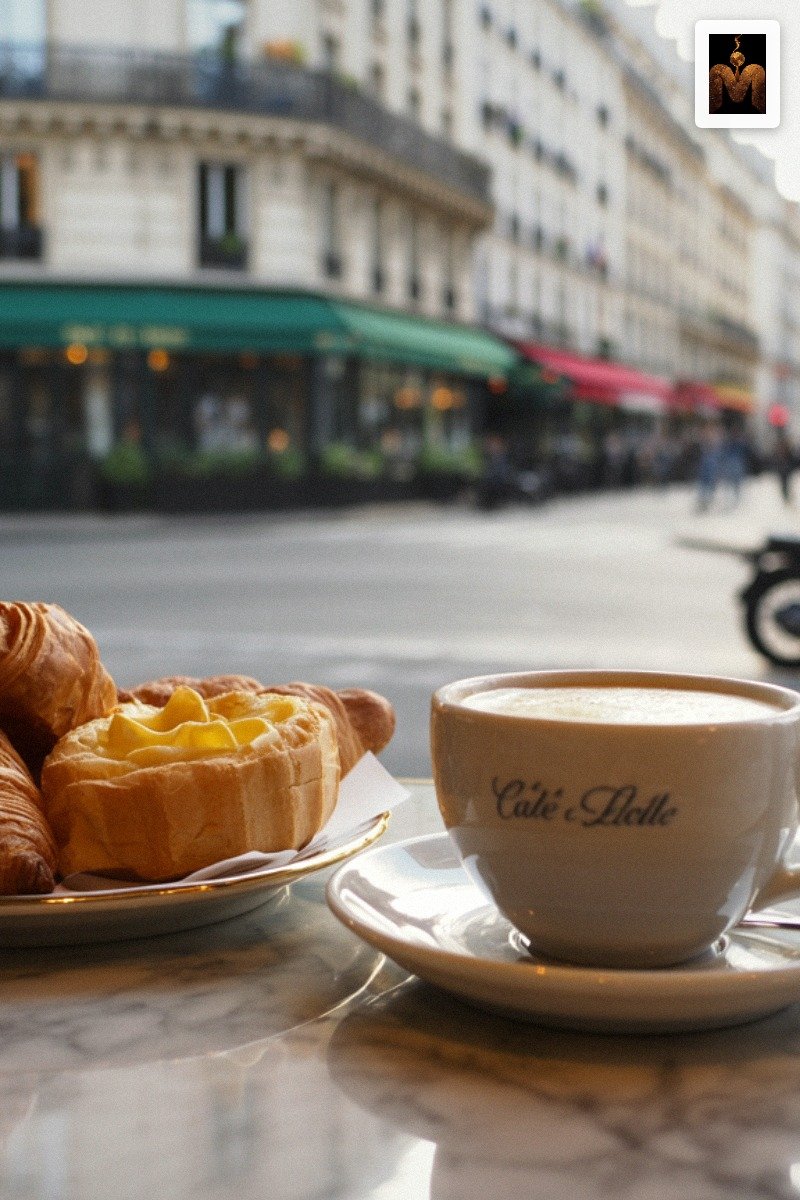
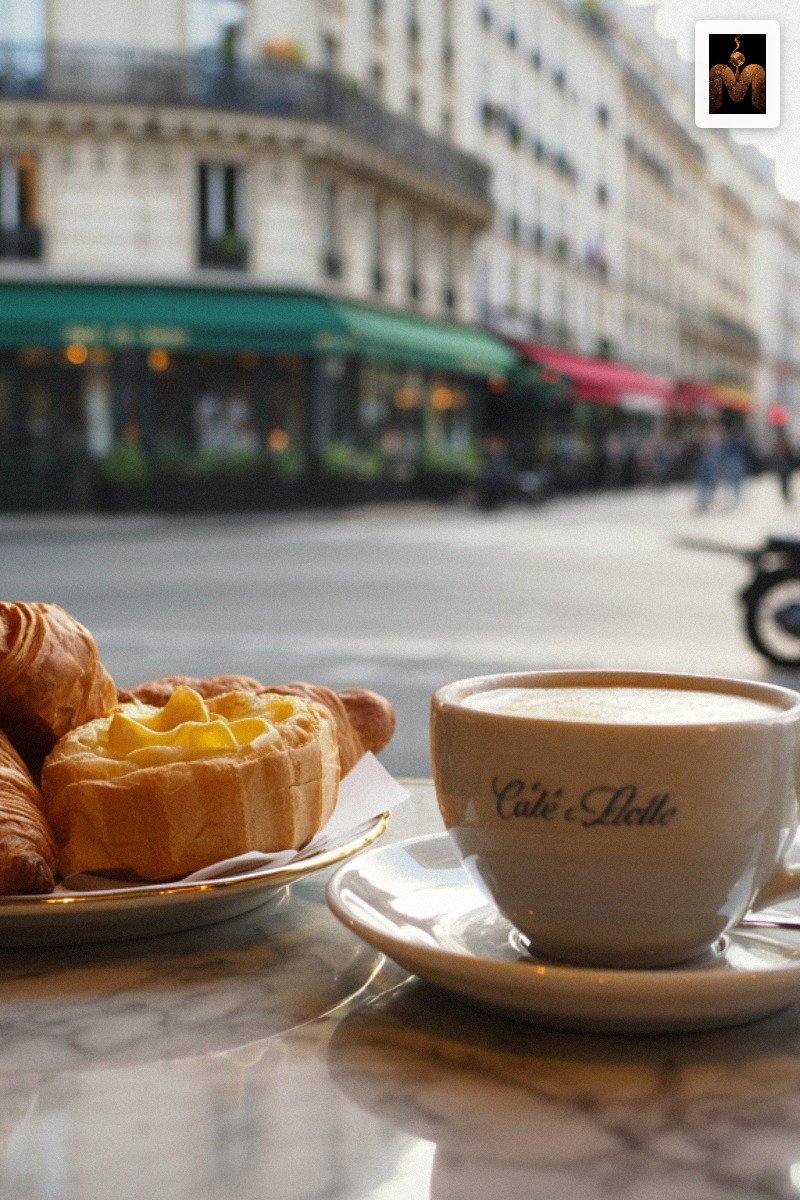
Three months after I got back from Paris, I threw away my drip coffee maker, cancelled a $14 açaí bowl order mid-checkout, and sat in my kitchen for a while feeling genuinely broken.
Not sad.
Just recalibrated in a way I hadn’t asked for.
Here’s what happened: I timed it.
Not obsessively, just out of curiosity.
I started clocking how long I actually sat at the zinc counter each morning in Paris.
Average came out to 22 minutes.
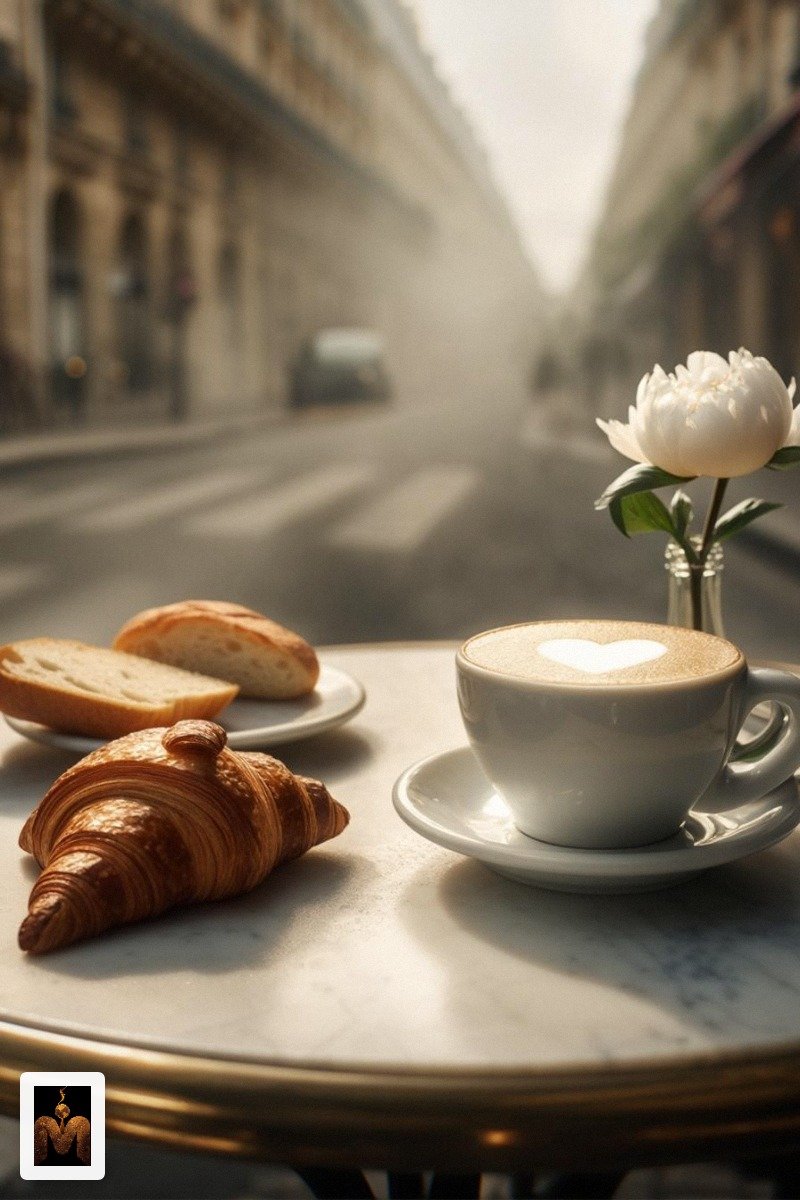
Not rushed, not lingering — just 22 minutes of coffee, bread, butter, and watching the street happen.
Nobody came to refill anything.
Nobody dropped the check.
No ambient urgency.
The social contract of that café said: you may stay until you are done, and we will not manufacture a reason for you to leave.
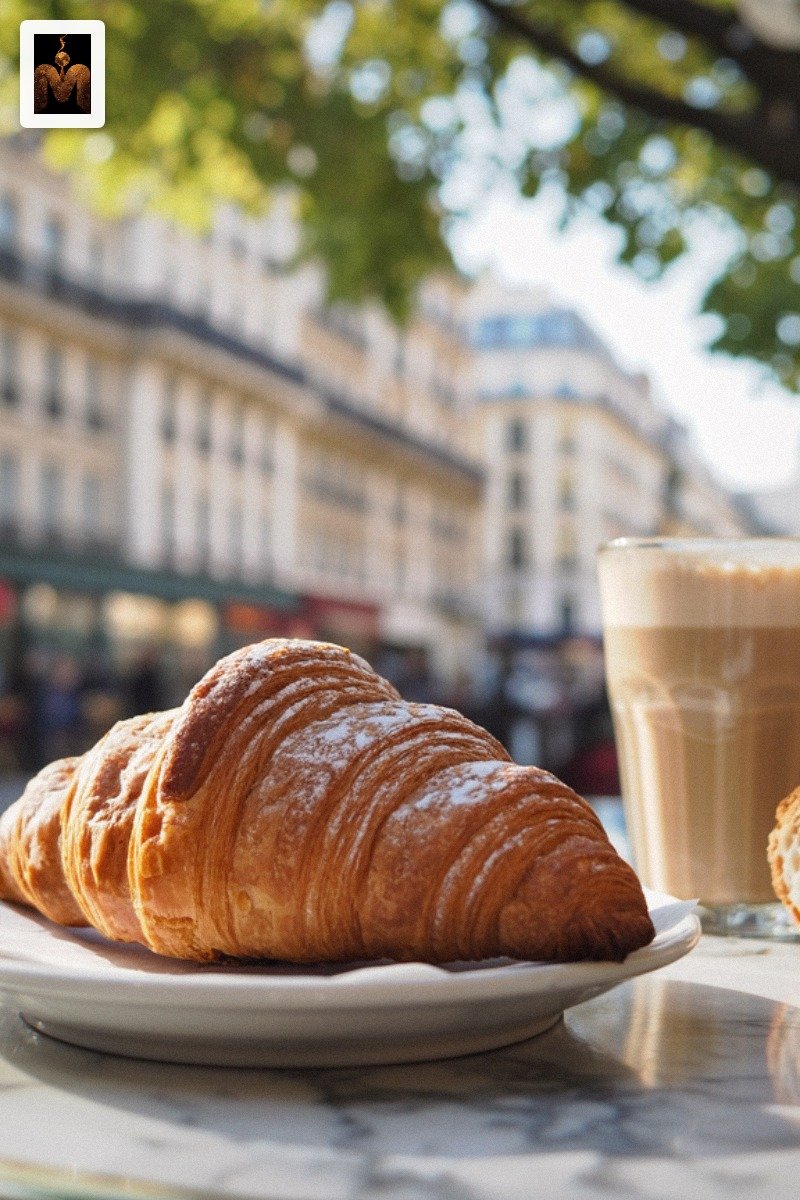
U.S. fast-casual breakfast chains average 9 minutes of table turn.
Nine.
That’s not a meal.
That’s a transaction with seating.
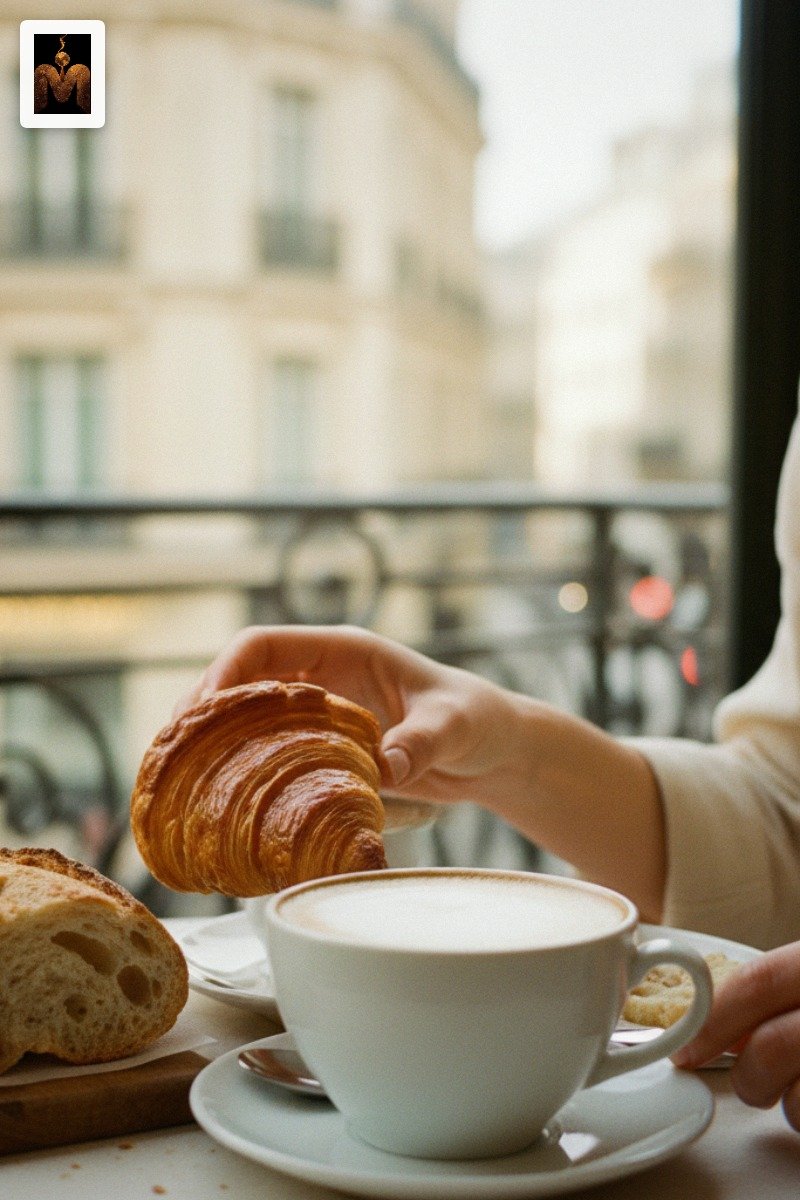
Tourists think the magic is the croissant.
The croissant is a prop.
Pace is the product.
And pace architecture — a protected time window that’s socially enforced, not printed on a sign — is the one breakfast variable you cannot purchase or import.
It requires a social contract, and most cities quietly broke that contract sometime around 1994 to make room for throughput metrics.
Café de Flore vs. a Neighborhood Zinc Bar: Which One Is Actually Paris
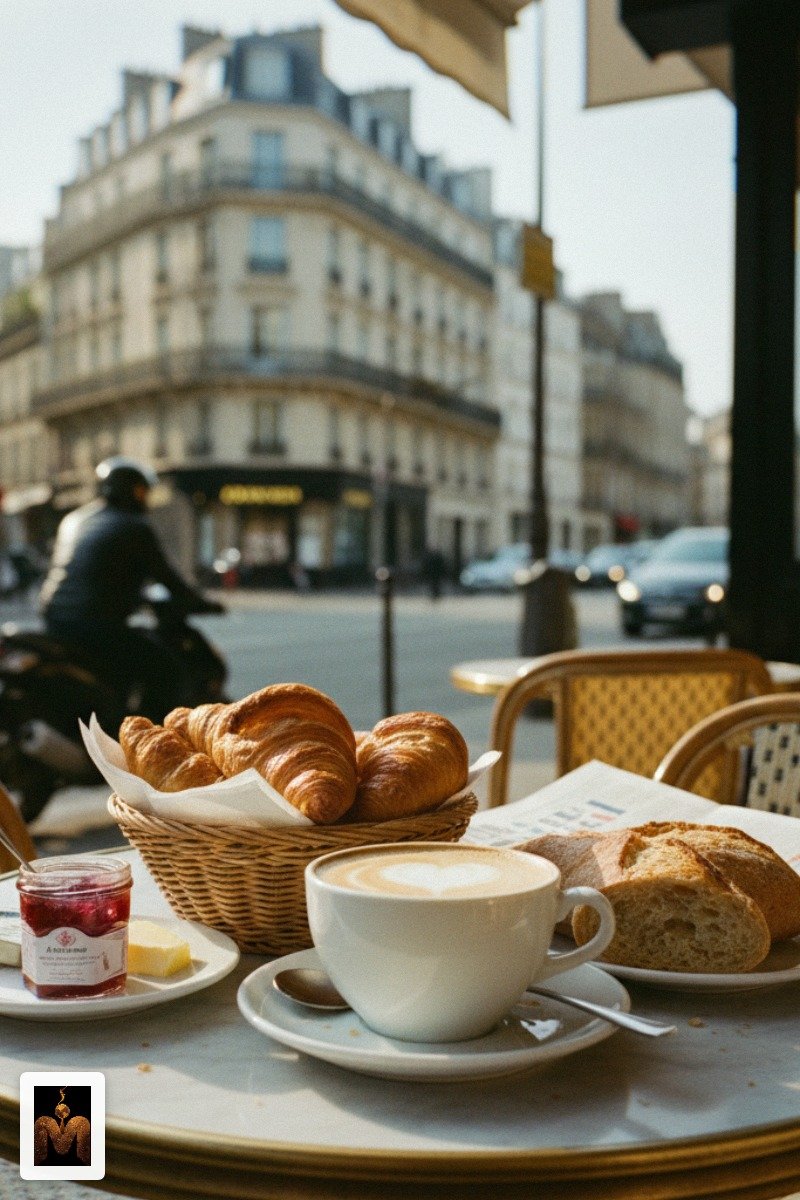
Café de Flore charges €24 for a breakfast set.
I know because I went once, early on, because someone told me I had to.
The coffee was fine.
The croissant was fine.
What I got was a group of international tourists photographing their cups while a waiter in a long apron performed Frenchness at us.
Les Deux Magots was established in 1884 on the Place Saint-Germain-des-Prés and has been living off that fact ever since.
I’m not saying the room isn’t beautiful.
I’m saying Café de Flore is to Paris breakfast what Times Square is to New York living: technically located there, functionally somewhere else entirely.
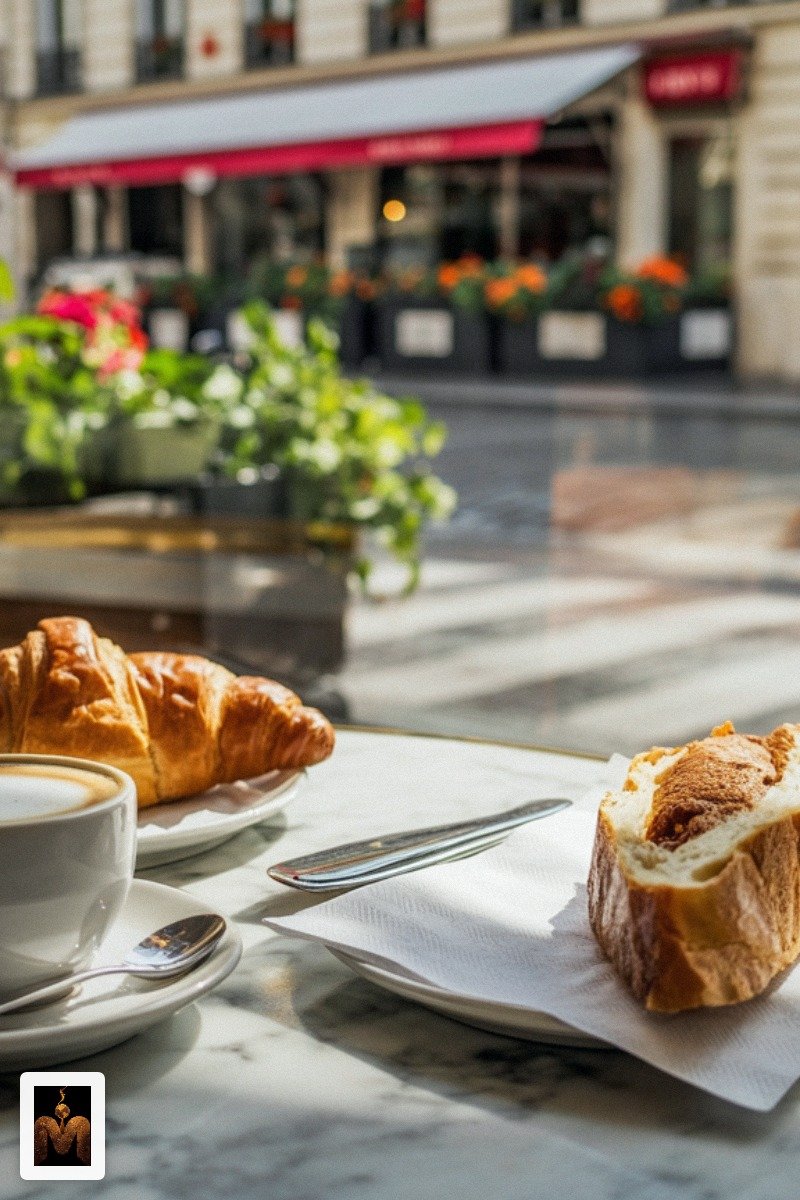
A neighborhood café in the 9th is where I started going instead.
No name worth Googling, about eight stools, a zinc bar worn flat in the middle from decades of elbows.
It charged me €4.20 for a café crème and a croissant.
That croissant wasn’t Instagram-ready.
It was warm and slightly irregular and I ate it in two minutes standing up and it was correct in every way that matters.
Every major travel guide recommends the famous cafés as the place to experience Paris café culture.
Honestly, worst place to experience it.
A neighborhood café turns over constantly, operates on thin margins, and has no incentive to perform.
That’s why it works.
Butter as a Load-Bearing Structural Element, Not a Condiment
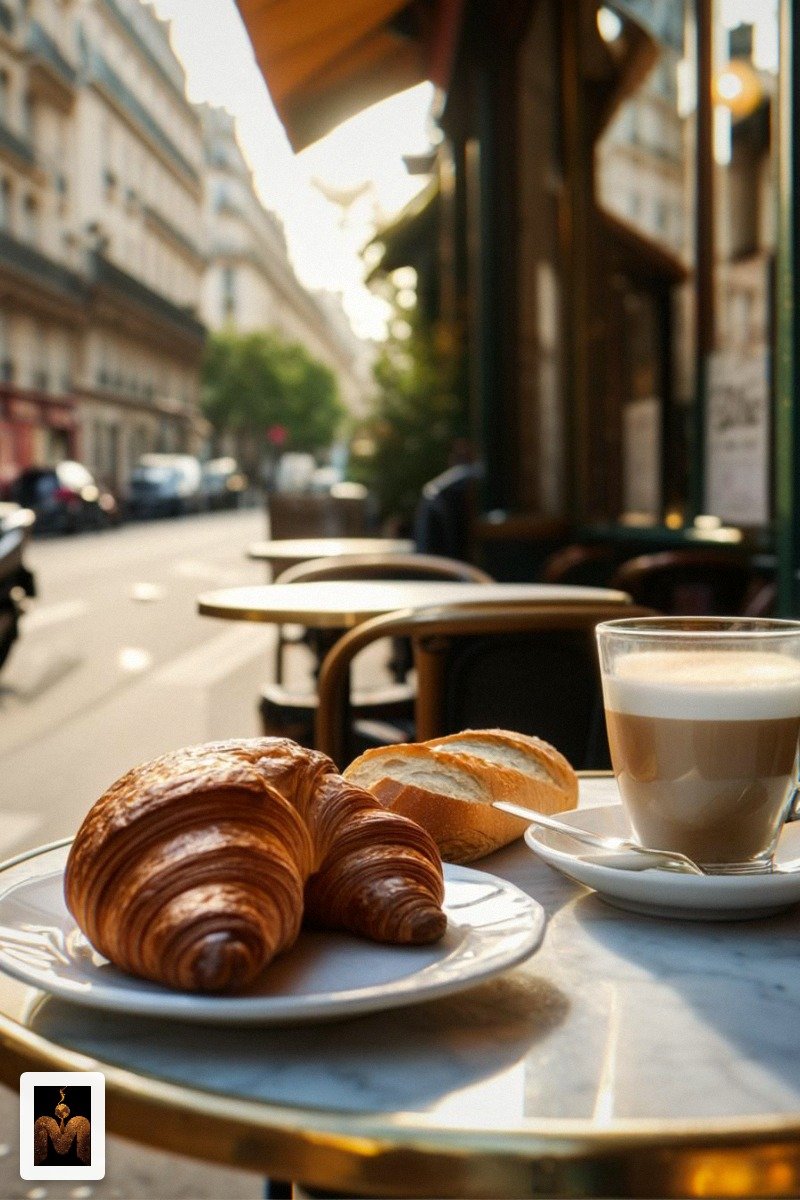
I spent an embarrassing amount of time at a Parisian épicerie staring at Échiré butter, which costs about €6 for 250g and comes wrapped like something that belongs in a jewelry box.
I bought it.
Bought it again the next day.
Back home I tried to explain to someone why American butter tasted wrong to me now, and I sounded insane.
Actual reason: French AOC butter requires a minimum 84% fat content.
U.S. standard butter sits at 80%.
That four percent gap is not trivial.
It changes the texture, the way it melts into a warm tartine, the way it holds flavor without watering out.
A Poilâne baguette at €2.10 with Échiré butter is a different structural object than the same bread with standard American butter.
Not better in a snobbish way.
Better in a physics way.
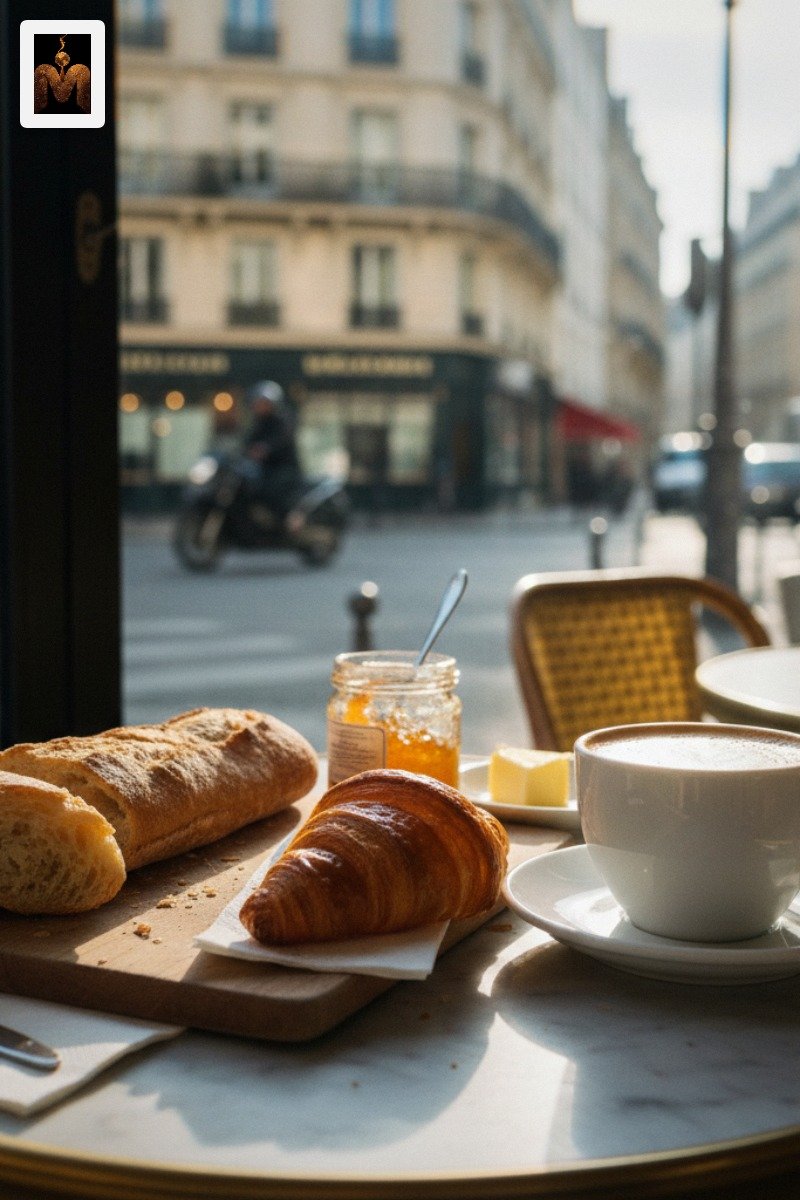
Any breakfast culture that treats butter as optional or diet-adjacent has already made a philosophical error that no amount of avocado toast can correct.
If you’re replicating this at home, look for 82% fat minimum on the label.
Some European import sections carry it.
Not precious.
Just the right material for the job.

🗼 I Wrote a Book About My Japan Travel Catastrophes!
Before I landed in Tokyo, I thought I was the “Final Boss” of international travel. Spoiler alert: I WASN’T. 😅
🚅 I boarded the wrong Shinkansen and ended up in THE WRONG CITY. I confused locals with my “expert” bowing that was more awkward than accurate. I accidentally stumbled into a high-stakes Kendo practice thinking it was a tourist show. Sound like something you’d do?
“Things I Wish I Knew Before Going to Japan” is your shortcut to avoiding ALL my cringe-worthy mistakes. ✨ Inside, you’ll find practical, LIFE-SAVING tips on etiquette, transport, money, and hidden gems that will save you time, money, and a whole lot of confusion.
Ordering Wrong: Four Mistakes Tourists Make Before 9am
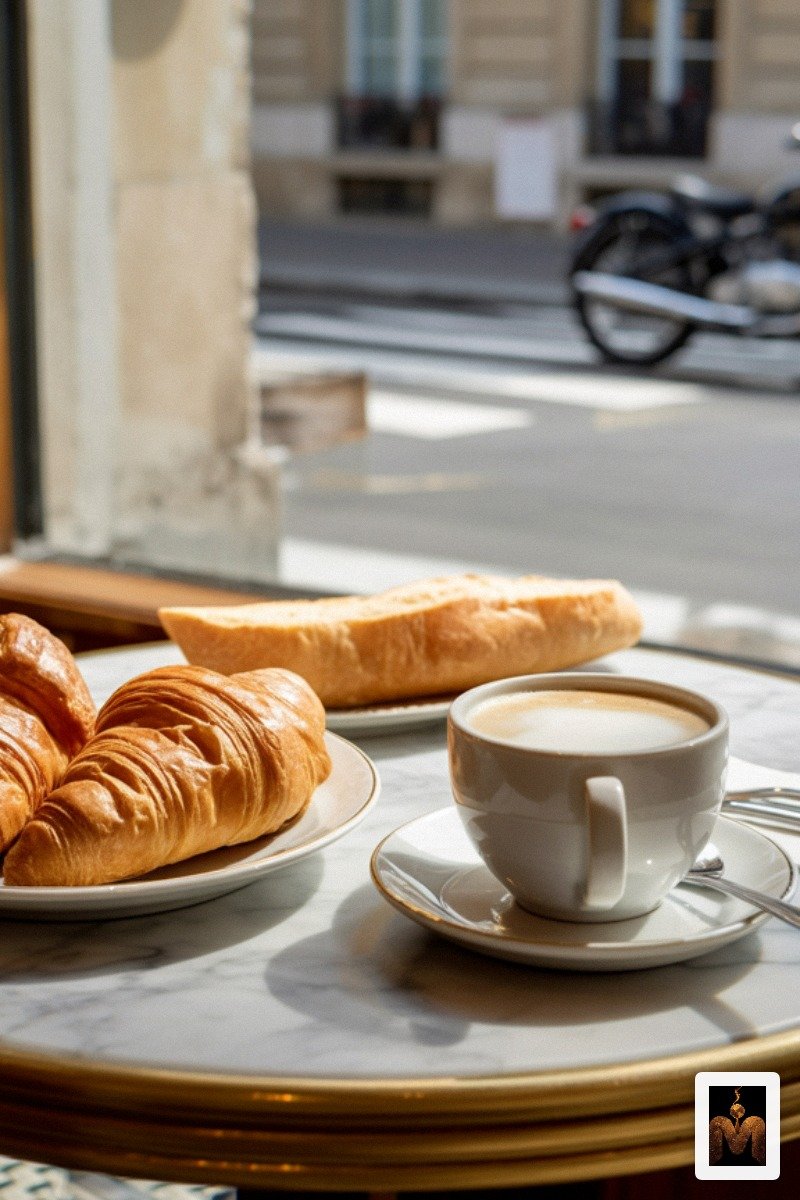
Biggest mistake isn’t the order itself.
It’s the performance of deciding.
Standing at a Paris counter and visibly deliberating over a menu that contains three items communicates, very clearly, that you haven’t understood what kind of place this is.
Decisiveness is part of the ritual.
You walk in, you say café crème or express, you maybe point at the croissant, done.
Whole transaction takes eleven seconds.
Other errors I’ve watched tourists commit, some of which I committed first: asking for a menu (there isn’t one, or it’s on a board, and ordering from it slowly is friction the staff didn’t budget for), sitting inside when the terrace is open (you’ve misunderstood what you came for), and tipping as if you’re in the U.S. The obligation to include service in displayed prices dates to a 1967 French decree.
That tip is already in the price.
Your waiter isn’t waiting for your 20% and they’re not performing warmth to earn it either.
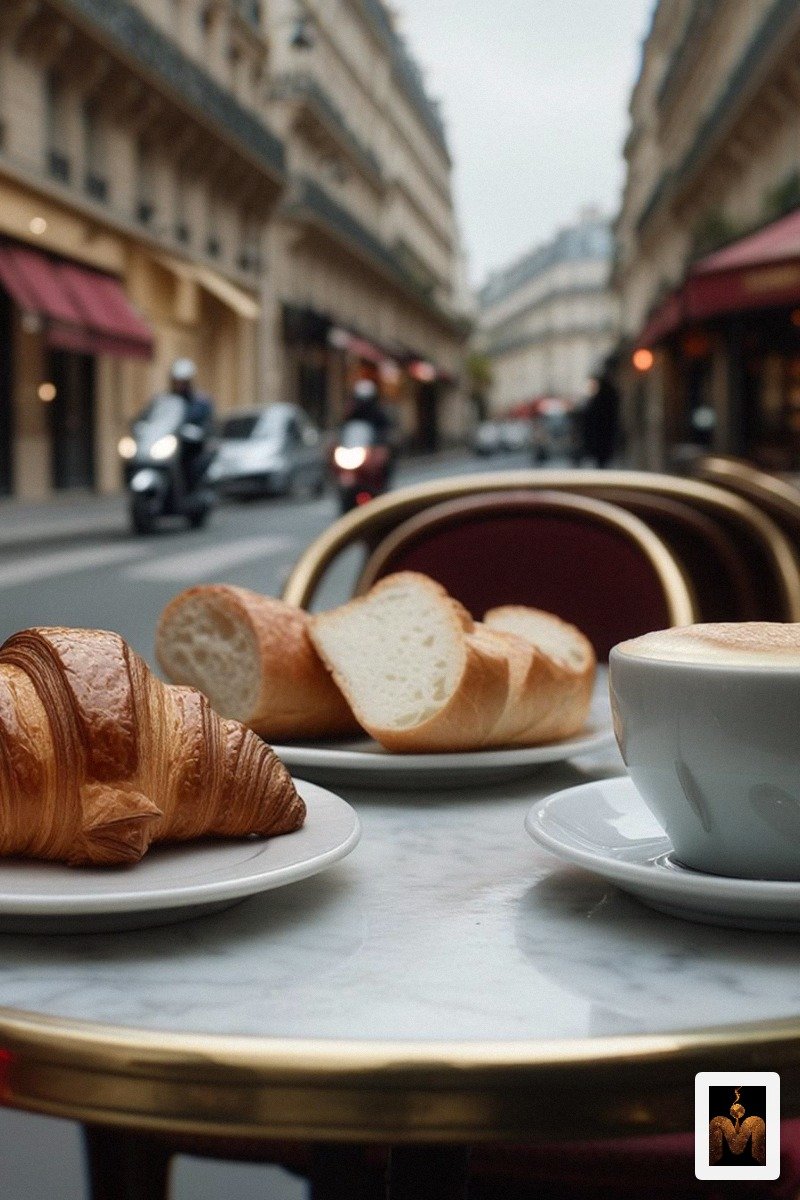
Also: if you order “un café” at a Paris counter, you will receive an espresso.
Not filtered coffee.
Not something with room for milk.
Filtered coffee means asking for a café filtre, which will come out of a machine that suggests it doesn’t get much use.
Tourists assume French waitstaff are rude.
They’re not rude.
They’re operating on a different social clock.
You showed up late in their framework, asked for things that slowed the line, and expected warmth in exchange for confusion.
They’re not obligated to recalibrate for you.
London, New York, Tokyo: Ranked by How Badly They Fail the Paris Standard
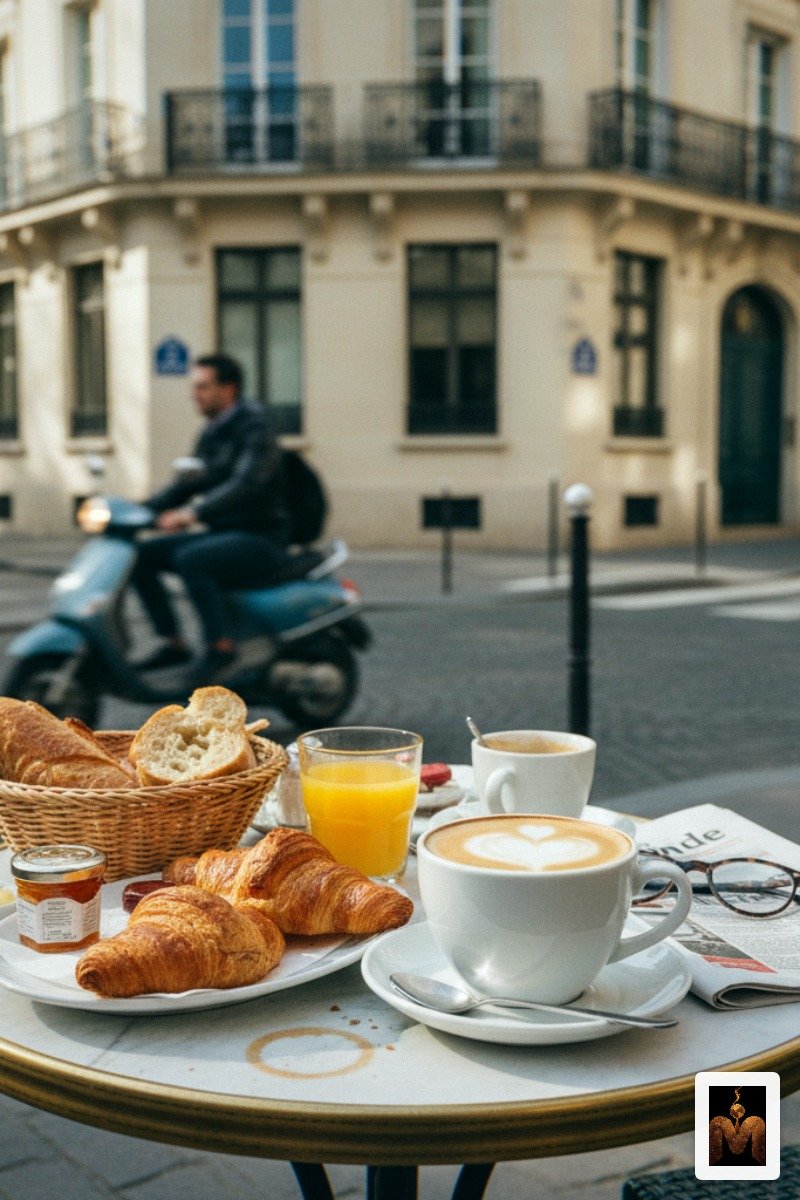
New York first, because I live closer to it.
Average breakfast receipt in NYC runs $18 to $26 with tip.
You’ll eat it in a room optimized for noise and turnover while a server checks on you every four minutes.
Food can be excellent.
London’s full English is constructed around a 12-minute prep window.
That’s not a slow breakfast.
That’s a hot meal served fast with a narrative of leisure attached.
The story says slow.
The kitchen says otherwise.
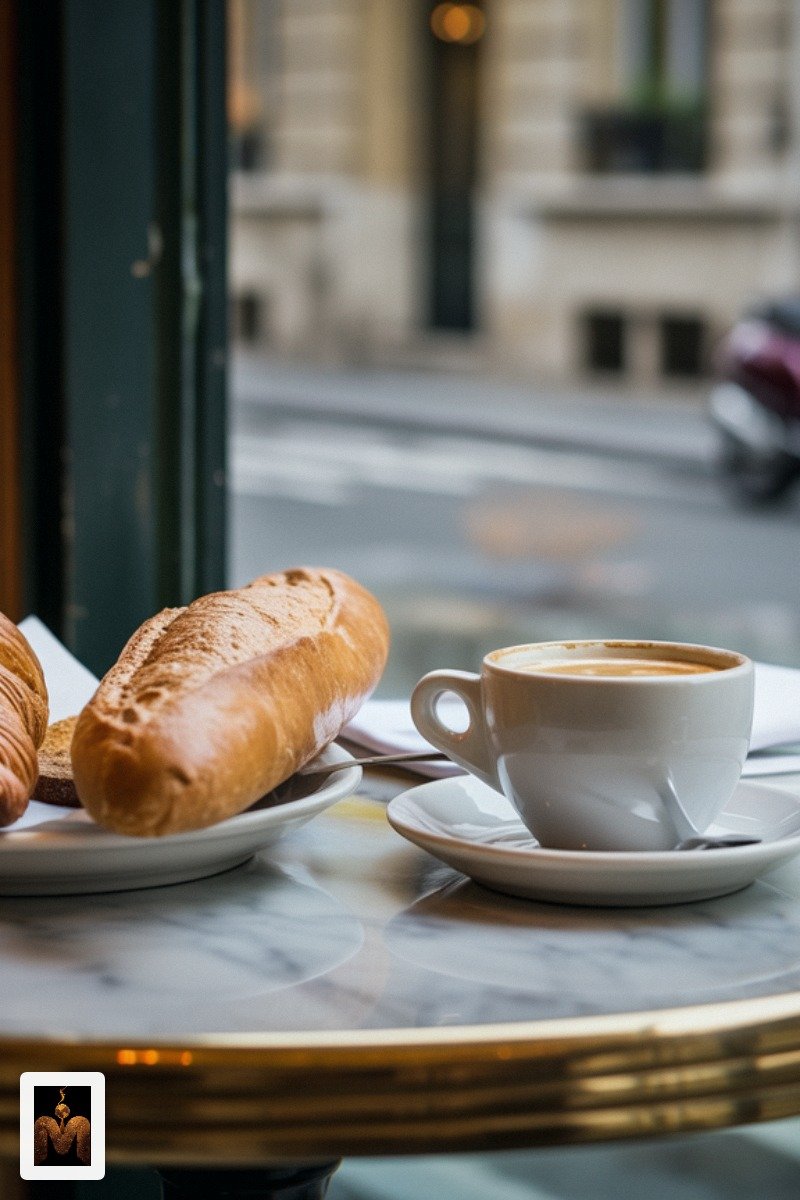
Tokyo is the actual answer nobody expects.
Kissaten coffee culture — the old-school Japanese coffee shops — permits sitting for up to three hours.
Nobody performs impatience at you.
Coffee is often extraordinary.
Rooms are usually quiet in a way Paris isn’t.
I’ll say this clearly: Tokyo’s kissaten culture is the only breakfast tradition that genuinely competes with Paris on pace architecture, and it beats Paris on solitude, which is a different but equally valid breakfast value.
Paris is social.
Tokyo is interior.
Both are correct.
Everything else is just eating fast in a room.
Framing this as which city has better food is the wrong frame.
Which city grants you social permission to be still is the right one.
Paris and Tokyo do.
Others are working on it.
Replicating 80% of It When You’re Not in Paris
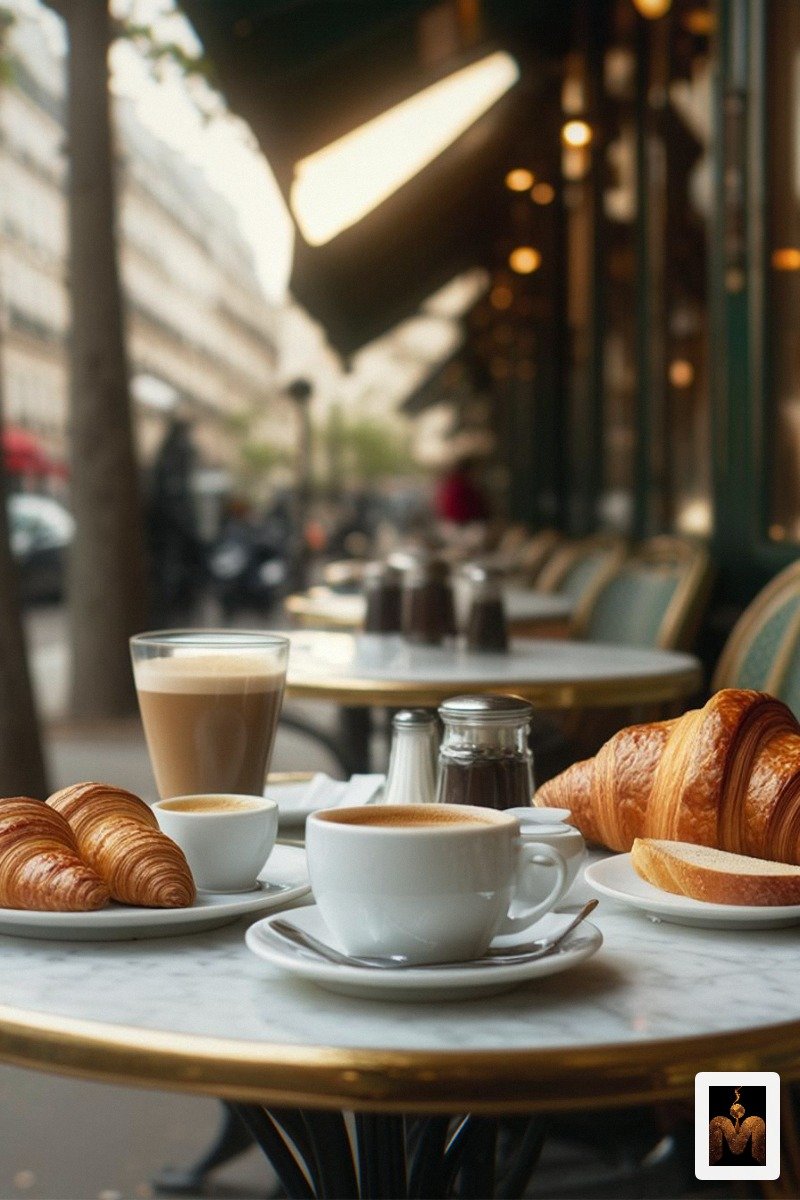
You can get 80% of Paris café breakfast in Lisbon, Lyon, or Montreal.
Done it in all three.
What you’re looking for isn’t a French flag or a zinc aesthetic.
You’re looking for three structural things: counter seating, no ambient pressure to free the table, and espresso-based coffee made by someone who does it all day.
On Google Maps, search “zinc bar” or “stand-up coffee” in European cities.
In North America it’s harder.
Search for “espresso bar” and filter for places under 20 covers.
Smaller rooms can’t survive on table-turn economics, so they don’t enforce them the same way.
That’s the pressure relief you need.
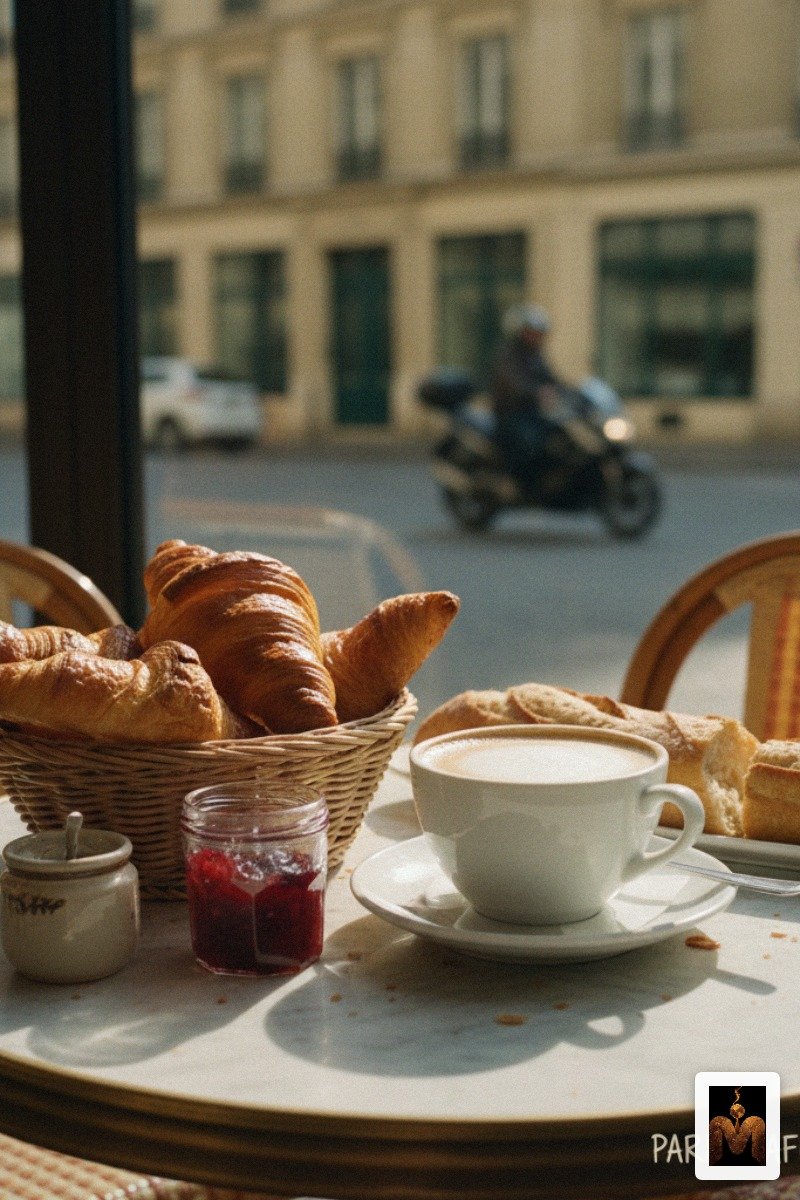
For butter, 82% fat minimum on the label.
Some Whole Foods carry a few European imports, and any decent cheese shop in a major U.S. city will have something workable.
One hard rule: you will not replicate this in any café with a QR code menu.
That QR code is a physical manifestation of the café’s priorities, and those priorities are not yours.
Five Paris Neighborhoods Where the Breakfast Ritual Still Holds
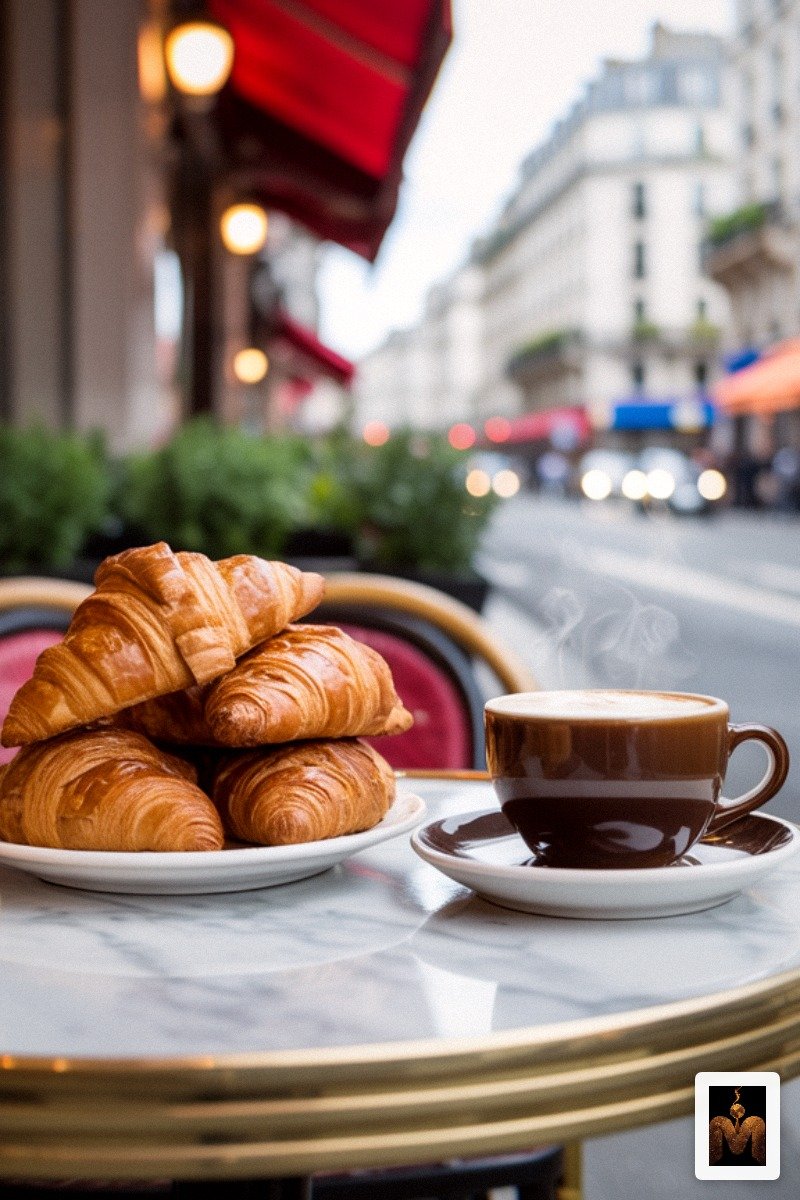
Le Marais is recommended everywhere as an authentic local breakfast experience.
It stopped being that around 2018.
Last time I went back I counted four juice bars and a hotel brunch on one block.
Skip it for breakfast.
Rue de Bretagne market area in the 3rd runs Tuesday through Sunday from 8:30am, and nearby cafés are filled with people who are actually there to buy vegetables afterward.
Not to document anything.
Right crowd to eat near.
Canal Saint-Martin starts later — cafés kick in around 9am — but linger culture runs longer, and the light off the water does something to the morning I don’t have a structural explanation for.
I just know it works.
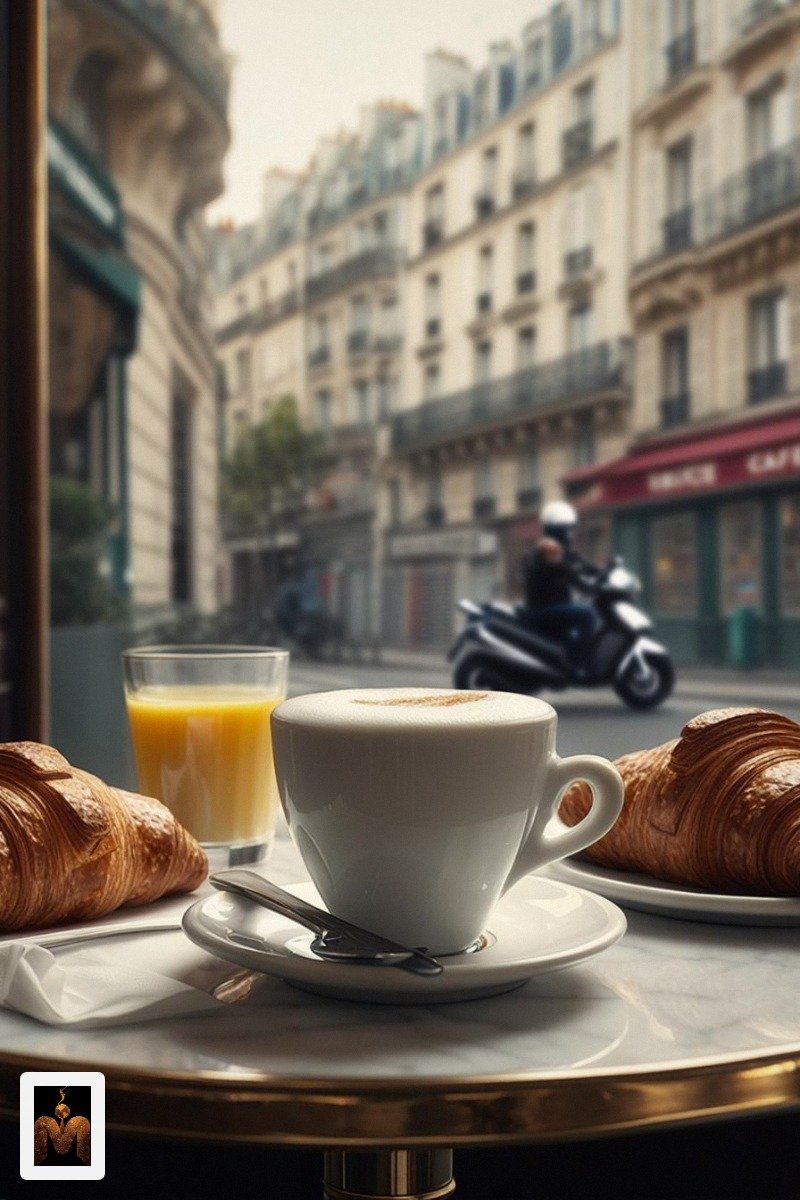
Montmartre is complicated.
Within 300 meters of Sacré-Cœur, tourist cafés outnumber local ones roughly 4:1.
Go two streets farther than you think you need to.
Quietly the best neighborhood for breakfast ritual right now is the 11th.
Dense with workers, light on tourists, enough foot traffic to make zinc bar economics work.
Worth noting this won’t last — two or three more years before brunch operations move in.
Go now.
Croissant Industriel vs. Croissant Artisan: How to Read the Lamination
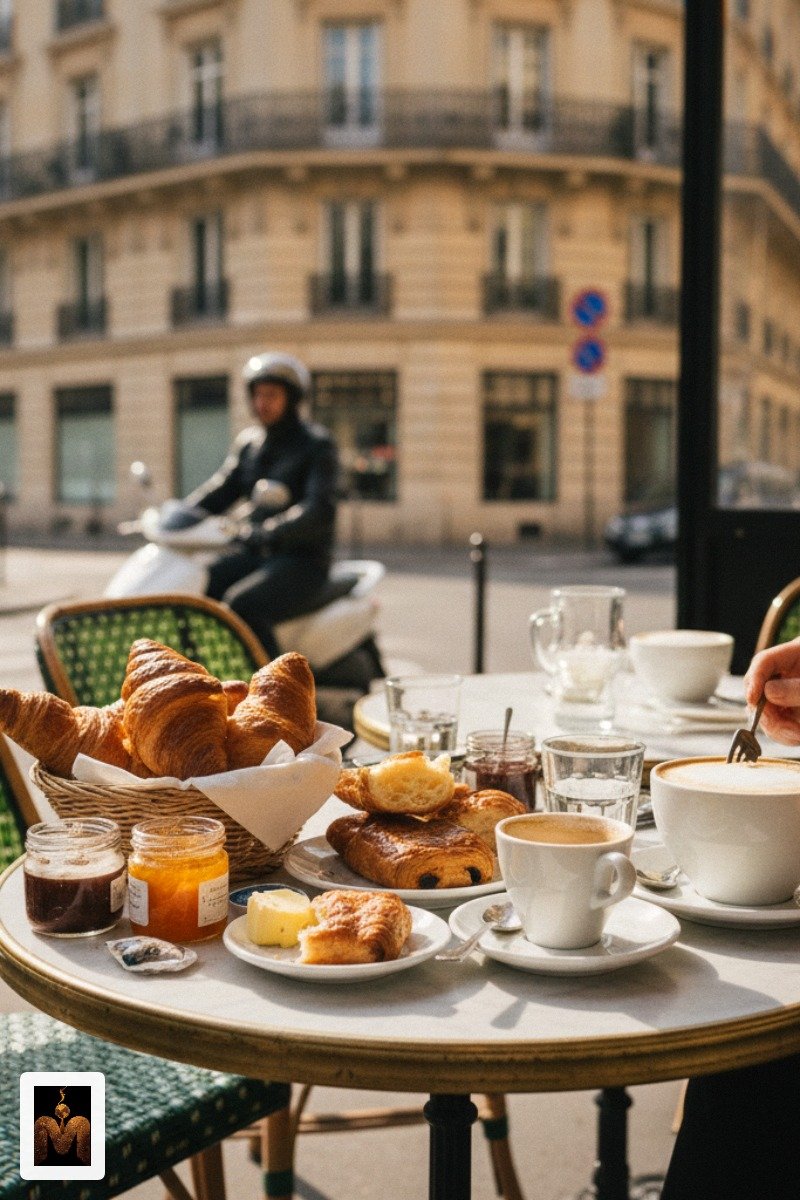
A properly laminated croissant has 27 layers minimum.
Tear it gently from the base and you can see them: thin, slightly translucent sheets that flake off instead of pulling.
An artisan croissant weighs somewhere between 65 and 75 grams.
You can feel the difference before you bite it.
An industriel croissant weighs 45 to 55 grams, uses margarine instead of butter — roughly 40% fewer flavor compounds, which you don’t need to measure to taste — and its layers are fused rather than defined.
Exterior has a uniform sheen that looks good under a heat lamp.
Structurally it’s a curved bread product that has been granted croissant status through cultural inertia.
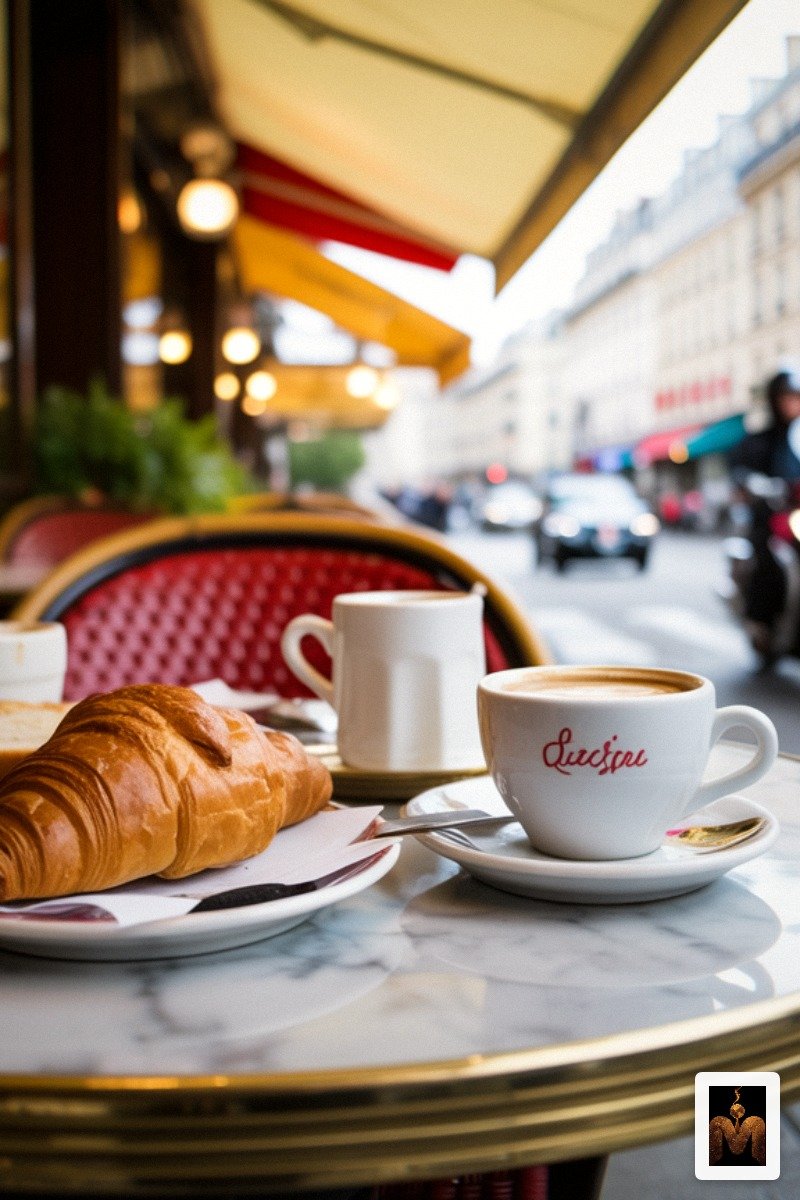
Hotel breakfast croissants are almost universally industriel.
The ones that just appear on a plate without you going somewhere to get them — those are always the worst ones available.
If you didn’t go get it, that’s already a data point.
Spotting an artisan: irregular shape (hand-rolled means uneven ends), deeper color on top, and when you press lightly it resists before it gives.
An industriel version is soft all the way through immediately.
That softness is not freshness.
It’s the absence of structure.
Morning Light, Terrace Angle, and Why the Physical Design Is Not Accidental
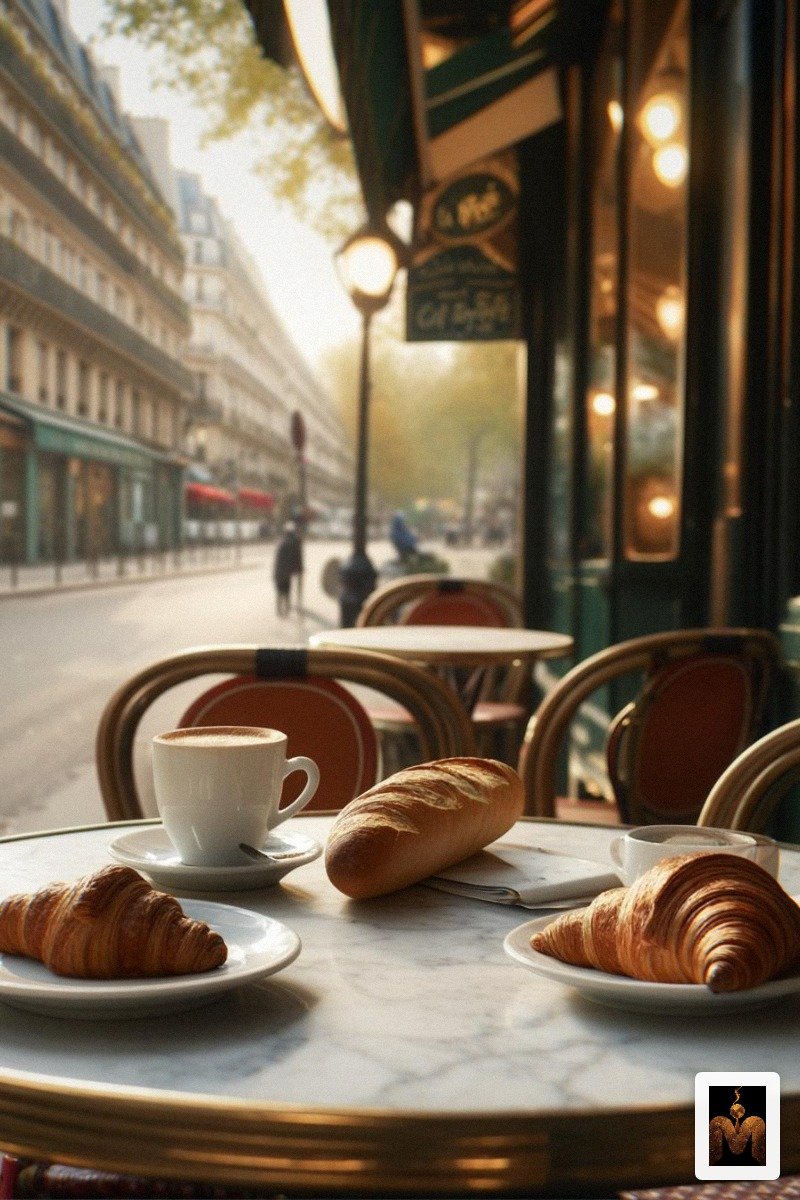
A rattan bistro chair on a Paris terrace sits at 43 to 45 centimeters — lower than standard restaurant seating.
You’re slightly reclined without meaning to be.
Posture softens.
Not an accident.
Haussmann-era boulevards have a minimum width of 20 meters.
Pre-10am light comes in at an angle that doesn’t hit you directly.
It diffuses off the building face opposite and arrives as something warm rather than harsh.
I noticed this in a vague physical way for a week before I worked out why.
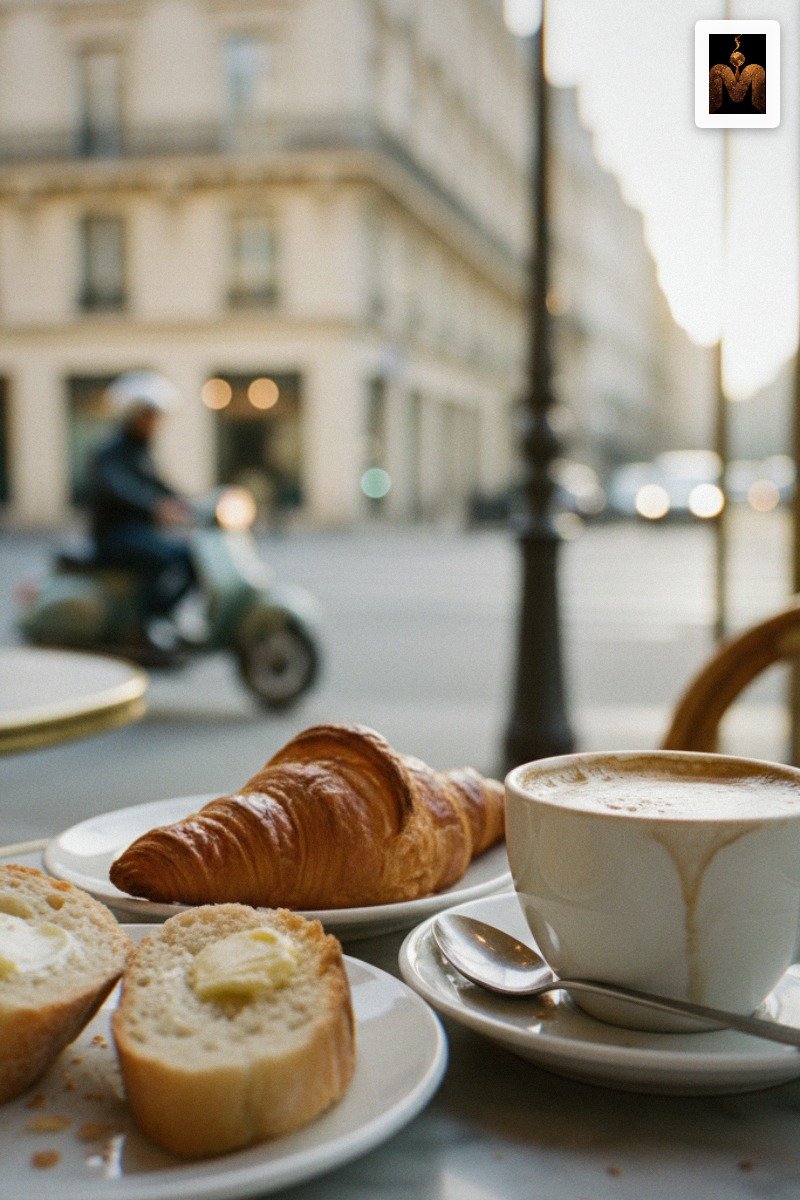
In roughly 80% of traditional Paris cafés, terrace seating faces outward toward the street.
Most U.S. café designs face inward, toward the room and other customers.
An outward-facing chair converts eating into witnessing.
You’re not just having breakfast.
You’re watching the city open.
That’s the actual activity.
Coffee is just the reason to be seated for it.
🗼 I Wrote a Book About My Japan Travel Catastrophes!
Before I landed in Tokyo, I thought I was the “Final Boss” of international travel. Spoiler alert: I WASN’T. 😅
🚅 I boarded the wrong Shinkansen and ended up in THE WRONG CITY. I confused locals with my “expert” bowing that was more awkward than accurate. I accidentally stumbled into a high-stakes Kendo practice thinking it was a tourist show. Sound like something you’d do?
“Things I Wish I Knew Before Going to Japan” is your shortcut to avoiding ALL my cringe-worthy mistakes. ✨ Inside, you’ll find practical, LIFE-SAVING tips on etiquette, transport, money, and hidden gems that will save you time, money, and a whole lot of confusion.
Seasonal Shifts: Paris Café Breakfast in Winter Is a Different Product
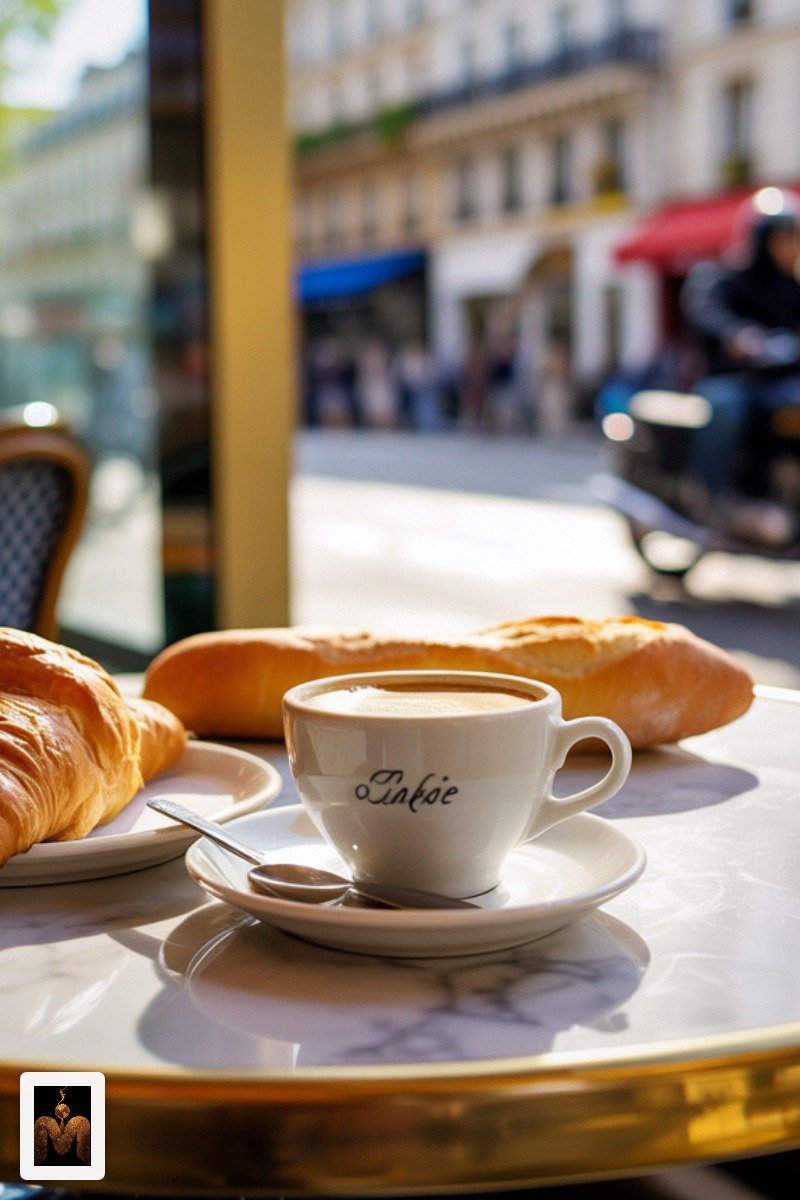
Every article tells you to visit Paris in spring or fall.
For café breakfast specifically, January and February are the correct answer, and I’ll die on this hill.
Average temperature in January is 5°C / 41°F. Terraces run roughly 60% reduced or closed between November and February, which means everyone is inside or at the zinc bar.
That counter stands at 110 to 115 centimeters — designed for standing — and at 8am on a Tuesday in January it’s occupied by actual Parisians with somewhere to be afterward.
Not tourists who flew in off-season on cheap fares and are building their whole morning around a photo.
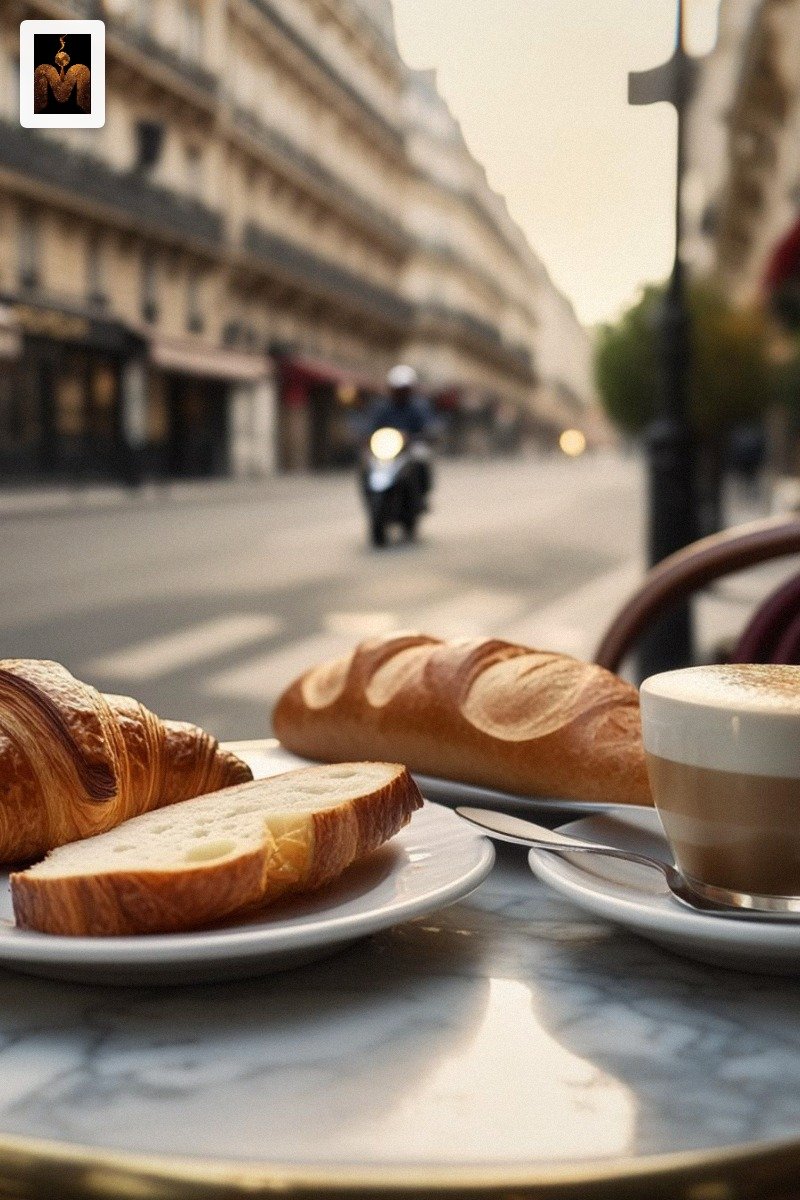
Windows steam up.
Espresso machine runs constantly.
Interaction is quick and warm in the way cold weather makes interactions warm — not performed, just efficient and human.
Nobody lingers because a beautiful terrace is waiting.
People are there because it’s January and it’s warm inside and the coffee is good.
That’s the social contract at full efficiency.
No performance layer.
Just the thing itself.
Budget Reality: What a Week of Paris Café Breakfasts Actually Costs
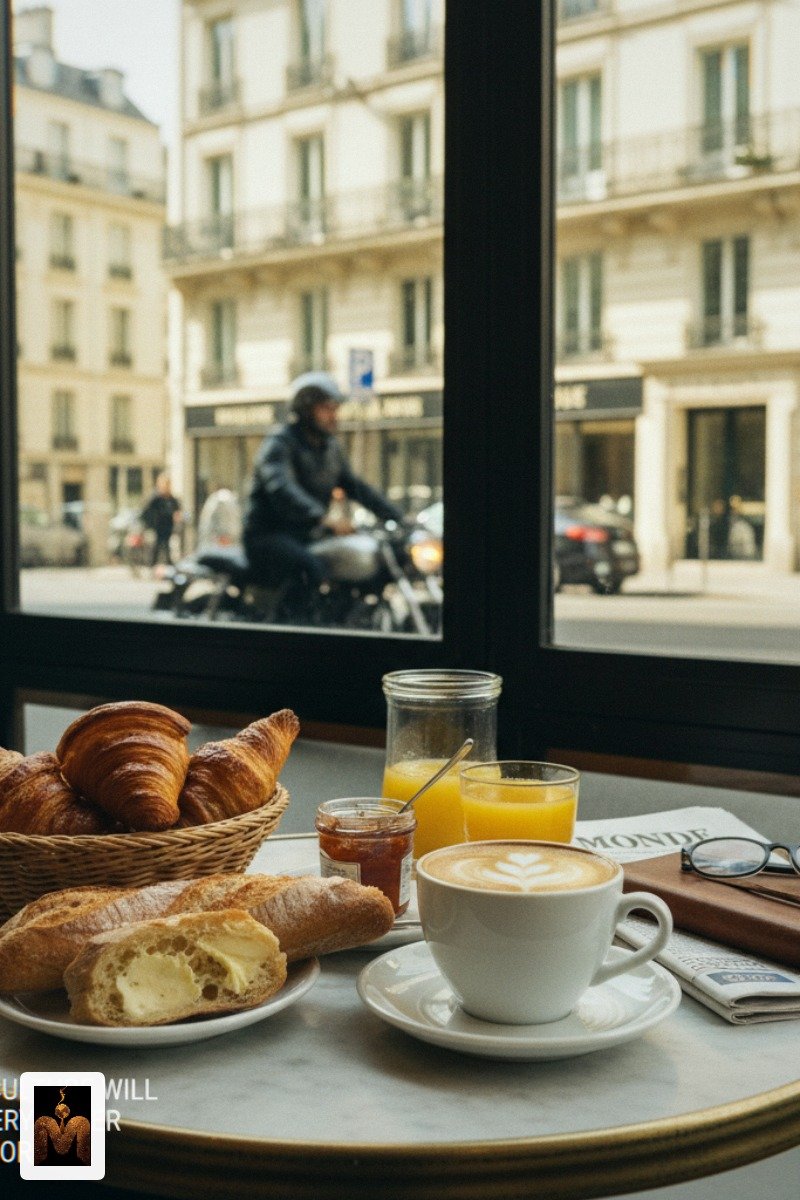
Seven days of neighborhood café breakfast runs €35 to €55 total.
Standing espresso at the zinc costs €1.40 to €2.20 depending on the arrondissement.
Add a croissant or a tartine and you’re under €5 most mornings.
Sitting down at a table typically adds €0.50 to €1.00 to the espresso price.
That surcharge is honest in a way I find almost admirable.
Paris literally charges you for the chair, and it’s correct to do so.
You’re paying for time and square footage, not coffee quality.
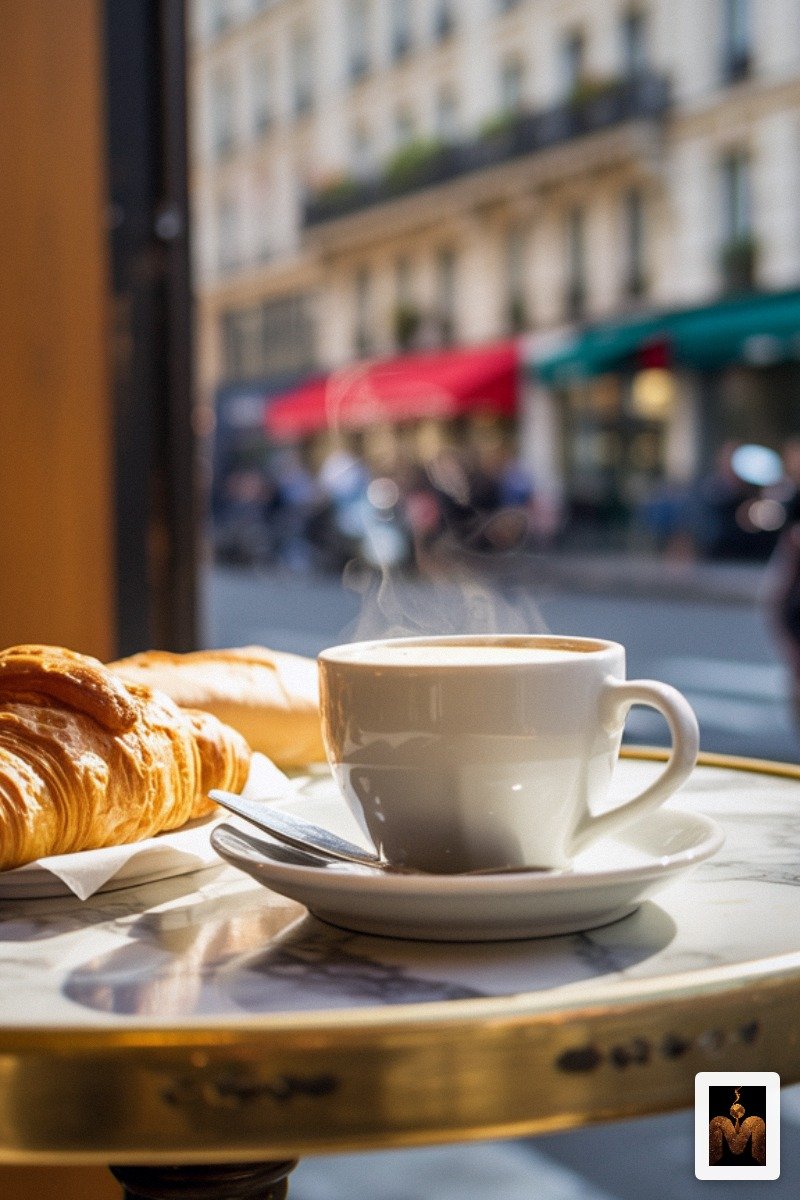
Seven days at a tourist-facing café runs €140 to €180.
Same ritual, worse version, four times the price.
Only thing that changed is the zip code within Paris and your willingness to be marketed to.
At the neighborhood level, Paris café breakfast is the cheapest good meal available in any major European capital.
Travelers who budget for it as a luxury have misunderstood the product.
It’s a daily infrastructure cost, like the bus or transit.
You’re not treating yourself.
Just eating breakfast the way it was designed to be eaten.
After Paris, What Breaks First Back Home
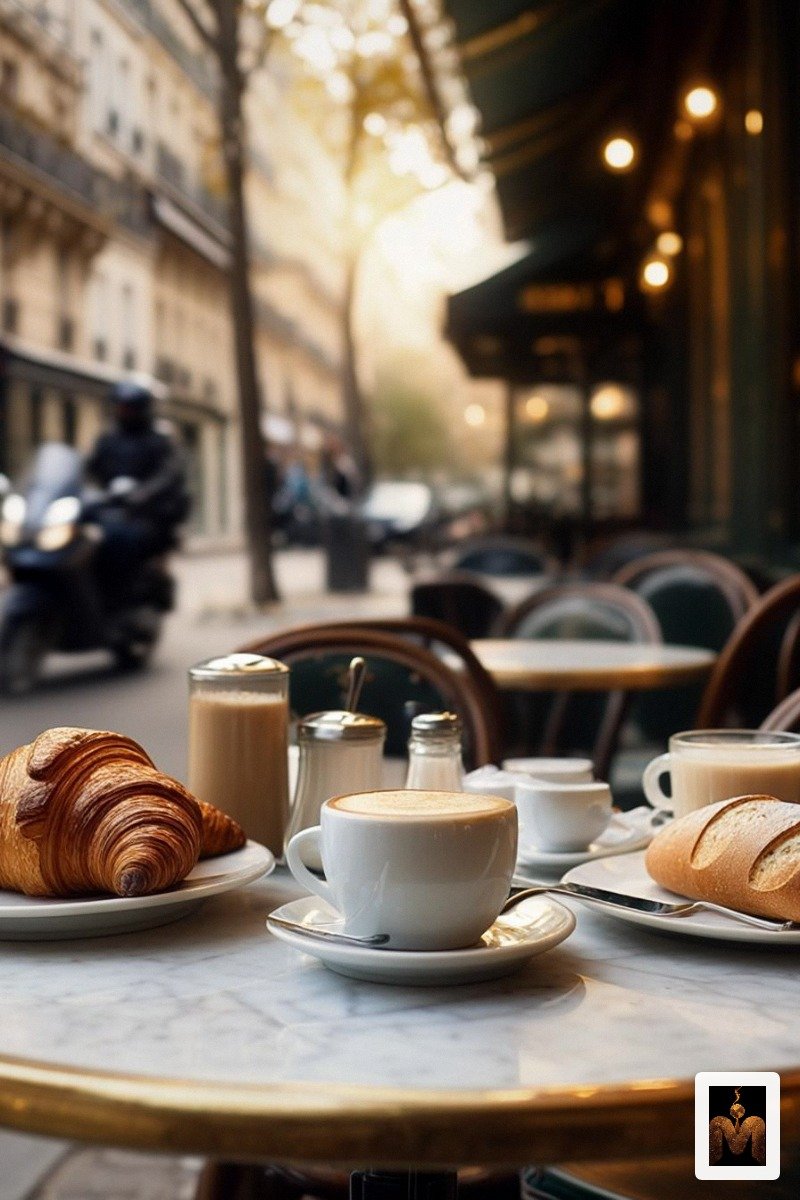
Drip coffee.
Goes first, goes fast.
U.S. drip coffee averages 85 to 90°C at service and sits on a burner doing slow oxidative damage to itself while you take your time.
Espresso has a crema stability window of about 90 seconds.
Designed to be consumed immediately, which is why the interaction at a zinc bar is brief.
The drink doesn’t wait.
You sync to it.
After drip coffee, the grab-and-go pastry.
Turns out once you’ve held a 70-gram hand-laminated croissant that cost €1.80, the $4.50 triangular thing in the plastic clamshell — the kind they keep in a basket next to the carry-on bag tags at every airport newsstand — becomes genuinely difficult to eat without a low-grade grief response.
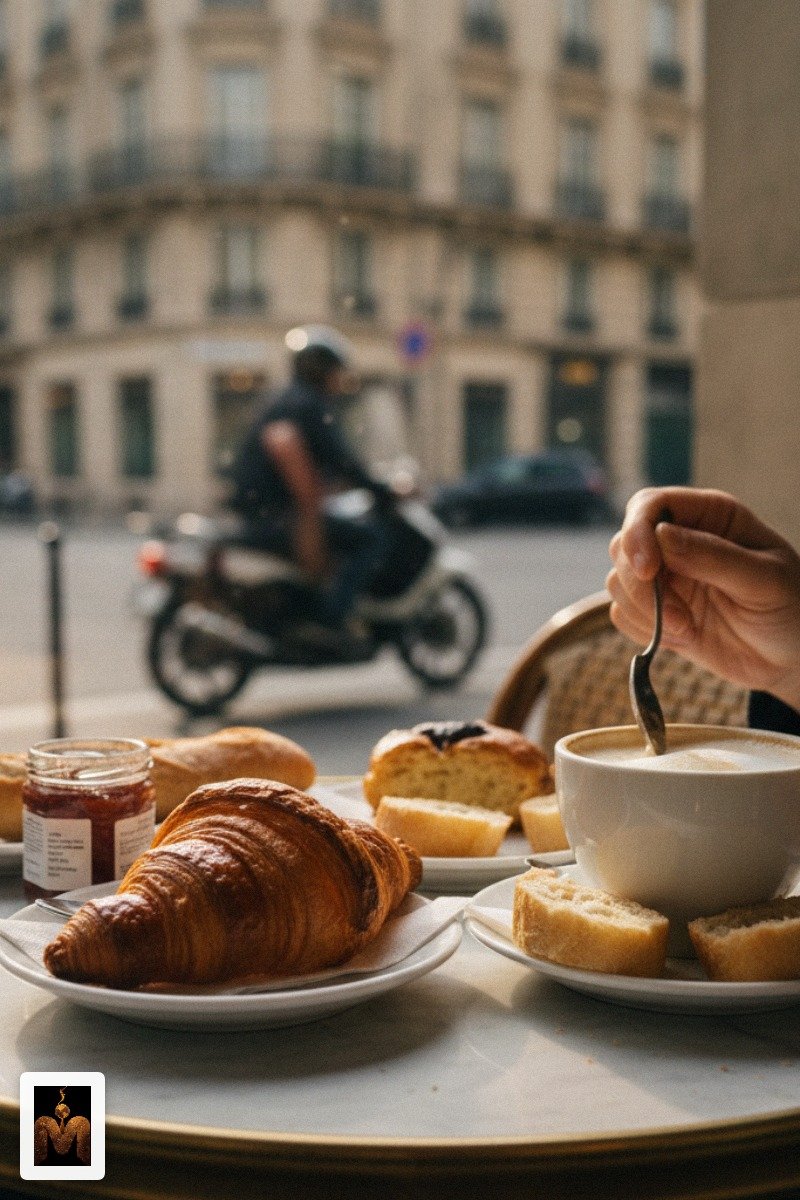
Brunch takes longer to fully break, but it does break.
Average wait time for U.S. city brunch runs 35 to 55 minutes — longer than the entire Paris breakfast ritual, including the walk there.
At the end of that wait you get a table in a loud room with a bottomless mimosa option and a server who will check on you seven times in forty minutes.
Brunch is what happens when a culture wants café culture but won’t slow down.
So it adds alcohol and removes the only thing that actually mattered.
I don’t say any of this as snobbery.
My kitchen is not fancy.
I just can’t unknow what 22 minutes of protected stillness feels like in the morning, and that’s a calibration problem I’ve stopped trying to fix.
Building a Paris-Breakfast Itinerary That Doesn’t Collapse by Day Three
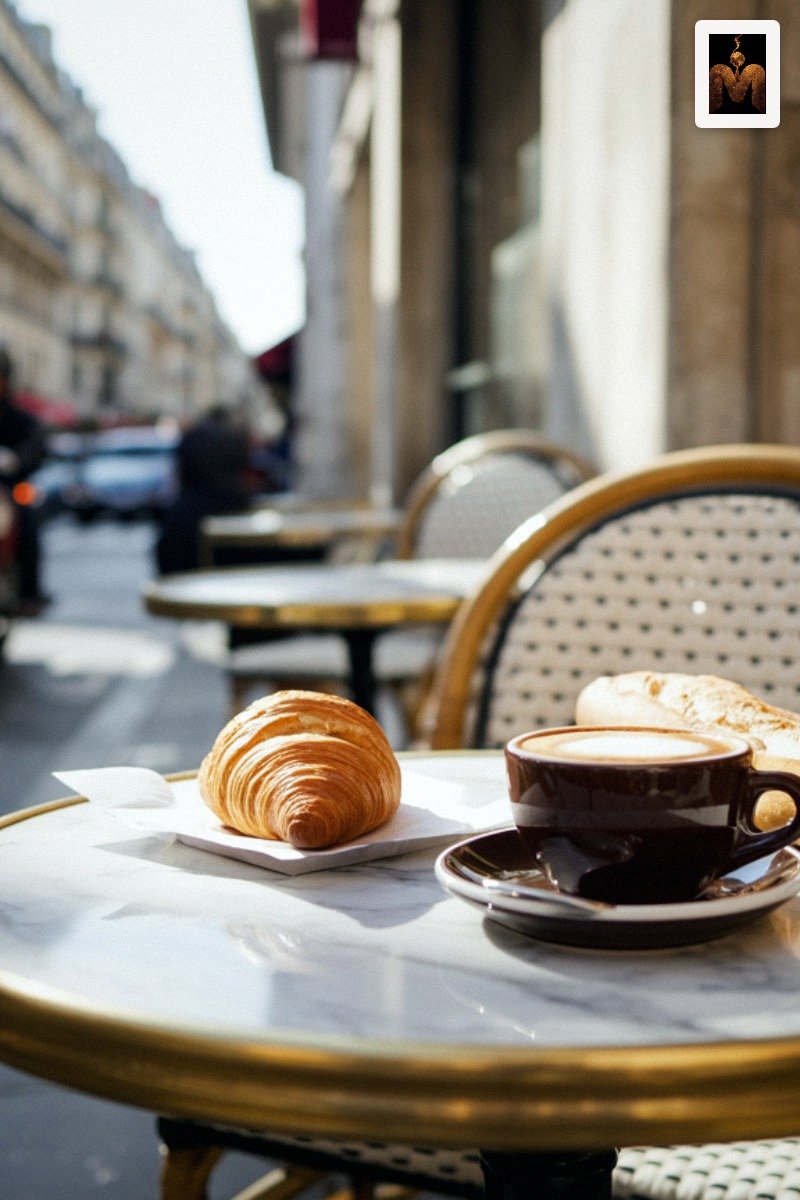
Most Paris travel itineraries front-load mornings with attractions.
Structural error.
Morning is the itinerary.
Everything else is optional.
Paris cafés are quietest between 7:30am and 8:15am.
Sit down at 7:45am, you’re out by 8:10am with 20 minutes of actual stillness behind you, and the city hasn’t fully started yet.
Light is still low.
Terrace has room.
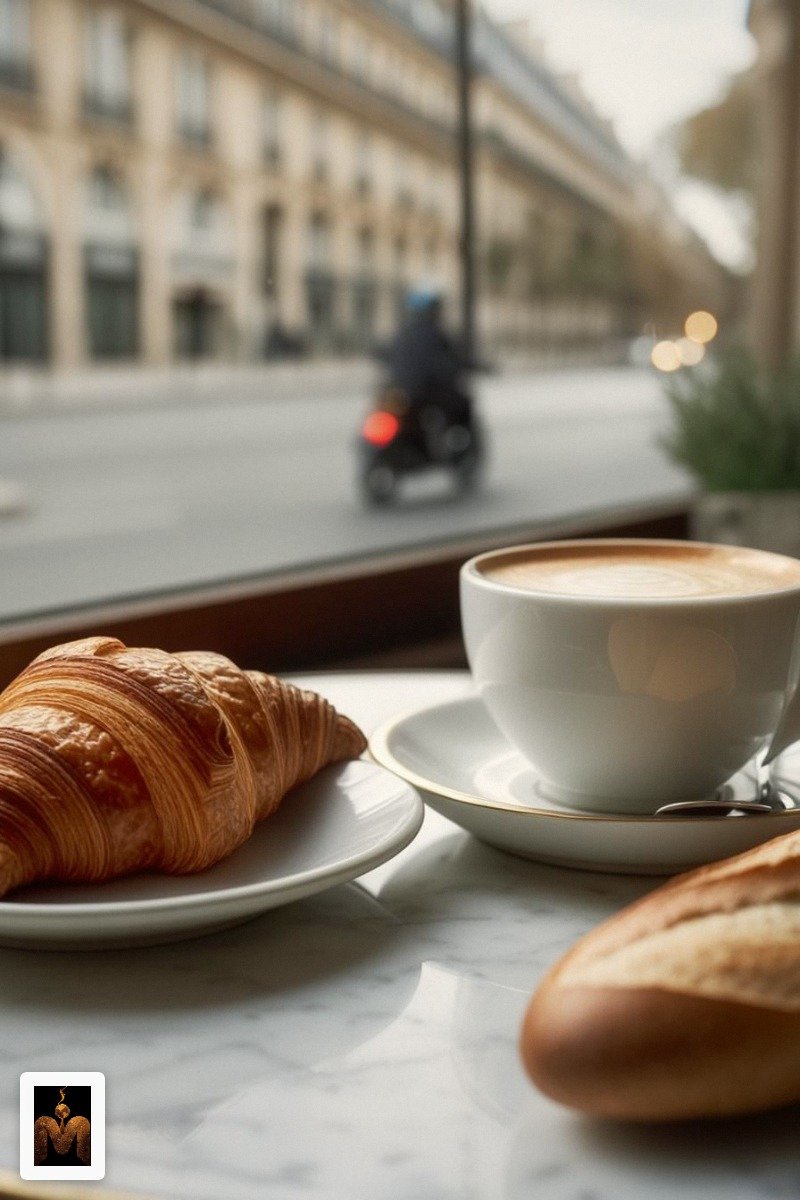
The Louvre opens at 9:00am Wednesday through Monday and is closed Tuesdays — worth knowing before you build your morning around it.
How early you need to leave the café depends entirely on where you’re staying, but the breakfast window is there if you protect it.
Problem isn’t time.
Most people schedule breakfast as a 15-minute fuel stop and wonder why the day feels thin by noon.
Protect the breakfast.
Build everything else around it.
Not because it’s precious or because you’re on vacation — but because a day that starts with 22 minutes of pace architecture runs differently than one that doesn’t, and once you know that, scheduling anything else first starts to feel like a mistake you made before you learned better.
Related read: Things I Wish I Knew Before Going to Japan — Instant PDF + Kindle download. Secure checkout by Stripe