
I got turned around on a ridge trail in Colorado once, and the light was going fast.
My phone had one bar and twelve percent battery.
I remember standing there thinking, this is exactly how those documentaries start.
Nothing bad happened that day, but it scared me straight.
And it’s the reason I obsess over trail prep the way some guys obsess over their fantasy football lineup.
So if you’re the type who just laces up and goes, I want to slow you down for a second.
Not to freak you out.
Just to make sure your next hike is the good kind of memorable.
Tell Someone Your Exact Route

This one sounds obvious, but almost nobody does it right.
Texting “going hiking, back tonight” is not a plan, it’s a shrug.
Before I leave the car, I send my wife the trailhead name, the loop I’m taking, and roughly when I expect to be back.
I even screenshot the trail map and send that too.
If something goes sideways out there, rescue crews don’t need vague vibes, they need coordinates.
I started doing this after a buddy sprained his ankle four miles in with zero cell signal.
His girlfriend didn’t know which trailhead he’d parked at.
That search took hours longer than it should have.
So now I treat this step like buckling a seatbelt, non-negotiable, every single time.
My personal hack is a shared notes app where I drop my route the night before.
That way even if I forget in the morning rush, it’s already there.
Some guys think this makes them look overly cautious.
Honestly, I don’t care.
I’d rather feel a little extra careful than have someone worrying and guessing.
It takes ninety seconds and it might be the most important thing you do all day.
Check the Weather Like It’s Going to Personally Betray You

Mountain weather does not care about your itinerary.
I’ve watched a clear blue morning turn into sleet by early afternoon, no warning, no mercy.
Now I check the forecast the night before, again that morning, and one more time right at the trailhead if I have signal.
I’m specifically looking at wind, temperature swings, and afternoon thunderstorm chances, because that combo has ruined more hikes than anything else I’ve dealt with.
If there’s any lightning risk, especially above the treeline, I just don’t go, or I go early enough to be down before storms typically roll in.
That’s usually late morning in a lot of ranges.
There’s this macho instinct to push through weather like it’s a personality trait.
I get it, I used to have it too.
But nature doesn’t hand out participation trophies for stubbornness.
One trick I love is checking a mountain-specific forecast instead of just the general city weather, because conditions at elevation can be wildly different.
It genuinely changes everything about how I plan the day.
And honestly, some of my favorite hikes have happened because I rescheduled for a better weather window instead of forcing a bad one.
Patience pays off more than pride does out there.

Your Ultimate Caribbean Adventure Awaits!
Discover hidden coves, secret beaches, and the best rum punches in the islands. Your insider’s guide to Caribbean paradise.
Get Your Guide Now$15.99Pack More Water Than Feels Necessary

I used to guess on water and I was wrong almost every time.
Now I follow a simple rule, half a liter per hour on moderate terrain, more if it’s hot or steep.
That means a full day hike can mean three or four liters, which sounds like a lot until you’re four miles from the car and parched.
I carry a hydration bladder plus one backup bottle, because bladders can leak or get punctured, and I’ve had that happen exactly once and learned my lesson hard.
There’s a specific kind of tired that comes from mild dehydration, this foggy, irritable, slightly dizzy feeling.
It sneaks up on you before you even realize you’re thirsty.
My go-to trick now is drinking on a schedule rather than waiting to feel thirsty, small sips every fifteen or twenty minutes.
I also toss electrolyte tablets into my pack, especially for anything over ninety minutes or in serious heat.
They’ve genuinely saved my energy on long, sweaty climbs.
If you’re hiking somewhere with reliable water sources, a filter or purification tablets can lighten your load and let you refill along the way.
Just don’t assume a stream is safe without treating it first.
Water weight is annoying, I know, but running dry is worse.
Know the Trail Rating Before You Commit

Trail descriptions can lie to you, or at least stretch the truth.
“Easy” in one app can mean a gentle stroll, and in another it can mean an exposed scramble with a view.
I always cross-check at least two sources before trusting a difficulty rating, especially somewhere new to me.
I also look at elevation gain, not just total mileage, because a flat six miles and a six-mile climb are two completely different days.
There was a “moderate” trail in Utah that turned out to have a rock scramble section I was not remotely equipped for that day.
I turned around, and honestly, that was the smart move even though my ego didn’t love it.
My rule now is to match the trail to my worst day, not my best one.
If I’m tired, undertrained, or short on time, I pick something easier and save the ambitious route for when I’m fresh.
There’s zero shame in that.
A good tip here is reading recent reviews, not just the trail description, because conditions change with seasons, erosion, and storms.
Something rated easy in spring can be a totally different beast after a rockslide.
Give yourself permission to choose the trail that fits today, not the one that impresses people later.
Bring a Paper Map, Not Just an App

I know, I know, this sounds old-fashioned.
But phones die, drop signal, and apps glitch at the worst possible moments.
I carry a paper map and a basic compass on anything longer than a quick loop, and I actually know how to use them.
That second part matters, a map in your pack does nothing if you’ve never practiced reading it.
I learned basic orienteering from a park ranger years ago, and it’s one of those skills that just sits quietly in your brain until the day you desperately need it.
My phone is still my main navigation tool, don’t get me wrong, I love a good GPS trail app.
But I download the offline map beforehand and I always have that paper backup as a just-in-case.
Batteries fail, screens crack, cold weather drains phones fast.
A paper map never runs out of charge.
If you want an easy entry point, some visitor centers hand out free trail maps at the trailhead, so there’s really no excuse.
Treat it like a spare tire, you hope you never need it, but you’ll be so relieved it’s there if you do.
Caribbean Paradise Unlocked
From pristine beaches to vibrant local culture, discover the Caribbean’s best-kept secrets with my comprehensive travel guide.
- 120+ Hidden Beach Secrets
- Local Cuisine Guide
- Budget Travel Tips
- Island Hopping Routes
Learn the Signs of Heat Exhaustion and Hypothermia

These two show up more than people expect, even on trails that don’t seem extreme.
Heat exhaustion sneaks in with heavy sweating, dizziness, nausea, and a headache that just won’t quit.
Hypothermia is sneakier on the cold end, showing up as shivering, confusion, slurred speech, and clumsiness.
I once hiked with a guy who started stumbling over flat ground and slurring his words on a chilly, windy summit, and it took me a minute to realize it wasn’t just fatigue.
We got him layered up and moving down immediately, and he was fine, but it rattled me.
Now I check in with my hiking partners regularly, not just physically but mentally, asking how they’re feeling instead of assuming everyone’s fine.
The tricky part with hypothermia especially is that the person experiencing it often doesn’t realize how bad it’s gotten.
So it’s on the rest of the group to watch for it.
My rule is simple, if someone starts acting “off,” stop, assess, and treat it seriously rather than pushing forward.
Pack an extra warm layer even in summer, because summit temperatures and wind chill can surprise you badly.
Knowing these signs isn’t paranoia, it’s just basic trail literacy.
Dress in Layers, Always

I learned this the hard way sweating through a cotton shirt on a summit that turned freezing within an hour.
Cotton holds moisture and then just makes you cold, it’s basically the worst fabric choice for hiking.
Now I go with a moisture-wicking base layer, an insulating mid layer, and a packable rain shell, no matter the forecast.
That shell alone has saved more hikes than I can count, sudden rain or wind just doesn’t ruin the day anymore.
I also always bring a hat and gloves if there’s any elevation gain involved, because temperature drops fast as you climb.
My personal trick is dressing slightly cool at the trailhead, since I know I’ll warm up fast once I’m moving.
If I feel comfortable standing still at the start, I’m usually going to overheat within the first mile.
Layers let you adjust in real time instead of committing to one temperature for the whole hike.
I love this system because it makes me feel prepared for whatever the mountain throws at me.
And there’s something satisfying about peeling off a layer at the summit and feeling exactly right.
Small adjustments like this make a huge difference in how enjoyable the whole day feels.
Carry a Real First Aid Kit
Not the tiny one with two band-aids and a packet of ibuprofen, an actual kit.

Mine has blister treatment, gauze, medical tape, tweezers, antihistamines, and a small emergency blanket.
Blisters alone have derailed more hikes for me and my friends than any dramatic injury ever has.
I also toss in a whistle, because three sharp blasts is a universal distress signal that carries way further than your voice will.
There was a hike where a friend’s boot rubbed a blister into a full-blown wound by mile five, and having proper supplies turned a miserable descent into a manageable one.
I restock my kit after every trip so I’m never caught short on the next one.
My tip here is keeping it in a bright, easy-to-spot pouch, because fumbling through a dark backpack when someone’s hurt is not the moment for a scavenger hunt.
I also keep a laminated card with basic first aid steps, because panic makes people forget things they actually know.
This kit weighs almost nothing, but it buys enormous peace of mind.
Think of it as insurance you hope to never cash in.
Your Ultimate Caribbean Adventure Awaits!
Discover hidden coves, secret beaches, and the best rum punches in the islands. Your insider’s guide to Caribbean paradise.
Get Your Guide Now$15.99Respect Local Wildlife Rules

Every region has its own wildlife quirks, and ignoring them is asking for trouble.
Bear country means proper food storage and knowing how to react if you spot one.
Snake country means watching where you place your hands and feet, especially near rocks.
I research this specifically before any trip somewhere new, because generic advice doesn’t always apply locally.
On a trip out west, I learned to make noise on blind curves specifically to avoid startling a bear, and it became a habit I still use everywhere now.
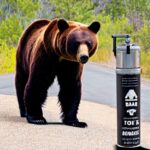
My personal rule is carrying bear spray in bear territory and actually knowing how to use it under pressure, not just clipping it on for show.
I also keep food sealed and stored properly at camp, because a curious animal encounter is preventable with just a little discipline.
Wildlife isn’t out to get you, most encounters happen because people get careless or complacent.
Give animals space, make your presence known on quiet trails, and never approach wildlife for a photo.
That selfie is not worth the risk, trust me on this one.
Learning your specific trail’s wildlife guidance takes ten minutes and can genuinely change the outcome of a bad encounter.
Set a Turnaround Time and Actually Honor It

This is the rule I broke once and regretted immediately.
I picked a turnaround time, blew right past it because I “just wanted to see the summit,” and ended up hiking the last mile back in near-darkness with a dying flashlight.
Now I set a hard turnaround time before I even start, based on my pace and daylight hours, and I stick to it no matter how close the goal feels.
It sounds simple, but the pull to keep going when you’re close is honestly intense.
My rule now is treating the turnaround time like a locked appointment, not a suggestion.
I’ve turned around within sight of a summit before, and yeah, it stung a little.
But hiking down in daylight beat the alternative by a mile, literally.
A good trick is building in buffer time for breaks, photos, and the inevitable slower pace on tired legs going downhill.
People almost always underestimate descent time, and that’s usually where the daylight math falls apart.
I also factor in sunset time specifically, not just “it gets dark around then,” because twilight fades faster than people expect in the mountains.
This one rule alone has probably kept me safer than any piece of gear I own.
Choose Footwear Like It Actually Matters

Your boots are doing more work than almost anything else you’re carrying.
I wore old, worn-out sneakers on a rocky trail once and paid for it with a rolled ankle that ended my hike early.
Now I invest in proper hiking boots or trail shoes with real ankle support and solid tread, broken in well before any big trip.
Breaking in new boots on the actual hike day is a rookie mistake I made exactly once and never again.
I also swear by good wool hiking socks, because cotton socks plus sweat equals blisters, every single time.
My personal setup includes a spare pair of socks in my pack, because dry feet make a huge difference in comfort over long miles.
Trekking poles are another thing I resisted for years, thinking they were only for older hikers.
Then I used them on a steep descent and my knees thanked me for days afterward.
They also help massively with balance on loose or rocky terrain.
If you’re investing in one piece of gear this year, let it be quality footwear.
Your feet carry you through every single mile, treat them accordingly.
Caribbean Paradise Unlocked
From pristine beaches to vibrant local culture, discover the Caribbean’s best-kept secrets with my comprehensive travel guide.
- 120+ Hidden Beach Secrets
- Local Cuisine Guide
- Budget Travel Tips
- Island Hopping Routes
Know What to Do If You Get Lost

The scariest part of getting lost isn’t the being lost, it’s the panic that follows.
The moment I realized I’d lost the trail marker on that Colorado ridge, my first instinct was to keep moving fast, which is exactly the wrong move.
Now my rule is stop, stay calm, and retrace my last known point rather than pushing forward into the unknown.
Moving further off-trail almost always makes things worse and harder for anyone searching for you.
I also make noise or use a whistle if I think anyone might be within earshot, since sound travels further than most people expect in open terrain.
Staying put once it’s clear you’re lost is often the smartest move, especially if you’ve told someone your route beforehand.
That’s the whole reason step one on this list matters so much, it connects directly to this moment.
My personal trick is carrying a small, bright piece of gear, like an orange bandana, that makes me easier to spot from a distance.
I also always keep a fully charged phone battery pack specifically for emergencies, not for photos.
Panic burns energy and clouds judgment, so taking five slow breaths before deciding anything has genuinely helped me think clearer in tense moments.
Being lost isn’t the end of the story, how you respond is what actually matters.
Trust Your Gut, Every Time

This might be the most important rule on this entire list.
I’ve turned around on trails that looked fine on paper because something just felt off, and I’ve never once regretted that call.
Your gut is picking up on details your conscious brain hasn’t fully processed yet, weather shifts, fatigue, terrain changes, all of it.
I ignored that instinct exactly once, pushing through a hike I didn’t feel great about, and it turned into one of my most stressful days outdoors.
Now if something feels wrong, I stop and reassess immediately, no exceptions, no talking myself out of it.
This applies to weather, to how your body feels, to trail conditions, honestly to everything.
There’s this pressure sometimes to finish what you started, especially with a group watching.
But I’d rather be the guy who called it early than the guy who needed rescuing later.
My personal tip is checking in with yourself honestly every hour or so, are you still feeling good, still confident in the plan.
If the answer is no, that’s your answer, full stop.
Confidence on the trail isn’t about pushing through everything, it’s about knowing exactly when not to.
That instinct has kept me safe more times than any piece of gear ever has.