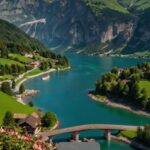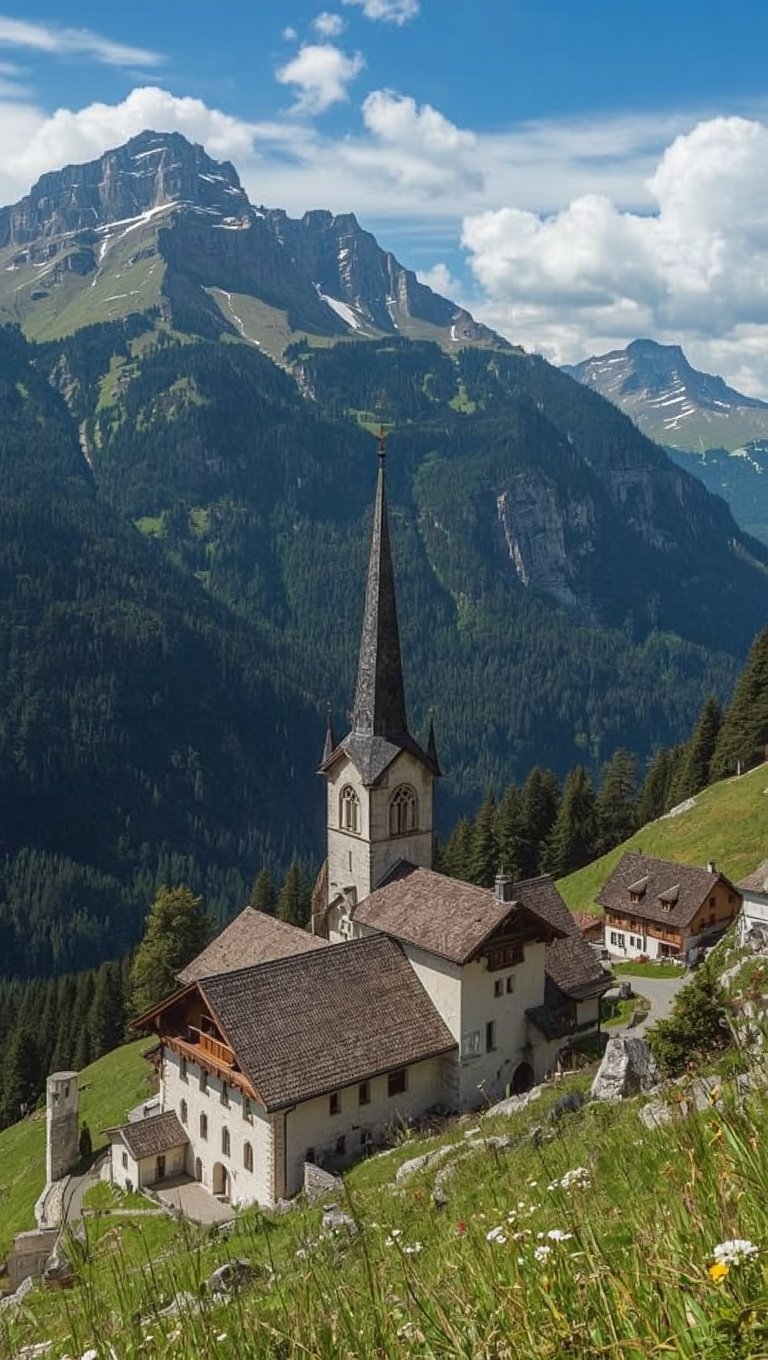
I stood on a train platform in Interlaken with forty bucks left for the day and a view that looked like it cost a thousand.
That’s the thing nobody tells you about Switzerland.
You brace yourself for the prices, and then the mountains show up for free anyway.
I went in expecting to get wrecked financially.
I left with a maxed-out camera roll and a bank account that survived.
So if you’ve been putting off this trip because of the price tag, stop.
I’m going to walk you through exactly how I did it, mistake by mistake, win by win.
Why Switzerland Feels Scarier Than It Actually Is

Everyone talks about Switzerland like it’s a financial horror story.
And look, I get why.
A basic sandwich in Zurich can genuinely run you fifteen bucks.
But here’s what changed my whole outlook.
The eye-watering prices are mostly attached to restaurants, hotels, and impulse buys.
The mountains themselves don’t charge admission.
The lakes are free.
The hiking trails, free.
Once I stopped treating Switzerland like a city break and started treating it like a nature trip, the math flipped completely.
I budgeted like I was going somewhere expensive, and then I spent most of my days doing things that cost nothing at all.
That reframe alone saved me more money than any coupon or hack ever could.
So before you build a spreadsheet full of dread, remember this.
You’re not paying to see the Alps.
You’re paying for what you choose to eat and sleep in while you’re there.
Control those two things, and honestly, the rest takes care of itself.
I wish someone had told me that before my first trip.
It would’ve saved me a lot of unnecessary stress in the planning stage.
The Swiss Travel Pass Changed Everything For Me

I almost skipped buying the Swiss Travel Pass because it looked expensive upfront.
That was a mistake I nearly made and I’m so glad I didn’t.
Trains, buses, and boats across the country, all covered.
I did the math after my trip and I saved close to three hundred dollars compared to buying individual tickets.
But it’s not just about the money.
It’s about the freedom.
I’d wake up and decide on a whim to chase a sunrise in a different valley.
No ticket lines, no second-guessing, no extra cost.
There’s something about not having to think about transportation money that makes a trip feel lighter.
My tip here is simple.
Buy it before you land, not after.
Prices and options are better when you plan ahead instead of scrambling at a kiosk.
And if you’re only doing a short trip, look into the shorter validity versions instead of the full pass.
I didn’t need the longest one, and going with a shorter window saved me even more.
Honestly, this one purchase did more for my budget than anything else I did.
If you take one tip from this whole post, let it be this one.

Your Ultimate Caribbean Adventure Awaits!
Discover hidden coves, secret beaches, and the best rum punches in the islands. Your insider’s guide to Caribbean paradise.
Get Your Guide Now$15.99Sleep Smart, Not Fancy

I’ll be honest, hotel prices in Switzerland made me want to sleep in the train station a few times.
So I got creative instead.
Mountain huts, called berghütten, became my favorite discovery of the whole trip.
They’re simple, they’re communal, and they’re a fraction of hotel prices.
I shared a bunk room with hikers from four different countries and it turned into one of the best nights of the trip.
Hostels in smaller towns were another huge win.
I stayed in a family-run hostel in Lauterbrunnen for less than a third of what a hotel in Zurich would’ve cost me.
And the view from the window was honestly better anyway.
My personal hack is basing yourself in a smaller village and taking day trips into the pricier towns.
You get the same mountains, the same lakes, without paying the big-city premium to sleep there.
If you’re traveling with a partner, look into apartment-style stays with a kitchen.
That small kitchen access changes your food budget completely, and I’ll get into why in the next section.
Sleep is where people overspend the most on this trip.
Fix that one thing and everything else gets easier.
The Grocery Store Is Your Best Friend

This one sounds small, but it might be the biggest money saver of the entire trip.
Migros and Coop, those are the two grocery chains you want to remember.
I built half my meals around whatever I grabbed from those stores.
Fresh bread, good cheese, cured meats, and some fruit, and suddenly lunch costs five dollars instead of twenty five.
There’s also something kind of romantic about it, if I’m honest.
Sitting on a rock somewhere above a lake, eating cheese you bought an hour ago, mountains doing their thing in front of you.
That’s not a downgrade from a restaurant meal.
That might actually be better.
I still think about one lunch I had outside Grindelwald, bread and chocolate and a view that made the five dollar price tag feel almost unfair.
My tip here is to shop the night before, not when you’re already hungry and tired.
You’ll make smarter, cheaper choices with a clear head.
And grab extra for the next day’s hike while you’re there.
Restaurants are for the occasional splurge, not the daily default.
Treat them that way and your wallet will thank you.
Free Things Are Everywhere, You Just Have to Look

I think people assume Switzerland is one giant paid attraction.
It’s really not.
Lake Brienz, free to walk along, free to swim in if you’re brave enough for cold water.
The trails around Lauterbrunnen, completely free, and arguably the most beautiful hiking I’ve ever done anywhere.
Waterfalls tumbling down cliff faces you can just walk up to.
No ticket booth, no entrance fee, nothing.
I spent one entire day just wandering between waterfalls near Lauterbrunnen and didn’t spend a single franc except on lunch.
That day ended up being one of my favorites of the whole trip, and it cost almost nothing.
My tip is to build your itinerary around free nature first, then layer in one or two paid experiences you actually care about.
Don’t try to do everything.
Pick your moments.
Small towns also tend to have free viewpoints that rival the paid ones, you just have to be willing to walk a little further.
I found one above Wengen that had maybe three other people on it, total silence, incredible view, zero cost.
Ask locals where they go, not just where the guidebooks send you.
That’s usually where the free magic is hiding.
Caribbean Paradise Unlocked
From pristine beaches to vibrant local culture, discover the Caribbean’s best-kept secrets with my comprehensive travel guide.
- 120+ Hidden Beach Secrets
- Local Cuisine Guide
- Budget Travel Tips
- Island Hopping Routes
Pick One Big Splurge and Commit to It

Trying to do every cable car and every peak will drain your budget fast.
So instead, I picked one.
For me, it was the trip up to Jungfraujoch, the so-called Top of Europe.
Yes, it’s pricey.
But experiencing snow in the middle of summer, walking through that ice palace, standing above the clouds, that’s worth saving for.
I treated it like the one big expense of the trip and budgeted everything else around it.
That mindset shift made it feel less like overspending and more like investing in the one memory I actually wanted.
My tip is to book it early, prices can shift and early bookings sometimes come with a discount.
Also go on a clear day if you can, check the weather cams beforehand.
I almost went up on a cloudy day and I’m so glad I waited.
If Jungfraujoch isn’t your thing, Mount Titlis or Schilthorn are solid alternatives at different price points.
The key is choosing one, not all three.
Spread your splurge across every peak and you’ll feel it in your wallet without getting a single moment that truly stands out.
One big, intentional splurge beats five small regretful ones every time.
Travel in Shoulder Season If You Can

I went in late spring and it might’ve been the smartest accidental decision I made.
Fewer crowds, lower prices, and honestly, kinder weather for hiking.
Peak summer pushes hotel prices up in a way that genuinely surprised me when I compared notes with a friend who went in July.
Late spring or early fall gives you those golden, quiet mornings without the price spike.
I had entire trail sections to myself that I’m sure would’ve been packed a month later.
There’s a coziness to shoulder season travel that summer just can’t match.
Fewer tour groups, more locals, more room to actually breathe into the experience.
My tip is to check snow conditions before locking in shoulder season dates, some higher trails stay closed longer than you’d expect.
A quick search the week before you go will save you a wasted trip up a closed trail.
And pack layers, mornings can be cold even when afternoons feel warm.
I learned that one the hard way on my second day.
If your schedule is flexible at all, this is the single easiest way to cut costs without cutting the experience short.
Skip the Restaurant Breakfast

Hotel breakfasts and cafe breakfasts add up fast, and honestly, they’re rarely worth what you pay.
I started grabbing yogurt, muesli, and fruit from the grocery store the night before instead.
Ate it on a balcony, or a bench, or once memorably on a rock with a waterfall in the background.
That one habit alone probably saved me close to two hundred dollars over the trip.
And there’s something nice about a slow, quiet breakfast that isn’t rushed by a waiter or a bill.
You get to actually look at where you are instead of looking at a menu.
My tip is to buy breakfast supplies for two or three days at once, so you’re not making daily grocery runs.
Swiss muesli, by the way, is genuinely incredible, don’t sleep on it.
Bircher muesli became a small obsession of mine by day three.
Save the actual restaurant breakfast for one special morning if you really want that experience.
Just don’t make it your daily default.
Small daily savings like this one are honestly where the real budget wins hide.
Your Ultimate Caribbean Adventure Awaits!
Discover hidden coves, secret beaches, and the best rum punches in the islands. Your insider’s guide to Caribbean paradise.
Get Your Guide Now$15.99Base Yourself in the Right Towns

Zermatt and St. Moritz get all the attention, and they’re beautiful, but they’ll also destroy a budget fast.
I found more value, and honestly more charm, in smaller villages like Lauterbrunnen, Kandersteg, and Appenzell.
Same mountains, same trails, a fraction of the price.
Lauterbrunnen especially became a home base I keep thinking about, waterfalls visible from basically everywhere in town.
You can day-trip into the pricier spots for a few hours, get your photos, and retreat back to a cheaper, quieter base for the night.
That’s exactly what I did with Zermatt, spent an afternoon there, then headed back to somewhere gentler on the wallet.
My tip is to research which villages sit closest to the train lines you’re already using with your pass.
That way your day trips don’t cost extra time or money getting there.
Smaller towns also tend to have friendlier, more personal accommodation options.
I had a conversation with my hostel owner in Kandersteg that ended up shaping half my itinerary.
You don’t get that kind of moment in a big hotel chain.
Choose your base with intention, and the rest of the trip gets easier and cheaper.
Pack a Water Bottle and Refill Everywhere

This sounds almost too simple to mention, but it made a real difference.
Switzerland has public fountains everywhere, and the water is clean, cold, and completely free.
I filled my bottle probably ten times a day and never once paid for water the entire trip.
Compare that to buying bottled water at tourist spots, where prices can be genuinely ridiculous.
That’s easily another chunk of savings you don’t even have to think hard about.
My tip is to grab a reusable bottle before you land, one with a wide mouth so it’s easy to refill from those old stone fountains.
There’s something satisfying about drinking straight from mountain water sources too.
It felt more like actually experiencing the place instead of just looking at it.
Small habit, real savings, and honestly a nicer way to move through your day.
I started looking forward to finding the next fountain almost like a little game.
Bring the bottle, use the fountains, thank me later.
Alpine Picnics Beat Restaurant Lunches Every Time

I’ve said it already but it deserves its own space, picnicking in the Alps might be my favorite thing I did the entire trip.
There’s a specific kind of joy in laying out bread, cheese, and fruit with a glacier in the background.
I did this above Mürren one afternoon and genuinely lost track of time.
No rush, no bill, no waiter checking in.
Just you, the food, and a view that restaurants would charge triple to sit near.
My tip is to always carry a small blanket or a light jacket you can sit on.
Ground can be damp even on sunny days up there.
Pick a spot slightly off the main trail if you want quiet, most people don’t wander far from the path.
I found a little ledge near Schynige Platte that felt like it was made just for me that day.
Bring a book if you’re the type, or don’t, and just sit with it.
This costs almost nothing and delivers one of the richest experiences of the whole trip.
If you only take one habit from this post, honestly, let it be this.
Caribbean Paradise Unlocked
From pristine beaches to vibrant local culture, discover the Caribbean’s best-kept secrets with my comprehensive travel guide.
- 120+ Hidden Beach Secrets
- Local Cuisine Guide
- Budget Travel Tips
- Island Hopping Routes
My Final Hacks and Small Tips That Add Up

A few last things I picked up along the way that didn’t fit anywhere else.
Buy a local SIM or eSIM before you land, roaming charges sneak up fast otherwise.
Cash machines can hit you with fees, so pull larger amounts less often instead of small amounts constantly.
Museums often have free or discounted entry on specific days, a quick search the week before saves real money.
Chocolate shops sometimes offer samples, which honestly became a fun little snack strategy of mine on longer walk days.
Laundry in hostels is cheaper than you’d think and saves you from overpacking, which saves on baggage fees too.
If you’re hiking, pack your own snacks rather than buying at mountain restaurants, prices at altitude get steep fast.
I learned that one after paying way too much for a granola bar near a cable car station.
Download offline maps before you head into valleys, service gets spotty and you don’t want to burn data anyway.
And talk to locals whenever you get the chance, some of my best free recommendations came from a five minute conversation with a shop owner in Interlaken.
These little things seem small on their own.
Stack them together across a week, and they genuinely change the whole shape of your budget.