

Puerto Rico and the Dominican Republic sit side by side in the same warm sea.
Same high season, December to April.
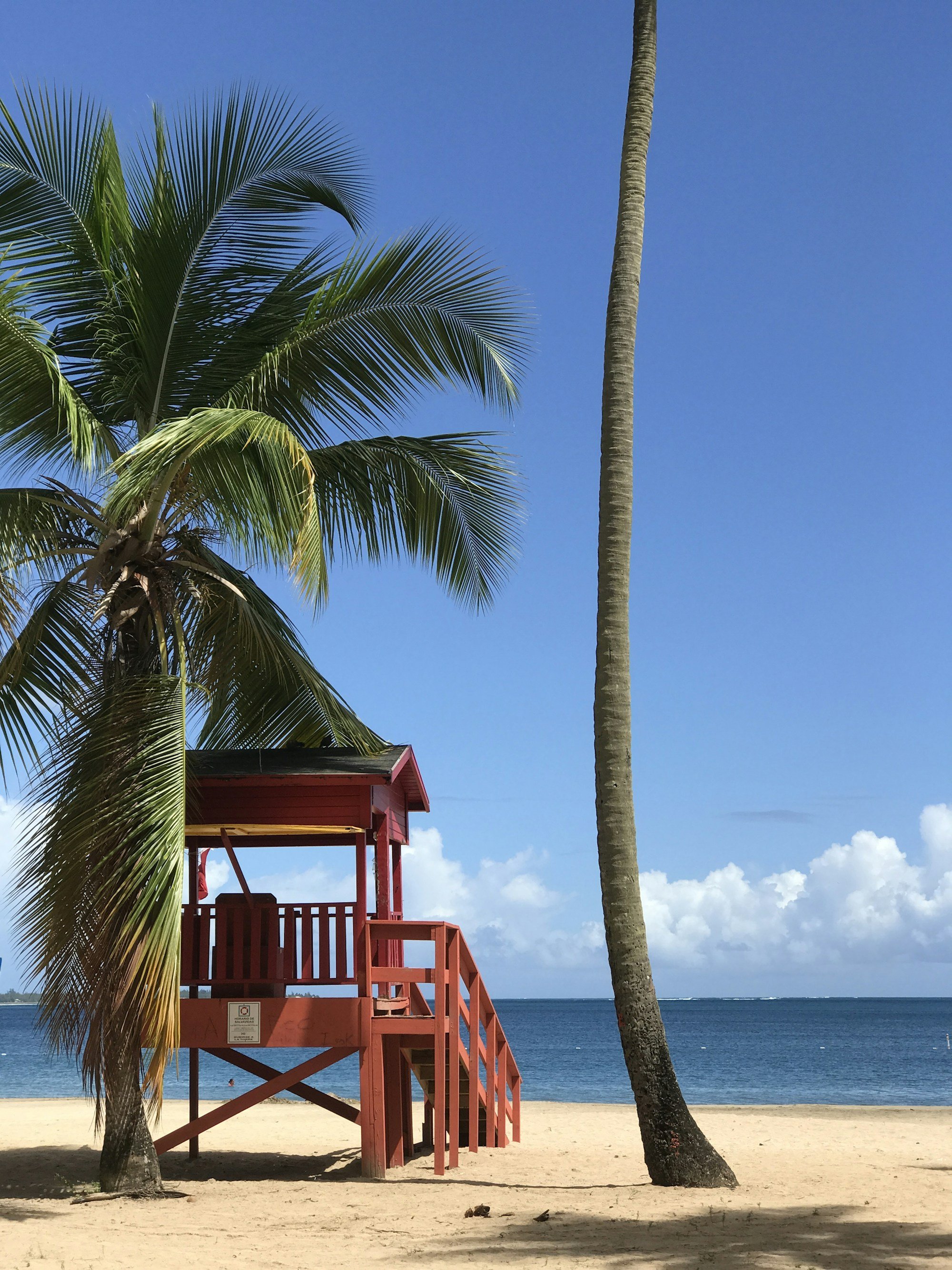
Same postcard of a palm leaning over turquoise water.
For an American picking between them, the beaches are a tie.
What actually decides it is the paperwork and the money.
After that, it comes down to the trip you want: a walkable old city where your phone works like it does at home, or a resort where nobody has to leave the pool.
So here’s the honest side-by-side, starting with the question that settles it for a lot of families before anything else comes up.
The Passport Question Settles It for Some People
Puerto Rico is a U.S. territory, so a flight from the mainland is a domestic flight.
No passport, no customs line, no immigration form.
You just need ID that TSA accepts.
Since May 7, 2025, a plain driver’s license only counts if it’s REAL ID-compliant, and a passport or passport card works too.
The Dominican Republic is a foreign country, which means a passport for everyone, kids included.
The entry rules for Americans have one useful break right now.
Until December 31, 2026, your passport only has to stay valid for your whole stay, instead of the usual six months past arrival.
Booking for early 2027?
Check the date on yours first.
The DR also wants a round-trip ticket and a free e-ticket form, filled in online before you reach the airline counter.
One form covers up to 7 people from the same family and gives you a QR code for each direction.
Stay past 30 days and there’s a fee on the way out.
One more thing I’d never skip: make sure the officer actually stamps your passport on arrival.
Leaving without an entry stamp can turn into fines, and that’s the line nobody wants to stand in twice.
So if anyone in your group doesn’t have a valid passport, the choice is already made (a new one takes weeks).
That’s also why Puerto Rico tops our list of Caribbean islands you can visit without a passport.
What It Costs You Once You Land
Puerto Rico runs on the U.S. dollar.
Most purchases carry an 11.5% sales tax, which is higher than what most of the mainland pays, but your bank card and usually your phone plan work like they do at home.
Nothing to convert.
The Dominican Republic uses the peso, and restaurant and hotel bills come with two extra lines: an 18% tax and a 10% service charge the law adds for the staff.
That’s 28% on top of the menu price before anyone has mentioned a tip.
A $40 dinner on the menu is about $51 on the bill.
Nobody’s ripping you off.
It’s just how bills look there, so read the prices with that in mind.
Your phone is the other quiet cost.
Plenty of U.S. plans charge a daily fee once you’re in the DR. Check yours before you fly, or pick up a local SIM or an eSIM, so a week of maps and messages doesn’t show up on next month’s bill.
Where the DR wins is the all-inclusive.
Punta Cana has a long coast of resorts where the room and the bar tab come in one price, so the 28% problem mostly disappears once the package is paid.
Puerto Rico has resorts too, but it’s more of an eat-out-every-night island.
Those dinners add up fast in San Juan.

Your Ultimate Caribbean Adventure Awaits!
Discover hidden coves, secret beaches, and the best rum punches in the islands. Your insider’s guide to Caribbean paradise.
Get Your Guide Now$15.99Beaches: Flamenco Against Bávaro
Puerto Rico’s postcard beach is Flamenco, on the small island of Culebra off the east coast.
Getting there takes a ferry or a small plane, which is exactly why it still feels like a find.
Closer to San Juan there are city beaches like Condado, plus the calmer, family-friendly water at Luquillo, an easy day trip with the rental car.

The DR’s big name is the Bávaro and Punta Cana coast on the east end, where white sand runs in front of one resort after another.
If your idea of a beach day is a lounger, a towel guy and a drink you didn’t walk for, that’s your place.
Want quieter?
The Samaná peninsula in the northeast has Las Terrenas, and our Punta Cana vs. Las Terrenas guide splits those two.
Honestly, you won’t lose on sand either way.
The real question is whether you want to go find a beach or have one handed to you.
Old San Juan Against the Colonial Zone

Both places have a real old city, and both made UNESCO’s World Heritage list.
San Juan’s forts and La Fortaleza went on it in 1983.
Old San Juan around them is blue cobblestones and painted houses, small enough to walk end to end in an afternoon.
El Morro sits right on the water at the far end, and it’s worth the walk even if forts aren’t your thing.

Santo Domingo’s Colonial City joined the list in 1990, and it’s still the DR’s only World Heritage Site.
It has the oldest cathedral in the Americas and stone streets just as walkable as San Juan’s.
The catch is distance.
From Punta Cana it’s a long day trip by road, so most resort guests never see it.
In Puerto Rico, the old city is about 20 minutes from the airport and probably where you’re staying.
For the full list on each island, see what not to miss in Puerto Rico and our things to do in the Dominican Republic.
Getting Around Without Losing a Day

Getting there is close to a tie.
Both islands are a short nonstop from Miami and the East Coast, and plenty of big U.S. hubs fly direct to both.
Most Puerto Rico flights land in San Juan.
The DR splits its arrivals between Punta Cana, Santo Domingo and a few smaller airports, so book the one closest to where you’re staying.
A cheaper ticket stops being cheap if it lands you hours from your hotel.
Our flight time pages for Puerto Rico and the Dominican Republic give the hours from your city, layover or not.
In Puerto Rico, your U.S. license works and the rental counter feels like any American airport.
Two things will throw you, though.
Road signs give distances in kilometers while speed limits are in miles per hour.
And gas is sold by the liter, so the pump price looks cheaper than it is.
Traffic around San Juan at rush hour is its own sport.
In the DR, most visitors never drive at all.
Resorts sell airport transfers, taxis cover short hops, and the bus links the big towns for a fraction of the fare of a private car.
I’d skip the rental on a first trip and let someone else handle the roads.
The DR also carries a Level 2 travel advisory for Americans because of crime, so plan your rides ahead instead of improvising at night.
Caribbean Paradise Unlocked
From pristine beaches to vibrant local culture, discover the Caribbean’s best-kept secrets with my comprehensive travel guide.
- 120+ Hidden Beach Secrets
- Local Cuisine Guide
- Budget Travel Tips
- Island Hopping Routes
Rainforest, Bio Bays and Whales

Puerto Rico has El Yunque, the only tropical rainforest in the U.S. national forest system: nearly 29,000 acres of trails and waterfalls about an hour from San Juan.
Parking is limited and visitor numbers are managed, so check the access rules for your date before you drive out.
The island also has bays that glow at night, and our bio bay planner picks the dark nights when they show best.

The DR’s big wildlife moment is the humpback whales.
Every winter they gather in Samaná Bay to mate and calve, and the watching season runs from mid-January to late March, with the exact dates set each year.
If you can travel in February, I’d book a boat trip out of Samaná before anything else.
It’s the one thing Puerto Rico can’t match.
Storm Season and the Off-Season Deal

Weather won’t break the tie.
Both islands sit in the same hurricane belt, and the Atlantic season runs from June 1 to November 30.
Most of the activity lands between mid-August and mid-October, with the peak around September 10.
That’s also when prices drop hardest.
The off-season deal is real; so is the chance of a storm rearranging your week.
Booking a summer or fall trip?
Buy travel insurance before you buy the flight, and check the month-by-month odds first.
We’ve got them for Puerto Rico and for the Dominican Republic.
Rain is a separate question.
Outside a storm, a wet month in the Caribbean mostly means a heavy shower that rolls through and moves on, not a washed-out week.
Our rainy season pages for Puerto Rico and the Dominican Republic show which months get the most, handy if you’re weighing a cheap June against a pricier March.
Which One I’d Book for Your Trip
I’d pick Puerto Rico if anyone’s passport is missing or expired, or if it’s a long weekend and you’d rather skip immigration altogether.
Same if you want a city you can walk, with good food every night.
It’s also the easier first Caribbean trip.
The money works the same, the phone plan works the same, and a carry-on plus a driver’s license gets you there.
I’d pick the Dominican Republic for a week of doing nothing at an all-inclusive, or for the whales in February.
Just do the e-ticket form before you leave the house.
And read every menu with 28% added in your head.
Related read: The Caribbean Travel Guide — Instant PDF + Kindle download. Secure checkout by Stripe