The first time I landed in Valencia, I’ll be honest—I didn’t really know what to expect.
I’d heard whispers about paella and some futuristic buildings, but that was about it.
Then I stepped out of the train station and into that warm Mediterranean light, and something just clicked.
By day three, I was already planning my return trip.
Valencia has this way of sneaking up on you—it’s not as loud as Barcelona or as obvious as Madrid, but once it gets under your skin, you’re hooked.
So what’s this place actually famous for?
Turns out, a whole lot more than I realized.
From world-changing dishes to wild fire festivals, Valencia’s got serious street cred in ways you might not expect.
Let me walk you through what makes this Spanish gem so unforgettable.
My Take on Paella—Yeah, It Was Born Here

Everyone thinks they know paella.
But trust me, you don’t really know paella until you’ve had it where it was invented—right here in Valencia.
This isn’t the seafood-loaded version you see on tourist menus everywhere.
The original Valencian paella is made with rabbit, chicken, green beans, and butter beans, cooked over an open flame in a massive shallow pan.
I tried my first real one in a tiny village just outside the city called El Palmar, right next to the Albufera lagoon.
The rice was perfectly crispy on the bottom (they call that socarrat, and it’s the best part), and every bite tasted like smoke and tradition.
You can feel the history in it.
Valencians are serious—borderline obsessive—about their paella.
They’ll tell you exactly what belongs in it and what doesn’t, and honestly, I respect that level of dedication.
If you’re visiting, skip the city center tourist traps and head to the countryside or beachside spots where locals actually eat.
It makes all the difference.
Tap to Explore These Beauties
See my ideas in action 👇 Tap any image to explore full details.
The City of Arts and Sciences Looks Like It’s From Another Planet

I’m not usually the “stand and stare at buildings” type of traveler.
But the City of Arts and Sciences stopped me dead in my tracks.
Designed by Santiago Calatrava, this complex looks like something out of a sci-fi movie—all white curves, reflective pools, and futuristic shapes that don’t seem possible.
There’s an opera house, a science museum, an IMAX theater, and this insane oceanographic park that’s the largest aquarium in Europe.
I spent an entire afternoon just wandering around the outside, taking photos and trying to wrap my head around the architecture.
The whole place sits in what used to be a riverbed, so it’s surrounded by parks and walking paths.
It’s especially stunning at sunset when the buildings glow orange and pink.
You can go inside the museums if you want, but honestly, just being there is an experience.
Locals jog past it like it’s no big deal, but for visitors?
It’s one of those “I can’t believe this is real” moments.
If you’re into modern design or just want your Instagram to look incredible, this is your spot.
Your Ultimate Caribbean Adventure Awaits!
Discover hidden coves, secret beaches, and the best rum punches in the islands. Your insider’s guide to Caribbean paradise.
Get Your Guide Now$15.99Las Fallas Festival is Controlled Chaos (In the Best Way)

So here’s something wild—every March, Valencia builds hundreds of massive sculptures all over the city, just to burn them all down in one night.
Yeah, you read that right.
It’s called Las Fallas, and it’s one of the most intense festivals I’ve ever witnessed.
These aren’t small sculptures either—some are three or four stories tall, intricately designed and often satirical, poking fun at politicians or pop culture.
The whole city smells like gunpowder because there are fireworks going off constantly, day and night.
I’m talking eardrum-rattling explosions in the middle of the afternoon just for fun.
Then on the final night (La Cremà), they light everything on fire.
The heat is so intense you can feel it from a block away, and the crowds are absolutely packed.
It’s loud, smoky, and completely chaotic—but in the most exhilarating way.
If you can handle sensory overload and massive crowds, Las Fallas is bucket-list material.
Just book your hotel way in advance because the entire city fills up.
My Love Affair With Valencia’s Beaches

One thing I didn’t expect about Valencia?
The beaches are actually incredible.
We’re talking wide, sandy stretches right in the city, not some distant resort you have to bus to.
Malvarrosa Beach is the main one, and it’s where locals and tourists mix without the scene feeling too touristy.
I spent a whole day there just reading, swimming, and eating fresh seafood at the beachfront chiringuitos (casual beach bars).
The Mediterranean here is calm and warm, perfect for an afternoon swim without getting pummeled by waves.
And the promenade is lined with palm trees and outdoor restaurants serving paella, cold beer, and grilled fish.
It’s got that laid-back vibe that makes you want to stay longer than you planned.
If you want something quieter, head south to El Saler or Pinedo—less crowded, same gorgeous sand.
The fact that you can explore a historic city in the morning and be lounging on the beach by lunch?
That’s a pretty unbeatable combo.
The Old Town Feels Like Stepping Back in Time

Valencia’s Old Town (Ciutat Vella) is this beautiful maze of narrow streets, ancient churches, and hidden plazas.
It’s not as polished as Barcelona’s Gothic Quarter, and that’s exactly why I loved it.
It feels lived-in, real, less like a museum.
You’ll stumble across tiny bars where old men play dominoes, family-run ceramics shops, and random orange trees lining the alleyways.
The Valencia Cathedral sits right in the heart of it all, and inside they claim to house the actual Holy Grail.
I’m not saying I’m a believer, but it’s still pretty cool to see.
Climb the Miguelete Tower for one of the best views in the city—your calves will burn, but it’s worth it.
I also loved just getting lost in the side streets, following the smell of fresh bread or stumbling into a courtyard café.
There’s something really special about a city that hasn’t been completely sanitized for tourists.
Valencia’s Old Town still has soul.
Caribbean Paradise Unlocked
From pristine beaches to vibrant local culture, discover the Caribbean’s best-kept secrets with my comprehensive travel guide.
- 120+ Hidden Beach Secrets
- Local Cuisine Guide
- Budget Travel Tips
- Island Hopping Routes
Turia Gardens Might Be My Favorite Urban Park Ever

Here’s a fun fact—Valencia used to have a river running through it until a massive flood in the 1950s.
So they rerouted the river and turned the old riverbed into a nine-kilometer-long park.
Genius move.
Now Turia Gardens cuts straight through the city, connecting neighborhoods and giving locals (and visitors) this incredible green space to bike, jog, or just chill.
I rented a bike and rode the whole length one morning, stopping at playgrounds, fountains, and little cafés along the way.
It’s dotted with bridges, gardens, and even a Gulliver sculpture where kids climb all over a giant sleeping figure.
The park eventually leads you right to the City of Arts and Sciences, so it’s the perfect way to get there.
I’ve been to a lot of cities, and most urban parks feel either too crowded or too artificial.
Turia feels different—like it actually belongs to the people who live there.
If you’re visiting, grab a bike (or just walk it) and spend a couple hours exploring.
It’s one of those things that makes you think, “Man, I could actually live here.”
Horchata and Fartons Are a Match Made in Heaven

Before Valencia, I’d never heard of horchata.
Not the Mexican rice-based version—this is totally different.
Valencian horchata is made from tiger nuts (chufa), and it’s sweet, creamy, and weirdly refreshing.
You drink it ice-cold, usually with fartons, which are long, soft, sugar-dusted pastries that you dip right into your drink.
I know it sounds strange, but trust me on this one.
I had my first horchata at Horchatería Santa Catalina, one of the oldest spots in the city, and I was instantly hooked.
It’s the perfect mid-afternoon pick-me-up when you’re wandering around in the heat.
Locals treat it like we treat iced coffee—totally normal, totally essential.
Some people love it, some people think it’s too sweet, but I’m firmly in the “I could drink this every day” camp.
If you see a horchatería, stop in.
Order a glass, dunk your farton, and just enjoy the ritual.
It’s one of those small, specific pleasures that makes travel so fun.
The Modernist Architecture Sneaks Up on You

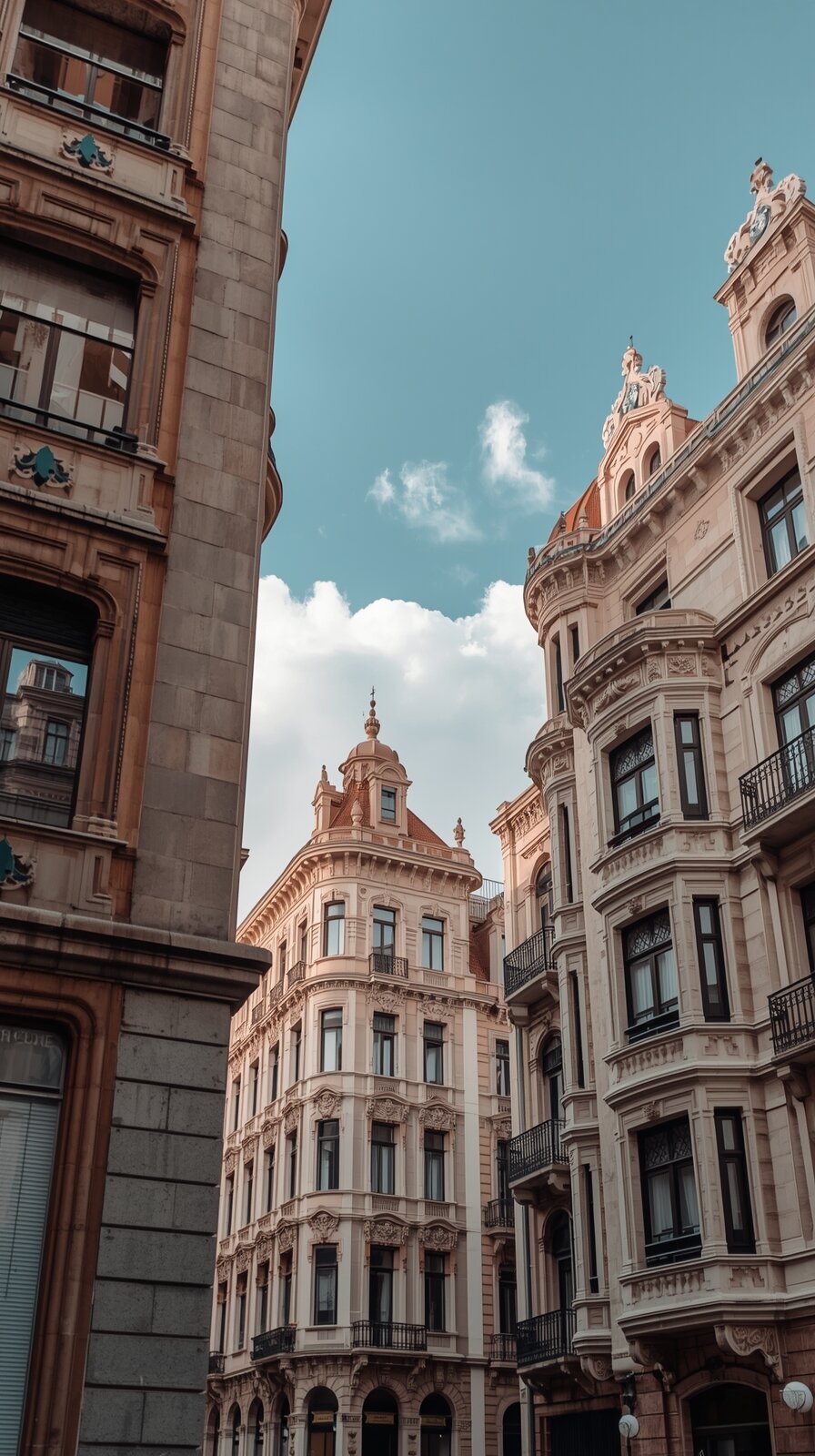
Valencia isn’t just about futuristic buildings—it’s also got this gorgeous collection of Modernist architecture from the early 1900s.
You’ll notice it as you walk around—ornate balconies, colorful tiles, intricate ironwork.
The Central Market (Mercado Central) is a perfect example.
It’s housed in this stunning Art Nouveau building with stained glass, wrought iron, and soaring ceilings.
Inside, it’s a sensory overload of fresh produce, jamón, seafood, and local vendors shouting prices.
I grabbed some cheese, olives, and bread and had an impromptu picnic in Turia Gardens afterward.
Another gem is Estación del Norte, the main train station, which looks more like a palace than a transit hub.
The ceramic murals and detailed tile work are incredible.
Most people rush through without looking up, but if you take a minute to appreciate it, you’ll see why Valencia was such a cultural hotspot back in the day.
The city wears its history on its sleeve, and I love that about it.
Your Ultimate Caribbean Adventure Awaits!
Discover hidden coves, secret beaches, and the best rum punches in the islands. Your insider’s guide to Caribbean paradise.
Get Your Guide Now$15.99The Mediterranean Lifestyle is Real Here

There’s this rhythm to life in Valencia that I didn’t find in other Spanish cities.
It’s slower, more relaxed, less hurried.
People actually take long lunches.
Shops close for siesta and reopen in the evening.
Dinner doesn’t start until 10 PM, and no one’s in a rush to leave.
I remember sitting at an outdoor café one night, watching families with kids running around the plaza at 11 PM like it was totally normal.
And it is normal here.
Life happens outside—on terraces, in parks, along the beach.
There’s this effortless balance between work and life that I envy every time I visit.
Valencians aren’t trying to prove anything or keep up with anyone.
They’re just living, enjoying good food, good weather, and good company.
It’s contagious.
After a few days, I found myself slowing down too, lingering over coffee, taking long walks with no destination in mind.
If you’re burned out or just need a reset, Valencia’s vibe will do wonders for your mental health.
Central Market is Where Real Life Happens

I already mentioned the building, but the Central Market itself deserves its own section.
This place is massive—one of the largest fresh markets in Europe—and it’s where locals actually shop.
Not a tourist trap, not a sanitized food hall.
This is the real deal.
Vendors have been here for generations, selling everything from whole fish on ice to hanging jamón legs to fresh-squeezed orange juice (Valencia is famous for oranges, by the way).
I spent over an hour just wandering the stalls, tasting samples, and chatting with vendors.
One guy convinced me to try percebes (goose barnacles), which look absolutely terrifying but taste incredible.
There are also small tapas bars tucked inside where you can grab a quick bite and a beer while standing at the counter.
It’s loud, crowded, and chaotic in the best way.
If you want to feel the pulse of Valencia, skip the sit-down restaurants one day and just graze your way through the market.
Bring cash, bring an appetite, and bring an open mind.
Bioparc is Unlike Any Zoo I’ve Been To

I’m not usually big on zoos—they can feel depressing.
But Bioparc Valencia completely changed my mind.
Instead of cages and enclosures, they’ve designed these massive, immersive habitats that replicate African ecosystems.
You walk through without obvious barriers, so it feels like you’re actually in the environment with the animals.
I watched elephants bathing in a watering hole, lemurs leaping overhead, and gorillas just chilling in the shade.
It’s designed so the animals have space, enrichment, and as natural a setting as possible.
The whole experience felt more like a safari than a zoo visit.
And it’s surprisingly peaceful—not overrun with crowds, lots of shaded areas, and really thoughtfully laid out.
If you’re traveling with kids, this is a must.
But honestly, even as an adult, I was completely absorbed.
It’s clear they put a ton of thought and care into the animal welfare here, and that makes all the difference.
Sometimes you find these little gems in a city that surprise you, and Bioparc was definitely one of mine.