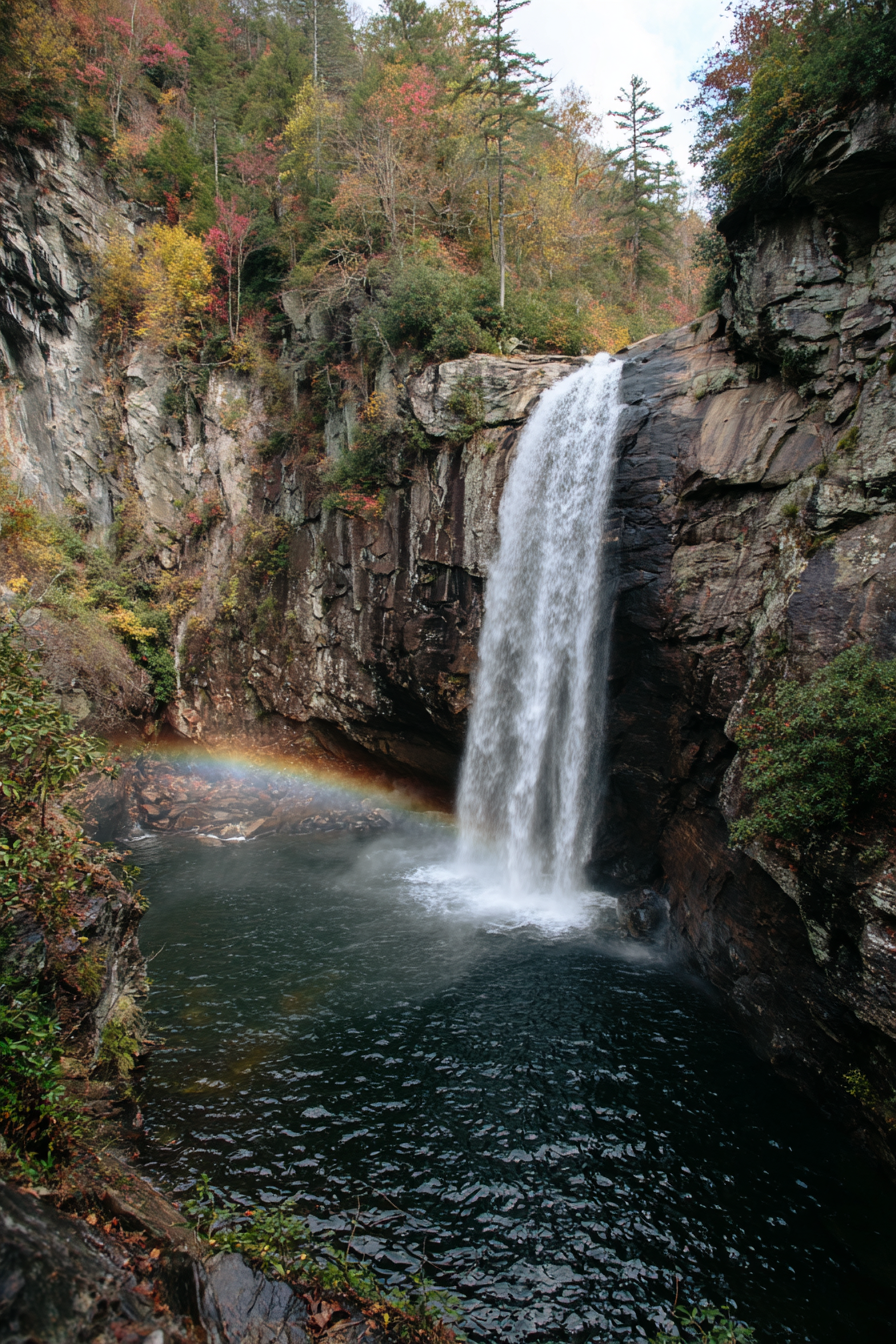
The Great Smoky Mountains hold secrets that will leave you breathless, from thundering waterfalls tucked away in ancient forests to panoramic vistas that stretch beyond the horizon.
Clingmans Dome: Touch the Sky at America’s Most Visited National Park


Standing at 6,643 feet above sea level, Clingmans Dome offers you the chance to literally rise above the clouds and witness views that seem to stretch into infinity.
The half-mile paved trail to the observation tower might seem easy on paper, but the steep incline will remind you that you’re climbing to the highest point in Tennessee.
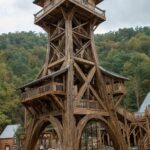
Once you reach the distinctive concrete observation tower, the 360-degree panoramic views reward every step of your journey with breathtaking vistas spanning across seven states on clear days.
The tower itself stands as an architectural marvel, spiraling 54 feet into the sky and providing an unobstructed viewing platform that makes you feel like you’re floating above the ancient Appalachian peaks.
Early morning visits offer you the magical experience of watching sunrise paint the mountain ridges in brilliant oranges and pinks, while the famous Smoky Mountain mist creates an ethereal atmosphere below.
During peak fall foliage season, the view transforms into a tapestry of reds, golds, and oranges that extends as far as the eye can see, creating one of the most spectacular autumn displays in North America.
The drive to Clingmans Dome via Clingmans Dome Road takes you through diverse ecosystems, including rare spruce-fir forests that exist only at these high elevations in the Southeast.
Winter visits present you with a completely different experience, as snow and ice often coat the tower and surrounding trees, creating a wonderland that feels more like the Rocky Mountains than the Southeast.
The parking area provides easy access to restrooms and informational displays that help you understand the unique ecology and history of this remarkable mountain peak.
Photography enthusiasts will find endless opportunities here, from dramatic sunrise and sunset shots to close-up images of the unique high-elevation plant life that thrives in this harsh mountain environment.
Cades Cove: Step Back in Time in This Preserved Mountain Valley

Cades Cove transports you to the 1800s with its perfectly preserved collection of historic buildings, meandering wildlife, and stories of the hardy mountain families who once called this valley home.
The 11-mile one-way loop road winds through the valley at a pace that allows you to fully absorb the peaceful atmosphere and spot the incredible variety of wildlife that makes this area their home.
Black bears frequently wander through the open meadows, often with cubs in tow, providing you with unforgettable wildlife viewing opportunities that require nothing more than patience and a good camera.
The John Oliver Cabin, built in the 1820s, stands as one of the oldest structures in the park and gives you a tangible connection to the pioneering spirit of the families who carved out a living in these mountains.
White-tailed deer graze peacefully in the meadows throughout the day, while wild turkeys strut across the fields, and you might even catch a glimpse of coyotes, red foxes, or the occasional bobcat.
The Methodist Church, Missionary Baptist Church, and Primitive Baptist Church each tell different stories of the religious communities that flourished in this isolated valley, and you can still attend services at the Methodist Church during summer months.
Elijah Oliver Place showcases a complete farmstead with multiple buildings that demonstrate how families lived, worked, and survived in the mountains during the 19th century.
The Cable Mill area features a working gristmill where you can watch corn being ground into meal using water-powered machinery, just as it was done over a century ago.
Hyatt Lane provides you with a gravel road alternative that leads to additional historic structures and offers a more intimate experience away from the main loop road traffic.
The visitor center at the beginning of the loop road equips you with maps, historical information, and current wildlife spotting reports that enhance your journey through this living museum of Appalachian culture.
Laurel Falls: Experience the Perfect Introduction to Smoky Mountain Waterfalls

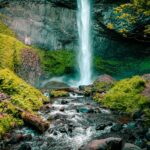
Laurel Falls beckons you with its promise of a spectacular 80-foot waterfall accessible via the most visitor-friendly trail in the entire national park system.
The 2.6-mile round-trip paved trail makes this natural wonder accessible to visitors of all ages and abilities, including those using wheelchairs or pushing strollers through the mountain wilderness.
As you walk the gentle incline through the forest, the sound of rushing water grows stronger with each step, building anticipation for the dramatic reveal of the falls around the final bend.
The waterfall splits into multiple tiers as it cascades down the rock face, creating natural pools and misty spray that provides relief on hot summer days and creates rainbow effects in the afternoon sunlight.
Massive boulders at the base of the falls offer you perfect spots for photography, picnicking, or simply sitting quietly to absorb the natural beauty and peaceful sounds of flowing water.
The trail itself winds through diverse forest ecosystems where you’ll encounter mountain laurel (the waterfall’s namesake), rhododendron, and towering hardwood trees that create a natural canopy overhead.
Spring visits reward you with spectacular wildflower displays, including trillium, violets, and bloodroot that carpet the forest floor in delicate colors and patterns.
The falls flow year-round, but spring snowmelt and summer thunderstorms create the most dramatic water flow, while winter often decorates the rock face with stunning ice formations.
Wildlife spotting opportunities abound along the trail, from colorful songbirds and butterflies to the occasional salamander hiding under logs near the stream.
The popularity of this trail means you’ll share the experience with other visitors, but early morning or late afternoon visits provide you with more solitude and better lighting for photography.

🗼 I Wrote a Book About My Japan Travel Catastrophes!
Before I landed in Tokyo, I thought I was the “Final Boss” of international travel. Spoiler alert: I WASN’T. 😅
🚅 I boarded the wrong Shinkansen and ended up in THE WRONG CITY. I confused locals with my “expert” bowing that was more awkward than accurate. I accidentally stumbled into a high-stakes Kendo practice thinking it was a tourist show. Sound like something you’d do?
“Things I Wish I Knew Before Going to Japan” is your shortcut to avoiding ALL my cringe-worthy mistakes. ✨ Inside, you’ll find practical, LIFE-SAVING tips on etiquette, transport, money, and hidden gems that will save you time, money, and a whole lot of confusion.
Newfound Gap: Stand Where Two States Meet at This Historic Mountain Pass

Newfound Gap offers you the unique experience of straddling the Tennessee-North Carolina border while standing 5,046 feet above sea level at one of the most historically significant locations in the Smoky Mountains.
The Rockefeller Memorial at the gap commemorates the moment when President Franklin D.
Roosevelt officially dedicated Great Smoky Mountains National Park in 1940, making you part of that continuing legacy.
Expansive views from the gap stretch across both states, giving you perspectives of the Smokies that early settlers and Cherokee peoples experienced as they traveled through these mountains for centuries.
The Appalachian Trail crosses directly through Newfound Gap, and you can hike portions of this famous trail that stretches over 2,100 miles from Georgia to Maine, right from this accessible mountain pass.
A short walk along the trail in either direction provides you with additional viewpoints and the satisfaction of hiking America’s most famous long-distance trail, even if just for a few hundred yards.
The gap serves as a natural air conditioning system, often providing you with temperatures 10-15 degrees cooler than the valleys below, making it a perfect summer escape.
Interpretive displays at the gap educate you about the area’s natural and cultural history, including the Cherokee peoples who used this pass as a major travel route long before European settlers arrived.
The parking area provides easy access to restrooms and the starting point for several major hiking trails, including the challenging trek to Charlies Bunion and the more moderate walk to the Jumpoff.
Sunrise and sunset from Newfound Gap create spectacular photography opportunities as light plays across the multiple mountain ridges that extend to the horizon in all directions.
The gap’s accessibility via US Highway 441 makes it one of the most visited locations in the park, but the expansive area provides you with plenty of space to find your own quiet spot for reflection and mountain appreciation.
Chimney Tops Trail: Conquer the Smokies’ Most Rewarding Challenge


Chimney Tops Trail delivers you to one of the most spectacular and hard-earned views in the entire Smoky Mountains through a challenging 3.8-mile round-trip adventure that tests your endurance.
The trail begins gently enough through beautiful hardwood forests, but the final mile transforms into a steep, rocky climb that will have your heart pounding and legs burning as you scramble toward the summit.
Twin rocky peaks await you at the top, offering 360-degree views that make every drop of sweat and burning muscle worth the effort you’ve invested in reaching this incredible vantage point.
The final approach requires you to use your hands as well as your feet to navigate the exposed rock faces, adding an element of rock scrambling that makes this hike feel more like mountaineering.
From the summit, you can see for miles across the Smoky Mountains, with views extending to Mount LeConte, the Sugarland Valley, and countless ridges that roll away toward the horizon like ancient green waves.
The trail passes through diverse ecosystems as you climb, starting in rich cove hardwood forests and transitioning to drier ridge environments where mountain laurel and rhododendron create beautiful spring displays.
Creek crossings along the way provide you with opportunities to refill water bottles and cool overheated feet in the refreshing mountain streams that tumble down from the high peaks.
The trail’s popularity means you’ll encounter other hikers, but the challenging nature ensures that those who reach the top with you share a sense of accomplishment and mutual respect for the effort required.
Wildlife viewing opportunities exist throughout the hike, from salamanders in the creek beds to various bird species in the forest canopy, and occasionally black bears foraging in the berry patches.
Safety becomes paramount on this trail, particularly in wet conditions when rocks become slippery, and you must carefully evaluate your abilities before attempting the final scramble to avoid dangerous situations.
Elkmont Historic District: Explore the Smokies’ Most Fascinating Ghost Town

Elkmont Historic District transports you into the fascinating world of early 20th-century mountain retreat culture, where wealthy families from nearby cities built elaborate summer cabins in what would eventually become national parkland.
The Elkmont area served as an exclusive getaway destination for logging company executives and affluent families who wanted to escape the heat and humidity of southern summers in the cool mountain air.
Today, you can walk among the restored and preserved cabins that tell the story of this unique period when private development and wilderness preservation existed side by side in an uneasy partnership.
The Appalachian Clubhouse stands as the centerpiece of the district, a rustic but elegant building where guests gathered for meals, social events, and to plan their mountain adventures in the early 1900s.
The Wonderland Club Hotel, though now just ruins, once provided accommodations for visitors who arrived by train to experience the pristine wilderness that surrounded this remote mountain valley.
Guided tours during peak season provide you with detailed stories about the families who lived here, the conflicts that arose when the national park was established, and the legal battles that lasted for decades.
The Little River flows directly through the district, offering you opportunities for wading, swimming in deeper pools, and listening to the constant, soothing sound of mountain water flowing over ancient rocks.
Self-guided walking tours allow you to explore at your own pace, reading interpretive signs that explain the architectural features, daily life, and eventual abandonment of this once-thriving mountain community.
The synchronous fireflies that appear in Elkmont each June create one of nature’s most magical displays, as thousands of fireflies blink in perfect unison across the forest floor and meadows.
Photography opportunities abound throughout the district, from detailed shots of rustic architecture and overgrown foundations to wide landscape images that capture the intersection of human history and natural beauty.
Roaring Fork Motor Nature Trail: Journey Through Time on This Scenic Mountain Loop

Roaring Fork Motor Nature Trail delivers you through a 5.5-mile one-way loop that showcases some of the most pristine wilderness and best-preserved historic structures in the entire Smoky Mountains region.
The narrow, winding road takes you deep into the mountains where you’ll encounter rushing streams, towering trees, and the remnants of the mountain communities that once thrived in these remote hollows.
The trail’s name comes from Roaring Fork Creek, which tumbles alongside and underneath the road, creating a constant soundtrack of flowing water that accompanies you throughout your journey.
Historic log cabins and barns dot the landscape, each telling stories of the hardy families who carved out lives in these mountains during the 1800s and early 1900s before the national park was established.
The Ephraim Bales Place showcases a complete homestead where you can walk through the cabin and outbuildings to understand how families lived, worked, and survived in this isolated mountain environment.
Massive old-growth trees line portions of the road, including ancient hemlocks and towering tulip poplars that create a cathedral-like canopy overhead and demonstrate what the entire region looked like before extensive logging.
Multiple waterfalls cascade down the mountainsides, with several accessible via short hiking trails that branch off from the main road and lead to spectacular viewing areas.
The Place of a Thousand Drips creates a misty, ethereal experience as water seeps and flows down the rock face directly beside the road, especially dramatic after heavy rains when the entire mountainside comes alive with flowing water.
Wildlife viewing opportunities exist around every curve, from black bears and deer in the meadows to various bird species in the forest canopy, and the slow pace of the one-way road allows for careful observation.
The road is closed to buses and RVs due to its narrow, winding nature, creating a more intimate experience that connects you directly with the mountain environment without the distraction of large vehicles.
Rainbow Falls: Chase Waterfalls to This 80-Foot Natural Wonder

Rainbow Falls rewards your 5.4-mile round-trip hiking effort with one of the most spectacular and photographed waterfalls in the entire Great Smoky Mountains National Park system.
The trail begins at the Trailhead near Gatlinburg and immediately immerses you in dense hardwood forest where the sound of LeConte Creek accompanies you throughout the challenging but rewarding journey.
As you climb steadily upward, gaining over 1,500 feet in elevation, the forest ecosystem changes around you, transitioning from rich cove hardwoods to the drier ridge environments found at higher elevations.
The waterfall drops 80 feet straight down from LeConte Creek, creating the mist and spray conditions that generate the rainbows that give this natural wonder its famous name.
Afternoon sunlight streaming through the mist creates brilliant rainbow displays that dance and shift as the light angles change, providing you with constantly evolving photographic opportunities.
The pool at the base of the falls offers you a refreshing spot to rest, cool your feet, and enjoy lunch while surrounded by the natural amphitheater created by the rock walls and forest canopy.
Large boulders around the falls provide perfect viewing platforms and photography positions, though you must exercise caution as the rocks can be slippery from the constant mist and spray.
The trail continues beyond the falls toward Mount LeConte, making Rainbow Falls an excellent waypoint if you’re planning a longer hiking adventure to one of the Smokies’ most famous peaks.
Spring visits treat you to spectacular wildflower displays along the trail, including trillium, bloodroot, and various species of violets that carpet the forest floor in delicate colors.
The steady climb makes this hike a good workout that challenges your cardiovascular fitness while rewarding you with increasingly beautiful forest scenery and the anticipation of reaching the magnificent waterfall destination.
Alum Cave Trail to Mount LeConte: Conquer the Smokies’ Most Famous Peak

Alum Cave Trail challenges you with one of the most diverse and spectacular hiking experiences in the Smoky Mountains, culminating at Mount LeConte’s 6,593-foot summit after an 11-mile round-trip journey.
The trail immediately captivates you with Alum Cave Creek, which cascades down the mountainside in a series of beautiful waterfalls and pools that provide perfect rest stops during your ascent.
Arch Rock creates a natural tunnel that you’ll walk through, carved by centuries of water erosion, and marks the point where the trail begins its serious climb toward the higher elevations.
The famous Alum Cave Bluffs aren’t actually a cave but rather a massive overhanging rock shelter that provided refuge for Cherokee peoples and early settlers, and now offers you a dramatic rest stop with expansive valley views.
Cable handholds along the most exposed sections help you navigate safely across narrow ledges where the trail is carved directly into the cliff face, adding an element of adventure to your hiking experience.
Mount LeConte’s summit plateau contains three peaks, with the highest point offering you panoramic views across the Smoky Mountains that extend into multiple states on clear days.
The diverse ecosystems you’ll encounter during the climb include rich cove hardwood forests, rhododendron thickets, and rare spruce-fir forests that exist only at these high elevations in the Southeast.
LeConte Lodge, perched near the summit, provides overnight accommodations for those who want to experience sunrise from the peak, though reservations must be made far in advance due to the lodge’s popularity.
The trail’s length and elevation gain make this a serious undertaking that requires proper preparation, including plenty of water, appropriate footwear, and realistic assessment of your physical conditioning and hiking experience.
Seasonal changes transform this trail dramatically, from spring wildflower displays and summer thunderstorm drama to fall foliage spectacles and winter ice formations that create entirely different hiking experiences throughout the year.
🗼 I Wrote a Book About My Japan Travel Catastrophes!
Before I landed in Tokyo, I thought I was the “Final Boss” of international travel. Spoiler alert: I WASN’T. 😅
🚅 I boarded the wrong Shinkansen and ended up in THE WRONG CITY. I confused locals with my “expert” bowing that was more awkward than accurate. I accidentally stumbled into a high-stakes Kendo practice thinking it was a tourist show. Sound like something you’d do?
“Things I Wish I Knew Before Going to Japan” is your shortcut to avoiding ALL my cringe-worthy mistakes. ✨ Inside, you’ll find practical, LIFE-SAVING tips on etiquette, transport, money, and hidden gems that will save you time, money, and a whole lot of confusion.
Gatlinburg SkyLift and SkyBridge: Soar Above the Smokies in Style

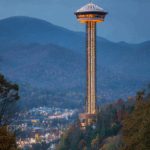
Gatlinburg SkyLift whisks you 1,800 feet up into the sky via chairlift, delivering you to the longest suspension bridge in North America with minimal physical effort and maximum scenic reward.
The chairlift ride itself becomes part of the adventure as you slowly ascend through the forest canopy, gaining new perspectives of Gatlinburg below and the surrounding mountain peaks with each passing minute.
The SkyBridge stretches 680 feet across a deep valley, providing you with heart-stopping views and the thrilling experience of walking high above the treetops on a gently swaying suspension bridge.
Glass panels in the bridge’s center section allow you to look straight down through the bridge deck to the valley floor far below, adding an element of excitement for those who dare to peer into the depths.
The observation deck at the bridge’s center provides you with 360-degree views of the Great Smoky Mountains, including clear sightlines to Mount LeConte, Clingmans Dome, and the sprawling valley that contains Gatlinburg.
The SkyDeck area features comfortable seating, refreshment options, and interactive displays that help you identify the various peaks and landmarks visible from this spectacular vantage point.
Evening rides during sunset create magical experiences as the setting sun paints the mountains in brilliant colors while the lights of Gatlinburg begin to twinkle in the valley below.
The facility operates year-round, offering you dramatically different experiences depending on the season, from lush green summer canopies to brilliant fall foliage displays and occasional winter wonderlands.
Professional photography services are available to capture your SkyLift experience, though personal cameras and phones work perfectly for documenting this unique perspective of the Smoky Mountains.
The entire experience, from chairlift ride to bridge crossing and return trip, takes about two hours, making it perfect for visitors who want spectacular mountain views without the physical demands of hiking.
These incredible destinations represent just a taste of what the Great Smoky Mountains have to offer you.
Each location provides its own unique blend of natural beauty, historical significance, and unforgettable experiences that will leave you planning your return visit before you’ve even left.